REVIEW · BERGEN
Bergen: Bergen Aquarium Entry Ticket
Book on GetYourGuide →Operated by Akvariet i Bergen · Bookable on GetYourGuide
A rainy day in Bergen turns into a plan. Akvariet i Bergen focuses on what really lives along the Norwegian coast, with presentations, feedings, and hands-on animal areas that keep it moving. You’re not just looking at tanks. You’re learning how habitat shapes what survives in the sea.
I especially like the lineup: penguins, sea lions, crocodiles, and European otters alongside snakes, geckos, and more than 100 fish species. The other thing that works well is pacing. You’ll find scheduled talks and feedings throughout the day, plus short films in the cinema, so you can keep choosing what fits your mood.
One possible drawback: it is not an enormous mega-aquarium. If you expect endless, sprawling galleries, you might feel the visit is more compact than you imagined.
In This Review
- Key things you should notice before you go
- What Akvariet i Bergen is really like (and why it works)
- Pricing and value: is $40 per person worth it?
- Getting there from central Bergen without stress
- The rhythm of your visit: how to use your 1 day ticket
- Start with the big animal areas first
- Then move into the Norwegian-coast variety
- Use presentations and feedings to anchor your day
- Add the short films when you need a break
- What you’ll see: the animals and exhibits that shape the visit
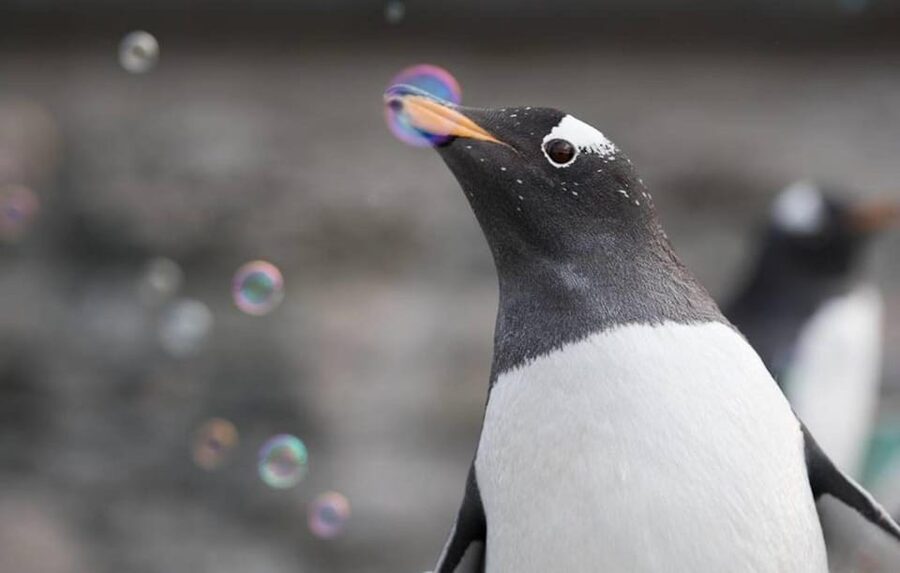
- Penguins: more than a cute stop
- Sea lions: where you can notice activity and routine
- Crocodiles: the unexpected heavyweight
- European otters: a reminder that habitat is the whole point
- Snakes and geckos: the reptile wing you might skip
- Learning moments: how the info is delivered
- Timing and openings: choose the right seasonal plan
- Logistics that matter on a small island of time
- Who should book this Bergen Aquarium ticket?
- Should you book Akvariet i Bergen?
- FAQ
- How long is the Bergen Aquarium entry ticket valid?
- What animals can I see at Bergen Aquarium?
- Are presentations and feedings included?
- Are talks and information available in English?
- Is there a cinema at the aquarium?
- What is included in the ticket price?
- Is food and drink included?
- Where is the aquarium located for meeting purposes?
- What are the opening hours?
- Is it wheelchair accessible, and are there any rules?
Key things you should notice before you go
- Crocodile and penguin areas are built as major zones, so you can plan a route instead of wandering aimlessly
- 100+ fish species give you variety even if you mostly come for the big animals
- Feedings and presentations are included, which is where most of the value hides
- English and Norwegian info makes it easier to follow along without guessing
- Three floors inside means the aquarium feels more developed than it looks from the street
- The aquarium has been an institution since 1960, run as a foundation (so it’s built for long-term learning, not just spectacle)
What Akvariet i Bergen is really like (and why it works)

Akvariet i Bergen, also known as Bergen Aquarium, is one of the city’s biggest visitor stops in Vestland County. It’s been around since 1960, and it’s organized as a foundation, which tends to show in how the place is set up: learning comes first, and the animals are the story.
The experience is built around a simple idea: sea animals are easier to understand when you can see them up close and hear why their habitat matters. That’s why the visit isn’t only about exhibits. You’re also catching presentations and feedings, where the staff explain what you’re watching and why it matters.
Here’s the travel-friendly part: the aquarium is open 361 days a year, with only specific closures on major holidays (including 17 May, 24–26 December, and 31 December). That means it’s a reliable fall-back plan when you don’t want to gamble with weather or daylight.
Pricing and value: is $40 per person worth it?
At about $40 per person for entry, this isn’t a bargain ticket. But it isn’t priced like a barebones zoo either.
You get a lot of “built-in structure” for that money:
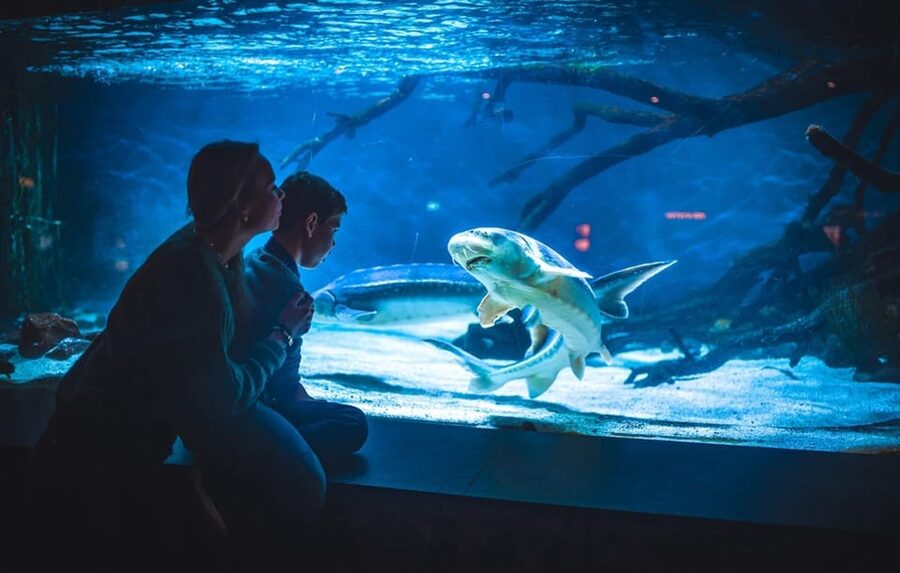
- Exhibits covering penguins, sea lions, crocodiles, European otters, reptiles like snakes and geckos, and 100+ fish species
- Presentations and feedings included, not add-ons
- Short films in the cinema, which help when you want a break from walking
- Information in English and Norwegian, so you can actually understand what you’re seeing
If your day in Bergen is short or your schedule has weather risk, the value improves fast. An aquarium ticket that gives you multiple ways to learn (talks, feeding times, film) is often a better use of time than doing only a single “view and leave” attraction.
If you’re the type who needs huge, sprawling galleries or lots of hands-on activities, then $40 may feel steep. But if you like animal-focused learning and a day that stays interesting without needing to chase big outdoor views, this price can make sense.
Getting there from central Bergen without stress
The aquarium is about a 15-minute walk from the Tourist Information. You also have options: bus, boat, or driving. That flexibility matters because Bergen can feel a bit stop-and-go depending on where you’re staying.
If you like keeping things simple, I’d plan to walk when the weather is decent. If rain shows up, switch to bus or boat. Since the aquarium’s open hours are long enough across most of the year, you’re not usually forced into rushing.
Also, remember: this is a one-day ticket, so you’ll get the most out of it by arriving with enough buffer to catch at least one feeding or presentation and still have time to wander back through the exhibits.
The rhythm of your visit: how to use your 1 day ticket
You don’t have to follow a strict itinerary here, but you will have a better experience if you think in “chunks.” This is how I’d structure it so you don’t miss the good stuff.
Start with the big animal areas first
When you arrive, go straight toward the headline zones: penguins and sea lions, then crocodiles, plus the European otters area. Seeing the “main characters” early helps you set your expectations for what’s ahead.
It also helps if you’re trying to stay efficient. Because there are many exhibits, jumping into the big displays first reduces the chance you spend most of the day drifting and then realizing you never slowed down for the animals you cared about most.
Then move into the Norwegian-coast variety
After the big areas, shift into the broader mix: snakes, geckos, and the fish. The value here is the sheer range: more than 100 fish species.
That number sounds like a statistic, but in practice it means you’ll see different body shapes, colors, and behaviors, not only one or two kinds of tank setups. It’s also a great section if you’re traveling with mixed interests. One person can focus on reptiles, another can focus on fish, and everyone still feels like they’re doing the same thing.
Use presentations and feedings to anchor your day
Presentations and feedings are included. That’s important. It means you’re not paying just to look through glass.
Instead, you’re hearing staff explanations and watching feeding moments that can connect what you see with how these animals survive. You’ll want to check the program when you’re there, since the schedule isn’t listed in the details you have. Build your day around it so you catch multiple events, not just the one you happen to walk by.
Add the short films when you need a break
If you’ve been walking around Bergen, you’ll appreciate the chance to sit down. The cinema with short films is included, and it’s a useful “cool-down” between animal areas.
Even if you don’t watch every second, the films can give you a clearer context for what you’ve already seen, especially around habitat and how coastal life works.
What you’ll see: the animals and exhibits that shape the visit
Akvariet i Bergen is designed to cover both the emotional wow-factor animals and the more “you didn’t expect that” species.
Penguins: more than a cute stop
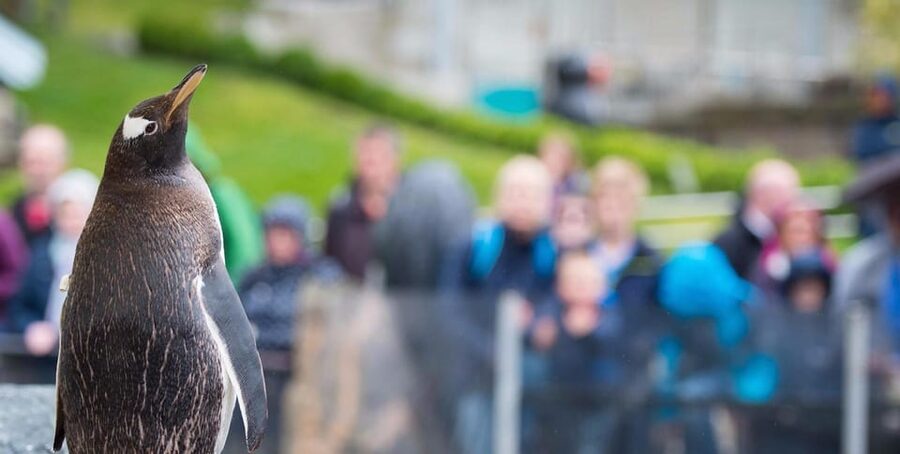
Penguins are a major draw, and the penguin areas are set up as one of the key sections. Even without a hands-on focus, you’ll learn to watch for behavior patterns: how they move, how they respond to surroundings, and how enclosures are arranged.
If your goal is to leave the aquarium understanding something real (not just taking photos), the staff presentations and feeding times are where penguins stop being only a visual moment and become a learning stop.
Sea lions: where you can notice activity and routine
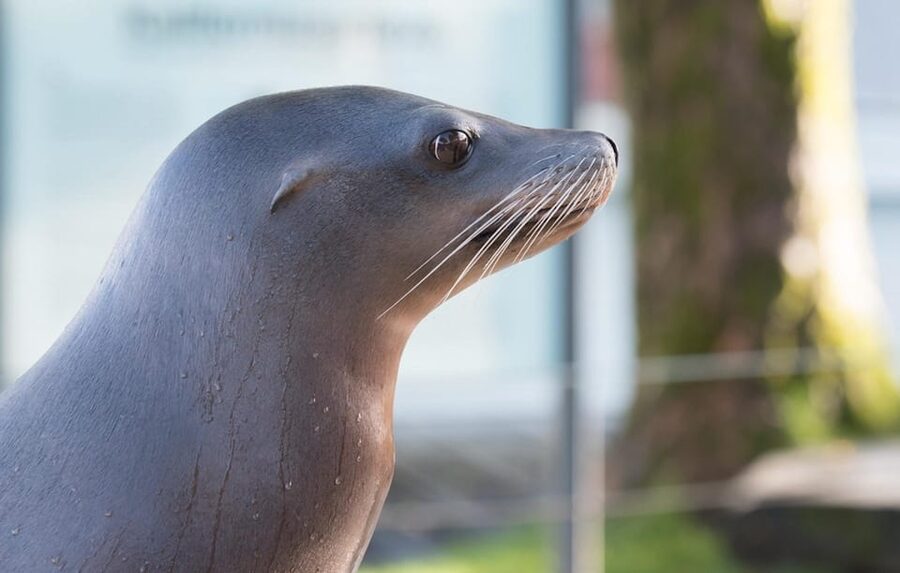
Sea lions tend to be one of the most “alive” exhibits in any aquarium, and here they’re specifically highlighted. Watch for patterns during quieter moments as well as active ones, because routine is often part of how animals are cared for.
If you’re visiting with kids, sea lions usually keep attention longer than fish tanks do. If you’re traveling as adults, they’re still worth prioritizing because they’re often where you get the clearest sense of habitat needs.
Crocodiles: the unexpected heavyweight
Crocodiles are another standout area. Their presence adds variety and a different kind of natural-history lens than you get from the cute-and-cuddly animals.
The key is to let the reptile section broaden your thinking. Once you understand why habitat matters for different species, the entire aquarium feels more connected rather than like unrelated tanks.
European otters: a reminder that habitat is the whole point
European otters are included, and they fit the aquarium’s overall mission: learning about the sea by seeing animals tied to it. Otters often make you focus on movement and environment rather than only on appearance.
If you care about conservation-style messaging, otters are a good species to pay attention to because they reinforce the idea that survival depends on more than food. Water conditions and habitat structure matter, and that theme is consistent across the experience.
Snakes and geckos: the reptile wing you might skip
Snakes and geckos are included too, and it’s easy to overlook them if you rush. I’d make sure you actually spend a bit of time here, even if you’re not a reptile enthusiast.
These animals help balance your mental picture. You came for the sea, but the aquarium doesn’t treat it as only one ecosystem—it’s showing you coastal and related life forms that broaden what you think of when you think Norway’s waters.
Learning moments: how the info is delivered
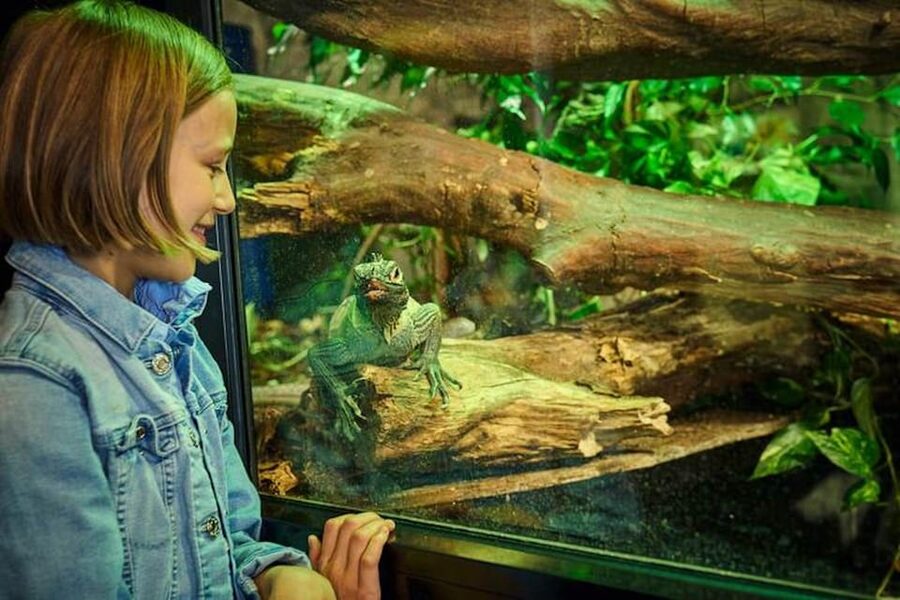
What makes this aquarium feel more worthwhile is how learning is built into the day.
You’ll find:
- Presentations and feedings included
- Explanatory information in Norwegian and English
- Short films in the cinema
That matters because it turns your visit into more than a passive viewing session. When you can understand what staff are saying, you’ll start connecting species to habitat rather than only noticing appearances.
You’ll also notice that information delivery is designed for real life. It’s not a lecture hall. It’s tied to what’s happening right then.
Timing and openings: choose the right seasonal plan
You’ll get different visitor rhythms depending on the season.
- September 1 – April 30: 10AM to 6PM
- May 1 – August 31: 9AM to 6PM
The aquarium staying open most of the year (only a short list of closures) gives you flexibility. If you’re traveling in winter, the 10AM start can be helpful when you want a slower morning. In summer, the earlier 9AM opening is a plus if you’re trying to squeeze in more things before sunset.
Since your ticket is valid for 1 day, plan to arrive when you can comfortably move through the big animal areas, catch at least one feeding/presentation, and still have time for fish tanks and the cinema.
Logistics that matter on a small island of time
This is an easy attraction to fit into a Bergen day because:
- You can walk in from the city center
- It’s one-day entry, so there’s less pressure than multi-day tours
- The aquarium offers multiple ways to spend time (exhibits, talks, feedings, cinema)
Two details worth respecting:
- Alcohol and drugs are not allowed.
- Food and drinks aren’t included, so plan to buy what you need separately.
Wheelchair accessibility is available, and staff/host support is listed in English and Norwegian. If you’re traveling with mobility concerns, the layout is designed to be reachable, but you should still expect typical indoor paths and exhibit viewing areas rather than a “no walking” experience.
Who should book this Bergen Aquarium ticket?

This ticket is a great match if you:
- Want a rain-proof Bergen activity that stays interesting all day
- Enjoy animal watching, but also want the story behind what you see
- Are curious about Norwegian coastal wildlife, not just generic aquarium species
- Travel with mixed ages and interests (because penguins/sea lions keep it fun while fish and reptiles keep it educational)
It may be less satisfying if you:
- Expect a massive aquarium with endless, sprawling galleries
- Prefer activities with lots of hands-on interaction rather than observation plus talks
Should you book Akvariet i Bergen?
Yes, I’d book it if you want a straightforward day in Bergen that mixes big animals, lots of fish variety, and learning through included presentations and feedings. For $40, the value is strongest when you use the schedule and don’t treat it like only a photo stop.
If you’re deciding between this and another indoor attraction, consider your priorities. If you care about coastal species and want a plan that works in rain or cold weather, Akvariet i Bergen is an easy win.
FAQ
How long is the Bergen Aquarium entry ticket valid?
The ticket is valid for 1 day.
What animals can I see at Bergen Aquarium?
You can see penguins, sea lions, crocodiles, European otters, snakes, geckos, and more than 100 fish species.
Are presentations and feedings included?
Yes. Presentations and feedings are included with entry.
Are talks and information available in English?
Yes. Information is provided in Norwegian and English.
Is there a cinema at the aquarium?
Yes. There are short films in the cinema, and they’re included.
What is included in the ticket price?
Included items are presentations and feedings, exhibits (including penguins, sea lions, crocodiles, and more), information in Norwegian and English, and short films in the cinema.
Is food and drink included?
No. Food and drinks are not included.
Where is the aquarium located for meeting purposes?
You can reach it by walking or using public transport. It’s about a 15-minute walk from the Tourist Information.
What are the opening hours?
- September 1 – April 30: 10AM to 6PM
- May 1 – August 31: 9AM to 6PM
Is it wheelchair accessible, and are there any rules?
Yes, it is wheelchair accessible. Alcohol and drugs are not allowed.