REVIEW · CAIRNS
Cairns: Guided Twilight Tour of the Aquarium
Book on GetYourGuide →Operated by Cairns Aquarium · Bookable on GetYourGuide
Twilight turns a normal aquarium visit into something you can actually feel. This guided twilight experience gives you after-hours access, then explains how animals shift their behavior as the light fades.
I especially like two things: the professional ecologist guiding the walk, and the focus on behavior changes, not just “look at the fish.” One thing to consider is that the tour is science-led and narration-heavy, so if you or your group tunes out during explanations, it may feel like too much talking.
Plan for a smooth, 2-hour evening outing, then (if you want) stretch it into dinner at Dundee Restaurant. If that balance sounds right, you’ll likely enjoy the payoff: clearer understanding plus great nighttime animal viewing.
In This Review
- Key highlights at a glance
- Twilight at Cairns Aquarium: why the night shift matters
- Meeting the guide: what you gain from a professional ecologist
- The walk-through after-hours: what the aquarium feels like at dusk
- Reef fish in “night mode”: coral caves and shelter behavior
- Sharks, rays, and groupers at night: predatory patterns explained
- It’s not only fish: reptiles, amphibians, insects, and nocturnal life
- How pacing and narration can affect your enjoyment
- Dundee Restaurant after the tour: turning science into dinner
- Price and value: is $60 worth it for a 2-hour twilight tour?
- Who this tour suits best (and who might want a different plan)
- Should you book Cairns Guided Twilight Aquarium Tour?
- FAQ
- How long is the Cairns Guided Twilight Tour of the Aquarium?
- Is this tour really after-hours at Cairns Aquarium?
- What’s included in the price?
- Are food and drinks included?
- Do I get hotel pickup and drop-off?
- Is the tour wheelchair accessible and offered in English?
Key highlights at a glance
- Exclusive after-hours entry to Cairns Aquarium, when the atmosphere feels totally different
- Live guide who’s a professional ecologist, with a clear, education-forward approach
- Behavior at sunset in focus, showing how animals change as day ends
- Up close with sharks, rays, and groupers, including nocturnal hunting and sheltering moments
- More than just fish, with reptiles, amphibians, insects, and nocturnal species you might miss in daytime
- Dundee Restaurant dinner option after the tour, so you can turn the experience into a full evening
Twilight at Cairns Aquarium: why the night shift matters
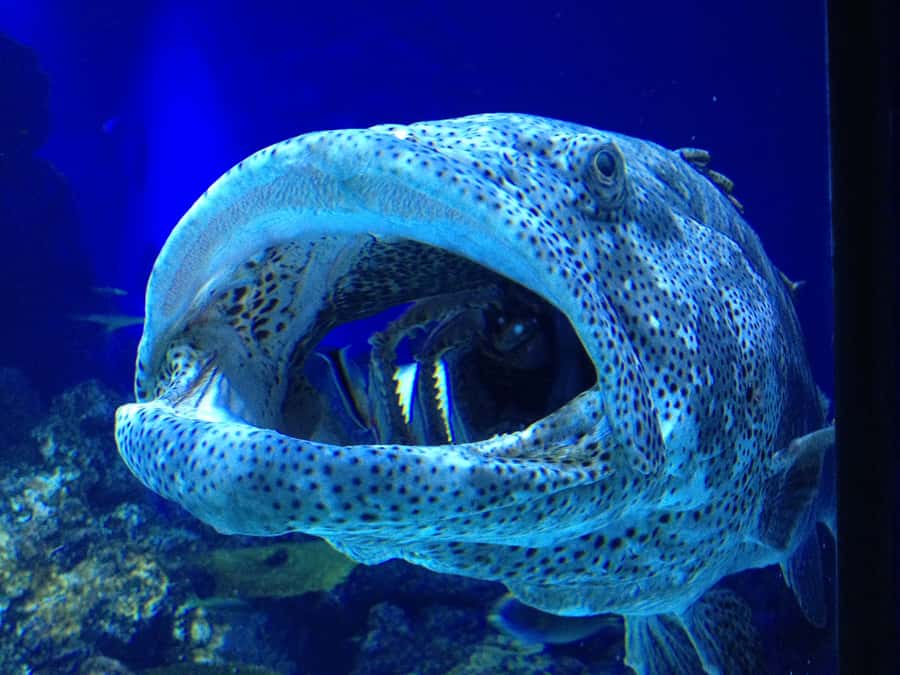
If you’ve ever walked through an aquarium during the day and thought it felt a bit… staged—this tour fixes that feeling. As evening comes on, animals that looked calm or stationary in daylight tend to become more active, more alert, and more obviously “on shift.”
The biggest value here is that the guide frames what you’re seeing as behavior, not trivia. You don’t just spot animals; you learn what changes and why that matters for survival—feeding, hiding, and predator-prey rhythms when the sun goes down.
At $60 per person for a 2-hour guided experience, you’re paying mainly for two things: after-hours access and a live, science-based explanation. That’s a strong fit if you want your aquarium time to feel purposeful rather than like you’re rushing past tanks.
One practical note: there’s no hotel pickup and drop-off, so plan to arrive on your own. Also, food isn’t included—there’s a Dundee Restaurant option afterward if you want something solid to eat.
Meeting the guide: what you gain from a professional ecologist
Your tour starts with a friendly guide who’s a professional ecologist. That detail matters, because it changes how the walk feels. Instead of a generic script, the tour is built around habitats and behavior patterns—how animals respond to environmental cues.
In particular, the guide helps connect what you’re seeing in each exhibit to the bigger idea: daylight and darkness don’t just change visibility. They affect when animals rest, when they feed, and where they feel safe.
You’ll also notice that the tone can be educational and sometimes fast-moving. A couple of guests have mentioned that the narration can be a lot, which is worth keeping in mind if you’re traveling with kids or anyone who prefers short, punchy explanations.
My advice: treat this as a learning-oriented event, not a casual walk-through. If you go in expecting a guided lesson plus great nighttime viewing, you’ll get the most out of it.
The walk-through after-hours: what the aquarium feels like at dusk
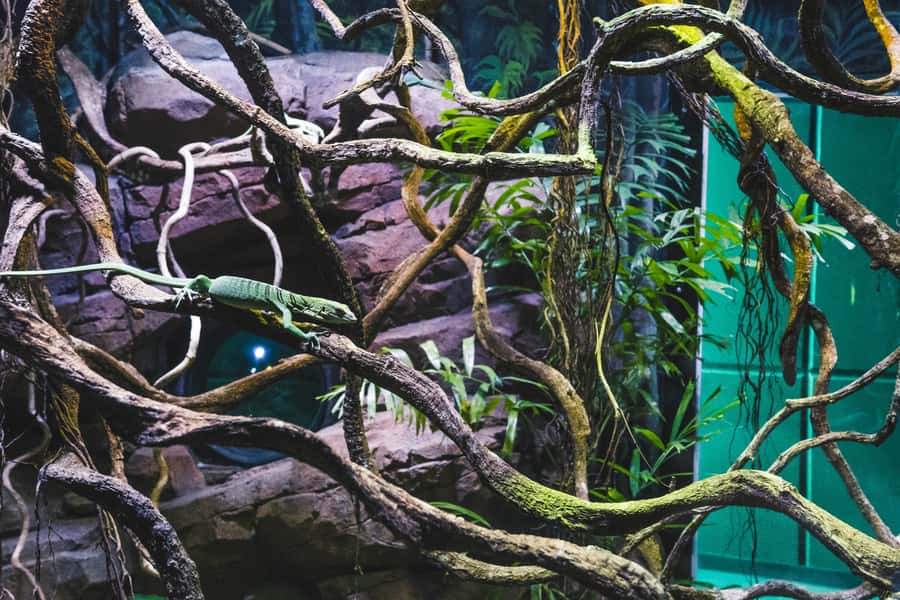
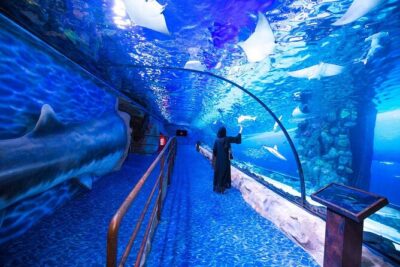
Once the tour is underway, the aquarium transforms in your senses before it transforms in your eyes. The lighting shift alone changes the mood—tanks feel calmer, shadows look sharper, and the whole place stops feeling like daytime entertainment.
You’ll move through exhibits as the “twilight” theme comes to life. The guide points out how animals become more active as the sun begins to set, and how you can see those changes in real time rather than reading about them later.
A big part of the tour’s structure is that you’re not just watching a tank—you’re watching a transition. You’ll start with daytime-ish behavior, then see what becomes different as night settles in.
That’s the sweet spot of the experience: it turns the aquarium into a living classroom where timing matters. You don’t need to be an expert; the guide translates the behavior into simple, understandable patterns.
Reef fish in “night mode”: coral caves and shelter behavior
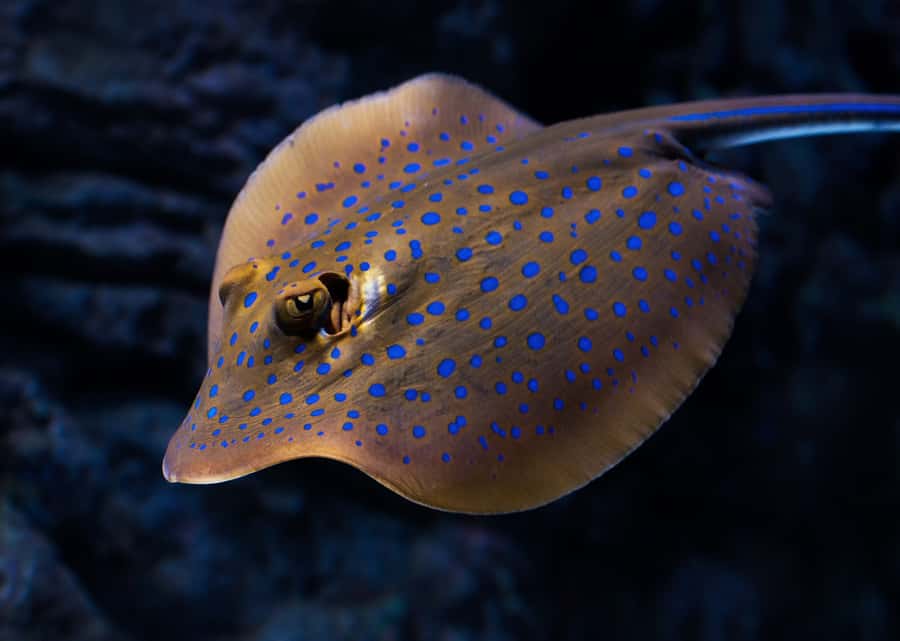
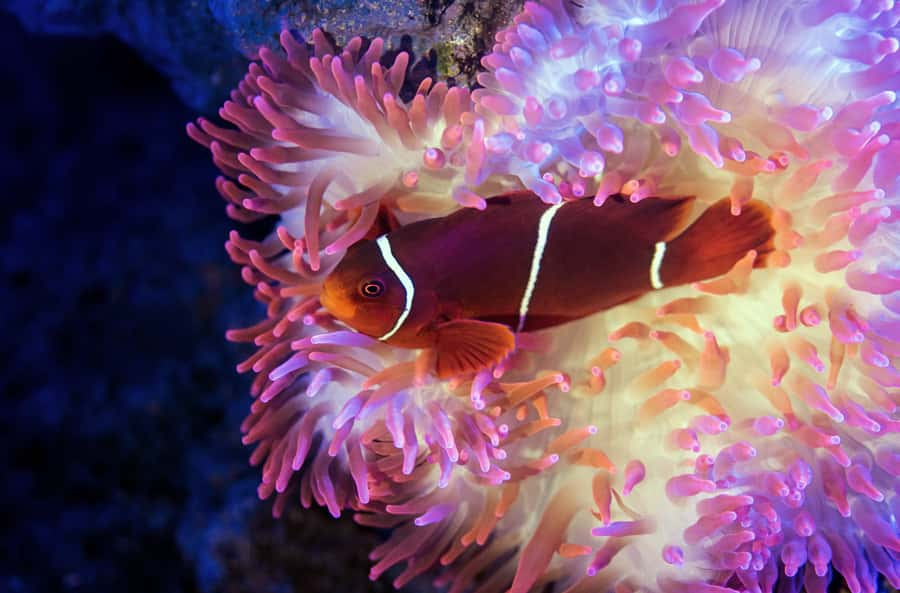
One of the most memorable parts is the section focused on brightly colored reef fish. Even if you think reef fish are “just pretty,” the twilight angle changes your perception.
As evening comes on, the guide explains how these fish tend to seek shelter—specifically in places like coral caves. That might sound subtle, but it’s the whole point: they’re not acting the same way when predators are hunting and the environment changes.
This is where you’ll start thinking differently about the tanks. You’re not just looking for the most colorful fish. You’re looking for movement cues—hiding, gathering, pausing, and switching routines.
If you’ve ever wondered why aquariums can feel static even when animals are alive, this part answers it. The animals’ “job” changes as the lighting changes, so their behavior becomes easier to notice.
Sharks, rays, and groupers at night: predatory patterns explained
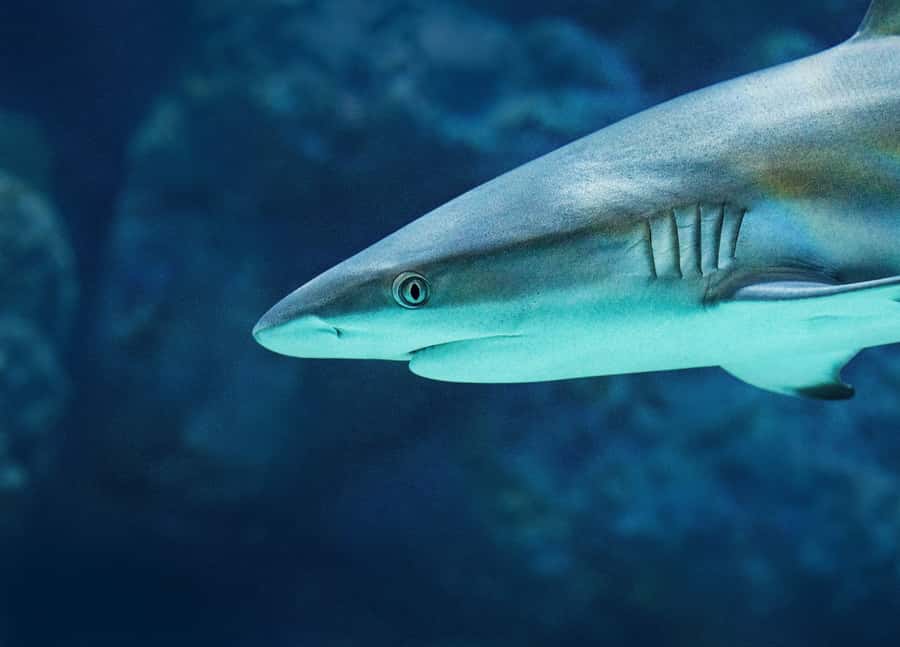
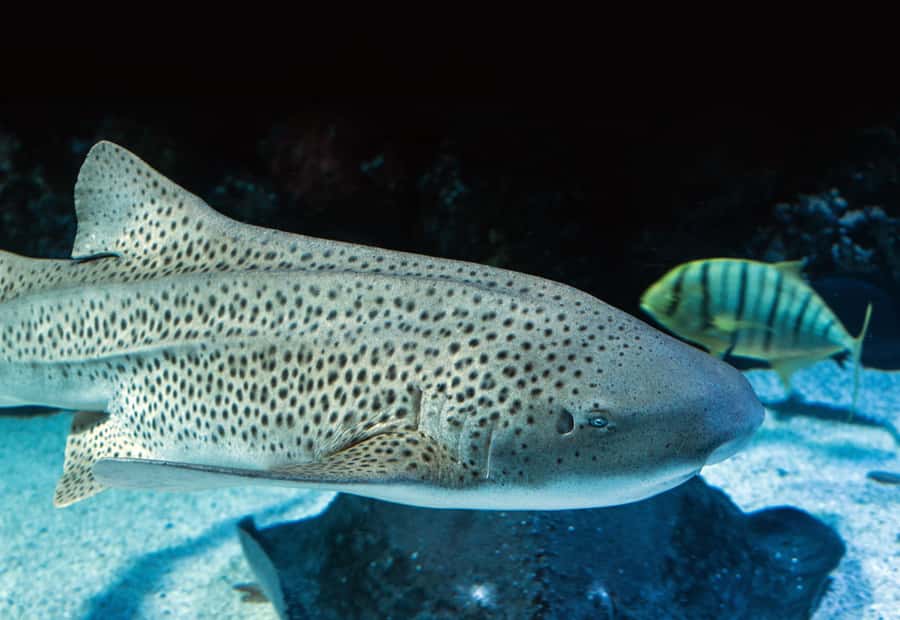
The most exciting viewing moments are the nocturnal predators—sharks, rays, and groupers. This tour gives you front-row access to the kind of behavior you’d be more likely to miss during daytime visits.
The guide discusses how these animals “awaken” or become more active as night takes over. You’ll get an explanation of how predatory habits fit into the nighttime routine: timing, movement, and how they interact with the habitat.
You’ll also see the relationship between predator and prey play out in the exhibits. When reef fish are shifting into shelter behavior, the predators become easier to understand as part of that same system.
Even if you’re not a “shark person,” this section has real learning value. It’s not just scary-fish spectacle—it’s behavior ecology in an easy-to-watch setting.
And it’s one reason this tour can make other reef experiences feel richer. If you’re planning snorkeling later, having this nighttime context helps you interpret what you see out in the real environment—so you notice patterns instead of only shapes and colors.
It’s not only fish: reptiles, amphibians, insects, and nocturnal life
A smart thing about the tour is that it doesn’t treat the aquarium as only sharks and coral. You move past areas featuring reptiles, amphibians, insects, and nocturnal fish.
This matters because it broadens the idea of “night” beyond marine tanks. Different groups respond to darkness in different ways—resting, hiding, becoming active, or shifting where they spend time.
The guide weaves those habitat cues into what you’re observing. So you come away with a stronger sense of the aquarium as a set of ecosystems, not a hallway of isolated animals.
If you like variety, this is a big plus. It helps keep the experience from becoming repetitive, especially because the tour is only two hours long. You’ll feel a steady change of focus rather than a single-note viewing session.
How pacing and narration can affect your enjoyment
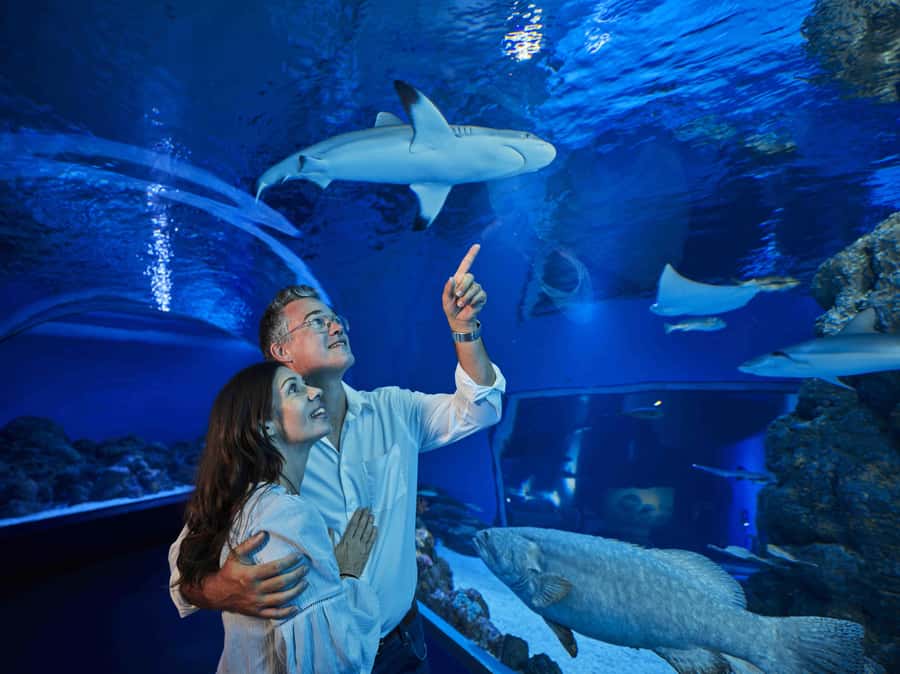
The tour is led by a person with a lot to say—because they’re explaining animal behavior and habitats. That’s a win for many people, and it’s exactly why the educational content can stick.
At the same time, there’s one recurring consideration: some guests have found the narration too long or the pacing too talk-heavy. That doesn’t mean the content is bad—it means the tour style is more classroom-like than quick-and-chatty.
If your group is the type that gets restless during lectures, you’ll want to approach it with a “listen for the key moments” mindset. Focus on the transitions: when the guide points out a behavior shift, you’ll get the payoff quickly.
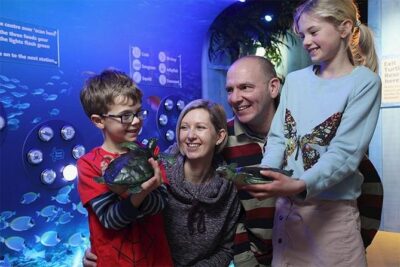
If you’re traveling with kids, it helps to set expectations ahead of time: this is a guided science experience with nighttime animal viewing. If a child just wants to run from tank to tank, this tour might need extra patience.
Dundee Restaurant after the tour: turning science into dinner
At the end, you finish with an option to buy dinner at Dundee Restaurant. Food and drinks aren’t included in the tour price, so you’ll be making your own dinner decision after the aquarium.
I like this structure because it stops the evening from ending abruptly. After two hours of focused looking, you get a chance to sit down and decompress without scrambling to find dinner at the last minute.
Also, if you’re traveling with friends or family, the post-tour meal is a good way to compare what you thought you saw. The guide’s explanations tend to give you shared language—predators, sheltering behavior, nighttime routines—so dinner becomes part conversation, not just logistics.
Price and value: is $60 worth it for a 2-hour twilight tour?
Let’s talk value, plainly. $60 per person buys you:
- after-hours entry to Cairns Aquarium
- a 2-hour guided tour
- a live guide who’s a professional ecologist
- a structured look at nighttime behavior shifts
So you’re not just paying for the building. You’re paying for access to a time when the animals are more active and for a guide to interpret what you’re seeing.
If your goal is maximum animal viewing with minimal talking, you might choose a self-guided aquarium visit instead. But if you want to leave with clearer understanding—why animals act differently after dark—this tour has a stronger “learning value per minute.”
The timing also matters. Twilight tours are about windows. If you pick the wrong time for viewing, animals may look quieter and less responsive. This tour is designed around the behavior change, which is where the experience becomes more than a standard ticket.
Who this tour suits best (and who might want a different plan)
This tour is a great match if you:
- enjoy guided explanations and want the science behind what you see
- are excited by night behavior—how animals feed, hide, and move after dark
- want a structured viewing route so you don’t miss the best exhibits
- have plans for snorkeling or reef time and want context first
You might reconsider if you:
- want a low-narration, casual walk-through
- are traveling with someone who dislikes listening for long stretches
- expect food to be included (it isn’t; Dundee is an option afterward)
- need hotel pickup (none is provided)
If you’re flexible and curious, it’s an easy “yes” because you get both the atmosphere of after-hours viewing and the guidance to understand it.
Should you book Cairns Guided Twilight Aquarium Tour?
I’d book it if you want your aquarium time to feel like a real experience, not just background sightseeing. The mix of exclusive after-hours entry, a guide who can explain behavior, and the focus on nocturnal predators (sharks, rays, groupers) makes it feel purpose-built.
Also, if you’ve got a reef trip coming up, this tour can help you connect dots—so your later snorkeling experience feels less like random sea-life sightings and more like pattern recognition.
If narration-heavy tours can annoy you, go in with eyes open. The content is the point. Bring curiosity, and you’ll likely find the nighttime moments land harder.
If you’re ready to trade daytime “pretty fish” for after-dark “why they move,” this is a solid $60 use of your evening.
FAQ
How long is the Cairns Guided Twilight Tour of the Aquarium?
The tour lasts 2 hours.
Is this tour really after-hours at Cairns Aquarium?
Yes. It includes after-hours entry to the Cairns Aquarium.
What’s included in the price?
The included items are after-hours entry and the 2-hour guided twilight tour.
Are food and drinks included?
No. Food and drinks are not included, but you can purchase a meal at Dundee Restaurant after the tour.
Do I get hotel pickup and drop-off?
No. Hotel pickup and drop-off are not included.
Is the tour wheelchair accessible and offered in English?
Yes. The tour is wheelchair accessible and the live guide works in English.