REVIEW · COLOGNE ZOOLOGICAL GARDEN
Cologne: Cologne Zoo and Aquarium Entry Ticket
Book on GetYourGuide →Operated by AG Zoologischer Garten Köln · Bookable on GetYourGuide
Elephants, tigers, and dinosaurs in one easy day. Cologne Zoo is a long-running, family-friendly classic, and it does a great job of cramming in serious variety: 10,000 animals across 850 species. I especially loved the 2-hectare Asian elephant park, with a herd that feels like the main event, and I also liked the rainforest-style experience that mixes jungle habitats with up-close animal viewing.
One heads-up: this ticket includes the aquarium, but it may feel smaller than the zoo, and the site notes the Tropical House will stay closed until mid-2026. If you’re planning your day around a specific indoor jungle area, it’s worth checking what’s open before you go, especially outside peak season hours.
In This Review
- Cologne Zoo and Aquarium Entry Ticket: Key Highlights
- Entering Cologne Zoo Without Rushing
- Asian Elephant Park: The Main Event You’ll Keep Thinking About
- Hippodom and the African River Vibe (Hippos, Crocs, and More)
- Rainforest Hall and South America House: Jungle Animals Indoors
- Amur Tigers and the Big-Cat Factor
- Clemenshof Petting Farm: Goats and Sheep Only
- Dino Don: The Moving Dinosaur Sculptures
- Aquarium Access: Worth Adding, But Don’t Expect a Second Zoo
- Food Stops and the Things to Bring (Since Meals Aren’t Included)
- Timing, Hours, and Getting Your Route Right
- Who This Ticket Is Best For
- Should You Book the Cologne Zoo and Aquarium Ticket?
- FAQ
- How long should I plan for Cologne Zoo and the aquarium?
- What’s included with the ticket?
- Can I pet animals?
- Are feeding animals or touching animals allowed?
- Is the Tropical House open?
- Are pets allowed in the zoo?
- What are the last entry times?
Cologne Zoo and Aquarium Entry Ticket: Key Highlights
- A herd-focused Asian elephant park designed as a standout, modern “big moment”
- Rainforest Hall time with indoor jungle exhibits and areas where birds and reptiles are free-flying or roaming
- South America House critters like sloths, armadillos, howler monkeys, and piranhas
- Amur Tiger facility as a newer big-cat highlight you can observe up close
- Clemenshof farm replica with a petting zone where only goats and sheep can be petted
- Moving dinosaur sculptures featuring huge models and lots of kid-friendly action
Entering Cologne Zoo Without Rushing
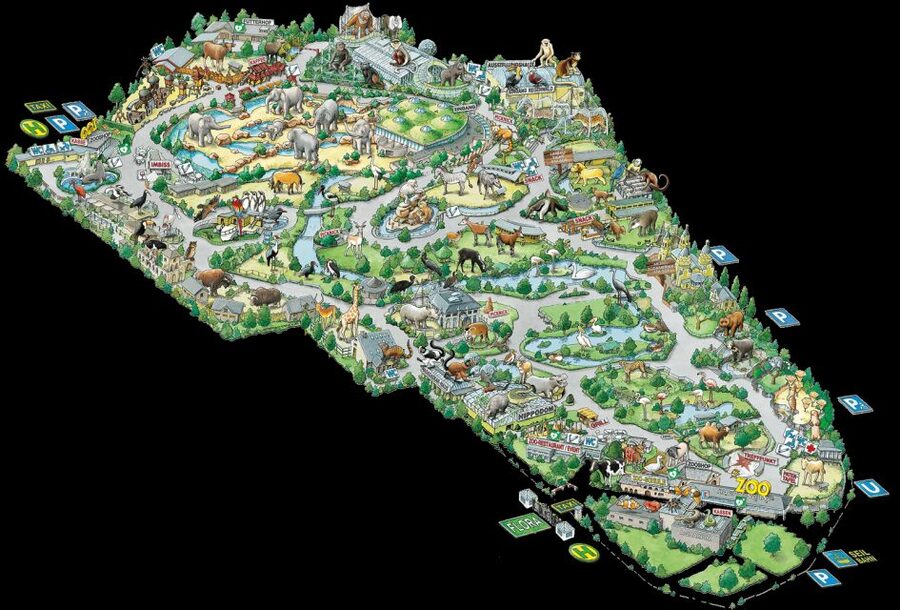
Cologne Zoo sits right in the city, at Rieler Str. 173, 50735 Cologne. From Cologne Main Station, you can reach it via underground line 18, or hop from Ebertplatz by bus line 140. The layout is built for wandering, not sprinting, which is nice when you’re traveling with kids or just want a calm day.
Your ticket gets you zoo entry plus aquarium access. For $27, that’s strong value if you actually use the aquarium part of the day. Based on what you’ll see—elephants, jungle halls, big cats, farm animals, and dinosaur installations—you’re paying for a full “animal park day,” not just a quick look.
I’d plan on blocking out a lot of time. Even if you move steadily, the zoo has enough different habitats to swallow half your day fast, and people often end up staying longer than they planned.
Asian Elephant Park: The Main Event You’ll Keep Thinking About
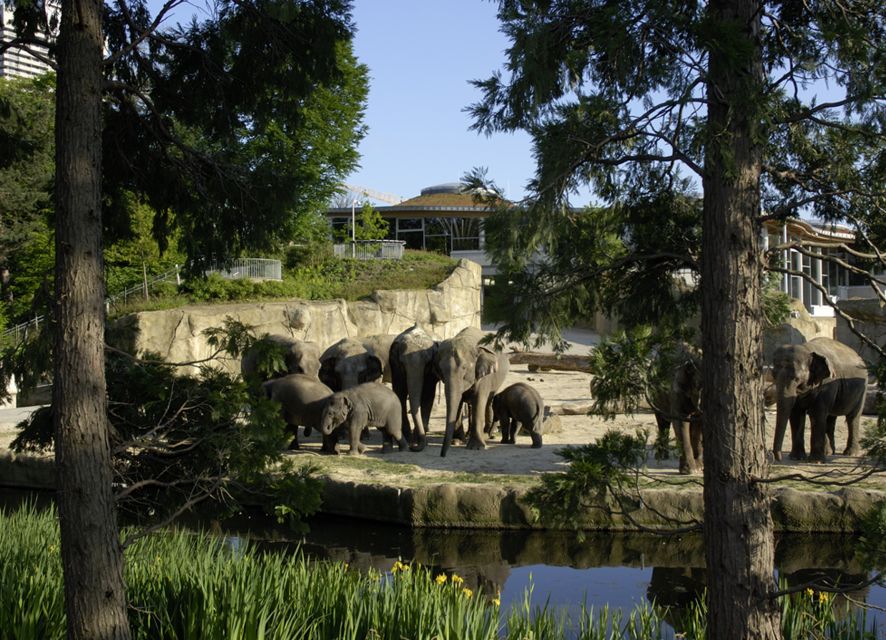
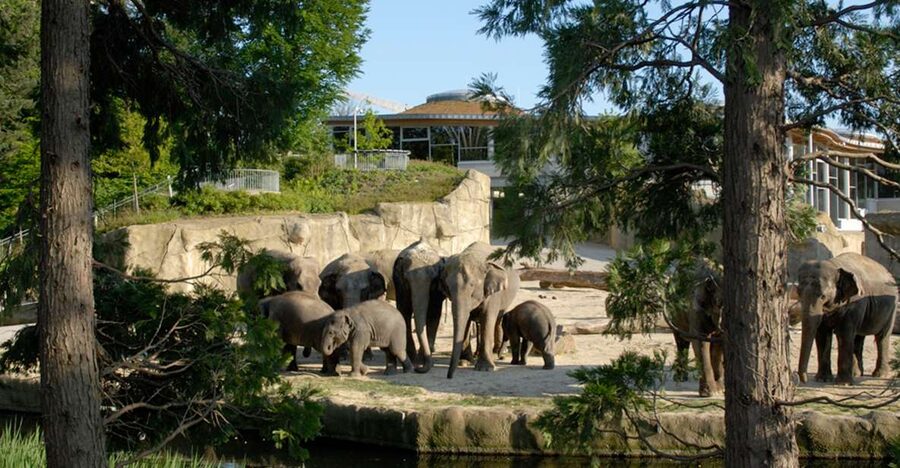
The big reason many people buy this ticket is the elephant set-up. The zoo has a 2-hectare Asian elephant park, described as the largest and most modern elephant park of its kind. You’re not just looking at one or two animals in a corner—you’re watching a herd roaming together, which changes the whole feel of the visit.
You’ll also have a lot of habitat variety to enjoy around the elephants. The zoo is designed so you can get decent viewing angles without constant repositioning, and even on hotter days you can find shelter to take breaks while still watching the action.
If you care about baby elephants, this is one of those places where you might be lucky enough to see one during your visit. (Nothing is guaranteed, but the zoo’s elephant section is clearly a frequent visitor favorite.)
Hippodom and the African River Vibe (Hippos, Crocs, and More)
After elephants, the zoo shifts gears into more water-and-land habitats. The Hippodom is a spacious environment recreating an African river setting. It’s a smart theme because it groups together species that naturally share a water-heavy lifestyle.
In this area, you can expect larger animals such as hippos, Nile crocodiles, and Sitatunga antelope. What I like about this kind of habitat plan is that it makes the animals feel “placed,” not randomly scattered. You’re walking from one cohesive experience to the next.
If you’re traveling with kids, this is where the zoo earns easy points: animals you might never see elsewhere (or only see on TV) are right there, and the African river concept helps everyone understand why they look the way they do.
Rainforest Hall and South America House: Jungle Animals Indoors
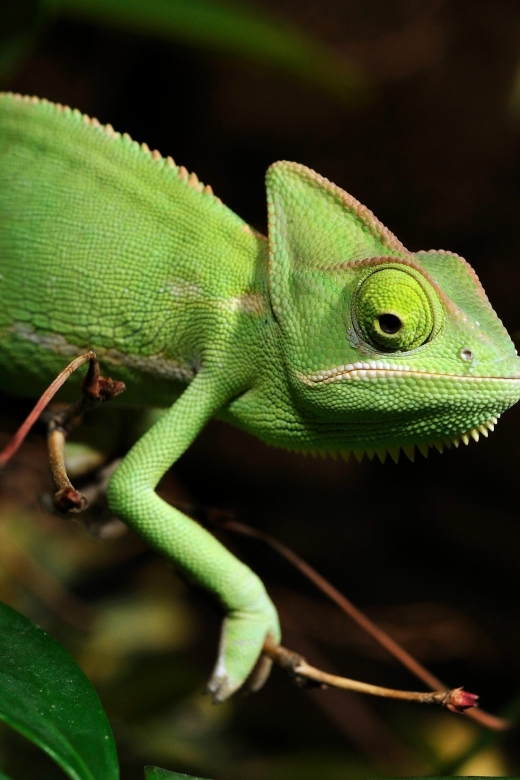
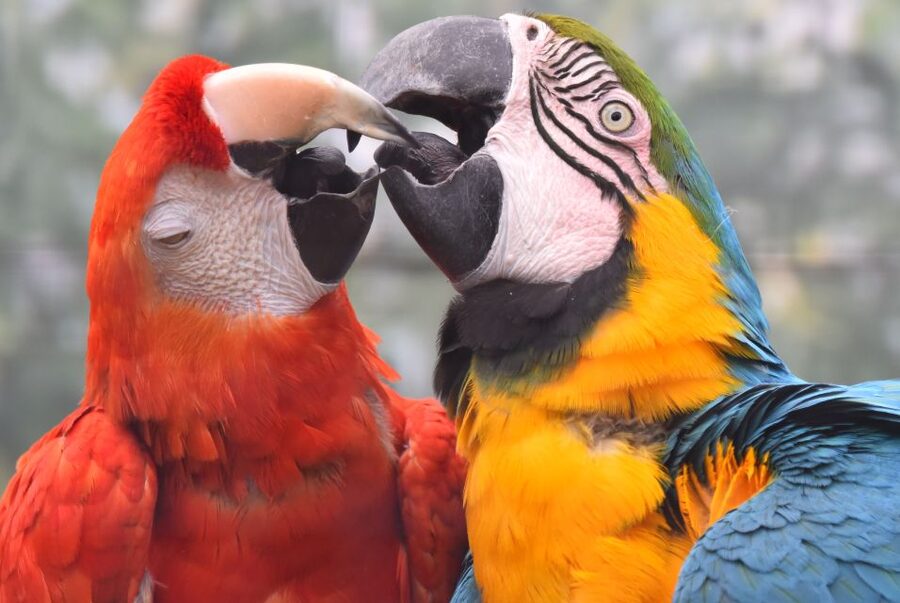
The zoo leans hard into the Americas theme. There’s the Historical South America House, which is built like a jungle adventure, with species such as sloths, armadillos, salt cats, howler monkeys, monkeys, and piranhas. Central and South American jungle species show up again in the Rainforest Hall, which helps you get a full “jungle day,” not just one exhibit.
One of the most fun features here is how the indoor rainforest sections handle movement and atmosphere. You may see free-flying tropical birds and reptiles roaming throughout the hall. That makes the space feel more alive than a standard glass-and-sit viewing layout.
Two practical things to keep in mind:
- One indoor Tropical House area is scheduled to be closed until mid-2026 for energy refurbishment, so some jungle-style spaces might not be operating as you expect.
- When the weather turns, indoor exhibits can save your day. A rainy visit is still very doable here because there are multiple sheltered animal areas.
Amur Tigers and the Big-Cat Factor
Big cats can be the highlight for a lot of zoo visits, and Cologne Zoo has a modern-feeling tiger facility. There’s a new Amur Tiger facility where you can observe the big cats up close.
That “up close” part matters. At some zoos, tigers can be far away behind distance and barriers. Here, the goal seems to be clear viewing without constant strain, which makes it easier to catch animal behavior—resting, pacing, or that sudden alert moment—especially when kids are watching.
If you’re visiting specifically for cats, I suggest making your tiger stop earlier rather than later. Animals can be less active at certain times of day, and the zoo is big enough that you don’t want to arrive tired and miss the best activity windows.
Clemenshof Petting Farm: Goats and Sheep Only
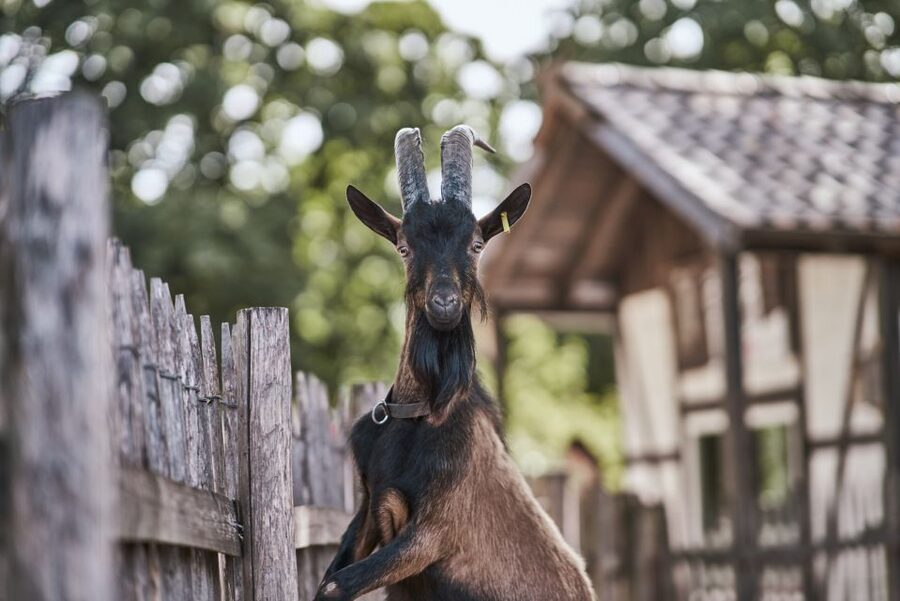
Clemenshof is the zoo’s farm replica area, designed around native German species. It’s a great contrast to the tropical and safari-style exhibits because it’s simpler, calmer, and very family-friendly.
The petting zoo rules are straightforward:
- You can pet farmyard animals at Clemenshof
- Only goats and sheep can be petted
Also remember that feeding animals isn’t allowed, and touching animals is restricted outside the designated petting area. So plan on enjoying the animals visually, then saving your hands for the goats-and-sheep zone.
For younger kids, this section is often the most emotionally satisfying. After a long walk through reptile and jungle exhibits, a farm area gives everyone a reset.
Dino Don: The Moving Dinosaur Sculptures
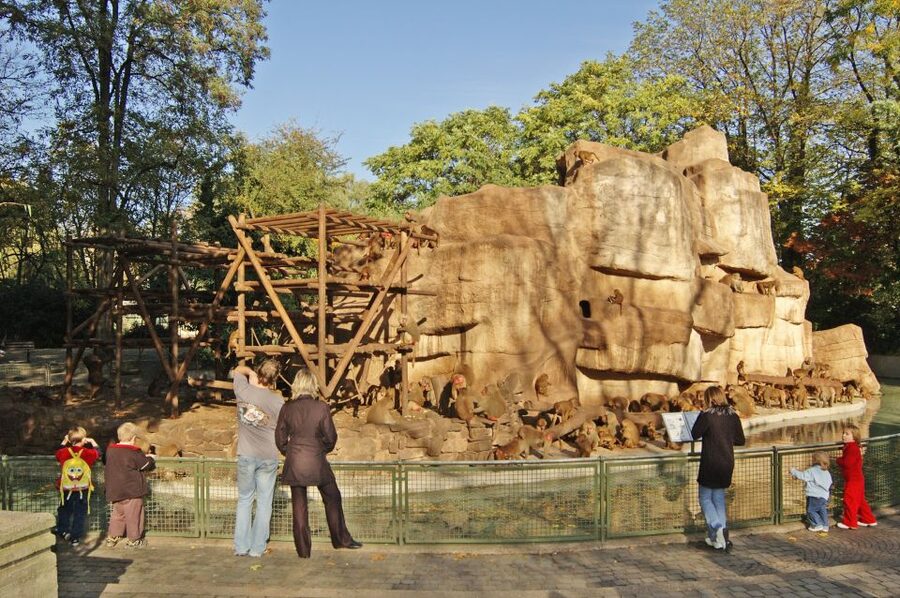
If your family loves dinosaurs, this zoo delivers in a very specific way: oversized sculptures that are designed for attention. The installation includes huge models like a 15-metre high and 35-metre long Argentinosaurus near the Old Rhino House. You’ll also see a Tyrannosaurus Rex staged on the large zoo pond, described as 3.5 metres high and 12 metres long.
Other big pieces include the Velociraptor opposite the baboon rock, plus long-format herbivores like Hypselosaurus and Europasaurus, and a Triceratops with its young near the tapir outdoor enclosure.
What I like is the “living” effect. Many figures move, including actions like opening and closing their mouths. They were specially made for Cologne Zoo and shipped in from overseas, and the zoo works with the US company Dino Don, known for dinosaur shows.
It’s the kind of exhibit that keeps kids engaged even when they’re tired, and it also gives adults something to photograph besides animals.
Aquarium Access: Worth Adding, But Don’t Expect a Second Zoo
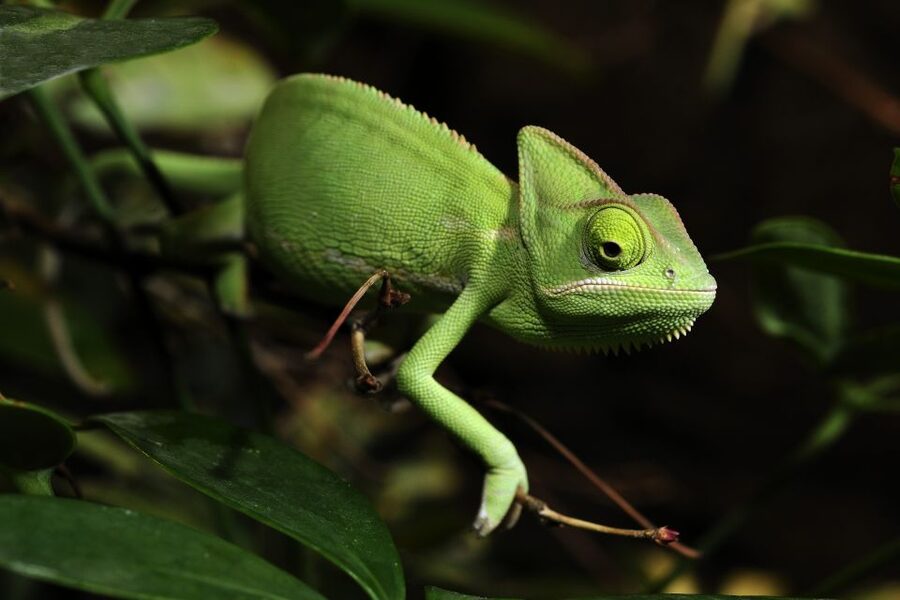
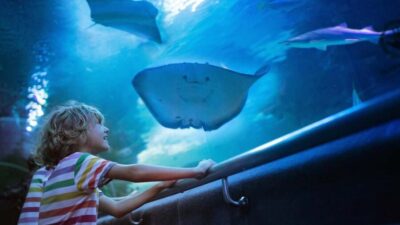
Your ticket includes aquarium access, but it’s not the same scale as the zoo itself. Many visitors treat it as a bonus, a nice add-on after the zoo when you want to keep the animal theme going without committing to a whole extra day.
You’ll likely find aquarium viewing most pleasant when you don’t rush. One practical tip: if you arrive around the early afternoon, some animals may be napping. That’s normal animal behavior, but it can reduce the “wow” factor if you timed your visit for peak action.
Also, there are feeding times available in the aquarium. If you’re the type who likes a plan, look for them when you arrive so you can shape your route around active animals.
One balanced caution: the aquarium experience can vary day to day. Some people found it small but fine; one visitor felt it needed more maintenance attention in terms of cleanliness and tank conditions. So think of it as an included extra, not a guaranteed centerpiece.
Food Stops and the Things to Bring (Since Meals Aren’t Included)
Food and drinks aren’t included in your entry ticket, so you’ll need to plan for meals and snacks on-site. That’s not a dealbreaker, but it does affect value if you’re traveling with hungry kids all day.
Options exist around the grounds, though availability can shift depending on the day. In at least one case, only a limited number of food places were open near the main entrance/exit, so I’d treat food as a “check early” situation. If you can, eat sooner rather than later and bring a snack you’re happy to eat even if a stand is closed.
For your day bag, I’d pack the basics:
- Comfortable shoes (the zoo is big)
- Water (and plan to refill if possible)
- A small snack for downtime
- A light layer for indoors and rain
Shopping is also part of the zoo routine. Gift shops exist, and you should expect typical theme-park pricing. If you’re trying to keep costs down, treat souvenirs as a reward at the end of the day, not a must-buy every time you see a shop window.
Timing, Hours, and Getting Your Route Right
Cologne Zoo has seasonal opening times:
- Summer (March 1 to October 31): 9:00–18:00, last entry 17:30 (animal houses close 17:30)
- Winter (November 1 to February 28): 9:00–17:00, last entry 16:30 (animal houses close 16:30)
That last entry detail matters. Zoo days can stretch, and you’ll want enough time to finish your indoor jungle and aquarium viewing before animal houses close.
A simple route that usually works:
- Start with the elephant area and nearby major habitats
- Move into the Africa-themed river habitat next
- Head toward the tiger and jungle halls while you still have energy
- Fit Clemenshof and dinosaurs based on weather (outdoor dinosaurs are best when skies are clear)
- Finish with the aquarium once you know you’re within opening windows
If you want sheltered viewing, you can use rainy weather to your advantage by prioritizing indoor jungle and animal rooms when the sky opens up.
Who This Ticket Is Best For
This is a strong pick for families, especially with kids who love large animals and big visual scenes. The dinosaur sculptures do a lot of the entertainment heavy lifting, and the petting zoo gives younger kids a hands-on moment.
It’s also a good fit for animal lovers who want variety in one day: elephants, hippo-and-croc style habitats, rainforest animals, and big cats. If you’re the kind of traveler who likes to plan one “anchor” day and then explore the city around it, this works well.
If you’re only interested in a huge aquarium experience, you may feel underwhelmed. But if you want an all-in animal park day, you’ll likely feel you got your money’s worth.
Should You Book the Cologne Zoo and Aquarium Ticket?
Book it if you want a city zoo day that’s big, varied, and family-friendly—especially for the elephant park, jungle halls, Amur tigers, and the moving dinosaur sculptures. With zoo entry plus aquarium access in one ticket, the price feels fair when you actually use both parts.
Skip it or at least double-check your must-see list if:
- You’re counting on a specific indoor tropical area that’s scheduled to be closed until mid-2026
- You mainly want a large-scale aquarium experience instead of a smaller add-on
- You prefer very fixed schedules for animal feeding or shows, since day-to-day activity can affect what you see
If you’re flexible and you plan your day around animal houses closing times, this is one of the easiest “one ticket, many worlds” days in Cologne.
FAQ
How long should I plan for Cologne Zoo and the aquarium?
Your ticket is for 1 day, and you’ll want enough time to see multiple habitats plus the aquarium. Plan several hours so you’re not rushed at closing time.
What’s included with the ticket?
The ticket includes Cologne Zoo entry and aquarium access.
Can I pet animals?
You can pet animals at Clemenshof, but only goats and sheep are allowed to be petted. Touching animals is not allowed elsewhere.
Are feeding animals or touching animals allowed?
Feeding animals is not allowed. Touching animals is also not allowed except for the designated petting area where goats and sheep can be petted.
Is the Tropical House open?
The Tropical House must remain closed until mid-2026 due to energy refurbishment, so check what indoor areas are operating on your travel dates.
Are pets allowed in the zoo?
Dogs and other pets are not permitted. Assistance dogs are allowed.
What are the last entry times?
In summer, last entry is 5:30 pm (animal houses close at 5:30 pm). In winter, last entry is 4:30 pm (animal houses close at 4:30 pm).