REVIEW · FUJISAWA
Enoshima Aquarium: Admission Ticket
Book on GetYourGuide →Operated by LINKTIVITY Inc. · Bookable on GetYourGuide
Enoshima Aquarium turns Sagami Bay into a visitor-friendly story of the Pacific Ocean. I like how the exhibits move in a clear path, starting with Sagami Bay and then shifting into the deeper, stranger corners of marine life. I also like the mood they aim for: learning that feels like surprise and excitement, with a side of healing.
The main consideration is timing. You can plan a full circuit, but some days may end earlier due to special events or crowd control, so build in a little buffer and check updates on the day you go.
In This Review
- Key things that make this ticket worth your time
- Enoshima Aquarium in one ticket: what you actually get
- Getting there: walk times from Enoshima-area stations
- Opening hours that change by season (and why you should care)
- Inside the aquarium: the route from Sagami Bay to deep sea
- Jellyfish and deep-sea exhibits: how to see them well
- Learning with shows, explanations, and creature-focused programs
- Seasonal exhibits and temporary events: plan around the calendar
- Practical tips: lockers, luggage rules, and photo limits
- When your visit might end earlier than planned
- Price and value: is $18 a fair deal?
- Who this aquarium ticket fits best
- Should you book this Enoshima Aquarium ticket?
- FAQ
- Where is Enoshima Aquarium, and how far is it from stations?
- What are the opening hours?
- How much does the admission ticket cost?
- How long is the ticket valid?
- Are there rules about luggage and storage?
- Are there restrictions on photos or equipment?
Key things that make this ticket worth your time
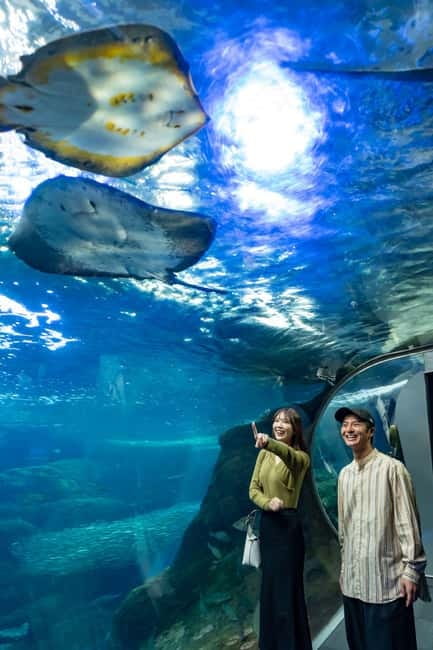
- Sagami Bay to deep sea flow: expect a logical exhibit progression rather than a random maze.
- Jellyfish and deep-sea creatures: two of the aquarium themes you’ll see highlighted in the route.
- Interactive programs: there are shows and programs designed to let you engage with marine creatures.
- Learning that sticks: explanations focus on how life in the Pacific connects to its surroundings.
- Seasonal exhibits and temporary events: the aquarium changes what you’ll see depending on when you visit.
- Easy station access: you can walk from multiple stations with short, straightforward routes.
Enoshima Aquarium in one ticket: what you actually get
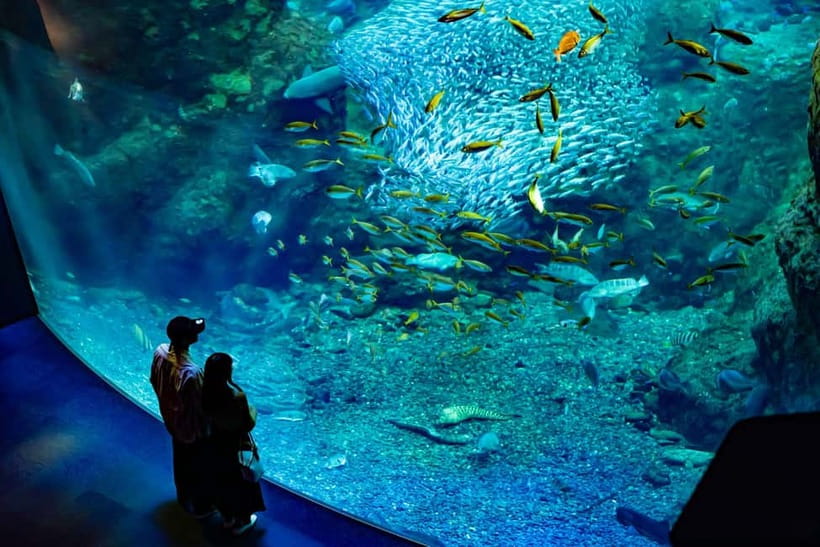
This is a straightforward admission ticket for Enoshima Aquarium on Honshu. The visit is valid for 1 day, and you’ll use it for entry based on the day and starting time availability shown during booking.
For $18 per person, you’re paying for more than a handful of tanks. The aquarium’s theme is built around Sagami Bay and the Pacific Ocean—plus how ocean life is connected to what’s around it. That theme shows up in the way the exhibits are organized: you start grounded in local waters, then head toward deeper-sea environments and the animals that live there.
If you’re the type of traveler who likes learning without it feeling like homework, this fits well. The aquarium includes explanations, shows, and programs that make the information more hands-on.
Getting there: walk times from Enoshima-area stations
The aquarium is easy to reach on foot. From Katase Enoshima Station (Odakyu Enoshima Line), it’s about a 3-minute walk. From Enoshima Station (Enoshima Dentetsu Line) and Shonan Enoshima Station (Shonan Monorail Line), plan roughly 10 minutes on foot.
That matters because aquariums are perfect “no-stress” activities. You don’t want a long commute eating up the best hours. With these short walks, you can slot the aquarium into a day that includes island stroll time, nearby food, or a train-based itinerary.
Opening hours that change by season (and why you should care)
Hours vary by time of year:
- March–November: 09:00–17:00
- December–February: 10:00–17:00
Keep one thing in mind: hours can shift around spring holidays, summer holidays, year-end/New Year holidays, and events. So don’t assume your visit will match a standard schedule if you’re traveling during a peak holiday window.
Practical move: aim to arrive earlier in the day. Even when everything runs normally, you’ll want time to linger over the jellyfish and deep-sea themed sections instead of rushing at the end.
Inside the aquarium: the route from Sagami Bay to deep sea
When you enter, the aquarium starts with exhibits focused on Sagami Bay. This is a smart beginning because it gives you a baseline—what “local” looks like before you jump into the darker, weirder ocean zones.
After that, the route flows into the deep-sea area and then toward jellyfish and other marine animals. Even if you don’t study every sign, the movement between themes helps you understand the big idea: ocean life isn’t separate pieces. It’s one system.
As you go, watch for how the aquarium connects animals to the wider ocean environment. The emphasis is on the interconnectedness of life in the Pacific Ocean—so the experience feels like “how it all links,” not just “look at this fish.”
Jellyfish and deep-sea exhibits: how to see them well
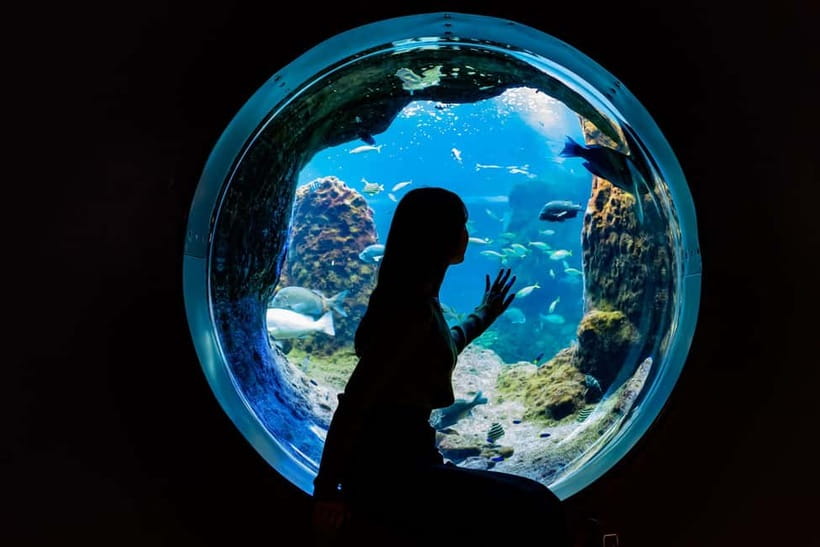
Jellyfish and deep-sea creatures are called out as major highlights, and that makes sense. These animals tend to work best in aquariums that slow you down and let you watch quietly for a minute.
To get more out of the jellyfish sections, I suggest doing them without your phone camera first. Look with your eyes first. Then take photos only if allowed (flash restrictions apply in some areas). With jellyfish, the movement is often the real show.
For deep-sea exhibits, go in expecting a mood shift. These sections usually feel darker and more focused, which makes it easier to pick out shapes and behaviors. If you’re traveling with kids, this is where you can switch from “reading” to “spotting”—having them track what’s moving rather than what words say.
Learning with shows, explanations, and creature-focused programs
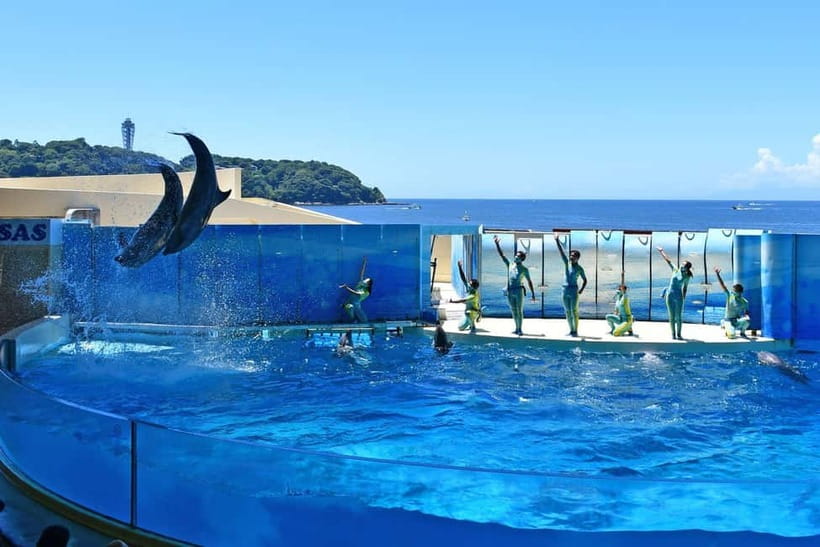
A big part of the experience is education that’s made playful. The aquarium offers explanations, shows, and programs, with opportunities that let you interact with marine creatures.
What you can take from this as a traveler is simple: don’t just walk straight through. Build in time for any scheduled activities you see posted inside. If you skip them, you lose a chunk of why this aquarium ticket feels “worth it,” especially if you’re visiting as a family.
The aquarium also uses emotional framing—encouraging visitors to find surprise and excitement, plus healing. That might sound like marketing, but in practice it shows up as a design choice: the aquarium pacing gives you small moments to reset and just watch.
Seasonal exhibits and temporary events: plan around the calendar
The aquarium runs seasonal exhibits and temporary events. This is one of the reasons you can’t just treat an aquarium visit as a fixed checklist.
If you’re booking for a specific trip date, you might get something extra beyond the core themes of Sagami Bay, the deep sea, and jellyfish. If you’re flexible, consider timing so you hit a period when temporary exhibits are active—those add variety without requiring extra transportation or extra tickets.
Also, temporary events can affect crowd levels and sometimes even visitor flow. That’s not a dealbreaker, but it’s another reason to arrive earlier rather than right at closing time.
Practical tips: lockers, luggage rules, and photo limits
Aquarium days are easy until you hit one annoying snag—bags. Here’s what to plan for:
- No large/long luggage inside
- Coin lockers are available on the 2nd floor (paid)
So if you’re traveling light, you’re fine. If you’ve got a bigger bag, use lockers early so you’re not hunting around while exhibits already start pulling you forward.
Photography rules:
- Flash photography is prohibited in some exhibit areas
- During busy times, the use of tripods and selfie sticks may be restricted
My advice: keep your gear minimal. A small camera bag is easier than wrestling with straps and rules. If you must bring a tripod, plan to leave it behind unless staff indicate it’s okay.
When your visit might end earlier than planned
One caution comes from the reality of event days. On some occasions, the aquarium may close early for a private event, and that can cut into your ability to see every section you planned.
You can’t control that. But you can reduce the risk:
- Arrive early enough to complete the main Sagami Bay → deep-sea → jellyfish route without panic
- Keep an eye on any same-day notices at the entrance
- Don’t treat the visit as something you can only do at the last hour
It’s the kind of snag that doesn’t happen often, but it can happen. And it’s the only thing that truly changes how stressful the day feels.
Price and value: is $18 a fair deal?
At $18 per person, this ticket sits in a typical “pay for a full afternoon” category. The value comes from three things.
First, the aquarium is themed and structured, so you’re not just buying admission—you’re buying a learning route that covers Sagami Bay, the deep sea, jellyfish, and more marine animals. Second, the ticket includes explanations, shows, and programs aimed at making learning interactive. That boosts value for families and first-timers who want more than static displays.
Third, seasonal and temporary exhibits mean you might get a fresher experience depending on when you visit. So the same ticket can feel different across the year.
If you’re someone who wants only the most spectacular animals and nothing else, you may still enjoy it, but you’ll get more satisfaction if you slow down and let the themes connect.
Who this aquarium ticket fits best
This is a great pick if you:
- Want a 1-day activity that’s easy to slot into a day in Japan
- Like marine life and want a themed path, not random wandering
- Enjoy interactive learning with shows and programs
- Visit seasonally and want the chance of temporary exhibits
It’s also a good option if you’re traveling with kids. The jellyfish and deep-sea sections are naturally visual, and the aquarium’s “surprise and excitement” approach helps keep attention.
If your travel style is very “fast and skip everything that might involve rules,” you may find yourself annoyed by photo restrictions and luggage limits. In that case, go anyway—just pack smart.
Should you book this Enoshima Aquarium ticket?
I’d book it if you want a focused, story-driven aquarium visit with Sagami Bay and Pacific Ocean themes, plus the chance of seasonal extras. The ticket price feels fair because the aquarium isn’t only about seeing animals—it’s also about learning how the ocean system connects.
I’d think twice only if your schedule is ultra-tight or you hate any possibility of shortened hours. In that case, come earlier and keep your day flexible.
If you can plan for that one caution and you’re open to a route that blends animals with explanations, this is a strong day-activity choice.
FAQ
Where is Enoshima Aquarium, and how far is it from stations?
It’s about a 3-minute walk from Katase Enoshima Station (Odakyu Enoshima Line). It’s about a 10-minute walk from Enoshima Station (Enoshima Dentetsu Line) and about a 10-minute walk from Shonan Enoshima Station (Shonan Monorail Line).
What are the opening hours?
March–November: 09:00–17:00. December–February: 10:00–17:00. Hours can change around holidays and events, so check closer to your visit.
How much does the admission ticket cost?
The price is listed as $18 per person.
How long is the ticket valid?
The admission is valid for 1 day. Availability and starting times depend on what’s offered for your chosen date.
Are there rules about luggage and storage?
Large or long luggage isn’t allowed inside. Coin lockers are available on the 2nd floor (paid), so use them if you need to store items.
Are there restrictions on photos or equipment?
Flash photography is prohibited in some exhibit areas. During busy times, the use of tripods and selfie sticks may be restricted.