REVIEW · LYON
Lyon: Aquarium Entrance Ticket
Book on GetYourGuide →Operated by Aquarium de Lyon · Bookable on GetYourGuide
A day at Lyon Aquarium feels like a mini world tour. You get six exhibitions that map aquatic life across climates, then finish with the Ocean 360 projection room. It’s a solid choice if you want animals plus explanations that don’t take forever.
What I like most is the clear “world by world” layout. You can hop between temperate freshwater fish in Europe, tropical species from different continents, and the reef life people usually only see in magazines.
One watch-out: it’s an indoor visit, and it can get busy. If you prefer quiet viewing, plan for slower pacing and take breaks in the snack and cinema areas.
In This Review
- Key Points
- Aquarium Entry: What the Lyon Ticket Lets You Do
- Price and Value at About $23
- Your Route Through Six World-Style Exhibits
- La Confluence: Temperate Freshwater, European Feel
- La Balade Tropicale: Tropical Species From Multiple Regions
- The World’s Reefs: Color, Moray Eels, Clownfish
- Marine Curiosities: Rare, Dangerous, and Friendly Sharks
- Marine Lights: Ecosystems Shaped by Light
- Ocean 360: The Projection Room for Ocean Depth
- How the 30 Video Screens Make the Visit Worth Slowing Down
- Cinema, Snack Bar, and the Good Rhythm of a Full Day
- Crowd Reality: How to Enjoy It Without Rushing
- Who Should Buy This Ticket
- Should You Book the Lyon Aquarium Entrance Ticket?
- FAQ
- How long is the Lyon Aquarium entrance ticket valid for?
- How much does the Lyon Aquarium ticket cost?
- How many aquatic species can you expect to see?
- What exhibitions are included in the ticket?
- Are English guides available?
- Is there a cinema or film during the visit?
- Is the aquarium wheelchair accessible?
- Do I need cash to visit?
Key Points
- 6 globe-themed exhibitions keep the visit easy to follow instead of one long maze
- Ocean 360 uses wall-and-floor projections so you feel surrounded by ocean depth
- 30 video screens add context on feeding, reproduction, and geography as you go
- Short films run through the day, giving you built-in downtime without leaving the aquarium
- Snack bar + souvenir shop let you handle the full day flow without extra stops
Aquarium Entry: What the Lyon Ticket Lets You Do
This ticket is built for a full day inside the Aquarium de Lyon, not a rushed pass. At its core, the visit is all about learning and seeing: 310 species across different aquatic ecosystems. That number matters less than the variety behind it. You’ll move through habitats that feel different—temperature, lighting, and “who lives together” all change from room to room.
You won’t just stare at tanks. There are 30 video screens positioned to explain what you’re seeing—things like feeding habits, reproduction, and where the animals come from geographically. That’s the difference between a generic “look at fish” outing and a visit that actually sticks in your head.
If you want extra support, guides in French and English are available at reception for 4 euros. The language info is useful here: the aquarium itself is French-language oriented, but you can add English support without going on a separate tour.
Price and Value at About $23
At about $23 per person, this is priced like a serious attraction, not a quick stop. The value comes from the structure: you’re not paying just for one big tank. You’re paying for multiple themed exhibits, video explanations, and additional programming (short films), all in one ticket.
A practical way to think about the cost: if you’re the type who enjoys “read-and-watch” learning while you walk, the ticket becomes more worthwhile. If you mainly want nonstop animal viewing with minimal signage, you might feel the explanations take time—though you can always speed up and treat the screens as optional extras.
Also factor in the small add-ons that can improve your visit:
- Guides at reception (4 euros) if you want English support
- A snack break so you’re not spending energy hunting food outside
Your Route Through Six World-Style Exhibits
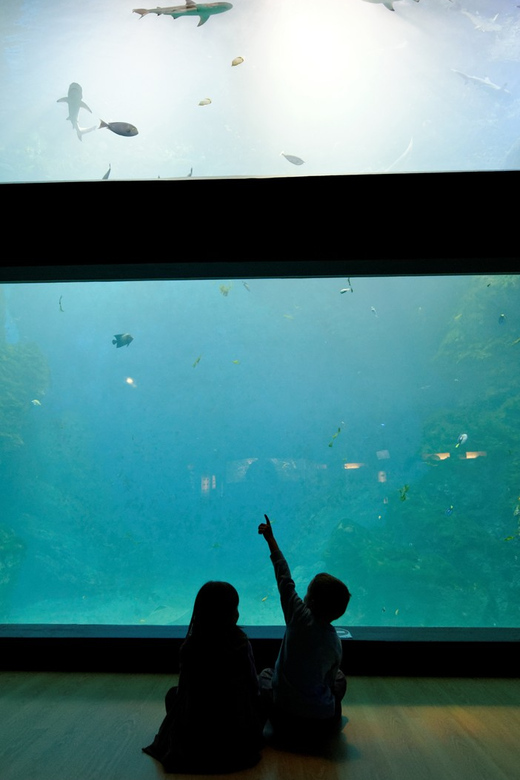
You’ll see the aquarium in six themed sections, each focused on a type of ecosystem and animal mix. That design helps because you don’t have to guess what you’re looking at. Each area gives the “why” and “how” behind the fish and other sea creatures.
La Confluence: Temperate Freshwater, European Feel
La Confluence focuses on temperate freshwater fish from Europe. This is a smart starting point if you like contrasts. Many aquariums emphasize tropical colors first, which can make temperate species feel like an afterthought. Here, the museum-led story helps you understand that freshwater biodiversity is its own world.
If you’re traveling with kids or people who get bored easily, this section can work well because it’s more grounded: less “wow, it’s another reef,” more “this is real water-life you’d recognize.”
La Balade Tropicale: Tropical Species From Multiple Regions
Next is La Balade Tropicale, with tropical species drawn from America, Asia, and Africa. It’s not just one tropical theme—it’s a mix, which makes it easier to notice differences in behavior and appearance. Even if you don’t memorize scientific names, you’ll start recognizing patterns: body shape, camouflage, schooling behavior, and how different habitats influence what you see.
This is also where your brain benefits from the video screens. When you understand feeding or reproduction, the animals stop looking random and start looking purposeful.
The World’s Reefs: Color, Moray Eels, Clownfish
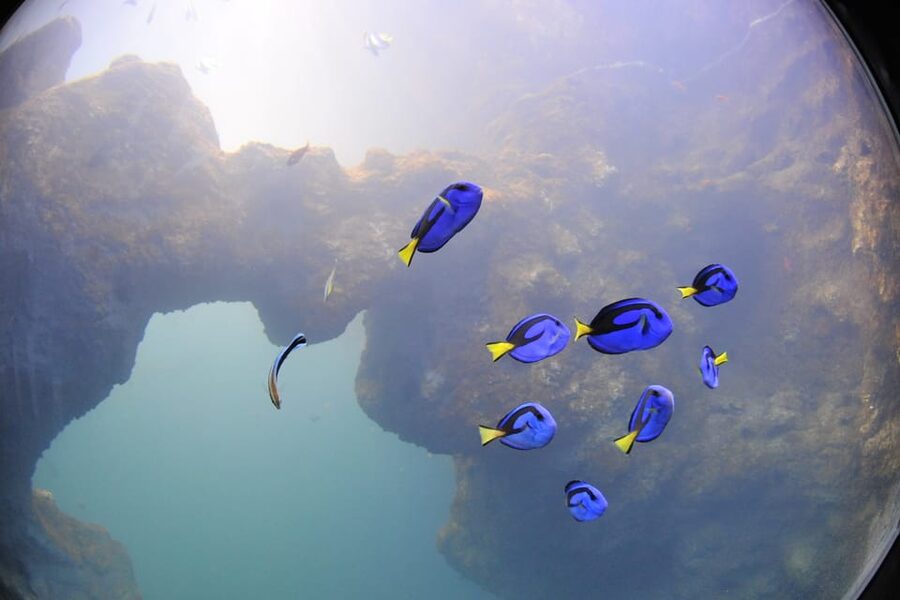
The World’s Reefs is where the classic reef look shows up: bright colors, and more dramatic characters like moray eels and clownfish. This is a high-interest stop for a reason. Reef tanks tend to have the most noticeable movement—hunting, hiding, and darting around.
One practical note: reef areas can attract the most attention, which can mean more time spent waiting for a clear view. If that bothers you, shift your pace—spend longer at the less crowded exhibits first, then come back to reef life when the flow eases.
Marine Curiosities: Rare, Dangerous, and Friendly Sharks
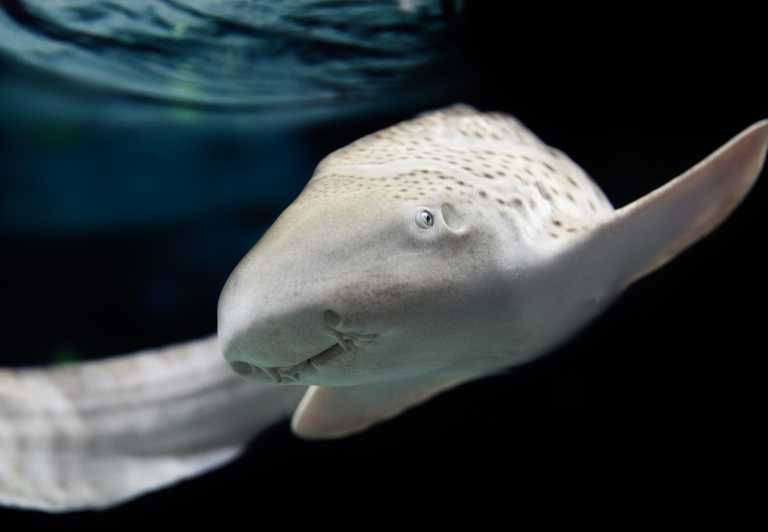
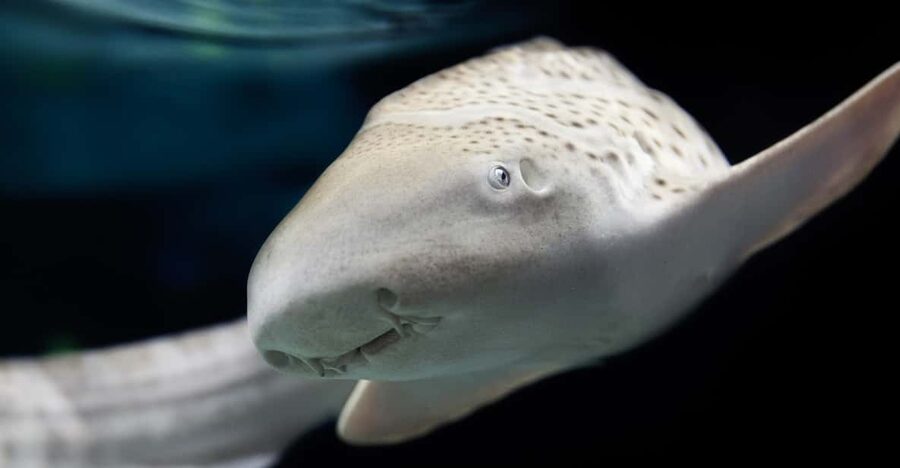
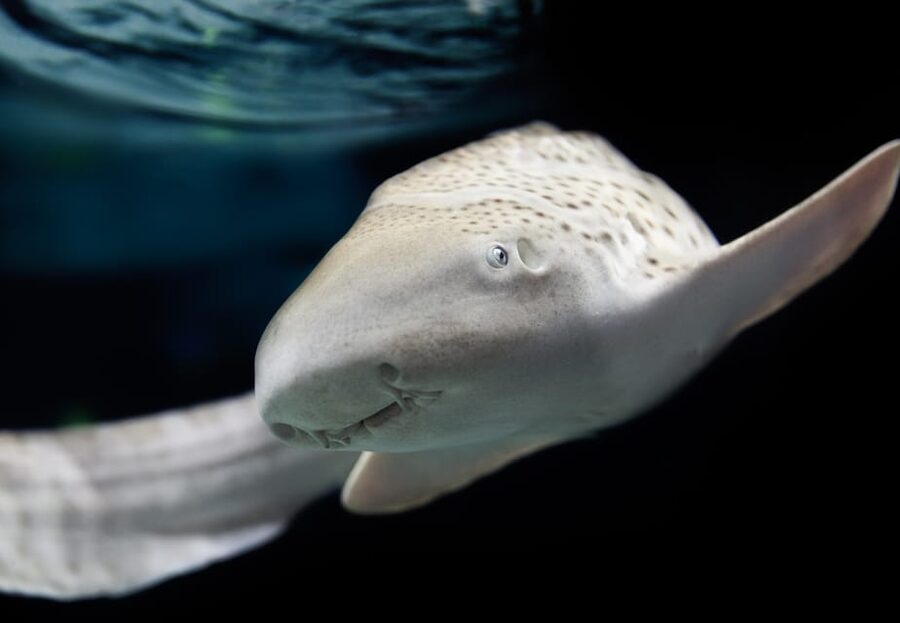
Marine curiosities brings out the “science and variety” side of the aquarium. You’ll see dangerous and rare fish alongside friendly sharks. The name might sound like a catch-all, but the details are specific: the aquarium highlights species including the Port Jackson shark and the octopus.
This is a great section if you like your aquarium with a little edge. It’s also a good reminder that being “dangerous” doesn’t mean the tank is chaotic. It’s more about learning what makes certain species unique.
Marine Lights: Ecosystems Shaped by Light
Marine Lights is designed around one of the most important ocean realities: light changes everything. The idea here is that you’re not just looking at animals; you’re looking at how ecosystems adapt to brightness, shadows, and depth.
Even without technical explanations in your head, you’ll feel the difference between how animals behave in brighter versus dimmer spaces. If you like photography, this exhibit also tends to be more visually dramatic because lighting is part of the show.
Ocean 360: The Projection Room for Ocean Depth
This is the headline feature: Ocean 360, described as a brand new immersive room using wall and floor projections to explore ocean depths. Translation: instead of only standing beside tanks, you get a “you are inside the ocean” style moment.
Why it’s valuable is simple. It gives your eyes a break from glass and wires. It also helps connect the different exhibits you saw earlier—temperate, tropical, reefs—into one big idea: ocean life is shaped by depth and environment.
If you’re deciding whether to buy this ticket or another aquarium, this room is a big reason why. Many aquariums have tanks; fewer add a major projection experience built into the same visit.
How the 30 Video Screens Make the Visit Worth Slowing Down
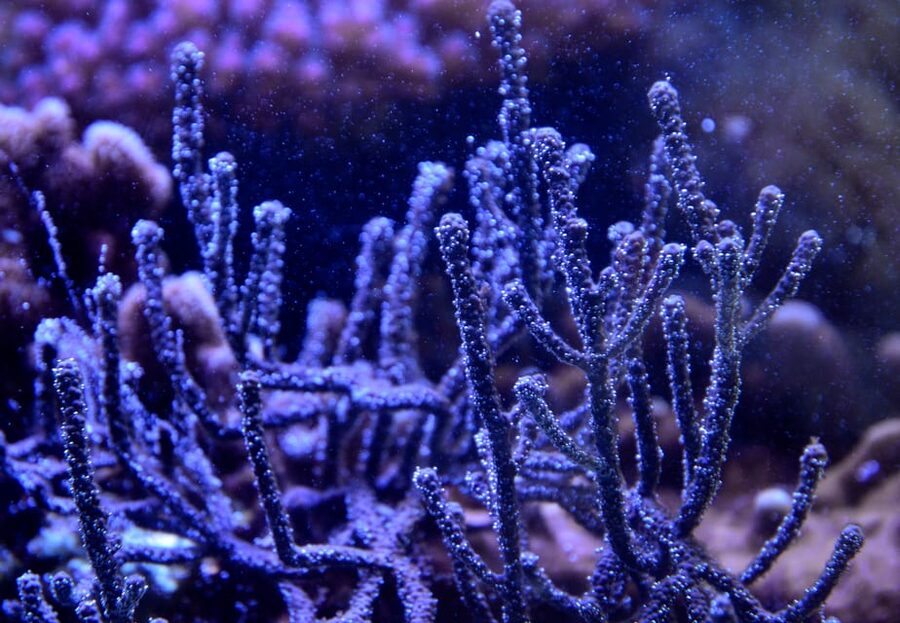
The 30 video screens are where your trip gets smarter without requiring a guided tour. The topics listed—feeding, reproduction, and geography—cover the three things people usually notice but don’t understand.
- Feeding screens help you predict movement and why animals hang out in certain spots.
- Reproduction info turns strange behaviors into clues instead of mystery.
- Geography makes the ecosystems feel less random and more connected to climate and habitat.
My practical advice: don’t try to read everything. Pick a few screens that match what you’re most curious about. Then move on. That keeps the visit from turning into a homework assignment.
If you do opt for a guide at reception, this is also where having someone explain in French or English can be most useful—because you can ask follow-up questions in the moment.
Cinema, Snack Bar, and the Good Rhythm of a Full Day
After you’ve walked through the main exhibits, the visit builds in two “reset” points: food and film.
The snack bar is described as offering a gourmet break. I like this kind of setup because it keeps your energy steady. If you’re traveling with kids or you’re planning to see several rooms back-to-back, a real rest stop is not a luxury—it’s what prevents the whole day from feeling like one long shuffle.
Then there’s the cinema with short films and documentaries shown throughout the day. This is smart programming. It gives you a chance to sit down in air-conditioned comfort (big plus in any season) and re-focus when you head back out.
Finally, you end where many people like to browse: the souvenir shop at the exit. It’s a nice final step if you want a small keepsake for a friend or for the family unit that walked the aquarium with you.
Crowd Reality: How to Enjoy It Without Rushing
One of the strongest pieces of advice I can give is pacing. Even when the aquarium is busy, you still have control over your experience. You can choose to linger where you feel curious and move quickly through sections that are less interesting to you.
A simple strategy:
- Start with the sections you care about most
- Plan your slow moments for the exhibits with the most visual variety
- Use the cinema and snack areas as natural breaks
This matters because the aquarium includes a lot of information, and when you’re tired, your brain filters out the good stuff. If you keep energy up, the video screens and film programming start to feel like part of the attraction instead of background noise.
Who Should Buy This Ticket
This is a good fit if you want a day that mixes animal viewing with short lessons. You’ll probably enjoy it most if:
- You like learning while you walk
- You’re bringing kids who need variety (different exhibits reduce boredom)
- You want a standout experience beyond tank-only viewing, especially with Ocean 360
It’s also a solid option if you’re traveling as a couple. One person can go deep on the details from the screens, while the other can focus on the animal characters like sharks and octopus.
Should You Book the Lyon Aquarium Entrance Ticket?
Book it if you want value for a full day and a mix of exhibits, film, and the Ocean 360 projection room. At around $23, the ticket feels fair because you’re getting more than one tank experience, plus explanation screens and indoor programming.
Skip or reconsider if you know you’ll feel annoyed by reading and screen-based interpretation. If you only want fast, purely visual viewing, you might end up skimming through parts of the exhibit flow.
FAQ
How long is the Lyon Aquarium entrance ticket valid for?
It’s valid for 1 day. You can check availability to see starting times.
How much does the Lyon Aquarium ticket cost?
The price is listed at about $23 per person.
How many aquatic species can you expect to see?
The aquarium describes seeing 310 species of aquatic life.
What exhibitions are included in the ticket?
The listed exhibitions include La Confluence, La Balade Tropicale, The World’s Reefs, Marine curiosities, Marine Lights, and Ocean 360.
Are English guides available?
Guides in French and English are available at reception for 4 euros.
Is there a cinema or film during the visit?
Yes. Short films and documentaries are shown in the cinema throughout the day.
Is the aquarium wheelchair accessible?
The activity is listed as wheelchair accessible.
Do I need cash to visit?
The additional information says to bring cash.