REVIEW · DETROIT
SEA LIFE Michigan Aquarium Admission Ticket
Book on Viator →Operated by SEA LIFE Aquarium Michigan · Bookable on Viator
Sharks overhead and a seahorse with babies. It’s an easy family stop that turns a mall day into serious undersea time, with 10+ themed exhibits and daily feedings sprinkled throughout.
I especially like the way the tanks are staged for close viewing, from an underwater tunnel where sharks swim over your head to hands-on moments like the touch pool. I also like the built-in rhythm of the day—educational talks and feeding sessions keep you from doing the usual awkward walk-and-guess routine.
One caution: it’s not a huge aquarium. If you’re expecting a long, multi-hour “wow” for older kids or adults, you might feel a bit rushed through the exhibits.
In This Review
- Key things to know before you go
- Great Lakes Crossing makes this aquarium easy (and a little sneaky)
- SEA LIFE Michigan Aquarium: what you’ll actually see in 90 minutes
- The tunnel moment: sharks over your head
- Cownose rays: synchronized feeding action
- Seahorses with babies: a quick emotional win
- Coral reefs and ocean zones: Pacific and Indian highlights
- A “deep sea” big hitter: giant Pacific octopus
- Jellyfish and tide-zone tanks
- Shore and coastal creatures: the small stuff is the point
- Touch pool: when hands beat reading
- Daily feedings and education talks keep the story going
- Stop 1: Great Lakes Crossing Outlets makes your timing flexible
- Stop 3 option: LEGO indoor time turns a short aquarium into a full day
- The catch: adults can’t enter LEGOLAND without a child
- Price and value: $19 is a bargain, but expectations still matter
- Crowds and pacing: how to avoid the bottleneck problem
- Who should book SEA LIFE Michigan Aquarium?
- Final decision: should you book it?
- FAQ
- How much is the SEA LIFE Michigan Aquarium admission ticket?
- Where is SEA LIFE Michigan Aquarium located?
- How long does the aquarium visit take?
- Is the ticket mobile?
- Does the ticket include LEGOLAND Discovery Center?
- Can adults enter LEGOLAND Discovery Center without a child?
- Are shark and ray feedings included?
- Can I cancel my booking for a refund?
- Is the aquarium suitable for families?
- Are service animals allowed?
Key things to know before you go

- 2,000+ sea creatures make it feel full, even when the building itself is on the smaller side
- Shark and ray feedings happen daily, so plan your route around show times
- An underwater tunnel with panoramic shark views is the big photo moment
- Touch pool experiences are a standout for kids who want to do more than look
- Add LEGOLAND Discovery Center if you want a longer indoor day
- Prebooking is smart for a popular stop in Great Lakes Crossing Outlets
Great Lakes Crossing makes this aquarium easy (and a little sneaky)

SEA LIFE Michigan Aquarium sits inside Great Lakes Crossing Outlets in Auburn Hills, north of Detroit. That location matters more than you’d think. You’re not committing to an isolated attraction that eats your whole day. You can park, grab snacks, browse shops, then step into a focused undersea visit.
This is also the kind of plan that works when kids need a “we’re doing something fun” day, but you still want adults to have an off-ramp for breaks. The aquarium gives you that off-ramp in the form of interactive exhibits, short education moments, and frequent animal activity like feeding sessions.
The other big reason I like this setup: it’s simple to scale. If you only want the aquarium, your time commitment is about 1 hour 30 minutes (approx.). If you want more, you can tack on LEGOLAND Discovery Center and turn it into a longer indoor block.
SEA LIFE Michigan Aquarium: what you’ll actually see in 90 minutes
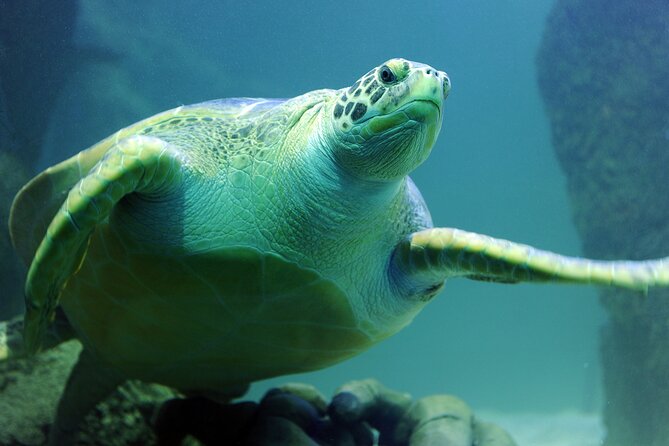
The aquarium experience is built as a walk-through of themed zones. Expect 10+ underwater-style displays that move from “the ocean floor is right here” to “from the tropics to the deep sea.” As you move along, you’ll see animals grouped by habitat and behavior—so it feels less random than some small aquariums.
The tunnel moment: sharks over your head
One of the highlights is the underwater tunnel with panoramic views of reef sharks swimming above. This is where the place earns its reputation. Even if you’re not the type who reads every sign (fair), the tunnel layout makes it hard not to look up.
If you’re traveling with a kid who’s shark-obsessed, this is the part that usually turns a normal visit into a memorable one. It’s also a good spot to slow down your pacing. Take a few minutes here and you’ll feel like you “did” the aquarium, even if you’re moving briskly the rest of the way.
Cownose rays: synchronized feeding action
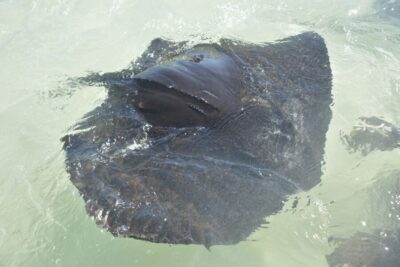
Another featured stop is the cownose ray feeding, where the rays move in a coordinated way as they feed on schools of fish. It’s not just a feeding for the sake of feeding. The setup is timed so you can watch the animals’ behavior change as the food hits the water.
This is one of those moments where the aquarium beats a static poster. You can see why the animals act as they do, and that’s where the education talks start to feel useful rather than background noise.
Seahorses with babies: a quick emotional win
You’ll also get a chance to look for a male seahorse carrying babies in his pouch. It’s one of the clearer “nature fact” moments in the building: sex-role reversal, live birth details, and a very visible “how it works” view.
For kids, seahorses often land as the surprise favorite—especially because they don’t look like a typical “big scary fish.” For adults, it’s a neat moment to learn something you likely didn’t know before without needing a lot of reading.
Coral reefs and ocean zones: Pacific and Indian highlights
The aquarium description points out coral reef displays from Indian and Pacific Ocean regions. You’ll also see animals associated with those habitats, including tropical reef sharks and other species positioned to match the ocean mood they’re going for.
Even if you mostly look at animals and not the signage, the habitat theme helps. It gives you a sense of where these animals come from and why they’re shown together.
A “deep sea” big hitter: giant Pacific octopus
One of the featured animals is a giant Pacific octopus described as the largest in the world. Octopus displays tend to be the kind of exhibit people hover around—so if you’re trying to keep a kid from getting impatient, you’ll want to watch how long the line or crowd holds there.
In a smaller aquarium, crowding can happen fast. If you notice a bottleneck at the octopus, give yourself permission to pass through once, then circle back later when traffic shifts.
Jellyfish and tide-zone tanks
You’ll see jellyfish drifting in tanks mimicking ocean tides. The goal here is to show natural motion and environment cues. Jellyfish often look calm, but the tank design helps you see how the movement relates to water flow and light.
This exhibit is also a nice mental reset if your group has been focused on the “big” animals like sharks and rays. Different kind of wow.
Shore and coastal creatures: the small stuff is the point
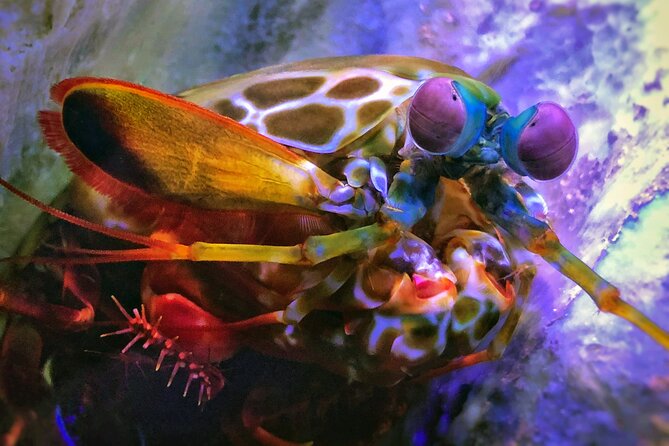
SEA LIFE also includes shore and tide area creatures such as sea anemones, sea urchins, and horseshoe crabs. This section helps you understand that “ocean life” isn’t only about big fish swimming around a tunnel.
These are great for kids who like textures and patterns, and for adults who enjoy the science-y details. Also, these animals are often easier to view than the constant-motion ones, so they can be a morale booster mid-walk.
Touch pool: when hands beat reading
Based on visitor comments, the touch pool is a high-energy stop. It’s exactly what it sounds like: an opportunity to touch certain sea creatures. For families, it’s usually the part that turns a “nice aquarium” into a “we have to do that again.”
If you’ve got a toddler or a younger child, this is also where you’ll feel the difference between a kid who likes looking and a kid who needs involvement.
Daily feedings and education talks keep the story going
Across the day, the aquarium runs educational talks and feeding sessions—including shark and ray feeding. This matters for value. You’re not just paying for entry to a room full of tanks. You’re paying for a timed program where activity happens multiple times.
Practical tip: if you care most about feedings (smart), show up early enough to catch at least one session. If you only catch the late-day session, you may miss the best live action for your group’s attention span.
Stop 1: Great Lakes Crossing Outlets makes your timing flexible
Before you even reach the aquarium, your plan starts to get easier. Great Lakes Crossing Outlets means free parking options and a built-in place to grab a bite, use the restroom, and recharge before you head inside.
This is a big deal because aquariums can be deceptively tiring for kids. Staring at exhibits is fun, but it still requires patience and time on your feet. Having nearby shops and food helps you keep the day from feeling stressful.
If you’re traveling with multiple kids and adults, the mall layout makes it easier to split up briefly without losing the whole day. You can also grab snacks right before entry to avoid the classic “someone needs popcorn, now” moment.
Stop 3 option: LEGO indoor time turns a short aquarium into a full day
SEA LIFE Michigan is about 1 hour 30 minutes (approx.), which can feel perfect—or too short—depending on who you’re traveling with. That’s where LEGOLAND Discovery Center Michigan comes in as a natural add-on.
It’s an indoor LEGO playground with building activities, interactive rides, and workshops. Since it’s indoors, it’s a solid plan even if weather is rough.
The catch: adults can’t enter LEGOLAND without a child
There’s an important rule: adults cannot enter LEGOLAND Discovery Center without being accompanied by a child. So if you’re traveling as a couple and want a longer day, double-check the combo fit before you buy.
If you do qualify for entry, the LEGO center is a practical way to avoid the “we already did it” feeling when the aquarium is smaller than you expected.
Price and value: $19 is a bargain, but expectations still matter
The ticket price here is listed at $19.00 per person, and the experience runs around 1.5 hours. At that price, you’re getting a lot of animal variety for a short visit—especially because you’re not just looking at static displays. You’re also getting live feedings and talks throughout the day.
The tricky part is the “small aquarium” factor. Some people will be thrilled by how efficiently you can see the highlights. Others will feel it’s expensive if they’re expecting a long, big-city aquarium experience.
My practical advice: if you’re paying closer to the higher end you might see in other deals, build in a bonus plan—either LEGOLAND (if it fits your group) or a longer mall day before or after. That way, your total outing feels worth it, even if the aquarium itself doesn’t take half a day.
Crowds and pacing: how to avoid the bottleneck problem
This type of attraction can get crowded, especially around popular feeding times and when families are off school and running through “activities” back-to-back. In a smaller aquarium, crowds can form quickly at the exhibits people want most: the tunnel sharks, touch pool, and big animal displays.
Here’s how to keep the experience pleasant:
- Aim for one feeding/talk moment you care about, then let the rest be bonus. Trying to see every single thing can turn into stress.
- If your group includes little kids, don’t treat every exhibit like it requires a 10-minute line wait. Prioritize the ones with the most movement: feedings and animal behavior moments.
- If you want close views, take advantage of lulls. When a tank is packed, give it a minute. Circling is better than forcing it.
Also note: check-in and entry can take time when crowds build. If you like a relaxed flow, don’t schedule a tight connection right after your aquarium slot.
Who should book SEA LIFE Michigan Aquarium?
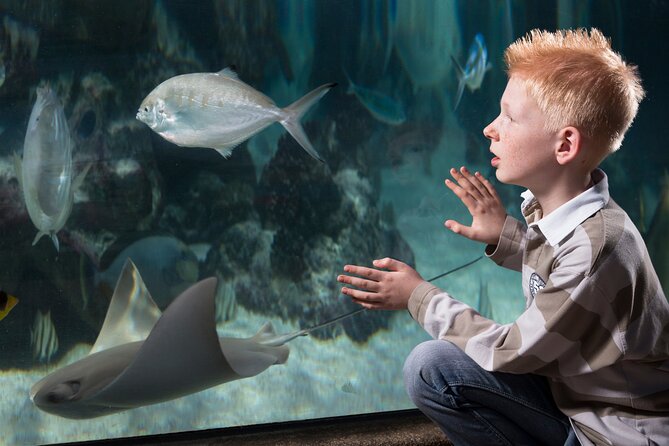
This is a strong pick if you’re traveling with families—especially kids who love animals but also love hands-on moments. The combination of shark tunnel viewing, ray feeding, touch pool time, and short education bits matches the attention span sweet spot for younger travelers and many middle-school kids.
It can be less satisfying if you’re mainly seeking a long, deep educational museum-style experience. For older kids and adults who want a bigger building and a slower crawl, the shorter walk-through can feel like you’re moving too fast.
The sweet spot: do the aquarium plus something else in the same day, and you’ll feel like you got your money’s worth and time.
Final decision: should you book it?
Yes—if you’re looking for an easy family-friendly aquarium day with daily animal feedings and a layout that makes it hard to miss the best moments. The $19 price point makes it especially reasonable.
Not for you—if your group includes older teens or adults who want a large, multi-hour aquarium with lots of quiet time and fewer crowd bottlenecks, unless you’re pairing it with LEGOLAND or another big plan.
FAQ
How much is the SEA LIFE Michigan Aquarium admission ticket?
The ticket price is listed at $19.00 per person.
Where is SEA LIFE Michigan Aquarium located?
It’s located in the Great Lakes Crossing Outlets area in Auburn Hills, Michigan, near Detroit.
How long does the aquarium visit take?
The experience is listed at about 1 hour 30 minutes (approx.).
Is the ticket mobile?
Yes, the admission ticket is a mobile ticket.
Does the ticket include LEGOLAND Discovery Center?
SEA LIFE admission is included. LEGOLAND Discovery Center Michigan is included only if you select the combo option.
Can adults enter LEGOLAND Discovery Center without a child?
No. Adults cannot enter LEGOLAND Discovery Center without being accompanied by a child.
Are shark and ray feedings included?
Yes. The experience description notes shark and ray feedings that take place daily.
Can I cancel my booking for a refund?
You can cancel for a full refund if you cancel up to 24 hours in advance of the experience start time. If you cancel less than 24 hours before, refunds aren’t available.
Is the aquarium suitable for families?
Yes. It’s presented as an ideal family destination, and it includes interactive exhibits and activities for kids.
Are service animals allowed?
Yes, service animals are allowed.
If you want, tell me your kids’ ages (or whether it’s adults-only), and what day/time you’re thinking. I’ll suggest a simple priority plan for feedings and exhibits so you don’t waste time waiting.