REVIEW · GINZA
Tokyo Art Aquarium Museum E-Ticket with optional Tokyo Metro Pass
Book on Viator →Operated by Royal Smart Tourism · Bookable on Viator
Tokyo’s goldfish museum is weirder than it sounds.
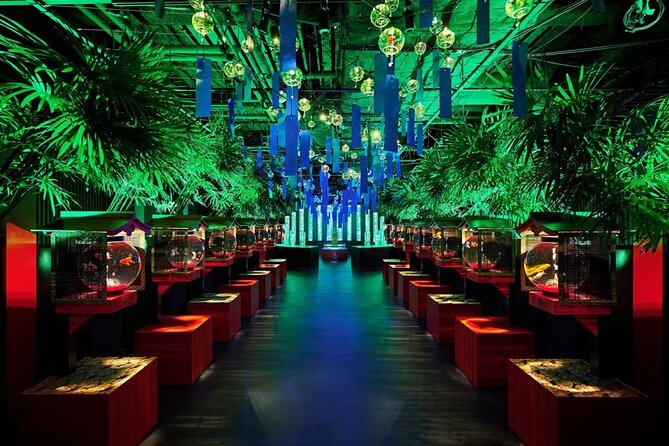
In Ginza Mitsukoshi, you’ll see goldfish displayed like gallery pieces, inside a modern art space that mixes light, sound, and fragrance with Japanese themes. It’s built on the long Japanese tradition of kingyo (ornamental goldfish), with Edo-era roots reaching back to 1603–1867.
I love the idea of a “museum” where the main subject is tiny, delicate, and completely photogenic. I also like that the experience is themed and intentional, with a second-chapter museum feeling and a focus on beautiful, curated tank displays rather than just a basic viewing route.
One consideration: the visit is time-slotted by your chosen date and time, and the experience requires good weather, so you’ll want a flexible mindset and a plan for rain.
In This Review
- Key highlights
- Why Ginza’s goldfish museum feels like an art show
- Price, ticket type, and timing you can plan around
- Step-by-step through Art Aquarium Museum GINZA
- The themed goldfish tanks: Hyakka Ryoran and Japanese seasonal beauty
- Smell, light, and sound: the modern-art tricks that matter
- When to go, and how to pair it with Ginza sightseeing
- Value check: is a $29 e-ticket worth it?
- Who should book this goldfish art ticket?
- Should you book this Art Aquarium Museum E-ticket?
- FAQ
- FAQ
- What’s included in the Tokyo Art Aquarium Museum e-ticket?
- How long should I plan to spend at the museum?
- Do I need to bring an ID to enter?
- Do I need to print the e-ticket?
- Can I bring outside food or luggage?
- What happens if I cancel, or if it’s canceled due to weather?
Key highlights
- Ginza Mitsukoshi location near Tokyo Station and the Imperial Palace Plaza, easy to stack with other sights
- Admission included with your e-ticket for Art Aquarium Museum GINZA
- Modern art presentation using light, sound, and fragrance alongside traditional themes
- Hyakka Ryoran theme with a goldfish art concept tied to Japanese seasonal beauty
- Photo ID required at the entrance (bring your passport or ID)
- About 1–2 hours for a focused indoor activity in central Tokyo
Why Ginza’s goldfish museum feels like an art show
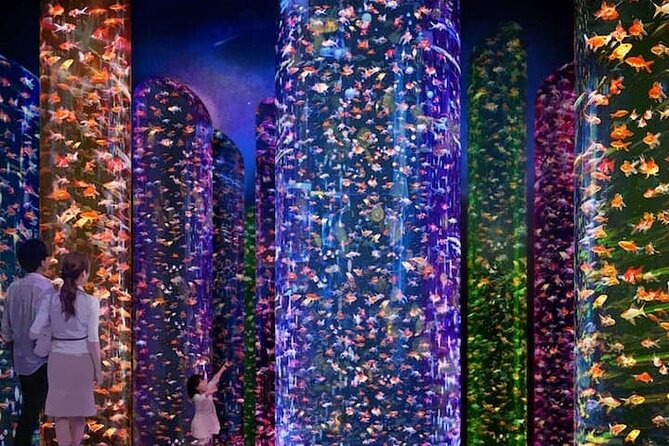
If you’re picturing a standard aquarium, this is your quick reality check. Art Aquarium Museum GINZA treats kingyo like they’re the stars of an art exhibition. The setting matters: it’s in Ginza Mitsukoshi, a department store complex in the heart of Tokyo, so you’re stepping into a curated “gallery world” without leaving the city’s main sightseeing zone.
The museum also leans into Japan’s long relationship with goldfish. Ornamental goldfish appreciation traces back to the Edo period (1603–1867). That historical link isn’t just trivia on a wall. The themes and atmosphere are designed to make the old tradition feel present, then expressed through a modern show approach.
And yes, it’s a little funny that the centerpiece is a humble goldfish. But that’s exactly why it works. When you pay attention to the details—shapes, colors, container styles, and the way scenes are built—it turns into something surprisingly relaxing. The best moments are the ones where you stop thinking like a tourist and just watch what’s in front of you.
Price, ticket type, and timing you can plan around
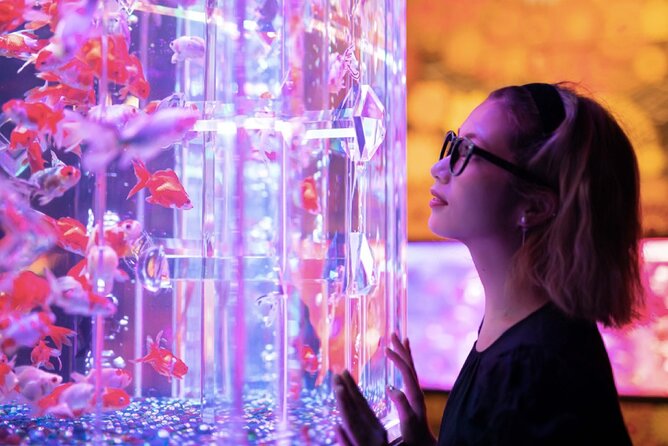
This e-ticket experience is priced at $29.00 per person, and your admission ticket is included. That matters for value. You’re not paying extra for the privilege of entry. You’re paying for the museum time itself, which typically runs about 1 to 2 hours.
You also have an optional Tokyo Metro Pass bundle. If your Tokyo sightseeing plan mostly depends on Tokyo Metro lines, it can help you avoid the fuss of buying multiple tickets. If not, you might be better off skipping it. The key is to check your own route plan first, because this museum is in Ginza, where trains can be a mix depending on where you start.
Logistically, your ticket is handled digitally. You’ll receive an e-ticket by email one day before your date. You do not need to print anything; you can show it on your smartphone.
Two practical rules to remember:
- You must bring a valid photo ID/passport because identity proof is required at the entrance.
- No outside food or luggage is allowed.
Finally, plan for the unusual line that comes with any timed experience: it requires good weather. If it’s canceled due to poor weather, you’ll be offered a different date or a full refund. Indoor fun is still fun, but this is one of those “check the day” situations.
Step-by-step through Art Aquarium Museum GINZA
Your visit centers on one main stop: Art Aquarium at the museum in Ginza Mitsukoshi. Think of it as a walkthrough of themed spaces that focus your eyes on goldfish, but in an art-gallery format.
Here’s how to pace it so you actually enjoy it rather than just “passing through”:
- Arrive and get your bearings fast. Since your ticket is tied to a chosen date and time, don’t wander for long right at the entry area.
- Start by slowing down your viewing. The tanks are set up as scenes. If you rush, you’ll only notice fish. If you slow down, you’ll notice how the display concept changes from one area to the next.
- Plan for a photo-friendly route. Even if you don’t take many pictures, you’ll likely want to stop more than once. The design is built for looking, not just counting tanks.
- Finish with the themed highlights. The museum’s presentation aims for moments that feel like a crafted artwork rather than a storage room of aquariums.
The duration estimate of 1–2 hours is realistic. If you’re the type who reads every label and watches each tank closely, you’ll land closer to 1.5–2 hours. If you’re more “quick scan, then enjoy,” you can usually do it in about an hour. Either way, it’s a solid, self-contained indoor plan.
The themed goldfish tanks: Hyakka Ryoran and Japanese seasonal beauty
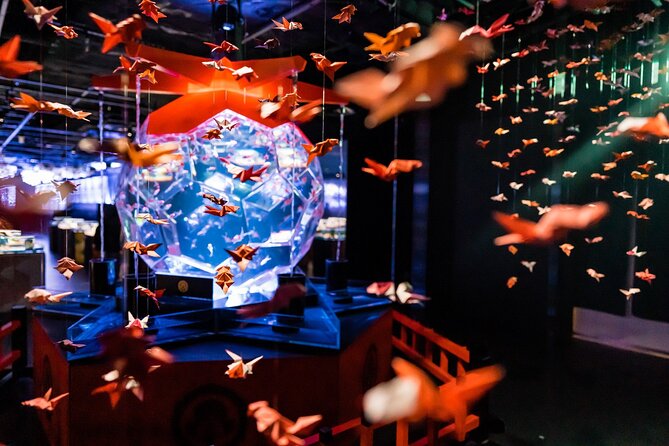
The concept behind this museum is built around Japanese taste—especially the idea that beauty can be seen in small, careful forms. The museum describes its show as a fantasy world of Japanese traditional beauty with themes of flowers blooming. That’s where the vibe lands: you’re not just looking at fish; you’re looking at a crafted atmosphere meant to recall seasonal appreciation.
A specific highlight is the museum’s theme: Hyakka Ryoran ~evolving art~. The name itself signals movement, not static displays. That matters because the museum is presented as a second chapter, not a one-time exhibit. It helps explain why the overall presentation feels like a living art project rather than a fixed set of decorations.
You’ll also see the museum’s long-running background referenced through its history of limited-time exhibitions held in various places domestically and internationally, along with the “about 15 years” of art-aquarium development. In practical terms, that history shows up in the care of the scenes: the displays feel thought through, not slapped together.
One of the most praised moments centers on how the museum uses seasonal imagery, including cherry blossoms. That combination is part of what makes this more than “cute fish in water.” When florals and goldfish are tied together in the display concept, it creates a visual link between the ornamental and the symbolic. It’s exactly the kind of creative pairing that makes you pause longer than you planned.
Smell, light, and sound: the modern-art tricks that matter
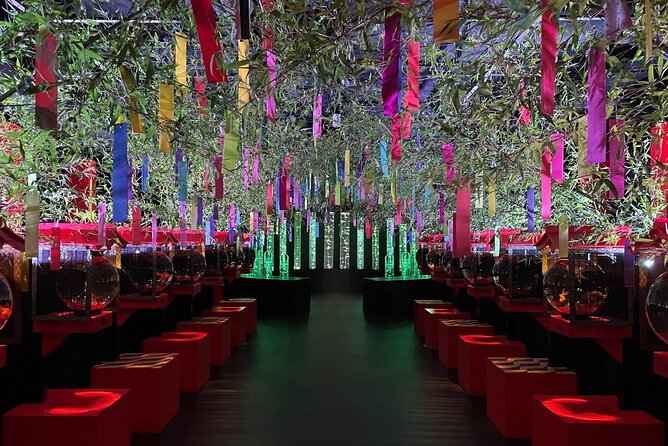
This is a museum that doesn’t rely on fish alone. It’s designed as a modern art space that combines light, sound, and fragrance with traditional Japanese culture and artifacts.
So what does that mean for you, minute to minute?
- Light guides your attention, so you’ll notice color and shape more clearly than you would in a flat-lit tank space.
- Sound can make the visit feel like a calm scene rather than a noisy hallway.
- Fragrance is the wild card. Not all indoor attractions use it, and when it’s used carefully, it creates a sensory layer that supports the theme (especially when floral themes are involved).
If you’re someone who likes multi-sense experiences, this kind of design is a big part of the appeal. If you’re sensitive to scents or strong audio, you might want to go in with that awareness. The key point is that the museum aims to make you feel like you’re inside a themed artwork.
Also, because this is indoors, you don’t have to worry about getting caught in Tokyo rain mid-plan. It’s a dependable stop when you want something that doesn’t require outdoor stamina.
When to go, and how to pair it with Ginza sightseeing
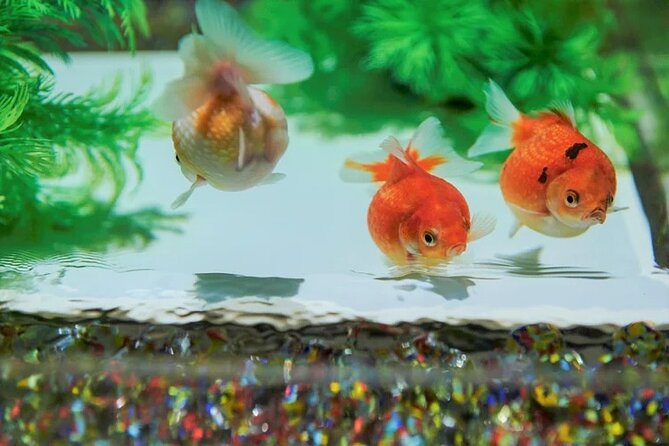
Ginza Mitsukoshi is close to Tokyo Station and the Imperial Palace Plaza, which is great if your day already includes major central landmarks. In plain terms: you can plan this as a “middle-of-the-day reset,” then keep going with shopping and sight visits afterward.
The museum sits inside a department store environment, and Ginza itself is described as having a traditional, nostalgic atmosphere alongside long-established restaurants and retro-style cafes. You don’t need a complicated plan to enjoy that pairing:
- Stop at the museum for your focused art-and-fish hour.
- Walk back out into Ginza for food or a relaxed coffee break afterward.
This is also a smart choice for couples and solo visitors who want an indoor activity that still feels special. It’s not a rigid guided tour experience; it’s more like you’re entering a carefully built sequence of themed viewing spaces.
Value check: is a $29 e-ticket worth it?
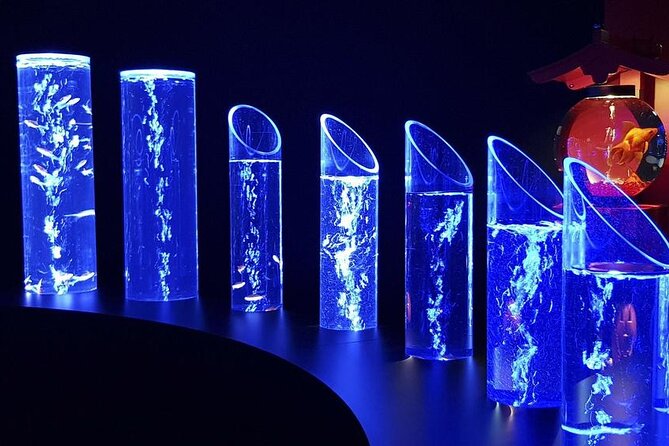
At $29, you’re paying for three things:
- Entry to a timed, themed attraction (admission included)
- A high-concept museum format that uses more than just fish viewing
- A convenient central location in Ginza Mitsukoshi
One hour in many Tokyo attractions might get you “see it and move on.” Here, the price covers a show-like presentation—theme, atmosphere, and multi-sense design. The standout popularity points help explain the value: people consistently describe it as a unique combination of aquarium and art museum, and they highlight the beauty of the displays, including cherry blossom styling.
If you’re a fan of design, seasonal themes, or just enjoy visually crafted spaces, you’ll likely feel like the time paid off. If you mostly want a big outdoor-style aquarium with lots of different animals, this may feel too focused. But if your goal is a calm, creative indoor break right in central Tokyo, it’s a strong buy.
Who should book this goldfish art ticket?
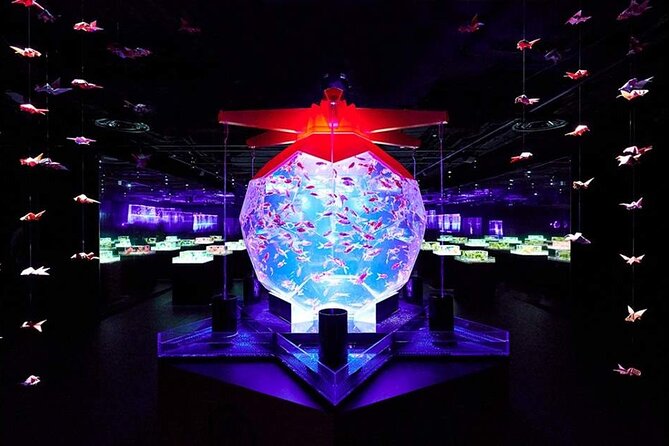
You’ll probably love this if you:
- Want an indoor activity that feels like art, not a checklist
- Enjoy themed seasonal visuals, especially when traditional motifs are paired with creative display styles
- Prefer a short stop that fits easily into a Ginza day
You might skip it if you:
- Strongly prefer classic aquariums with lots of species variety
- Are highly sensitive to fragrance, sound, or multi-sense presentation
It also works well for first-timers in Tokyo because Ginza is easy to reach, and the visit is short enough to adapt if your day shifts.
Should you book this Art Aquarium Museum E-ticket?
My take: if you’re in the Ginza area and you like clever, artsy themed experiences, this is an easy yes. The biggest reasons are practical and real. You get admission included, it’s timed to take about 1–2 hours, and the museum concept turns goldfish appreciation into something you can actually “feel” through light, sound, and fragrance.
Book it especially if you want a break from walking and want something that’s central, orderly, and designed for looking closely. Just do your homework on the basics: bring your photo ID, plan around your chosen date/time, and know that outside food and luggage aren’t allowed.
FAQ
FAQ
What’s included in the Tokyo Art Aquarium Museum e-ticket?
Your ticket includes admission to Art Aquarium Museum GINZA (as per the grade selected). Food, pickup, and drop-off are not included.
How long should I plan to spend at the museum?
Plan for about 1 to 2 hours.
Do I need to bring an ID to enter?
Yes. You need a valid photo ID or passport to display at the entrance.
Do I need to print the e-ticket?
No. Your e-ticket is sent by email one day before, and you can show it from your smartphone.
Can I bring outside food or luggage?
No. No outside food or beverages and luggage are allowed.
What happens if I cancel, or if it’s canceled due to weather?
This experience is non-refundable and cannot be changed for any reason. If it’s canceled due to poor weather, you’ll be offered a different date or a full refund.