REVIEW · TOKYO
Tokyo: Art Aquarium Museum GINZA Entry Ticket
Book on GetYourGuide →Operated by LINKTIVITY Inc. · Bookable on GetYourGuide
Goldfish, but make it art. The Art Aquarium Museum GINZA reimagines the Edo-period love of goldfish as a modern art experience, with light-and-music displays and a goldfish-focused show designed for lingering and photos.
I like how the museum adds a sensory layer beyond water and glass. Expect light, music, and scent working together, and a series of aquarium-style displays that highlight the color and motion of the fish in different spatial presentations.
One thing to plan around: it’s a compact stop. You’re typically looking at about 45 to 60 minutes (sometimes less), and you need to follow the photo rules—no tripods/monopods and no strobes—so bring quick instincts, not gear.
In This Review
- Key highlights worth aiming for
- Why This Museum Feels Different From a Normal Aquarium
- Ginza Mitsukoshi Location: Fast to Find, Easy to Combine With Shopping
- Tickets and Timing: A One-Hour Stop That Works on Almost Any Day
- A quick “when to go” idea
- What You’ll See: Goldfish Displays With an Art-Installation Feel
- The Seasonal Element: A Permanent Venue That Can Still Feel New
- Scent and Sound: The Sensory Twist You’ll Remember
- Photography Rules: How to Get Great Shots Without Causing Chaos
- Gift Shop Bonus: Souvenirs After the Show
- Price and Value: Is $17 Worth It for Your Time?
- Who Should Book This (and Who Should Think Twice)
- Should You Book Art Aquarium Museum GINZA?
- FAQ
- How long does the Art Aquarium Museum GINZA visit take?
- Where do I go inside Ginza Mitsukoshi to get admission?
- How do I get there by train?
- What is the price?
- Is photography allowed?
- Are strobes or extra lighting allowed for photos?
- Can children enter for free?
- Is the museum open year-round?
- Is it refundable if my plans change?
- Should You Book Art Aquarium Museum GINZA?
Key highlights worth aiming for
- Light, music, and scent that make the goldfish feel like part of a performance
- Edo-period inspiration, modern staging for a fresh way to appreciate goldfish
- Seasonal changes at a permanent Ginza venue, so repeat visits can feel new
- Photo-friendly layout (with clear restrictions to keep shots fair for everyone)
- English info about goldfish, plus art-like exhibit spacing that helps you slow down
Why This Museum Feels Different From a Normal Aquarium
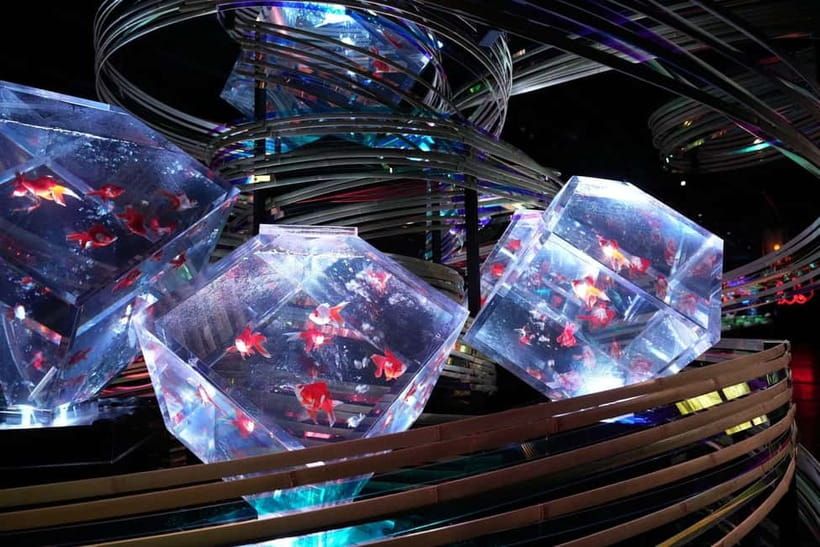
If you’ve seen one aquarium, you’ve probably seen the standard setup: tanks, signs, and a route you follow without much story. Here, the premise is more like an art installation that happens to include goldfish as the main subject.
The museum’s concept is simple and smart: take the classic Edo-period tradition of admiring goldfish and present it as a modern art experience. That means you’re not only looking at the fish—you’re watching how the space changes around them. The museum uses light, music, and scent to shape your mood and timing, so the same goldfish movement can feel different from one room or angle to the next.
I also appreciate that it doesn’t try to turn the place into a kid-only attraction. The staging and lighting are designed so you can take your time, enjoy the color, and treat it like a calm, creative break in the middle of Ginza.
Ginza Mitsukoshi Location: Fast to Find, Easy to Combine With Shopping
This is a win for practical travel days: the museum sits inside Ginza Mitsukoshi. You’re not wrestling with “where is it” while the rest of your day is ticking away.
Admission reception and same-day tickets are on the 9th floor of the new building. For access, you have several good rail options:
- Tokyo Metro Ginza Line / Marunouchi Line / Hibiya Line: Exit A7 of Ginza Station
- Tokyo Metro Yurakucho Line: about a 5-minute walk from Ginza 1-chome Station (Exit 9)
- Toei Asakusa Line / Tokyo Metro Hibiya Line: about 2 minutes via an underground passage from Higashi Ginza Station toward Ginza Station
That’s especially helpful if you’re already in the Ginza zone. You can fit this in between department-store browsing, cafés, or evening plans without losing half a day to transit.
One nearby planning note: Ginza Mitsukoshi is busy by default. If you want a calmer photo experience, aim for earlier or midweek times when the museum has fewer people in the same corridors.
Tickets and Timing: A One-Hour Stop That Works on Almost Any Day
The ticket is $17 per person, valid for 1 day based on starting time availability. The estimated viewing time is about 1 hour.
In real-world terms, you should treat this as a focused visit, not a full-day mission. Plan for 45 to 60 minutes, especially if you’re moving at a normal pace and photographing as you go. If you’re photographing constantly, you might go closer to the full hour. If you want the experience more than the camera, you can still enjoy it without rushing.
Also note: the experience is listed as non-refundable, so book only when your schedule is solid.
A quick “when to go” idea
If you’re trying to get photos without constantly stepping around people, choose times when foot traffic in Ginza is lower. Midweek late morning tends to be a good sweet spot, but your best bet is picking the earliest time that still feels comfortable for your day.
What You’ll See: Goldfish Displays With an Art-Installation Feel
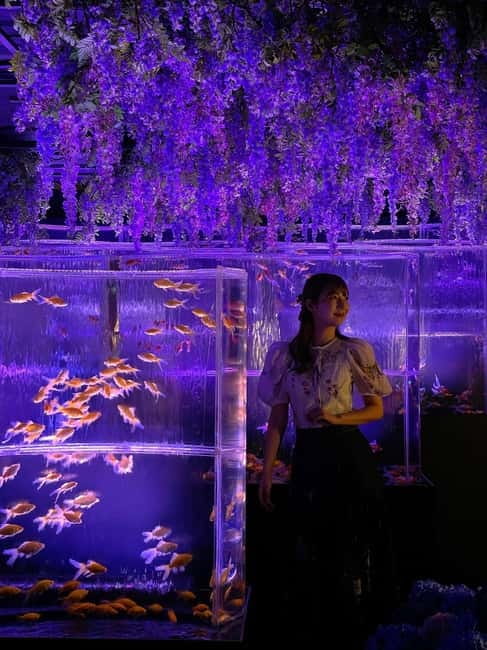
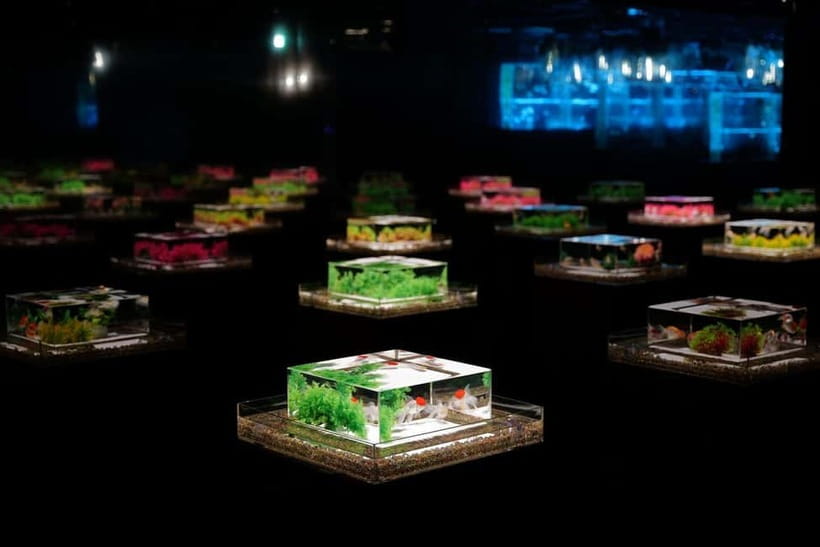
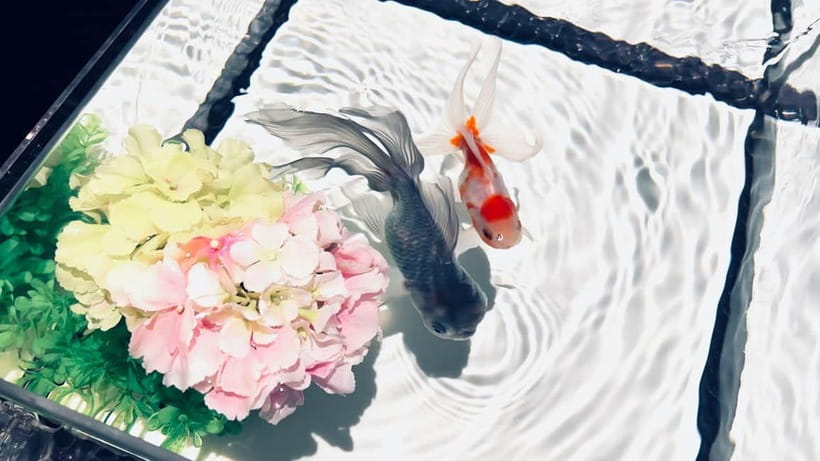
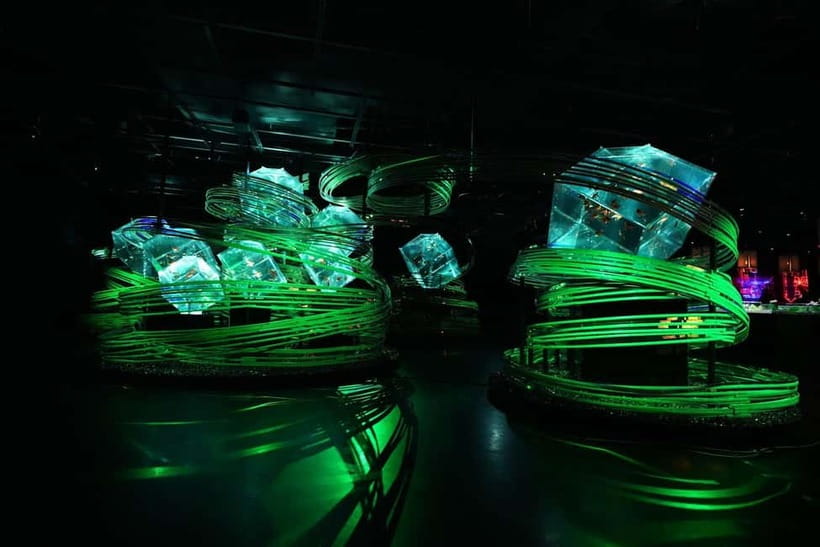
The core attraction is the goldfish, but the way they’re presented is the point. The museum uses aquarium displays with unique spatial presentations, meaning the viewing angles and lighting change how the fish look and move.
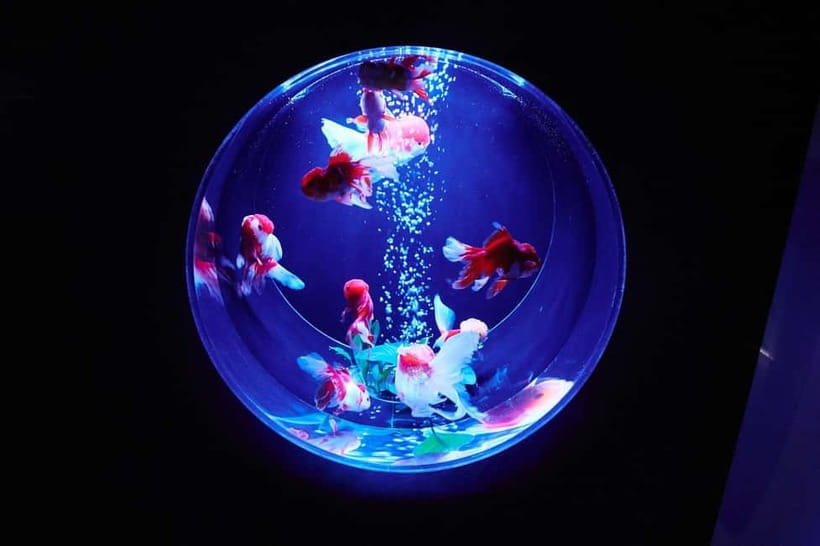
You’ll notice the fish aren’t treated as background. The setups are built to make you focus on color, reflections, and the flowing rhythm of swimming. Goldfish can look almost abstract under colored light, and that’s exactly what this museum leans into.
A lot of the value here is variety. Even though the visit is short, the museum isn’t just one tank and done. You’ll typically move through multiple display areas, each with its own atmosphere. The lighting changes the look of the water and the fish, while the music supports a slower pace.
And for those who like context: there’s information about the goldfish in English. It’s the kind of detail that turns a pretty scene into something you can actually learn from.
The Seasonal Element: A Permanent Venue That Can Still Feel New
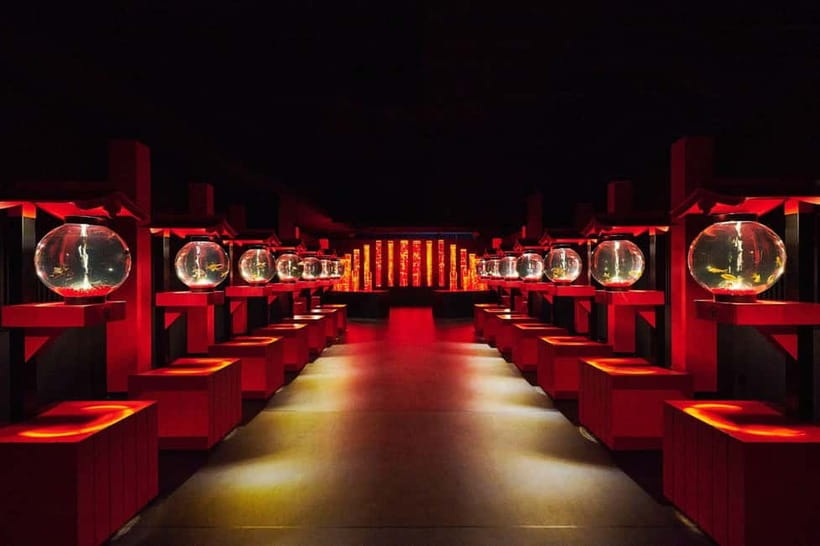
This is a permanent museum venue at Ginza Mitsukoshi, and it includes seasonal changes throughout the year. That matters more than it sounds.
Goldfish themselves are always beautiful, but the real difference is how the displays and atmosphere shift with the season. If you’re coming back to Tokyo later in the year—or you’re staying long enough to adjust plans—this gives you a reason to revisit instead of treating it like a one-and-done activity.
One practical suggestion: if you’re visiting for just a few days, choose the seasonal timing based on your overall itinerary. Don’t force it if it means sacrificing something bigger, but do consider it when you want a creative, indoor break that won’t feel repetitive.
Scent and Sound: The Sensory Twist You’ll Remember
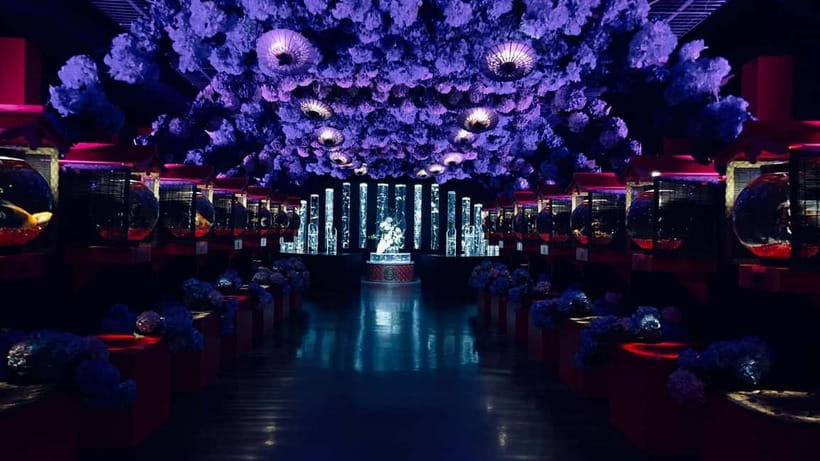
Most museums use sight. This one also adds music and scent. The idea is to make the goldfish experience feel more like performance and less like viewing.
The music is designed to be tranquil rather than loud and distracting, so you can watch the fish without your attention being yanked around by the surroundings. And the scent layer (described as aromatherapy in some descriptions) adds a subtle extra cue that changes the mood of the room.
Is it for everyone? Probably not. If you’re sensitive to smells, you’ll want to be aware that the museum uses scent as part of the experience. If you like controlled sensory experiences, this is one of the main reasons to go.
Photography Rules: How to Get Great Shots Without Causing Chaos
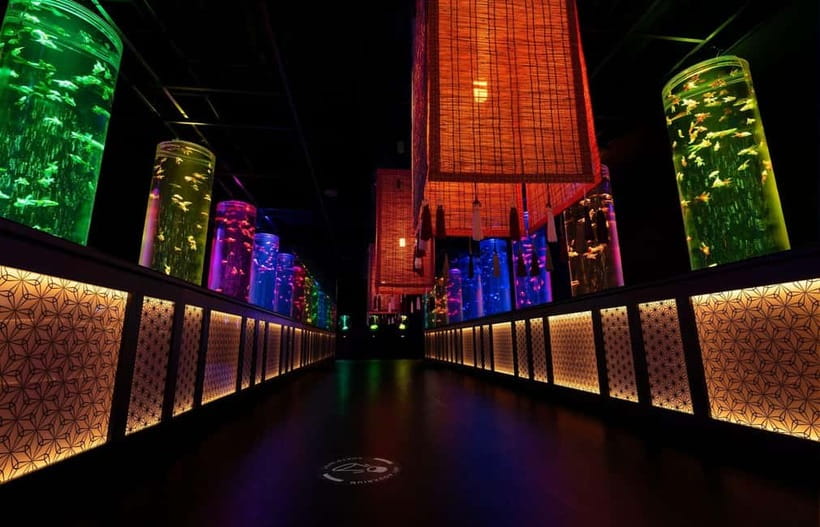
Photography is allowed, and the museum is popular with people who like to shoot the lighting and color effects. That makes sense—goldfish under art-style lighting produce striking images fast.
But there are clear limits:
- Tripods and monopods are not allowed
- Strobes and lighting equipment are not permitted
So what does that mean for you? It means your camera strategy should be simple:
- Use quick framing and let the light do the work
- Avoid slow setups that block walkways
- If you’re serious about photos, plan on moving with the flow instead of stopping for long tripod-style compositions
This also helps explain why crowding can feel different. When people follow the rules, you can usually find a clean moment for photos without constant interruptions. Earlier time slots tend to feel easier for this, too.
Gift Shop Bonus: Souvenirs After the Show
After you finish the exhibits, there’s a gift store on-site. People often pick up souvenirs here, and it’s a nice way to turn your visit into something you can bring home.
If you’re the type who likes small Tokyo keepsakes—especially ones tied to an experience—this is a decent final stop.
Price and Value: Is $17 Worth It for Your Time?
Let’s be honest: $17 for an indoor one-hour experience can feel steep if you’re expecting a long aquarium-style walk.
The value is in three things:
- The concept is different from a standard tank-and-sign layout. The blend of light, music, and scent changes the experience more than you might expect.
- The staging is designed for viewing and photography, which turns a short visit into something memorable.
- Seasonal changes at a permanent location give repeat value if you’re in Tokyo more than once or you come back later in the year.
Where the price might not feel great is if you’re looking for a huge variety of fish species or a large, half-day aquarium complex. This museum is more compact than that. For many people, that compact size is actually a benefit—less time getting tired, more time enjoying the atmosphere.
Who Should Book This (and Who Should Think Twice)
This is a strong fit for:
- People who want a short, atmospheric indoor activity in Tokyo
- Anyone who likes art installations, not just animals behind glass
- Photo enthusiasts who want lighting-focused scenes (as long as you respect the tripod and strobe rules)
- Travelers who want something different from the usual big-name sights in Ginza
It might be less ideal if:
- You need a very long attraction. The museum is typically about one hour.
- You dislike scent-based sensory elements. The museum uses scent as part of the experience, so if smells bother you, consider that first.
- You’re extremely sensitive to how animals appear in captivity. One note in the provided material mentions concern that some fish looked mistreated. If that thought is a deal-breaker for you, pay attention when you visit and decide based on what you see in the moment.
Should You Book Art Aquarium Museum GINZA?
Yes, if you want a stylish, photo-friendly, one-hour break in the Ginza area that feels more like modern art than a basic aquarium. The light-and-music plus scent format is the main reason to book, and the English goldfish information adds real substance to the experience.
I’d pass (or at least think twice) if you’re hoping for a long, expansive aquarium day, or if you’re strongly scent-sensitive. Also remember the rules: no tripods/monopods and no strobes—so come prepared for quick, respectful shooting.
If your schedule includes Ginza Mitsukoshi anyway, this is the kind of stop that turns an ordinary shopping day into something a bit unusual.
FAQ
How long does the Art Aquarium Museum GINZA visit take?
The estimated viewing time is about 1 hour.
Where do I go inside Ginza Mitsukoshi to get admission?
Admission reception and same-day tickets are on the 9th floor of the new building at Ginza Mitsukoshi.
How do I get there by train?
You can use Tokyo Metro Ginza Line/Marunouchi Line/Hibiya Line and exit at Ginza Station Exit A7, or walk from Ginza 1-chome Station (about 5 minutes), or use an underground passage from Higashi Ginza Station (about 2 minutes).
What is the price?
The price is listed as $17 per person.
Is photography allowed?
Photography is permitted, but tripods and monopods (and similar equipment) are not allowed.
Are strobes or extra lighting allowed for photos?
No. The use of strobes and lighting equipment is not permitted.
Can children enter for free?
Up to two children under elementary school age may enter free of charge with one adult.
Is the museum open year-round?
It’s a permanent venue and offers seasonal changes throughout the year. Closing days and business hours may vary.
Is it refundable if my plans change?
No. The activity is non-refundable.
Should You Book Art Aquarium Museum GINZA?
Book it if you want a short, art-styled aquarium experience in central Ginza that blends light, music, and scent, and you’re okay with a visit around one hour. Pass if you want something long and expansive, or if scent-based sensory elements are a no-go for you.