REVIEW · ALMERIA
Almería: Aquarium Costa de Almería Entry Ticket
Book on GetYourGuide →Operated by Tixalia · Bookable on GetYourGuide
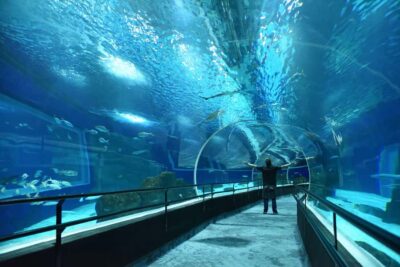
One tunnel lets you walk underwater. At Aquarium Costa de Almería, you follow a clear path through different ocean zones, ending with that wow-factor view where fish swim all around you.
I especially like the underwater tunnel experience and the way the exhibits cover more than one “world” of sea life. Second, I like that you don’t just look at tanks—you also get learning stops, including a water cycle theme and conservation-style information panels.
One thing to keep in mind: at around $27 for entry only, it’s worth going with realistic expectations. If you’re expecting a huge, all-day mega-aquarium experience, some people feel the time and variety don’t match the price.
In This Review
- Key Highlights You’ll Actually Care About
- Aquarium Costa de Almería: What Your One-Day Visit Really Looks Like
- Mediterranean Zone: Seeing What Lives Closer to Home
- Tropical Waters: Coral Reefs, Sea Turtles, and Jellyfish
- Ocean Depths: Sharks, Giant Groupers, and Big-Tank Drama
- The Underwater Tunnel: Your 360-Degree Moment
- Water Cycle Learning and Conservation Panels: Fun That’s Actually Useful
- Price and Value: Is $27 Entry Worth It?
- Booking, Redemption, and What to Bring (No Surprises)
- Practical Timing: One-Day Entry and How to Plan Your Route
- Who This Ticket Suits Best
- Should You Book Aquarium Costa de Almería?
- FAQ
- How long is the Aquarium Costa de Almería ticket valid?
- What’s included with the entry ticket?
- Is food or drinks included?
- Where do I redeem the voucher?
- What should I bring with me?
- Are pets allowed inside?
- Can I cancel for a refund?
Key Highlights You’ll Actually Care About
- 360-degree underwater tunnel: the closest thing to walking under the sea.
- Mediterranean Zone first: you start with species tied to the local sea.
- Tropical Waters exhibits: coral reef tanks with sea turtles and jellyfish.
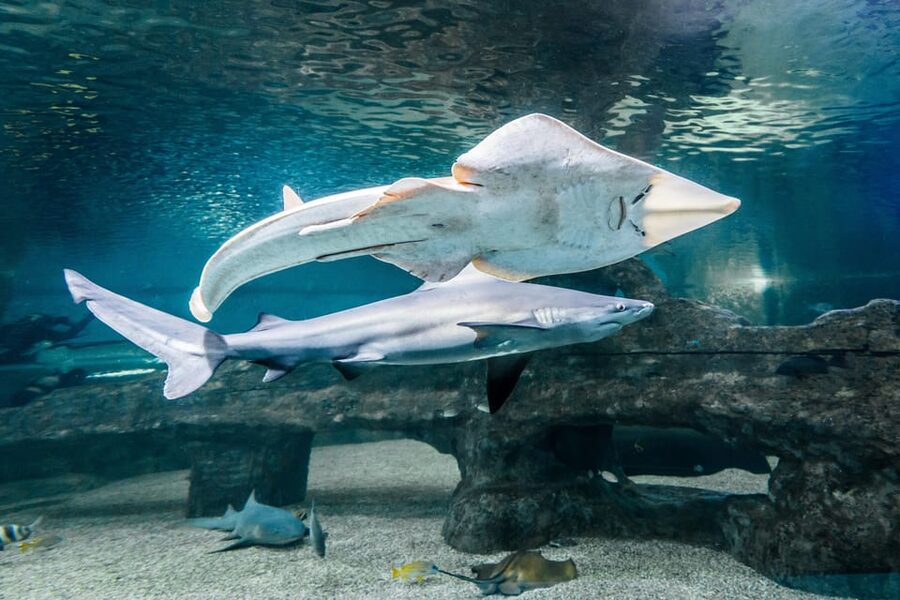
- Ocean Depths tanks: larger predators like sharks and big groupers.
- Water-cycle learning: a practical way to understand how marine systems connect.
- Well-kept installations: the site looks cared for, which makes viewing easier.
Aquarium Costa de Almería: What Your One-Day Visit Really Looks Like
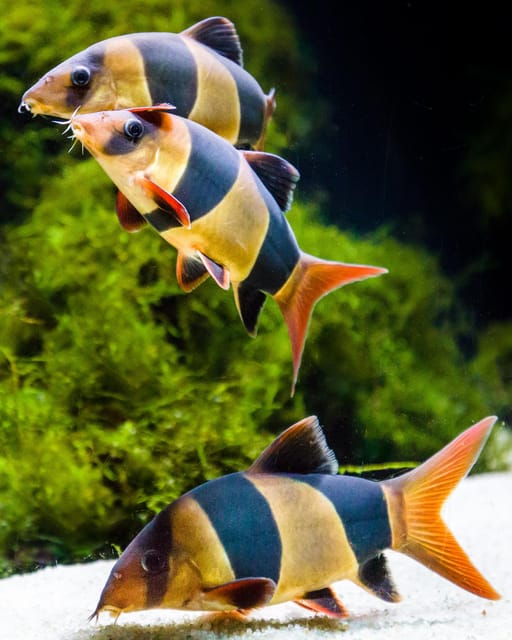
Aquariums can turn into a long shuffle of similar tanks. This one works better because the route is organized by theme. You move from the Mediterranean into tropical-style exhibits, and then down into the “deep ocean” feel with larger tanks and more dramatic animals.
Plan your visit around slow moments, not check-the-box moments. The tunnel is the signature stop, but the rest of the experience is strongest when you take a minute to read the panels and notice how each zone is trying to explain different environments, not just different fish.
If you’re traveling with kids, this structure helps a lot. It’s easier to keep attention when the scenery shifts from zone to zone and the animals change with it.
Mediterranean Zone: Seeing What Lives Closer to Home
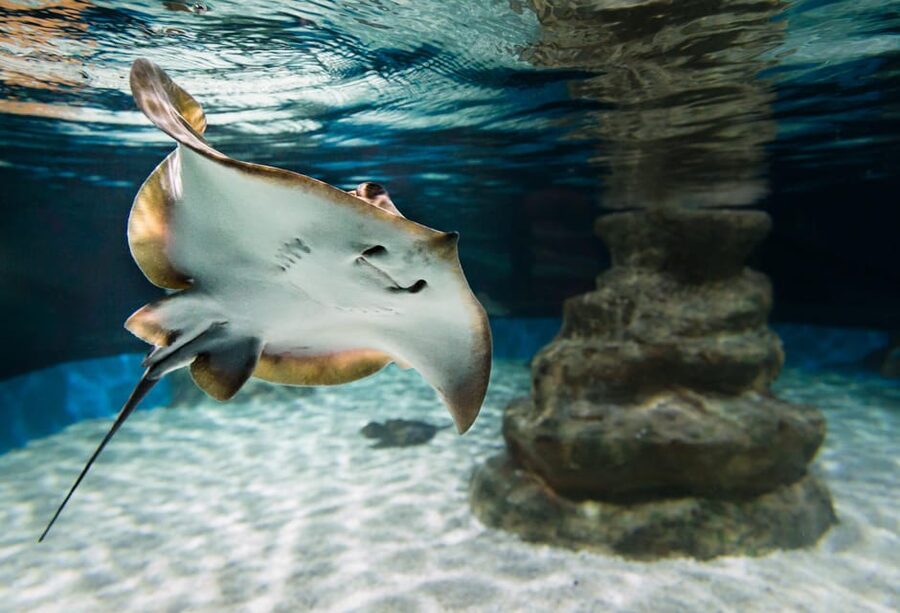
Your visit starts in the Mediterranean Zone, which means you’re looking at species that relate to the sea near Almería. This is a smart choice for first-time visitors because it anchors the experience. Instead of starting with the most exotic-looking creatures, you begin with ocean life that feels familiar in shape and behavior.
In this section, you can expect to spot colorful fish, graceful rays, and curious octopuses. Even if you’re not a marine-life nerd, rays and octopuses tend to hold attention fast. They also help you understand how different animals use the same water in very different ways.
What I like about this setup is that it makes the later tropical and deep-ocean sections feel like a natural progression. You’re not jumping around randomly—you’re moving through environments.
Tropical Waters: Coral Reefs, Sea Turtles, and Jellyfish
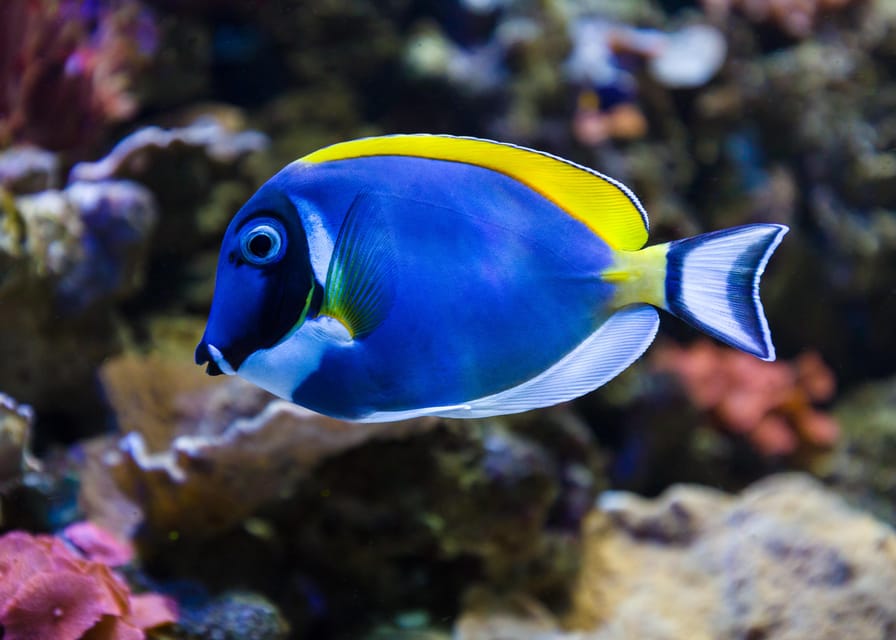
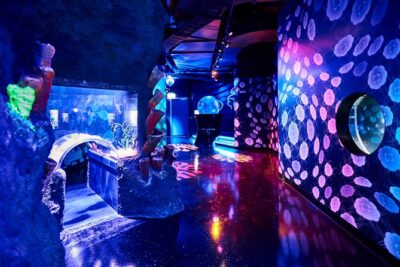
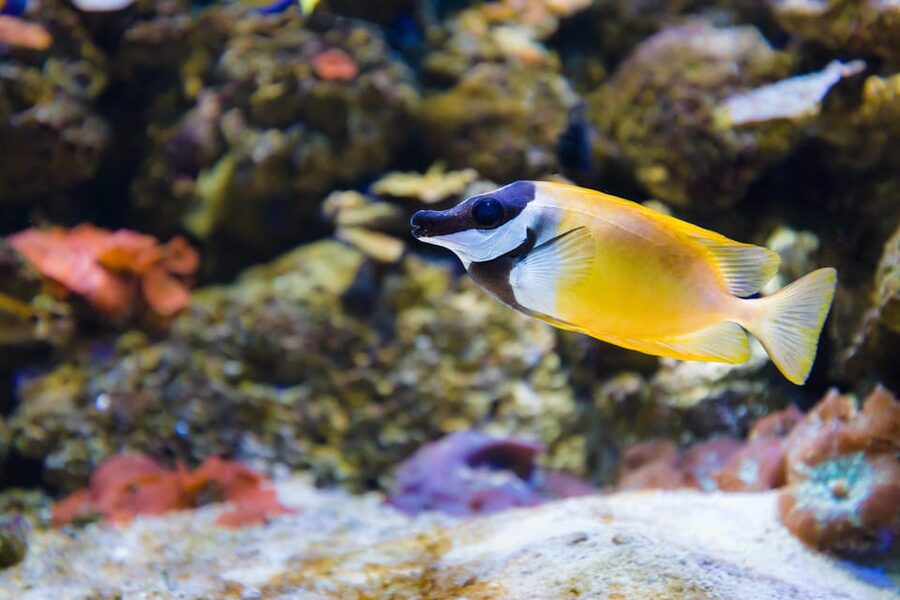
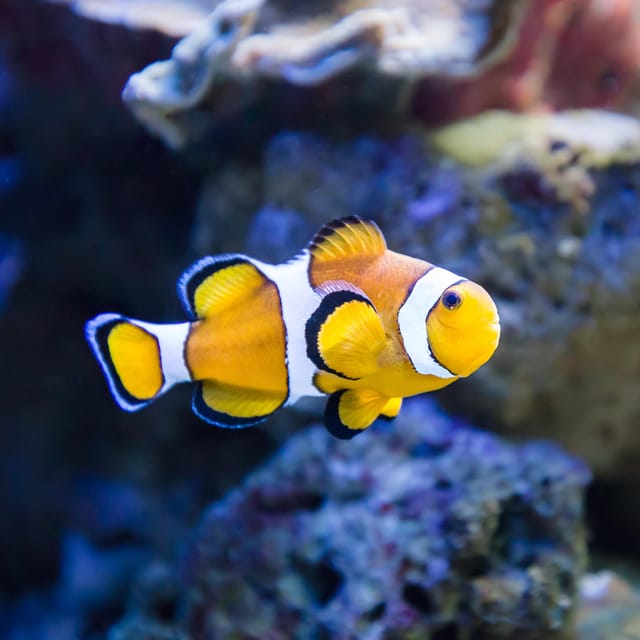
Next comes the Tropical Waters exhibit, where the tanks are built to feel like coral reefs. This is where the aquarium leans into color and variety—think exotic fish and the standout presence of sea turtles and jellyfish.
If you like photography, this section is often the most visually dramatic. Jellyfish displays in particular can look magical, but they also help explain why certain animals thrive in controlled conditions. They’re a reminder that “pretty” is still a biological story.
For you as a visitor, the best way to enjoy Tropical Waters is to pause at each tank and scan for the same species more than once. The movement pattern matters—jellyfish and reef fish don’t stay posed, so a quick second look often pays off.
Ocean Depths: Sharks, Giant Groupers, and Big-Tank Drama
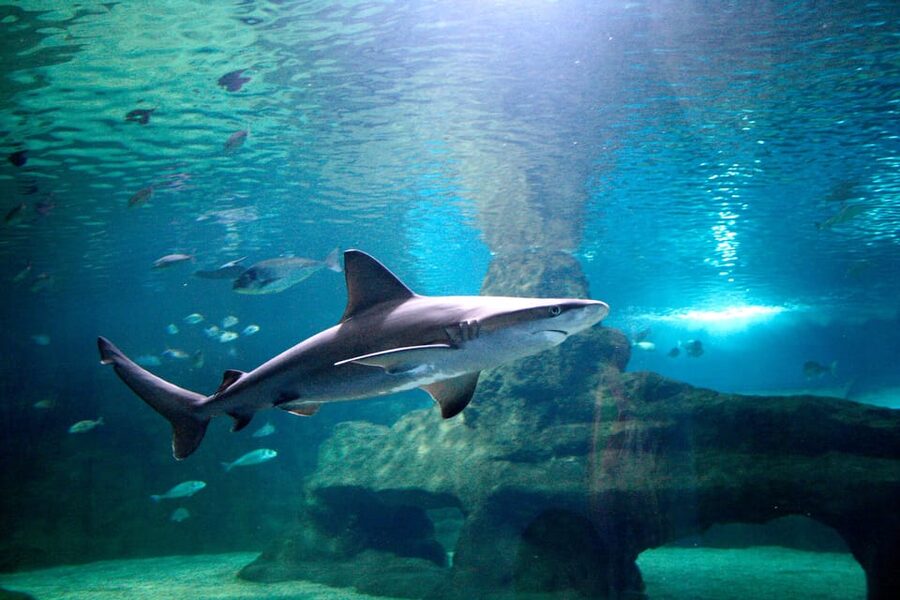
Then you reach Ocean Depths, the section designed to feel like the deep sea. Here, the aquarium uses larger tanks and a darker mood to match the animals you associate with the ocean’s lower light levels.
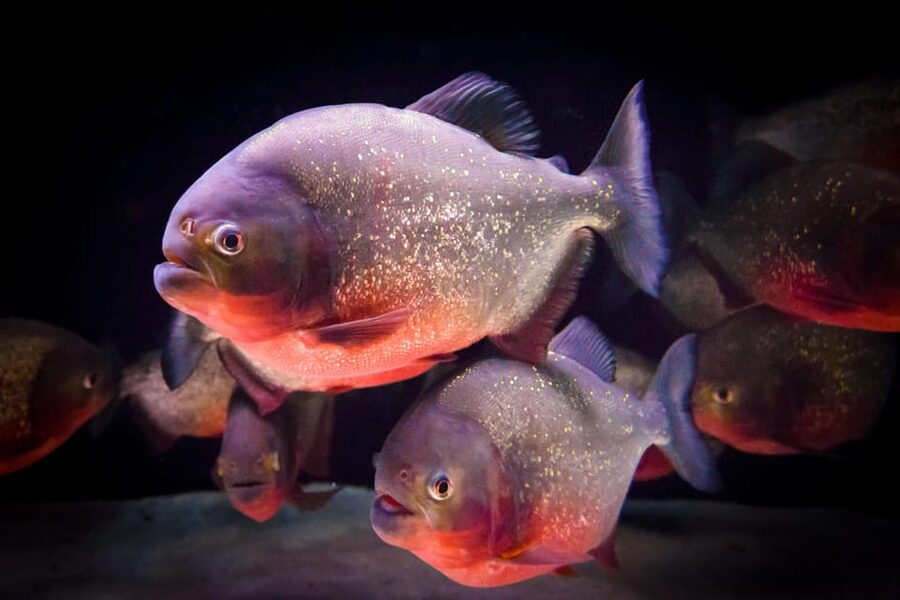
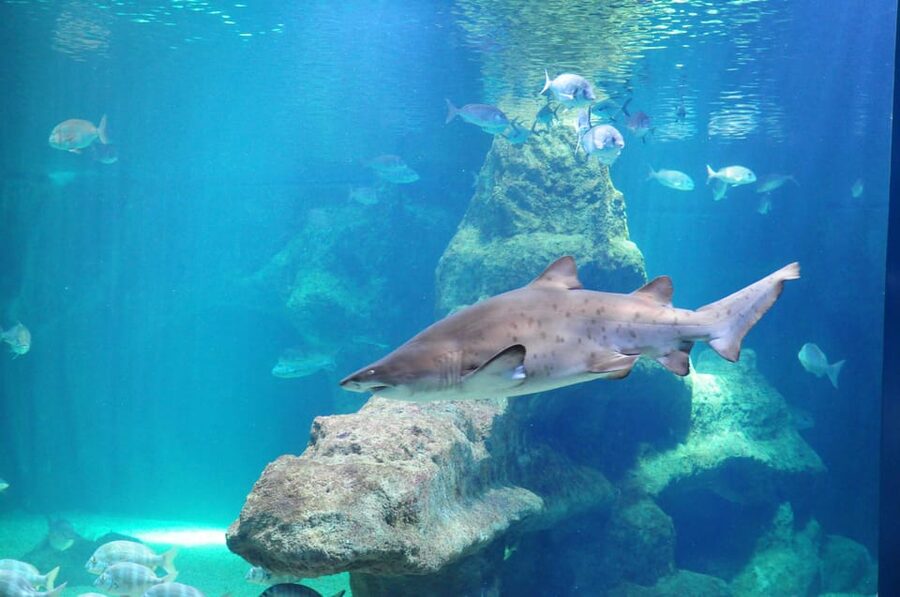
This is where you’ll see sharks, giant groupers, and other fascinating creatures. Even if you don’t get close-up thrills, the scale is part of the effect. Big-bodied fish give you a better sense of how sea life uses space, not just corners of glass.
This is also the part where adults often slow down. Deep-ocean exhibits tend to reward patience: you’ll likely notice animal behavior changes over time, especially for larger swimmers.
The Underwater Tunnel: Your 360-Degree Moment
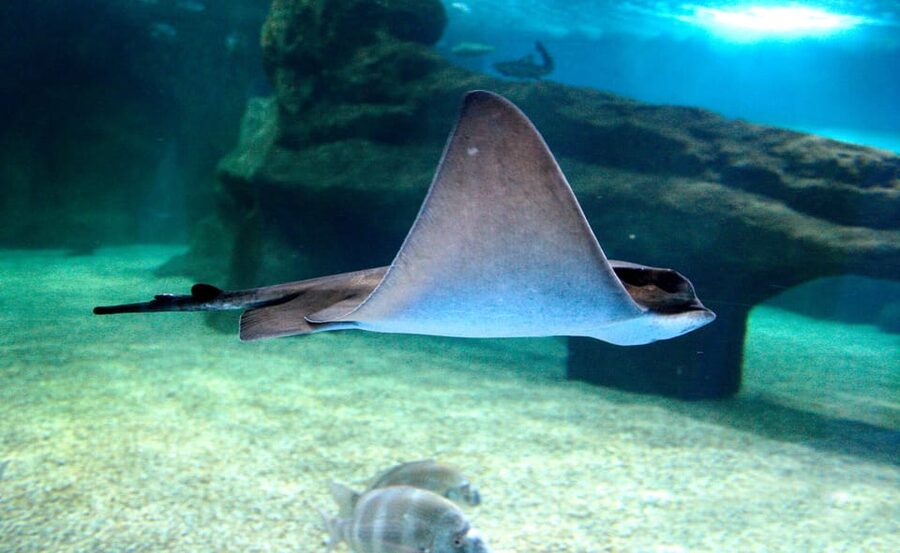
If you only have energy for one “main character” moment, make it the tunnel. The aquarium features an underwater tunnel that gives you a 360-degree view, so marine life swims all around you as you walk through.
This is the experience you’ll remember because it changes your role. Instead of standing outside a tank and looking in, you’re inside the aquarium’s idea of the ocean floor. That perspective is why the tunnel lands so well for families, couples, and solo travelers.
Practical tip: expect it to be popular. Try to keep your pace steady so you don’t get stuck waiting for the best view. If you want photos, take a first shot quickly, then watch—often the best moment happens when you stop trying to capture it.
Water Cycle Learning and Conservation Panels: Fun That’s Actually Useful
The aquarium isn’t only about animals. It also includes learning about the water cycle, plus informative panels that touch on marine biology and conservation efforts.
This matters because it turns the visit from entertainment into understanding. When you know how water circulation, filtration, and changing conditions affect marine life, the tanks make more sense. Even basic explanations help you interpret what you see: movement, feeding rhythms, and how different animals are kept in stable environments.
Interactive displays are also part of the experience, which gives you something to do besides watch. If you’re traveling with kids, that’s especially helpful—hands-on elements reduce the “stand and stare” fatigue.
Price and Value: Is $27 Entry Worth It?
At about $27 per person for a one-day ticket (entry only), the value depends on how you like to experience aquariums.
Here’s the honest breakdown:
- You’re paying for access to multiple themed zones: Mediterranean, Tropical Waters, and Ocean Depths.
- You’re paying for a standout feature: the underwater tunnel with a 360 view.
- Food and drinks are not included, so plan for extra spending once you arrive.
Now the balanced part. Some people may feel it’s pricey if they finish the main highlights quickly or if they were expecting a larger, longer attraction. That’s why I recommend coming for the route and the tunnel, not imagining it as an all-day replacement for a major city aquarium.
If you enjoy compact attractions with clear highlights—especially rainy-day or family-friendly plans—this can be a good use of time. If you’re looking for hours of nonstop novelty, you might want to compare with other options in the region.
Booking, Redemption, and What to Bring (No Surprises)
This ticket is sold with a specific redemption method. You’ll need to redeem the voucher sent by the activity provider in a separate email (not the GetYourGuide voucher) at the entrance.
That detail is important. Don’t assume the standard voucher will get you through. Bring the correct provider voucher you received by email, and have it ready at the entrance—ideally on your phone with enough battery, or printed if that’s your style.
What to bring: a passport or ID card.
Not allowed: pets.
Languages on-site include Spanish and English, and there’s a Spanish/English host or greeter to help with the process.
Practical Timing: One-Day Entry and How to Plan Your Route
The ticket is valid for one day, and you’ll need to check availability to see starting times. Since the attraction is structured as a route through zones, your best strategy is simple: arrive with time to slow down, not with a strict schedule that forces you to rush.
If you want the best experience, give yourself enough time to do three things:
1) See each themed zone at least once.
2) Spend extra time in the tunnel area.
3) Read the learning panels at the water-cycle and conservation points.
Your pace matters more than speed here. The aquarium’s value comes from connecting what you see (animals) with what you learn (systems and habitats).
Also worth noting: one review noted that the place wasn’t too busy in that season. If you can choose your visit timing, slightly off-peak periods often help you move through the tunnel and tanks without the constant squeeze.
Who This Ticket Suits Best
This is a strong match if you want:
- A family-friendly plan with a clear route and a big “wow” moment in the tunnel.
- An aquarium that mixes entertainment with marine biology and conservation messaging.
- A one-day activity in Andalusia that works well even when the weather isn’t perfect.
It’s also a good pick if you’re the kind of traveler who likes structured highlights: Mediterranean first, tropical next, deep ocean last. That sequencing helps you make sense of everything you’re seeing.
If you’re a hardcore marine-life fan chasing rare species or long immersion, you might judge the experience as shorter than expected. In that case, treat the ticket as a solid highlights visit rather than a day-long deep study.
Should You Book Aquarium Costa de Almería?
I’d book it if you want a compact aquarium with real standouts: the Mediterranean-to-deep-ocean route and the 360-degree underwater tunnel. The installations are described as well cared for, which makes a difference when you’re trying to see animals clearly and comfortably.
I’d think twice if you hate paying for entry where food isn’t included and you need a long, many-hours itinerary to feel satisfied. In that case, decide based on your priorities: if your main goal is the tunnel and seeing sharks, turtles, and reef life in one pass, this ticket can be a good value. If your goal is maximum variety and time, you may want to compare.
In short: book if you want a smooth highlights route with a tunnel moment you’ll remember. Skip or compare if you’re expecting a massive, all-day aquarium adventure.
FAQ
How long is the Aquarium Costa de Almería ticket valid?
The ticket is valid for 1 day. You’ll need to check availability to see starting times.
What’s included with the entry ticket?
The ticket includes entry only.
Is food or drinks included?
No. Food and drinks are not included.
Where do I redeem the voucher?
You’ll redeem the voucher sent by the activity provider in another email at the entrance to each attraction (not the GetYourGuide voucher).
What should I bring with me?
Bring a passport or ID card.
Are pets allowed inside?
No, pets are not allowed.
Can I cancel for a refund?
Yes. Free cancellation is available up to 24 hours in advance for a full refund.