REVIEW · MELBOURNE
SEA LIFE Melbourne Aquarium Admission Ticket
Book on Viator →Operated by SEA LIFE Melbourne Aquarium · Bookable on Viator
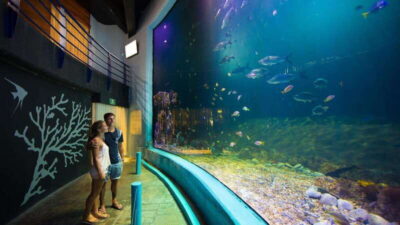
If you like animals, this one’s an easy win. A ticket to SEA LIFE Melbourne Aquarium takes you through Australia’s marine world on the Yarra River, with themed habitats, daily feedings, and expert talks. You’ll move at your own pace through 15 themed zones (organized into 12 ecology zones), from icy penguin country to tropical fish halls.
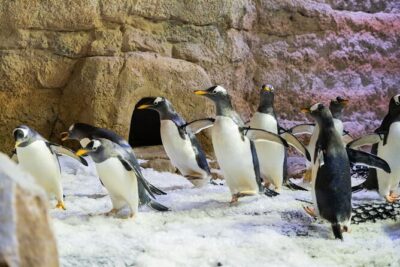
I especially love the Penguin Playground setup, with that snow-covered-ice theme and the penguins doing their thing. I also like the variety in the animal encounters here: sharks and stingrays for the big wow, and smaller charmers like seahorses and sea dragons that reward slow looking.
One real consideration: this place can feel chaotic and loud when schools are in session. On those days, you may be sharing exhibits with lots of prams, running kids, and a crowd that makes “easy viewing” tougher.
In This Review
- Quick hit highlights before you go
- SEA LIFE Melbourne Aquarium is a simple family plan with built-in variety
- Price and ticket value: what $27.97 buys you (and what it doesn’t)
- Your walk through the aquarium: how the 15 zones feel in real life
- Penguin Playground and Antarctica: the slide moment that anchors the visit
- Jellyfish, seahorses, and the art of slow looking
- Sharks, stingrays, and the big-tank energy you came for
- Croc Lair and the 5.5m saltwater crocodile effect
- Daily feedings and expert talks: the easiest upgrade to a normal aquarium day
- 4D short film and other add-ons inside the experience
- Crowds, noise, and timing: when you should avoid school holiday chaos
- Facilities and comfort: strollers, lifts, and moving around
- So who should book this ticket?
- Should you book the SEA LIFE Melbourne Aquarium admission ticket?
Quick hit highlights before you go

- Penguin Playground plus icy Antarctica theming, including King and Gentoo penguins
- Live moments built into your visit, with daily animal feedings and lectures
- Big-creature sightings like sharks, stingrays, and even a 5.5m saltwater crocodile
- Cute-and-cool classics: jellyfish, seahorses, and sea dragons
- Photo add-on included with a Digital Photo Pass
- Worth the time for families, but pacing can be harder on busy school days
SEA LIFE Melbourne Aquarium is a simple family plan with built-in variety
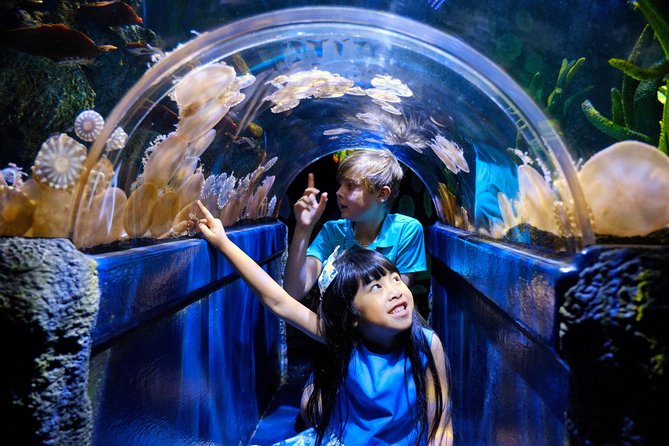
SEA LIFE Melbourne Aquarium works because it doesn’t force you into a rigid schedule. With your admission, you’re on a self-guided journey through a lot of themed spaces, so you can linger where kids go goo-goo and speed through what doesn’t grab them.
The setting on the Yarra River helps too. It’s a “do it now” attraction: you can fit it cleanly into a day in central Melbourne without needing fancy planning. And since habitats are arranged by theme, you’re not just walking past tanks. You’re walking through places that feel like separate ecosystems, from icy to tropical.
The best part for many families is that the aquarium isn’t only about static viewing. You get expert talks and daily feedings included, which turns it from a walk-through into something closer to guided learning, even though you choose your pace.
Price and ticket value: what $27.97 buys you (and what it doesn’t)
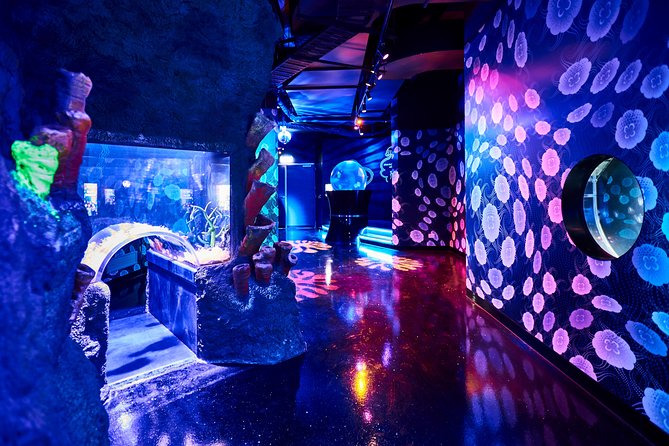
At about $27.97 per person, this ticket is priced for a half-day to slightly longer aquarium visit. Reviews and the overall setup point to it being a solid value for families, especially because the included extras are the kind that actually change your experience.
Here’s what’s included in your admission:
- A self-guided journey through 15 themed zones
- Included animal feedings and lectures during your visit
- A Digital Photo Pass
And here’s what’s not included:
- Food and drinks
- Optional extras like shark dives or other tours
- No hotel pickup/drop-off
So the value question comes down to this: do you want a straightforward aquarium day with live animal moments included, or are you looking for premium add-ons? If you’re the “show me the animals now” type, this ticket makes sense. If you’re bringing teens who want interactive thrills beyond standard exhibits, you might find the included experience only partially satisfying unless you also plan for optional activities.
Your walk through the aquarium: how the 15 zones feel in real life
The aquarium is organized into 12 ecological zones, but you’ll experience it as 15 themed areas. That distinction matters because some spaces are “habitat-like” while others are more storytelling and play-oriented.
Expect a route that makes you travel through different styles of exhibits:
- Icy penguin territory, with the Penguin Playground theme
- Technicolor fish halls like the Coral Atoll concept
- Northern Territory-style critter zones, including Croc Lair
- A tropical route through Rainforest Adventure
- Imaginative elements that feel more kid-friendly, like mermaids and shipwrecks
The practical tip: go with a “first pass, then second look” mindset. Your first walk helps you spot the animals you want to see up close. A second pass lets you slow down for the details like seahorse movement and the smaller rays that can be easy to miss if you’re rushing.
Also, the photo angle is real. You’ll get a Digital Photo Pass, and the aquarium’s layout includes plenty of natural “photo stops” where exhibits are designed to be looked at from specific angles.
Penguin Playground and Antarctica: the slide moment that anchors the visit
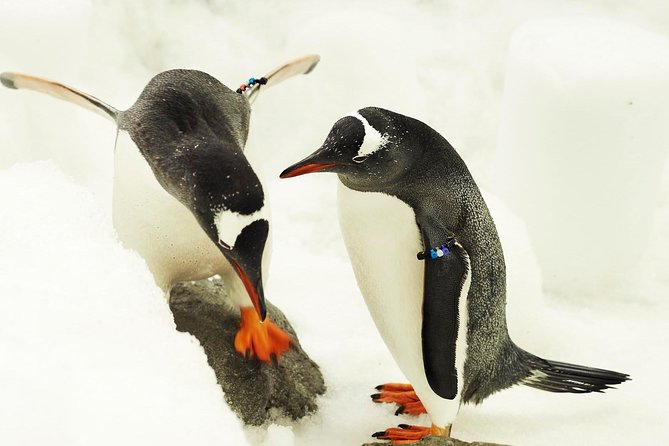
If there’s one section that seems to define the SEA LIFE Melbourne experience, it’s the penguins. You’ll find them in the icy-themed part of the aquarium, including King and Gentoo penguins. The Penguin Playground concept is built around kid-friendly wonder, especially with that snow-covered ice look and the penguins’ playful behavior.
One practical note: penguin identification is not always obvious from far away. People often look for named penguins like Pesto, but it can be hard to confirm who’s who without help from staff. If you care about matching names to individuals, ask on-site and be ready for an answer that might take a minute.
Even if you don’t go chasing names, the penguin area is a strong reason to come. It’s the closest thing to a “main event” here, and it tends to work whether you’ve got a 3-year-old or a 30-year-old in the group.
Jellyfish, seahorses, and the art of slow looking
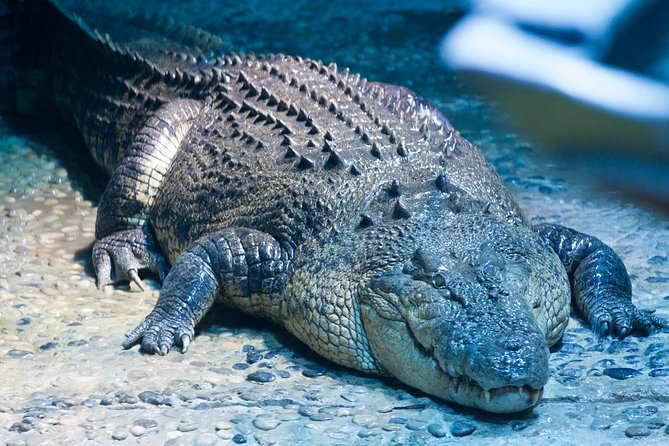
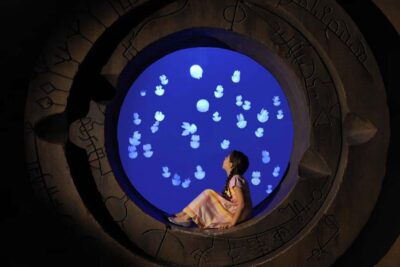
This is where the aquarium gets less about noise and more about curiosity. The jellyfish area sets a mood quickly, with that floating, slow movement that makes kids whisper even when they’re normally running.
Then you get into the delicate stuff:
- Seahorses and sea dragons, which move like they’re powered by patience
- Rays, where you learn that “interesting” can come in subtle shapes, not only big silhouettes
A lot of people rush past these smaller exhibits because they’re not as visually loud as sharks. Don’t do that. If you take even one calm lap through the smaller habitats, you get a different kind of satisfaction than you do from the biggest tanks.
This also helps on crowded days. When the place gets busy, slow exhibits give you a payoff even if the crowd makes the big viewing spots less comfortable.
Sharks, stingrays, and the big-tank energy you came for

There’s no way around it: sharks and stingrays are the classic aquarium hook. In SEA LIFE Melbourne, they show up as major attractions in the tank-heavy sections where you can see animals from multiple viewpoints.
The “big tank” energy works best if you plan for crowd behavior:
- Stand where staff direct traffic and keep your feet out of the flow
- Take a quick look, then move if you want a clearer view
- Don’t expect every exhibit to feel calm at the same time
Some days can bring maintenance or reduced access to certain features. If sharks are your top priority, you’ll be happiest if you’re flexible and treat the day as “see what’s open.” That mindset keeps disappointment down and keeps you in the fun zone.
Croc Lair and the 5.5m saltwater crocodile effect
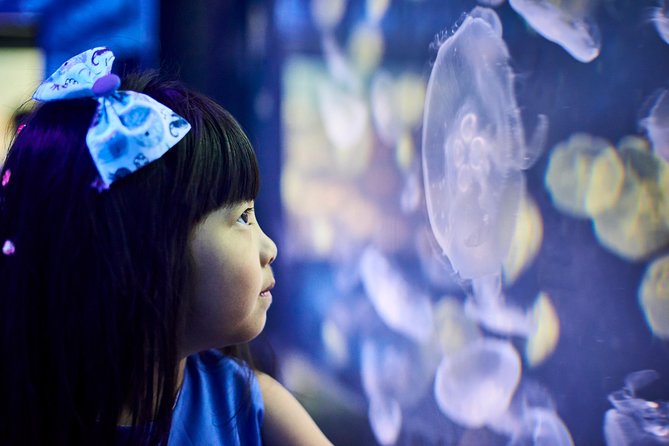
This aquarium isn’t shy about showing you something prehistoric-feeling. One standout is a 5.5m saltwater crocodile in the Croc Lair area.
The reason I think this works for visitors is simple: it changes the emotional rhythm of the day. After the cuteness of penguins and the floating magic of jellyfish, you get something that feels like a real-world predator. It’s a memorable contrast, and it tends to pull everyone in, even the people who say they’re only here “for the penguins.”
You’ll also encounter crocodile theming tied to the Northern Territory concept. The exhibit approach makes it easier for kids to understand that different Australian regions have different wildlife.
Daily feedings and expert talks: the easiest upgrade to a normal aquarium day
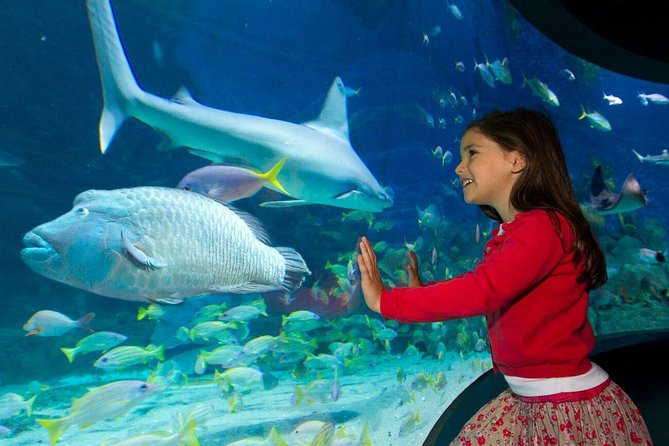
The ticket includes animal feedings and lectures, which is where SEA LIFE Melbourne becomes more than an indoor zoo of tanks. Feedings add timing to your visit. Talks add context. And that combo helps your family leave with more than just a bunch of photos.
The practical way to use this: don’t treat it like a show with fixed seats. Instead, treat it like a reason to pause when you hear the feeding starts or see a small group gathering. If your kids get restless, a feeding moment is the perfect reset.
Also, know that the staff on hand are used to questions. If your child asks why a seahorse doesn’t swim like a fish, you’re likely to get a clear answer. That kind of interaction is what makes the learning feel natural instead of forced.
4D short film and other add-ons inside the experience
There’s a 4D short film listed as part of the overall visitor experience, and it’s also mentioned as a highlight. If your group likes short, sensory movie breaks between exhibit sections, it can help break up the walking.
One caution: 4D-style experiences can be intense for very young kids or anyone who dislikes motion and sound effects. If your child is sensitive, you might want to choose your moments carefully rather than assuming it will work for everyone.
Crowds, noise, and timing: when you should avoid school holiday chaos
A pattern shows up clearly: on school holidays and public holiday periods, the aquarium can become crowded and noisy. Expect more prams, more running, and a layout that can feel chaotic if you hit peak family flow.
My advice is simple:
- If you can, aim for weekdays or quieter times
- Give yourself extra time between top exhibits
- Plan a “must-see list” so you’re not chasing everything at once
It’s not that the aquarium is bad. It’s that crowd density changes how you experience the tanks. In a packed environment, even a good exhibit can feel hard to enjoy.
If you’re visiting with very young kids, this is especially important. A crowd can make it tough to find calm viewing and easy pathways.
Facilities and comfort: strollers, lifts, and moving around
SEA LIFE Melbourne is set up for family visits, and that includes stroller parking and stroller hiring. That’s a big deal if you’re traveling with kids and you don’t want to haul your own gear around Melbourne.
One practical drawback that comes up is that lift access may not be ideal. Some reports mention limited lifts and one being out of service. If your group relies on elevators for mobility, it’s worth arriving with the mindset that you might need to adjust your route on the day.
Also keep an eye on how the attraction handles closing time. Some visitors noted lighting dimming a bit early near the end of the day, which can affect the mood of the final exhibits.
So who should book this ticket?
This ticket is a great fit if:
- You’re visiting with kids who enjoy penguins, sharks, and hands-on-feeling moments
- You want a family-friendly aquarium day with included feedings and talks
- You’d like a self-paced route through Australian-themed habitats
It may be less ideal if:
- You’re a couple hoping for a quiet, adult-only museum style visit
- You’re aiming for a calm, low-crowd experience in the middle of school holidays
- You need lots of elevator support without any route friction
For families, though, it’s the kind of place that makes everyone participate. Kids get their big moments (penguins and crocodiles). Adults get the marine-life education through talks and the chance to notice details like seahorse movement and jellyfish behavior.
Should you book the SEA LIFE Melbourne Aquarium admission ticket?
Yes, if you want a straightforward aquarium day with included feedings and expert talks, and especially if penguins and sharks are on your family’s must-see list. At $27.97, the price feels reasonable when you factor in the self-guided 15 themed zones and the on-site animal moments.
I’d book with caution if you can’t change your dates and you’re locked into a busy school holiday window. In that case, go in prepared for crowd noise and plan your route around the highlights.
If you want the best experience, pick a quieter time, give yourself time to slow down for the smaller exhibits, and treat the day like a flexible walk through ecosystems rather than a strict checklist.