REVIEW · MELBOURNE
Melbourne: SEA LIFE Aquarium Entrance Ticket
Book on GetYourGuide →Operated by SEA LIFE Melbourne · Bookable on GetYourGuide
Fresh air in the middle of the city gets replaced by sea-watching magic. SEA LIFE Melbourne Aquarium lines up iconic animals and interactive exhibits along the Yarra River, and you can move at your own pace. You’ll start with the basics and end with encounters like penguins on Antarctic-style ice and a crocodile named Pinjarra.
My favorite part is how the aquarium makes big, hard-to-imagine creatures feel close, especially at the Bay of Rays and around the enormous Oceanarium. I also like that it’s not just looking. There are daily talks, shark and ray feedings, and kid-friendly hands-on moments that keep the day moving.
One thing to think about: it can feel crowded in peak times, and some areas can be closed during refurbishments, so you might not see everything on every visit.
In This Review
- Key things to look for at SEA LIFE Melbourne
- SEA LIFE Melbourne’s smart location on the Yarra River
- Price, timeslots, and how long you should plan for
- A self-guided day across 12 zones (and why the route matters)
- Bay of Rays: stingrays up close without the fuss
- Pinjarra the saltwater crocodile: the showstopper people remember
- Elephant sharks: a world-only exhibit that makes the day feel special
- Seahorse paternity ward: learning that doesn’t feel like a lecture
- Ocean Invaders jellyfish exhibit: the new-world science corner
- Penguins on Antarctic ice: king and gentoo favorites
- Oceanarium fish feeding from the top of the big tank
- Daily presentations, shark and ray feedings, and timed energy
- Touch pools and 4D cinema: adding variety to the long walk
- Food, facilities, and surviving a busy city attraction
- What if exhibits are closed or screens don’t work?
- Who this is best for (and who might feel it’s short)
- Should you book SEA LIFE Melbourne?
- FAQ
- How long is the SEA LIFE Melbourne ticket valid?
- Do I need to pick an entry timeslot?
- Where is the aquarium located?
- What does the ticket include?
- Can I cancel for a full refund?
- How many animals are on display?
- What are some of the must-see exhibits?
- How long are tickets valid after purchase?
Key things to look for at SEA LIFE Melbourne
- Bay of Rays: sting rays up close, with a viewing setup that works well if you’re early
- Pinjarra the crocodile: a rare chance to see one of Australia’s largest saltwater crocodiles
- World-only elephant shark display: a standout species you won’t find in many aquariums
- Seahorse paternity ward: a learning stop that turns breeding behavior into something you can actually watch
- Ocean Invaders jellyfish exhibit: a newer-style attraction focused on jellyfish life
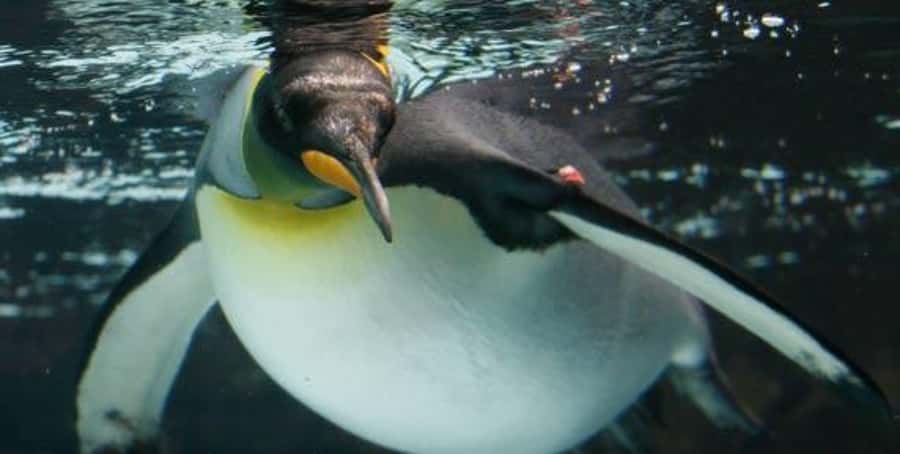
- Antarctic penguin zone: king and gentoo penguins in a cold-climate setting that’s built for repeat viewing
SEA LIFE Melbourne’s smart location on the Yarra River
SEA LIFE Melbourne Aquarium sits in the heart of the CBD, on the banks of the Yarra River, on the corner of Flinders Street and King Street. It’s opposite the Crown Entertainment Complex, so you can pair it with an easy city walk before or after.
This location matters. If you only have one day in Melbourne, you don’t need a car or complex transport. You can also time the aquarium for bad weather, because the whole experience is indoors while still feeling connected to the river outside.
Price, timeslots, and how long you should plan for

The ticket price is $28 per person, and it’s valid for 1 day. Value here comes down to pace and expectations: if you enjoy wandering and re-watching animal sections, it stretches into a proper outing.
You’ll be asked to select a specific entry timeslot after booking on the supplier’s site. That means you’re not just guessing when to arrive, and it can help you avoid the worst of queue time.
How long? A couple of hours is a common sweet spot. Some people comfortably spend 4 hours because there’s so much to slow down for, like penguins and the big Oceanarium area. If you’re trying to do it fast, you may feel like you covered the highlights but not fully enjoyed the flow.
A self-guided day across 12 zones (and why the route matters)
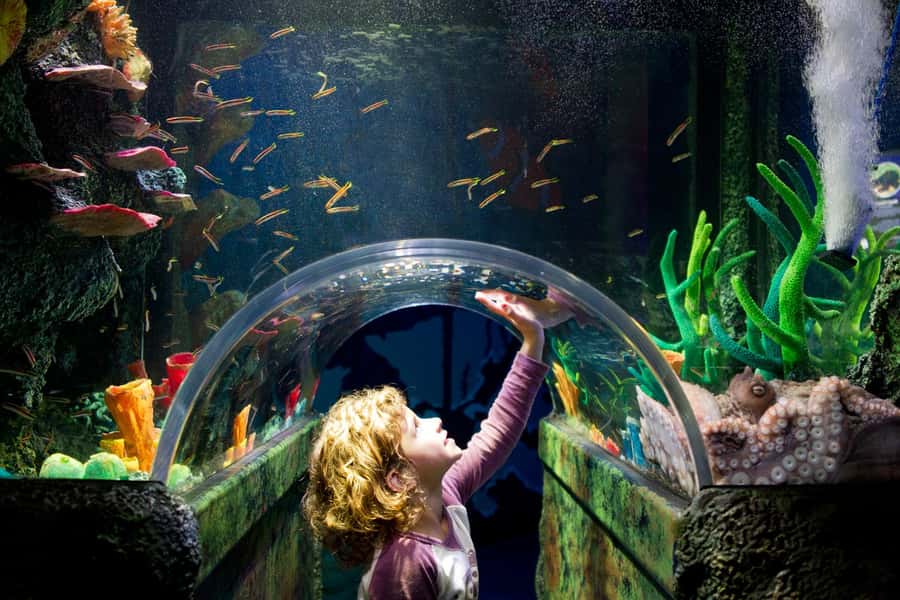
SEA LIFE Melbourne is set up in 12 different zones, with 10,000+ aquatic animals across the circuit. The layout encourages you to keep moving, but you still get control over how long you linger.
Here’s the trick: plan for a mix of “big stops” and “learning stops.” Big stops are the ones you’ll naturally replay (penguins, crocodile, rays, Oceanarium). Learning stops are what give the exhibits meaning, like the elephant shark and seahorse breeding area.
If you’re traveling with kids, build in small breaks at places where the crowd bottlenecks. When the viewing areas get tight, you’ll enjoy the day more if you’re not fighting for position.
Bay of Rays: stingrays up close without the fuss
The Bay of Rays is one of the most memorable sections because sting rays are hard to see well in the wild, and here they’re designed for clear viewing. When you stand in the right spot, you get that great mix of movement and scale.
Crowds can affect this. One good move is to arrive with enough energy to look calmly, then come back later if you want a second look. During packed periods, the viewing angles get narrower, so early tends to be easier.
Also, if you’re traveling with a stroller or kids’ push toys, be ready to navigate tighter spots. Some areas can get obstructed when families are moving through at the same time.
Pinjarra the saltwater crocodile: the showstopper people remember
The aquarium’s saltwater crocodile, Pinjarra, is one of the headline attractions. A crocodile like this is impressive in person, and this one gets positioned as a must-see rather than a background animal.
What I like about this kind of exhibit is the realism. You’re not just watching fish behind glass. You’re seeing a top predator with behavior you can sense: movement, stillness, and that slow, deliberate presence.
A small practical note from real-world experience: if you happen to miss Pinjarra in the moment, staff may be able to help you with photos from their own devices so you still get something to take home. It’s not the same as being there, but it can save a moment of disappointment.
Elephant sharks: a world-only exhibit that makes the day feel special
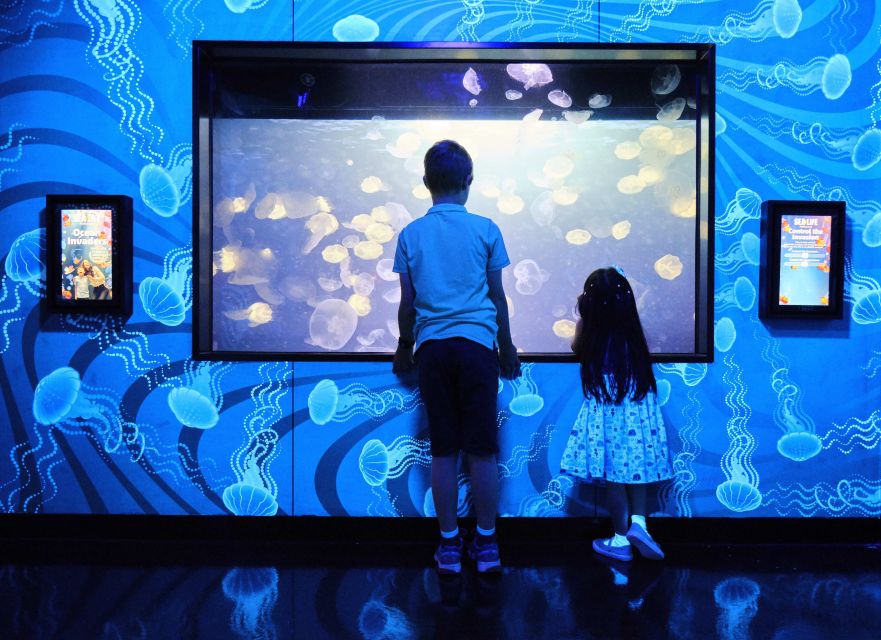
One of the most interesting facts in the whole circuit is that SEA LIFE Melbourne has the world’s only display of elephant sharks. That’s the kind of detail that turns a “standard aquarium visit” into a unique Melbourne stop.
Elephant sharks matter because they’re unusual enough to feel like a genuine discovery rather than a familiar tank setup. You’ll likely spend extra time here, especially if you like learning about animal adaptations and behavior.
If you’re trying to hit the highlights efficiently, this is one section I wouldn’t skip. It’s the reason some visitors choose SEA LIFE over other aquariums.
Seahorse paternity ward: learning that doesn’t feel like a lecture

The seahorse paternity ward is where the aquarium’s educational side shows its best work. It’s designed around an actual biological story, so you’re not just seeing seahorses. You’re seeing how their reproduction is presented in a way that’s easy to understand.
I like these kinds of exhibits because they change your viewing. Once you understand the biology, you notice tiny behaviors you’d otherwise miss, and the exhibit feels more interactive even if you’re just standing and watching.
If you’re visiting with kids, this is also one of those spots that makes questions come naturally, which keeps the experience from becoming purely visual.
Ocean Invaders jellyfish exhibit: the new-world science corner
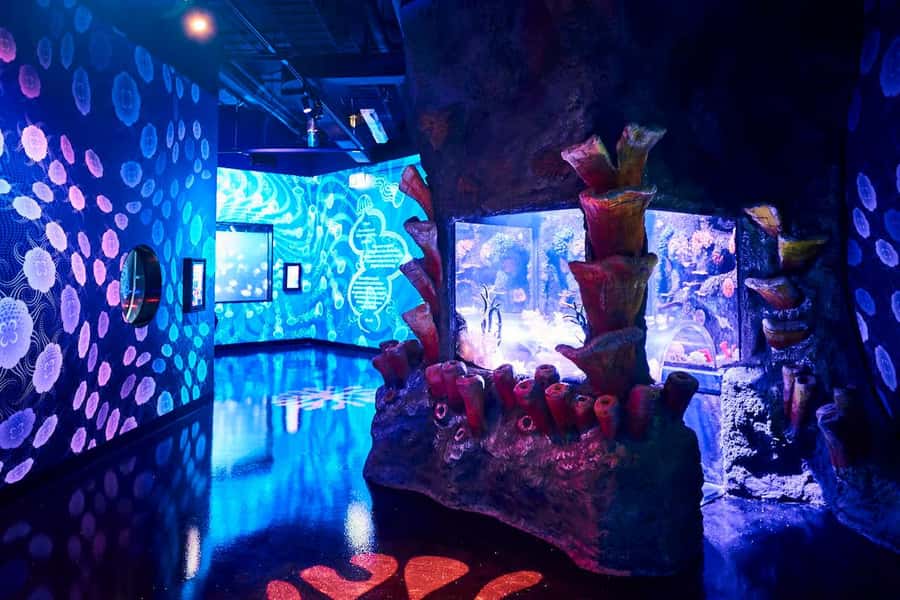
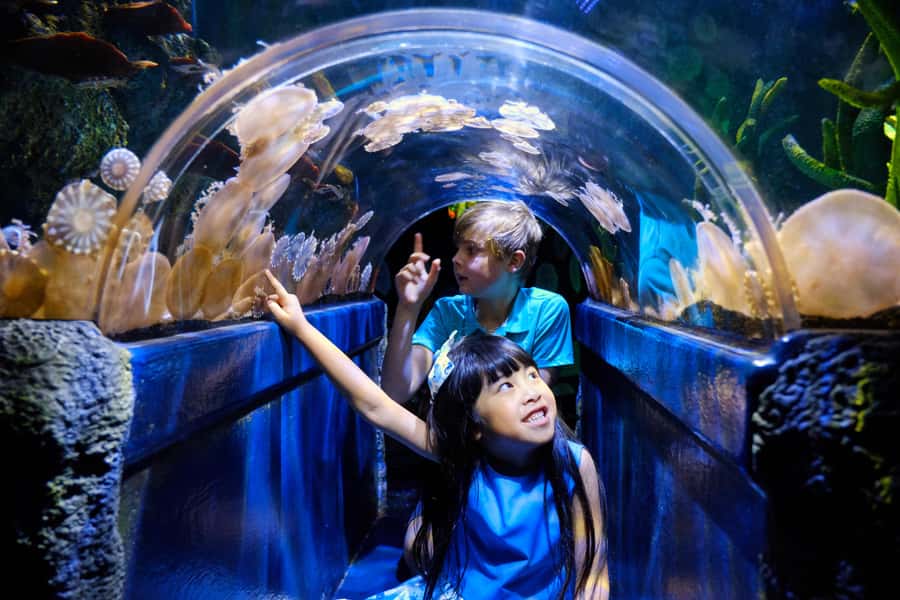
SEA LIFE’s Ocean Invaders exhibit is aimed at jellyfish, including the kind of world you don’t normally get to see up close. Jellyfish can look similar from a distance, but in an aquarium format they become a lot more about movement patterns and life stages than just appearance.
This is a good stop when you want a breather. It’s visually different from the “big animal” tanks, and it helps break up the day so you don’t feel like you’re only staring at the biggest displays.
It’s also a solid option if the day is rainy and the aquarium feels busy. Indoors, you can linger without worrying about weather at all.
Penguins on Antarctic ice: king and gentoo favorites
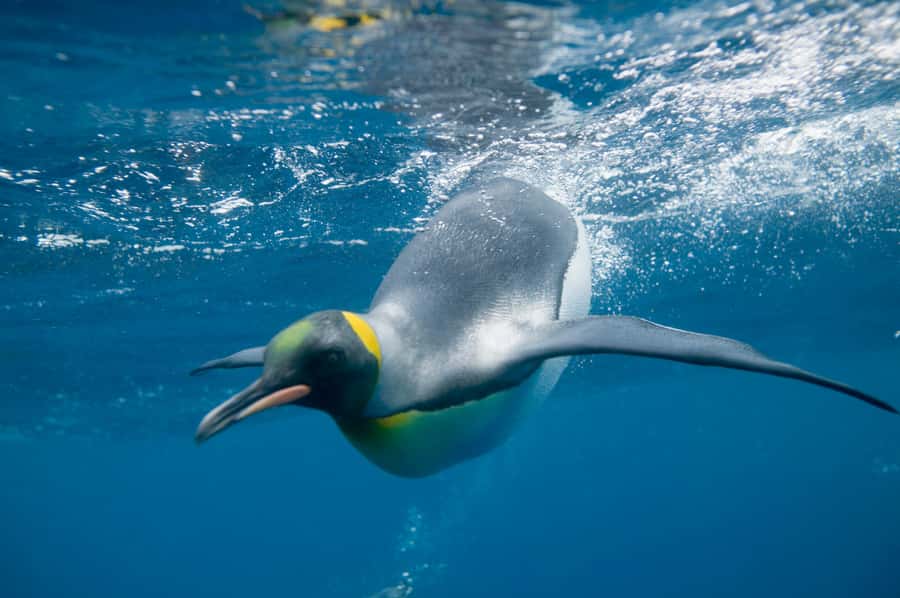
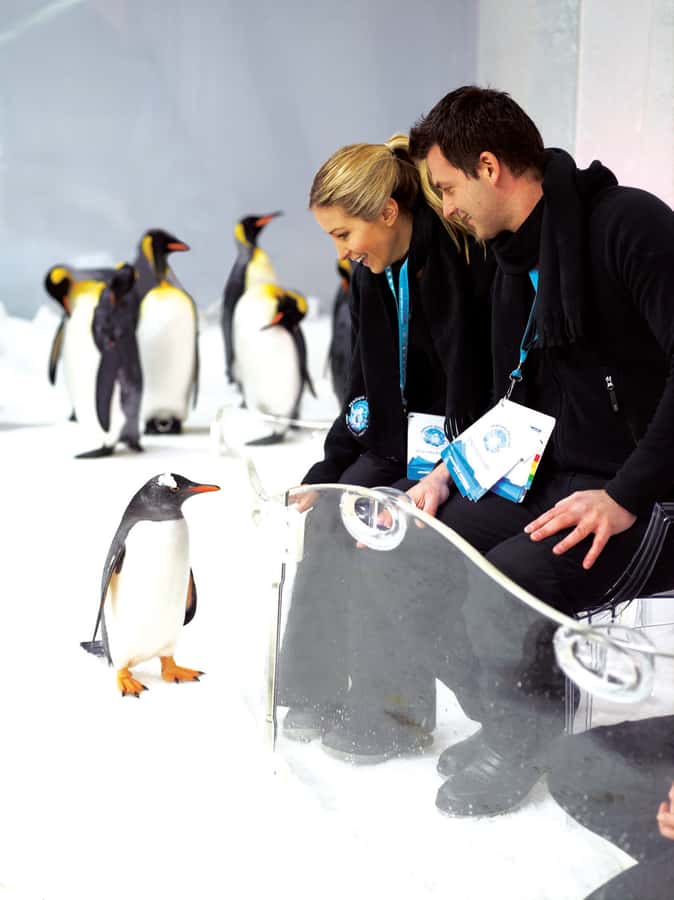
The penguins at SEA LIFE Melbourne are a major reason people talk about the aquarium long after the day ends. You can sit among king penguins and gentoo penguins in an Antarctic-style setup with ice-like viewing.
This section tends to be where the energy spikes. Even if you’re not a penguin person, the movement and feeding moments create instant attention. A lot of visitors also point out how entertaining the penguins are when you’re close enough to see their rhythm.
If you’re photo-obsessed, plan to spend time here. If you’re hoping for a calmer viewing angle, consider timing your visit when you’re less likely to be squeezed at the viewing area. Packed conditions happen, especially on busy afternoons and during school breaks.
Oceanarium fish feeding from the top of the big tank
One of the signature experiences is feeding time in the Oceanarium, a 2.2 million liter exhibit where fish are fed from the top. This is one of those moments that turns the tank into a show, not just a backdrop.
What makes it valuable is the dynamic effect. Fish react, move toward the action, and you get a better sense of how they use the water column. It’s easier to watch behavior when the animals are actively responding to a predictable cue.
To get more out of it, stay flexible. If you can, catch the feeding when it lines up with your route, because it’s a natural reason to slow down at exactly the right time.
Daily presentations, shark and ray feedings, and timed energy
SEA LIFE Melbourne includes daily animal presentations, plus shark and ray feedings. These are built-in rhythm points that make your self-guided day feel more like a planned attraction.
In practice, this means you don’t have to be strategic about everything. You can let the day guide you, then use showtimes to anchor your route. When you hit the right timing, the experience becomes more than “look at tanks.” It becomes watching behavior unfold.
One note: if you’re visiting on a packed day, some of the commentary and viewing spots can be harder to access. You’ll still get the value, but you may need a bit of patience.
Touch pools and 4D cinema: adding variety to the long walk
There are additional experiences like hands-on touch pools and a 4D cinema show. These can be great for families because they break the aquarium pattern of standing and watching behind glass.
I wouldn’t plan your whole day around them, because ticket type details don’t clearly say whether every extra show is included. Still, they’re worth checking once you’re on site, since they can add energy when you’re starting to feel “aquarium fatigue.”
The touch pools also tend to be a highlight for kids, especially when they want a hands-on moment instead of another tank.
Food, facilities, and surviving a busy city attraction
You’ll find a café for breaks during your visit, and some visitors mention hot chips as a solid treat after walking around for hours. That said, real-world reviews have also flagged occasional mess in the food area, like dirty tables or the floor.
My advice is simple: bring a small pack of wipes or tissues and do a quick check before you sit. If you’re with kids, this little habit saves time and prevents cranky moments.
Also, plan around crowd flow. On wet days the aquarium can get packed, and that can make it feel like families are moving through at once. If you’re flexible, you can find quieter windows between peak times.
What if exhibits are closed or screens don’t work?
A couple of practical issues can pop up. Some sections may be closed at times due to renovations, and some visual touch screens may occasionally fail.
This doesn’t ruin the day, because the core attractions like penguins, crocodiles, rays, and the elephant shark display are still the main draw. But it’s smart to keep expectations flexible. If you only want one or two animals, check day-of information once you arrive.
The layout is generally praised for being easy to follow, so even if one segment is down, you can reroute without stress.
Who this is best for (and who might feel it’s short)
This is a great fit for families. It’s built for kids’ attention spans, with hands-on parts, animal feedings, and a penguin area that practically forces you to slow down.
It’s also good for adults who like marine life, especially if you enjoy learning and animal behavior rather than just collecting photos. The elephant shark display is a special reason to come even if you’re not traveling with children.
But if your group is mostly adults and you’re expecting a long, deep educational museum experience, it may feel like a shorter day unless you plan time to linger. One helpful approach: aim for a 2–3 hour visit as a baseline, and give yourself permission to extend if you’re still enjoying it.
Should you book SEA LIFE Melbourne?
Book it if you want a classic Melbourne indoor attraction that feels genuinely interactive. For $28, you’re getting 10,000+ animals, major headline species like Pinjarra and elephant sharks, plus penguins and feedings that create real moments instead of only static viewing.
Skip or reconsider if you only have a short window and you’re not interested in penguins or rays. Crowds can also be a factor, especially in school holiday periods, so if you hate tight spaces, plan a timing strategy or go earlier in the day.
Overall, SEA LIFE Melbourne is an efficient, satisfying way to experience a wide range of marine life in one outing, right where you already are in the CBD.
FAQ
How long is the SEA LIFE Melbourne ticket valid?
Your ticket is valid for 1 day.
Do I need to pick an entry timeslot?
Yes. After booking, you select a specific timeslot for entry on the supplier’s website.
Where is the aquarium located?
SEA LIFE Melbourne Aquarium is on the corner of Flinders Street and King Street, on the banks of the Yarra River, opposite Crown Entertainment Complex.
What does the ticket include?
It includes an entrance ticket.
Can I cancel for a full refund?
Yes, you can cancel up to 24 hours in advance for a full refund.
How many animals are on display?
There are over 10,000 animals on display.
What are some of the must-see exhibits?
Highlights include the Bay of Rays, the saltwater crocodile Pinjarra, the world’s only display of elephant sharks, the seahorse paternity ward, Antarctic king and gentoo penguins, and the Ocean Invaders jellyfish exhibit.
How long are tickets valid after purchase?
Tickets are valid for 1 year from the purchase date.