REVIEW · TAMPA
The Florida Aquarium Ticket
Book on GetYourGuide →Operated by The Florida Aquarium · Bookable on GetYourGuide
A visit to the Florida Aquarium feels like walking through habitats. You get three hands-on touch pools plus major galleries like the panoramic Coral Reef Gallery, and it’s all wrapped in a big glass dome experience. One thing to plan for: the aquarium is not huge, so if you rush, it can feel pricey for how fast you move through.
What I like most is how the experience mixes up close animal encounters with shows and interpretation. You’ll also spend time under the free-flying bird aviary area with mangrove-style tunnels, while otters and alligators share the same big “river and swamp” vibe overhead. The ticket is a solid day plan, especially if you’re okay taking breaks and lingering around the interactive exhibits.
In This Review
- Key highlights you’ll care about
- Florida Aquarium Ticket in Tampa: what your one-day plan really looks like
- The big-ticket star: Coral Reef Gallery and the dome atmosphere
- Your hands-on time: Stingray Touch, No Bone Zone, and Moon Bay
- MORPH’D: learning how animals fit their environment
- Sea-to-tree layout: how to tour efficiently without feeling rushed
- Shows, presentations, and small breaks that keep kids engaged
- SeaTREK and the Wild Dolphin Cruise: great add-ons, not automatic parts of this ticket
- Price and value: is $36 per person fair?
- Getting there in Downtown Tampa: easy with the streetcar, simple with nearby parking
- If you’re using the TECO streetcar/trolley
- If you’re driving
- What to bring (and what to plan for) for a smooth day
- Should you book this Florida Aquarium ticket?
- FAQ
- How long should I plan to spend at The Florida Aquarium?
- What’s included with this Florida Aquarium ticket?
- Are the touch pools part of the ticket?
- Where do I enter the aquarium?
- Is parking included with the ticket price?
- Can I enter later than my reserved time?
- Is SeaTREK or the Wild Dolphin Cruise included?
Key highlights you’ll care about
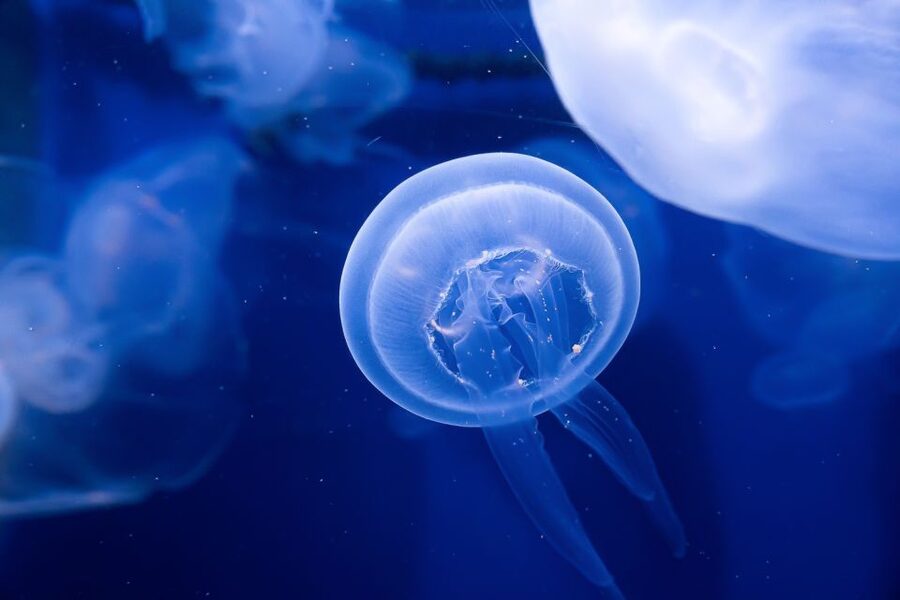
- Three touch pools: Stingray Touch, No Bone Zone, and Moon Bay (including jelly contact)
- Big set-piece viewing: the 500,000-gallon Coral Reef Gallery with sharks, stingrays, sea turtles, and more
- Adaptation-focused fun: MORPH’D helps explain how animals fit their environment
- Sea-to-tree layout: you move from sea-level displays up toward tree-level exhibits
- Hands-on + air-time: free-flying birds plus animal ambassadors in multiple zones
Florida Aquarium Ticket in Tampa: what your one-day plan really looks like
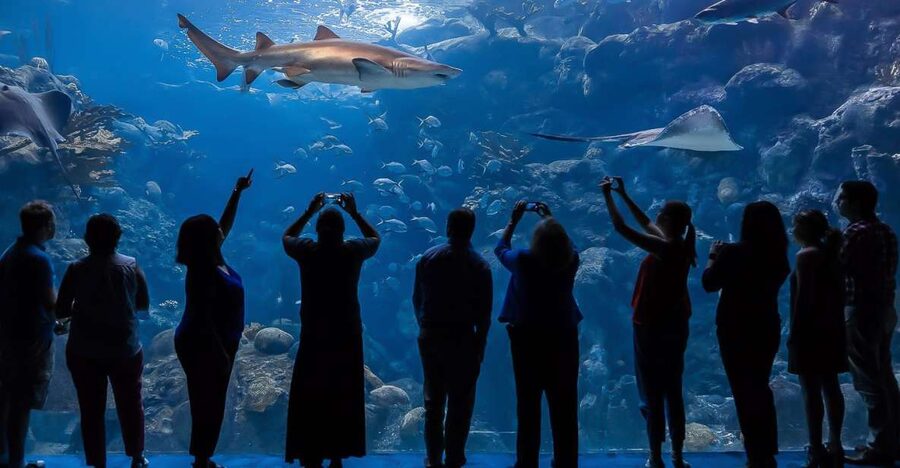
This is a straightforward ticket for a full day at The Florida Aquarium in Downtown Tampa’s Channel District. You’re buying general admission for one day, with access to everything in the aquarium, including 3 touch pools and educational/entertaining shows or presentations. The day is built to keep you moving between different kinds of exhibits—big viewing tanks, smaller learning stations, and actual chances to touch certain animals (with the usual safety rules in place).
The Florida Aquarium’s best trick is pace. It feels like you’re traveling through environments rather than just staring at a wall of fish. The layout is described as a journey from sea level to tree level, and that matters because it gives your eyes a reset. After you’ve spent time with reef life, it’s easier to stay engaged when the next section shifts into a different style of habitat and animal activity.
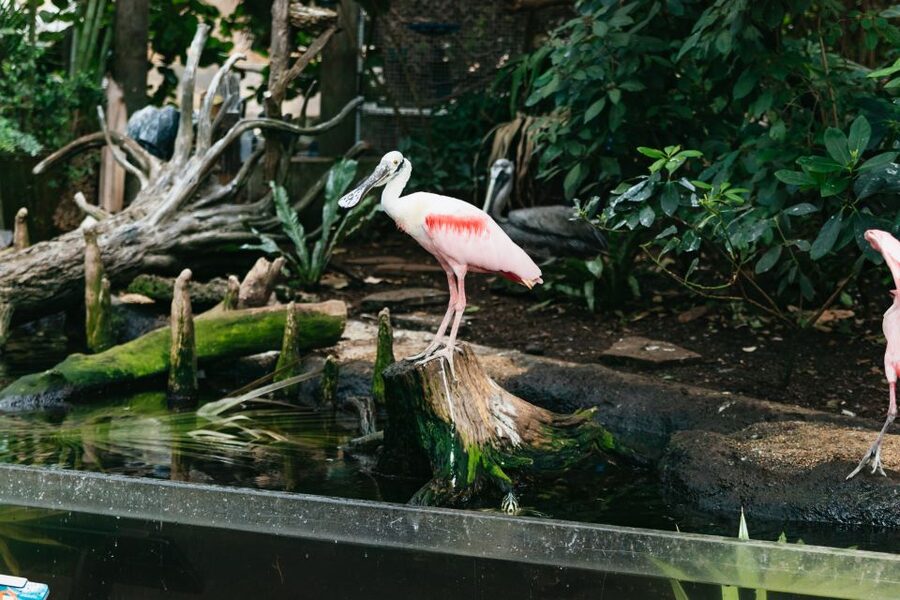
There’s also the big glass-dome setting. Under that iconic dome you can find the free-flying bird aviary area, native fish flowing water exhibits, energetic river otters, and imposing alligators. In other words, this isn’t only a “look at fish” aquarium. It’s more like a guided tour through several ecosystems, even when you’re walking on your own.
The big-ticket star: Coral Reef Gallery and the dome atmosphere
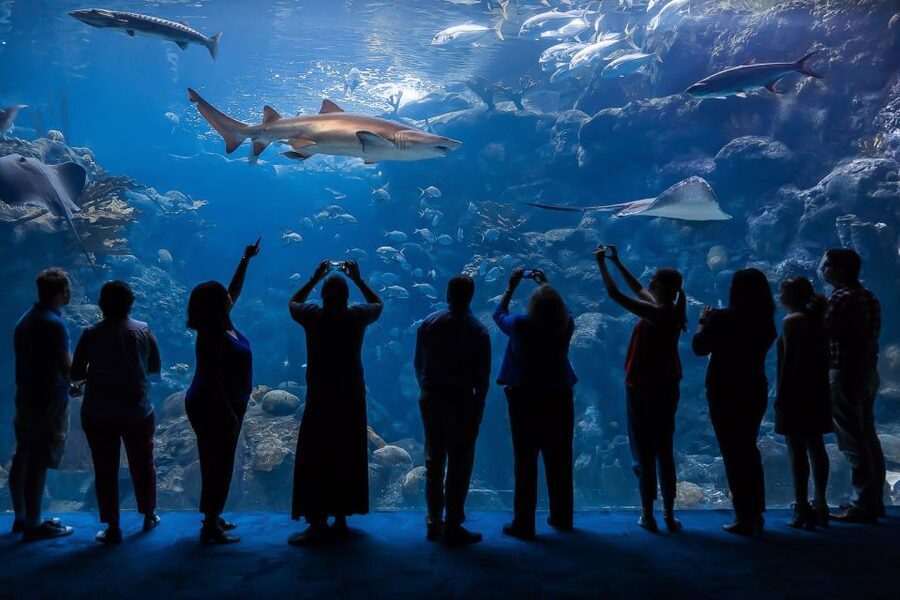
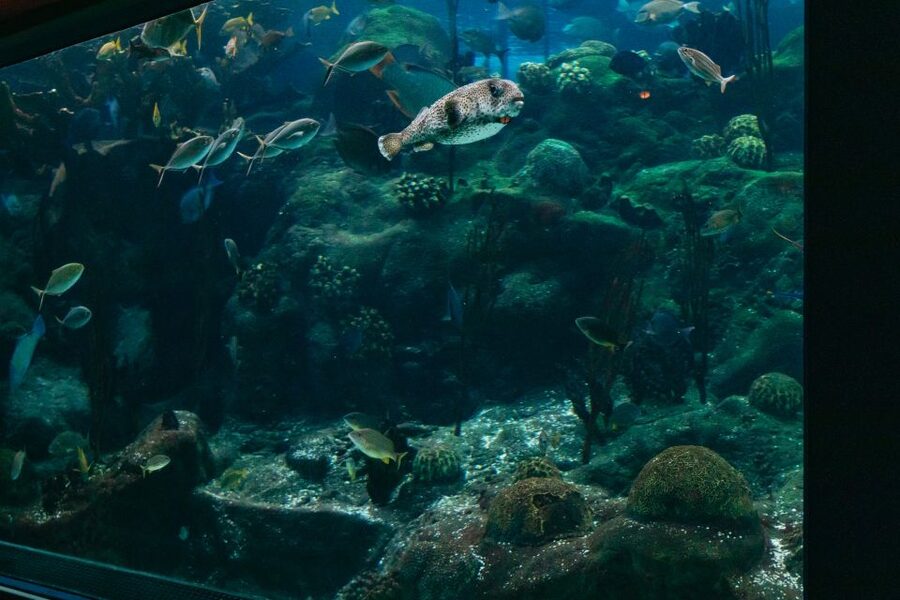
If you only give yourself time for one must-do zone, make it the Coral Reef Gallery. It’s a 500,000-gallon panoramic display—huge enough that you don’t feel like you’re peeking at one small corner of the ocean. Expect the main highlights you’d want for a first visit: sharks, giant stingrays, endangered sea turtles, barracudas, and plenty of reef fish.
What’s practical about this: when you see a tank this size, you can pace your visit. You can spend 10 minutes watching behavior, then step away, then come back and catch something you missed. A lot of aquariums feel “same-same” if you only do quick glances. Here, the sheer scale helps slow you down in a good way.
Then there’s the dome. The aquarium’s glass dome creates a kind of sheltered, indoor-outdoor feel. That matters on hot days and also on rainy days when Downtown Tampa weather can surprise you. Under that dome you’ll meet the birds and the semi-natural Florida/river settings that make the aquarium feel alive rather than sterile.
Your hands-on time: Stingray Touch, No Bone Zone, and Moon Bay
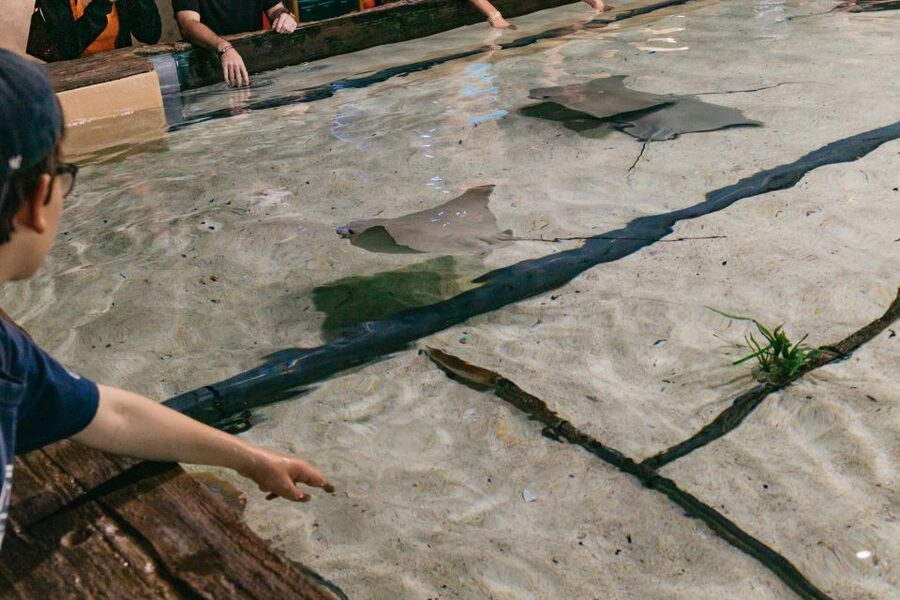
This is where the ticket starts to feel worth it—because you’re not just viewing. You’re participating. The general admission includes access to three different touch pools, and the aquarium highlights them by name:
- Stingray Touch: the classic close-up moment. You can watch how the rays move and learn what staff explain while you’re in the water-touch zone.
- No Bone Zone: an interactive area focused on softer-bodied creatures.
- Moon Bay: a hands-on spot where you can touch jelly.
The “change of clothes” tip isn’t random. If you’re doing touch pools, you should plan for the kind of small splashy moments that happen when you’re in close contact with water and animals. Bring an extra outfit so you don’t end your day feeling damp and uncomfortable.
Timing also matters. The aquarium isn’t enormous, so you can run into a “we did it too fast” problem if you treat touch pools as a checklist. My advice: treat touch pools as anchors. Plan to arrive ready to spend actual time at each one. That’s the best way to stretch the value of your ticket, especially if you’re visiting with kids or anyone who learns best by doing.
MORPH’D: learning how animals fit their environment
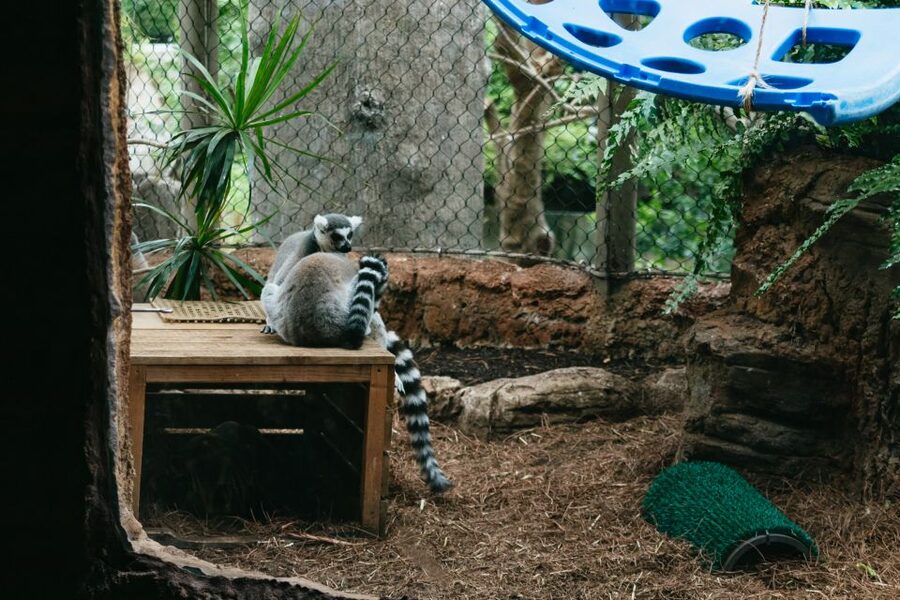
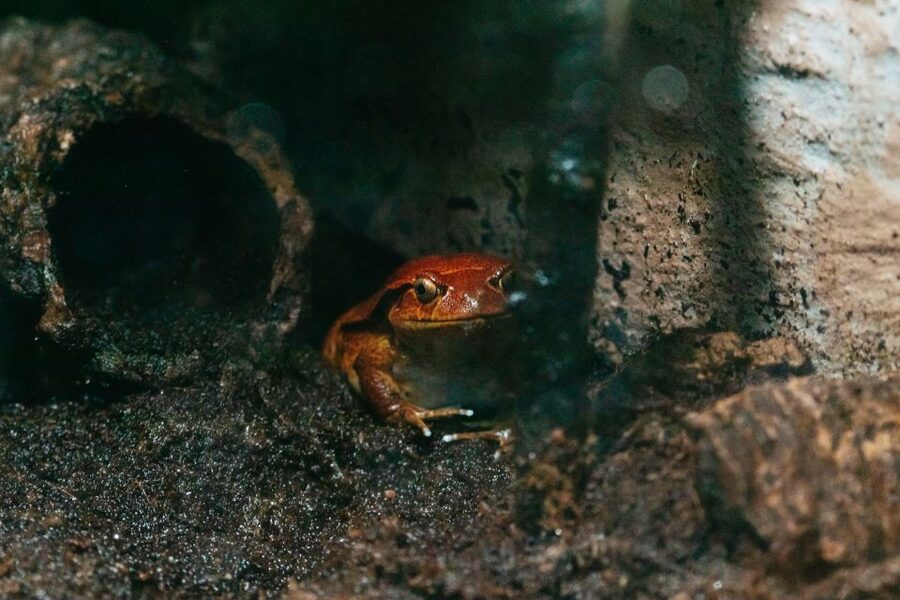
MORPH’D is one of the headline attractions for adaptation and form—how body design helps animals survive. You’ll see examples like seahorses and other Florida-and-global species ambassadors mentioned as part of the exhibit mix. You might also see lemurs referenced alongside other animal learning moments during your walk.
What makes MORPH’D useful for your day isn’t that it’s a science lecture. It’s that it gives you a way to connect what you’re seeing in the tanks and touch areas back to a bigger idea: evolution isn’t random. It builds tools and shapes for specific conditions.
If you’re visiting with kids, this kind of exhibit gives them a break from “just fish” viewing and gives them language to talk about what they’re noticing: camouflage, feeding adaptations, movement, and defense strategies.
Sea-to-tree layout: how to tour efficiently without feeling rushed
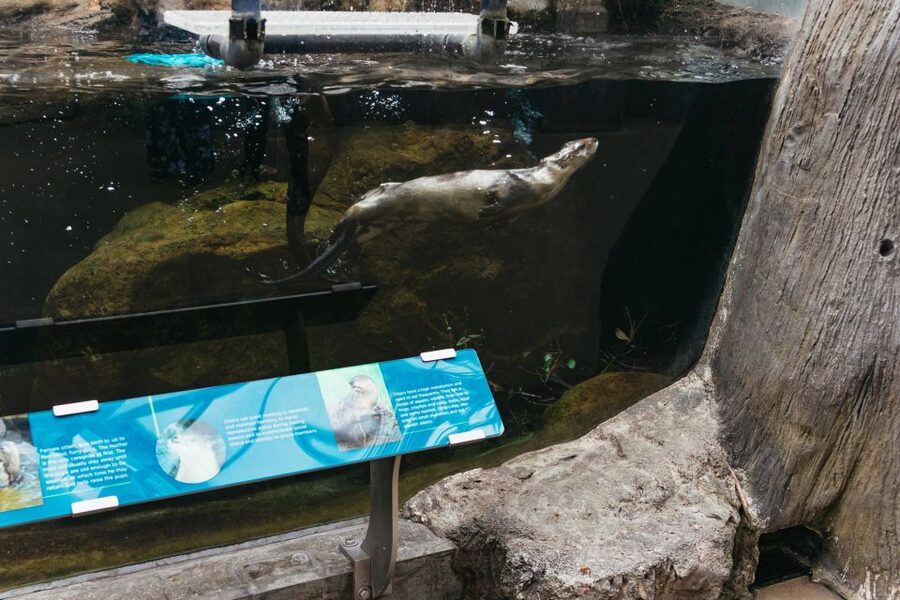
The aquarium is set up so you can move through layers of habitat—from sea-level areas up toward tree-level exhibits. You’ll also notice a multi-story layout in how many areas feel visible across floors. That’s helpful because it gives you options: if one zone feels busy, you can shift your attention to another level for a while.
Here’s how I’d structure a smooth day without guessing too much about exact exhibit order:
- Start with a big visual win (Coral Reef Gallery) so you get your “wow” early.
- Work toward the hands-on zones once you’ve warmed up—touch pools are easier to enjoy when you’re not yet tired.
- Use MORPH’D and learning stations as your mid-day reset.
- Finish with the dome highlights (birds and river settings) so your last memories feel active.
The aquarium staff and signage can guide you, but the sea-to-tree idea is the key. If you force yourself to follow the idea of moving upward through habitats, the experience stays coherent instead of turning into random walking.
Shows, presentations, and small breaks that keep kids engaged
Your ticket includes educational and entertaining shows or presentations, and that’s a big deal because it changes the tempo. When a day turns into only walking, it’s harder for kids (and adults) to stay focused. Short presentations give everyone a reason to pause, sit, and refocus.
Even if you don’t time your whole visit around a schedule, check what’s running when you arrive. Then build your route so you’re near a presentation area around that time. That’s how you avoid two classic problems: missing the show and feeling like you’re hunting it.
A few extra notes from real-life day planning:
- Some people point out that there may be construction or temporary closures for certain exhibits, so build flexibility into your plan.
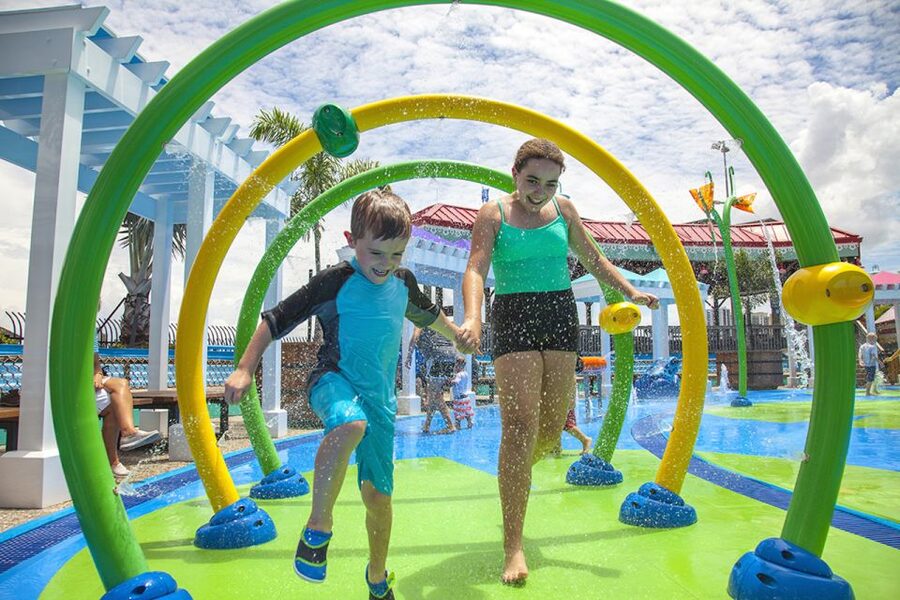
- There’s talk of splash-pad and playground areas near the aquarium experience zones, plus a 4D movie mentioned by some visitors. Since seasonal hours can change, treat these as bonus options you might catch, not something you should bet your whole day on.
SeaTREK and the Wild Dolphin Cruise: great add-ons, not automatic parts of this ticket
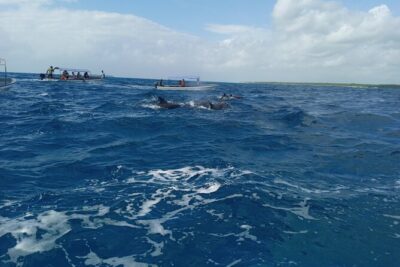
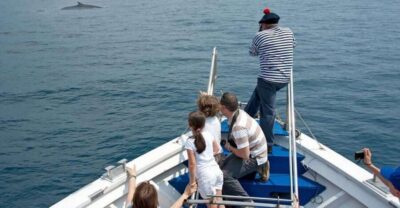
The Florida Aquarium is also the jumping-off point for water-based experiences like SeaTREK and the Wild Dolphin Cruise. Your included ticket here is general admission (plus touch pools and shows), so treat SeaTREK and the dolphin cruise as options you can add on based on time and budget.
One review detail I found useful: the 75-minute Wild Dolphin Cruise was described as under $20 for one visitor. That’s not a promise, but it’s a helpful reference point when you’re deciding whether to spend more once you’re in Tampa.
If you’re doing both the aquarium and the cruise on the same day, keep your schedule realistic. A dolphin cruise takes time, and the aquarium can also take more than you think once you’re doing touch pools and lingering at the reef tank.
Price and value: is $36 per person fair?
At $36 per person, this is not a cheap “quick stop.” The aquarium’s size is a common theme—some people feel they walked through in about 1.5 hours if they moved fast, and others were happy spending closer to 3 hours. The recommended time is at least 2 hours, which matches the idea that the value comes from not sprinting.
So here’s the balanced way to judge the price:
- If you only do the big viewing tanks and skip touch pools and presentations, you may feel you paid too much for the time you spent.
- If you slow down for touch pools, linger in the Coral Reef Gallery, and catch at least one show/presentation, you’re using what you actually paid for.
It also depends on how many people you’re traveling with. One family felt the total for three people was too much, suggesting a lower price would fit better for a self-guided pass. Another visitor emphasized the value of buying in advance compared with paying more directly at the door and mentioned savings on a family purchase. Translation: the price feels different depending on how you book and what deal you get.
My practical rule: if you’re the type who likes to read signage, watch animal behavior more than once, and stay in hands-on areas long enough to get the full experience, $36 is more likely to feel fair. If you want a fast walk-through, aim to budget additional time elsewhere in Tampa—so the day feels like an outing, not just an admission ticket.
Getting there in Downtown Tampa: easy with the streetcar, simple with nearby parking
Location is one of the strongest practical advantages here. The aquarium sits in Downtown Tampa in the Channel District, along the free streetcar route, and it’s between two cruise ship terminals. That means you can line up your day with other Tampa waterfront plans.
If you’re using the TECO streetcar/trolley
You can disembark at either:
- Amalie Arena station, then walk east about 1.5 blocks on Channelside Drive, or
- The Florida Aquarium station, then walk south about 0.5 blocks on Channelside Drive
This is handy if you want to avoid parking hassle.
If you’re driving
Parking isn’t included in the ticket price. You’ll find options within walking distance, including:
- A City of Tampa lot north of the aquarium on Channelside Drive (pay at pay stations with major credit cards)
- A privately managed parking garage across from the aquarium with variable rates
One small timing tip from a real visit: for parking before 11am, waiting a few minutes for someone to leave helped. That’s not a universal strategy, but it’s a good reminder not to assume the first spot you see is the only chance.
After the aquarium, you’re set up for easy walks to the Riverwalk, historic Ybor City, and Sparkman Wharf. This matters because it lets you stretch your day without cramming everything into a single building.
What to bring (and what to plan for) for a smooth day
The aquarium’s “know before you go” points are short, but they affect comfort:
- Bring a change of clothes for touch pool time.
- Your entry is valid at your reserved time or later on the same day only, so don’t plan to show up hours outside your reservation window.
- The aquarium is closed on Thanksgiving Day and Christmas Day.
- There are limited rentals for wheelchairs, electric scooters, and strollers available daily, so if you need one, plan ahead.
Also, give yourself at least 2 hours. People who are content with a fast circuit might see the whole place in less, but the most satisfying visits usually involve slowing down for the interactive zones and giving the reef tank a real moment.
Should you book this Florida Aquarium ticket?
Book it if you want an easy, one-day Tampa plan that blends big aquarium viewing with hands-on experiences. The biggest value drivers for your day are the three touch pools, the panoramic Coral Reef Gallery, and the combination of dome-level animal areas plus adaptation learning like MORPH’D.
Skip it or adjust your expectations if you’re looking for a long, sprawling day. This aquarium can be finished faster than you might expect if your style is quick walking and minimal participation. If that’s you, spend the money gladly—but pair the aquarium with a second activity around Downtown Tampa so your day still feels full.
FAQ
How long should I plan to spend at The Florida Aquarium?
It’s recommended to allow at least 2 hours for your visit.
What’s included with this Florida Aquarium ticket?
General admission is included, with access to all exhibits, 3 touch pools, and educational and entertaining shows or presentations.
Are the touch pools part of the ticket?
Yes. The ticket includes access to all 3 touch pools.
Where do I enter the aquarium?
Follow signs to enter through The Florida Aquarium’s main entrance.
Is parking included with the ticket price?
No. Parking is not included, though several parking options are within walking distance.
Can I enter later than my reserved time?
Your entry is valid at the reserved time or later on the same day only.
Is SeaTREK or the Wild Dolphin Cruise included?
The ticket details provided include general admission plus touch pools and shows. SeaTREK and the Wild Dolphin Cruise are described as water activities available at the aquarium, so you should expect they may require a separate add-on beyond general admission.