REVIEW · GENOA
Aquarium of Genoa Ticket and Whale Watching Cruise
Book on GetYourGuide →Operated by C-WAY Srl Unipersonale · Bookable on GetYourGuide
A day with sea life is hard to beat in Genoa. The Aquarium of Genoa gives you an eye-opening look at marine species from around the world, and the 4-hour Pelagos Sanctuary cruise is guided by a marine biologist so you learn how to spot cetaceans without messing with their behavior. I like that the experience feels both educational and genuinely fun, with lots to see whether you’re traveling as a couple or with kids; the one real drawback is that whale-watching is weather- and sighting-dependent, so you’ll want a little flexibility in your schedule.
You also get a rare kind of flow: start indoors with tanks and specimens, then slide right into the open-water world from the pier next to the aquarium. In practice, that makes the day feel efficient instead of rushed across town.
One more thing to consider: the aquarium entrance and the whale-watching time are tied to your bookings in different ways, so you’ll want to pay attention to the date you pick for your ticket and the time slot for the cruise.
In This Review
- Quick take: key highlights you’ll feel right away
- Aquarium of Genoa: a big-room crash course in marine life
- What makes the whale cruise special: Pelagos Sanctuary routes from Genoa
- The marine biologist guide: how to spot cetaceans without interfering
- Timing that keeps the day smooth: when the cruise starts matters
- Price and value: what $85 buys you in a real day
- What to pack: small items that make a big difference on deck
- If the sea is calm and you spot cetaceans, great; if not, you still have options
- Best day-trip fit: who this is for (and who should pick a different plan)
- Season and expectations: when to plan your dates
- Should you book the Aquarium and Whale Watching combo?
- FAQ
- What’s included in the ticket?
- How long is the whale-watching cruise?
- Where does the whale-watching boat depart from?
- What if the weather is bad and the cruise can’t run?
- What if we don’t see whales or dolphins?
- When is the experience available?
- What languages are the live guide available in?
- What should we bring for the day?
Quick take: key highlights you’ll feel right away
- One ticket combo: Aquarium entry plus a half-day whale-watching excursion from the pier by the aquarium
- Large, real-world aquarium scale: 70+ exhibits with about 12,000 specimens across 600 species
- Pelagos Sanctuary focus: the cruise runs sea-mammal routes in one of the Mediterranean’s best-known habitats
- Marine biologist guidance: you learn spotting tips and the correct way to behave around whales and dolphins
- If nothing shows up: your whale-watching ticket can be used for another cruise
- Practical day-trip setup: bring sunglasses and a sun hat, and plan to arrive about 30 minutes early for boarding
Aquarium of Genoa: a big-room crash course in marine life
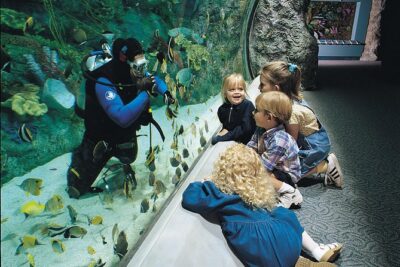
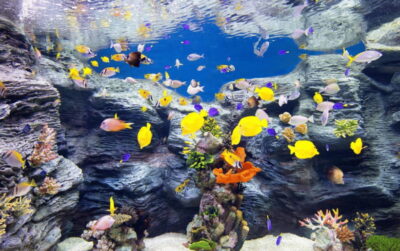
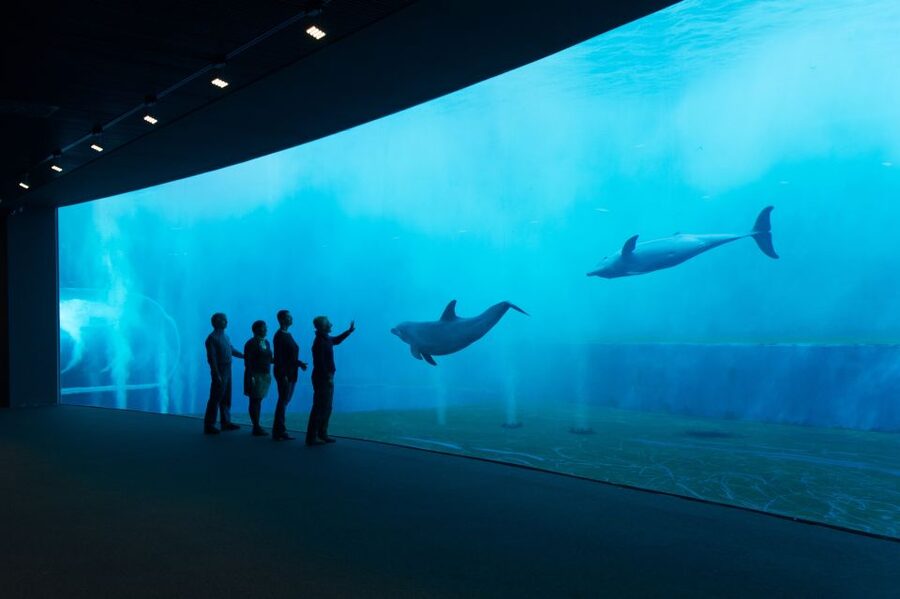
The Aquarium of Genoa isn’t trying to be fancy. It’s trying to be accurate, varied, and full of living diversity. Inside, you’ll find an exhibition gallery with 70+ exhibits and around 12,000 specimens representing about 600 species, pulled from the world’s seas.
This is the kind of aquarium where you quickly understand why people talk about “biodiversity” instead of just “cool fish.” You’ll see everything from larger marine mammals to top predators and the small, weird-looking things you’d never notice in open water.
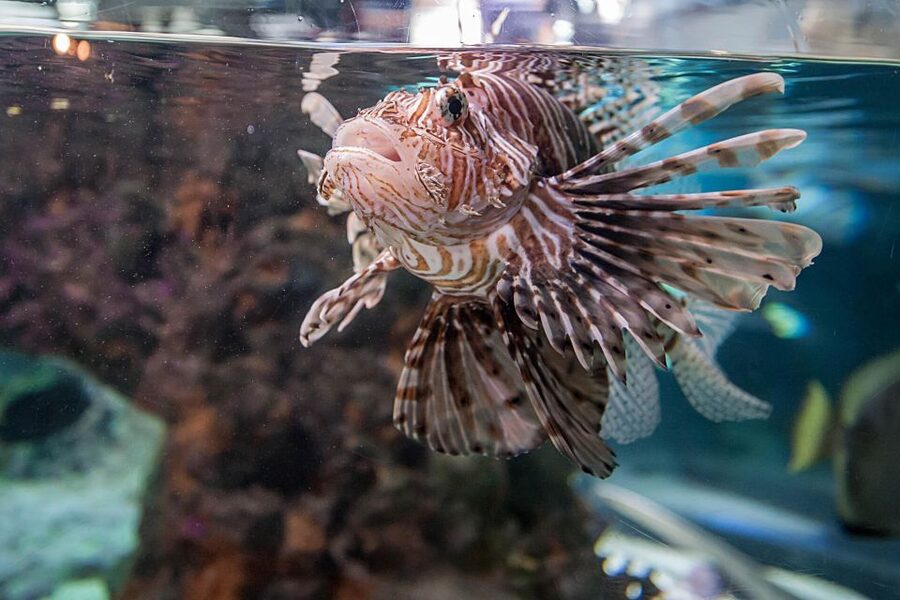
A few groups you can expect to run into: manatees (the brochure logic links them to mermaid legends), dolphins and other well-known stars, penguins, and sharks. You’ll also spend time around jellyfish, seals, and lots of colorful tropical fish—so the day doesn’t become one long loop of the same-looking tanks.
What makes the whale cruise special: Pelagos Sanctuary routes from Genoa
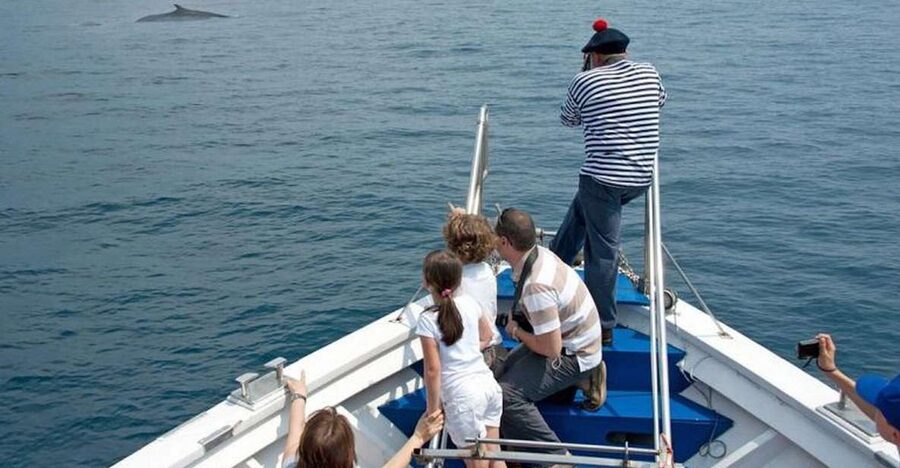
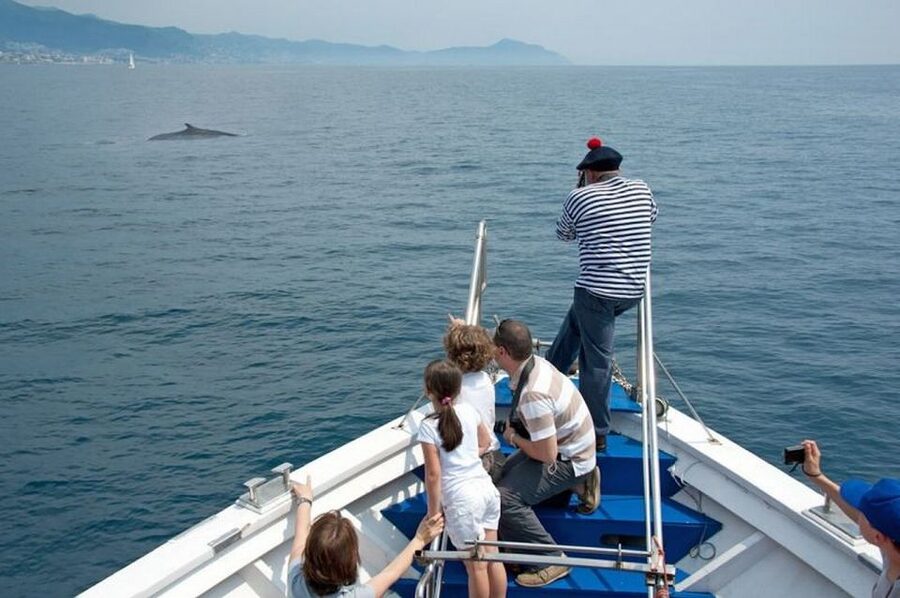
After the aquarium, the day shifts outdoors fast: the whale-watching departure is from Genoa, at the pier next to the Aquarium. That matters more than it sounds. You avoid a long transfer day, and you keep the energy up when you move from glass tanks to real open water.
The cruise runs about 4 hours, and it focuses on the Pelagos Sanctuary sea-mammal routes. The point here isn’t just to get a photo. It’s to be in the right area and to watch for cetaceans in a way that doesn’t push them around.
You’ll spend those hours actively looking across the water—often with the boat adjusting its search behavior based on conditions. That’s why the cruise feels like an experience, not a sightseeing ride.
The marine biologist guide: how to spot cetaceans without interfering
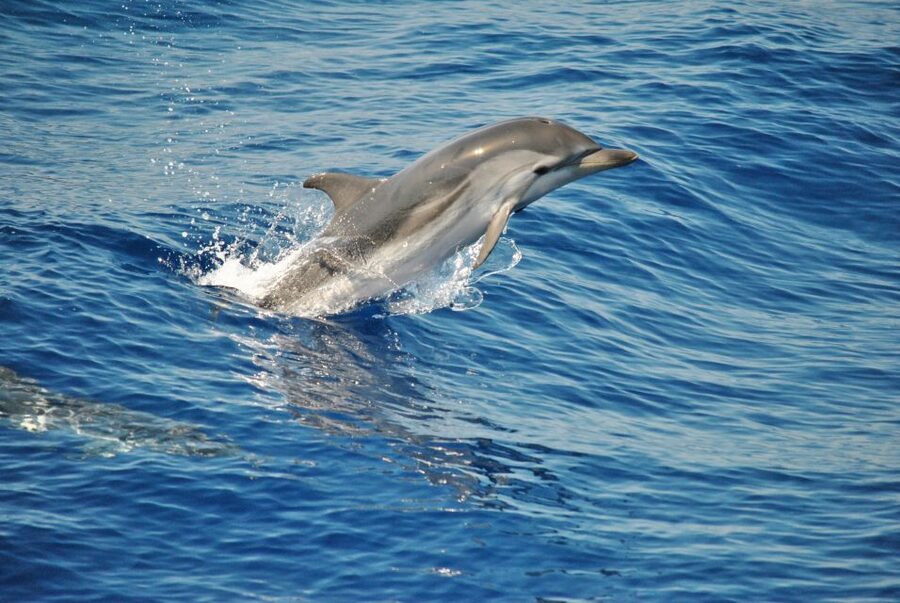
One of the biggest quality signals in this combo is the guidance. The public is led by a marine biologist who explains what to look for and how to behave while observing cetaceans.
That guidance is useful because whale and dolphin spotting isn’t just luck. You generally improve your odds when you understand what behaviors mean—like where to watch, how to interpret spouts or surfacing patterns, and how to keep your distance and attention consistent. The operator also emphasizes correct behavioral conduct so the animals aren’t disturbed.
If you’re with kids, this kind of explanation is often what turns a “maybe we’ll see something” outing into a day they can talk about later. If you’re traveling solo or as a couple, it helps you watch more intelligently instead of scanning the sea like a video game.
Timing that keeps the day smooth: when the cruise starts matters
Your whale-watching time is tied to a time slot you choose during booking, and that time slot is relative to your whale-watching ticket. In other words, don’t treat the time slot as an aquarium appointment. Think of it as your anchor for the whole day.
The aquarium entrance itself must be reserved separately after booking, and your ticket is valid only on the date you selected. This isn’t hard, but it can trip you up if you plan loosely.
You’ll want to be at the embarkation point early. The excursion lasts about 4 hours from when the boat heads out, so reach the pier at least 30 minutes before the scheduled departure. That buffer helps you check in, get settled, and avoid that last-minute stress feeling when you’re trying to also fit in tank time.
Price and value: what $85 buys you in a real day
At around $85 per person, this combo looks like a “pay once, do two things” deal—and that’s exactly what it is. You’re paying for two distinct experiences: a major aquarium visit and a half-day cruise with expert guidance.
The value piece is the combination of:
- Scale of the aquarium (70+ exhibits and huge specimen counts)
- Specialized nature of the cruise (Pelagos routes)
- A marine biologist guide who teaches the correct way to observe cetaceans
- No line entry for the aquarium component (you can skip the ticket line)
Could you spend less by doing only one? Sure. But if you’re in Genoa for a day and you care about both learning and nature time, this combo is the kind of ticket that often feels like a practical shortcut.
Also, there’s a “good causes” angle built in. When you book, you can become a donor supporting marine research and safeguard activities through the Aquarium of Genoa Foundation, and you’ll pick a donation option during booking. Even if you choose a modest option, it adds a layer of meaning to the day.
What to pack: small items that make a big difference on deck
This outing is simple, but a few items help a lot—especially because you’ll be on open water and outdoors for a chunk of the day.
Bring:
- Sunglasses
- Sun hat
And yes, bring your camera. You’ll want it for the aquarium too, but the deck is where you’ll try to catch that sudden surface moment. Even when animals don’t show, you’ll still get plenty of sea views and scenery off the Ligurian coast.
If the sea is calm and you spot cetaceans, great; if not, you still have options
Here’s the honest truth about whale-watching: you’re not guaranteed to see whales or dolphins. The good news is that the operator provides ways to handle the disappointment.
Whale-watching tours are subject to suitable sea conditions. If conditions aren’t right, departures can be canceled or delayed for reasons beyond their control, and the captain or company can decide based on safety or important operational concerns.
If the cruise is canceled, the whale-tour portion is refunded, or you can book an alternative departure day or tour. That’s the practical part.
And if the day goes out but there are no cetacean sightings, the whale-watching ticket remains usable for another cruise. Keep the ticket and make a new booking.
In the real world, that flexibility is what makes people feel less burned by weather and uncertainty. On at least one day, passengers reported they received a voucher when no dolphins or whales showed—proof that the experience is designed to help you land something positive even when the sea doesn’t cooperate.
Best day-trip fit: who this is for (and who should pick a different plan)
This combo is a strong match if you want a Genoa day that mixes learning with nature. It’s also a decent choice if you’re traveling with children who are curious about animals. The format is educational, but it’s also built around the adventure of scanning the sea for movement.
It’s also ideal if you like “guided watching” rather than unguided wandering. The marine biologist guidance changes how you experience the cruise, even if you’re not an experienced marine-life fan.
Who might hesitate? If you hate uncertainty and you’re the type who wants guaranteed wildlife sightings, you should think twice. The cruise depends on sea conditions and animal behavior. In practice, though, the backup options (refund or another cruise) help reduce the risk.
Season and expectations: when to plan your dates
This experience runs from March to November. That seasonal window matters because you’re planning around when the company operates and when sea conditions are more likely to support a regular program.
Within that window, you should still plan mentally for “look and learn” rather than “spot and snap.” Even if sightings are delayed or absent on your departure, the aquarium portion still delivers a lot of value on its own.
Should you book the Aquarium and Whale Watching combo?
Yes, I’d book it if you’re spending at least a day in Genoa and you want two different kinds of marine encounters packed into one tight schedule. The aquarium alone is substantial—70+ exhibits and hundreds of species—and the cruise adds a guided, real-world nature component from the pier right beside it.
I’d hesitate only if you’re traveling with zero flexibility and your mood depends entirely on guaranteed whale sightings. Otherwise, the combination of a big aquarium, a Pelagos Sanctuary cruise, and marine biologist instruction makes this a smart value move—especially for families and for anyone who likes practical, nature-focused experiences.
FAQ
What’s included in the ticket?
The combo includes an entrance ticket to the Aquarium of Genoa, plus a ticket to the half-day whale-watching excursion. You can also choose a donation option to support marine research and safeguard activities via the Aquarium of Genoa Foundation.
How long is the whale-watching cruise?
The boat trip lasts about 4 hours, counting from when the boat heads out toward the watery horizon.
Where does the whale-watching boat depart from?
It departs from Genoa at the pier next to the Aquarium of Genoa.
What if the weather is bad and the cruise can’t run?
Whale-watching tours are subject to suitable sea conditions. If the company cancels or delays departures due to conditions beyond their control, the whale-tour portion is refunded or you can book an alternative departure day or tour.
What if we don’t see whales or dolphins?
If there are no sightings of whales or other cetaceans during your cruise, your whale-watching ticket stays valid for another cruise. Keep your ticket and book a new departure.
When is the experience available?
The whale-watching and aquarium combo is available from March to November.
What languages are the live guide available in?
The live tour guide is available in Italian and English.
What should we bring for the day?
Bring sunglasses and a sun hat (and consider a camera, since you’ll be out on the water and will want to document what you see).