REVIEW · LOS ANGELES
Skip the Ticketing Line: Aquarium of the Pacific General Admission Ticket
Book on Viator →Operated by Aquarium of the Pacific · Bookable on Viator
Pacific life, minus the ticket-line stress. This general admission ticket lets you go straight to the marked gate with a mobile ticket scan, then gives you the freedom to wander through 19 wildlife habitats tied to the Pacific Ocean.
Two things I like a lot: the Shark Lagoon setup, where you can focus on top predators without feeling like you’re being rushed, and the Lorikeet Forest area, which turns learning into a real moment you can plan around.
One catch to keep in mind: while admission is a great value, some of the biggest “wow” experiences come as optional, extra-cost add-ons, so decide ahead of time what you want beyond basic entry.
In This Review
- Key Highlights to Prioritize
- Skip-Line Arrival at Aquarium of the Pacific
- What You Really Get for $44.95
- Exploring 19 Pacific Habitats in About Three Hours
- Shark Lagoon and the Ocean’s Ultimate Predators
- Lorikeet Forest, Penguins, and Hands-On Moments
- Shows and Pacific Visions: Indoors Worth Your Time
- Add-On Options: Feeding, Encounters, Cruises
- Getting There, Parking, and Skipping Congestion
- Dining, Breaks, and the Walk Around the Bay
- Should You Book This General Admission Ticket?
- FAQ
- What’s included with general admission?
- How long does the Aquarium visit take?
- What are the opening hours?
- Where is the aquarium located, and can I park?
- Is food and drink included?
- Can I feed animals during my visit?
- Can I change my reservation date or time?
Key Highlights to Prioritize
- Skip-the-line gate with staff scanning your electronic ticket so you can start moving right away
- 19 Pacific habitats spanning Alaska to California and down toward tropical areas
- Shark Lagoon as your best bet for predator-focused time
- Lorikeet Forest feeding as the most hands-on moment available for an additional fee
- 4D movie + Pacific Visions included, so you’re not paying extra for indoor highlights
- Magellanic penguins plus plenty of animals that reward slower wandering
Skip-Line Arrival at Aquarium of the Pacific
The Aquarium of the Pacific is in Long Beach, about 25 miles south of Los Angeles. A big practical win here is how entry works: you bypass the ticketing line and head to a marked gate where a staff member scans your electronic ticket. Then you pick up your complimentary guidebook. This matters because aquariums can feel like a “first 20 minutes is a hassle” kind of place. Here, you lose less time and gain more viewing.
Plan to arrive close to your reservation time. Your entry time is the earliest you can get in, and the ticket can scan anytime after your set time begins. That gives you breathing room if you hit traffic, but it still helps to show up ready to walk.
If you’re traveling with kids, this style of entry reduces the “standing around, getting restless” part of the day. If you’re traveling solo or as a couple, it helps you get right to your must-sees before your legs get tired.
What You Really Get for $44.95
At $44.95 per person, this ticket isn’t just access to tanks. You’re getting general admission plus two indoor anchors: a 4D movie and entrance to Pacific Visions. You’re also getting access to the aquarium’s galleries and exhibits tied to the Pacific Ocean—think cold-water areas as well as warmer tropical settings.
For value, the question to ask is simple: do you want a full aquarium experience, or do you want only one or two exhibits? If you’re the type who likes to see a lot of different ecosystems in one go, general admission here makes sense.
Also note what’s not included. Food and drinks cost extra, and optional animal activities—like feeding—cost extra. Behind-the-scenes tours and harbor cruises may be purchased on arrival. That doesn’t make this overpriced; it just means you should decide in advance whether you want add-ons. If you skip them, you can still have a solid visit focused on galleries, shows, and animal viewing.
One more money-saver: parking is $8 with Aquarium validation, and that can help if you’re driving from LA or points beyond.
Exploring 19 Pacific Habitats in About Three Hours
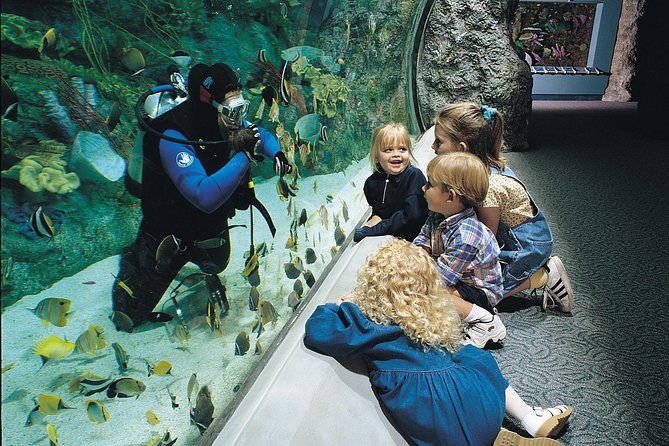
This is a “walk at your own pace” kind of visit. The typical time people plan for is about three hours, and that’s realistic if you’re moving steadily, hitting the major highlights, and not getting stuck in a single section for too long.
The aquarium’s layout is built around Pacific Ocean storytelling. You can follow the theme across places like sunny Southern California and Baja, colder northern waters, and colorful reef-style environments in the Tropical Pacific. The idea is that you’re not just seeing animals—you’re seeing how different conditions shape the animals you meet.
Here’s how to make three hours feel generous:
Start with the animals you care about most, then work outward. If your priorities are sharks and sea life predators, don’t save Shark Lagoon for last. If penguins and birds are your focus, hit their areas when you still have energy for photos and close viewing.
Also, expect lots of learning stops. There are touch areas and interactive zones that tend to feel best when you let your kids (or your inner kid) move at their own speed. Even if you’re not chasing every interaction, the flow of the aquarium makes it easy to keep moving without feeling like you missed something important.
Shark Lagoon and the Ocean’s Ultimate Predators
If you only “choose one” experience, make it Shark Lagoon. It’s the aquarium’s best-known predator-focused area, and it’s exactly what you want if you like animals with that take-no-prisoners vibe.
This is also a good place to slow down. The exhibits are designed so you can stand and watch without needing a bunch of special equipment. In a place like this, the biggest payoff often comes from staying longer than you think you should. One extra minute of observation can turn a quick look into a real moment—especially when sharks are actively moving through the space.
That said, predator exhibits can become a bottleneck during peak arrival times. If you notice it’s packed, don’t force it. Move through the rest of the aquarium, then come back later. The aquarium is big enough that you won’t feel trapped waiting for a clear view.
Lorikeet Forest, Penguins, and Hands-On Moments
Two of the most memorable animal areas here are Lorikeet Forest and the penguin experience.
Lorikeet Forest is where feeding becomes part of the plan. Feeding nectar to the lorikeets is available for a nominal additional fee. If you want this, I suggest you build your route around it rather than treating it like an afterthought. Birds can be one of those “time-sensitive” experiences, and you’ll enjoy it more if you’re not rushing from one corner to another.
Magellanic penguins are another must-see. They’re playful, and they tend to give you that steady stream of activity that makes it easier to watch with kids. This is a great option if you want excitement without needing extra paid encounters.
Touch tanks and interactive areas show up across the galleries. Some people love them most when staff or volunteers step in to guide what you’re seeing. If you’re bringing kids, this is also where you’ll notice how much calmer the experience feels when staff help with nerves—especially for kids who start out hesitant.
Quick practical tip: keep your eyes on show timing and any special session schedules you see posted inside. One simple strategy is to take a photo of show times when you arrive so you can organize your next stops without constantly checking signs.
Shows and Pacific Visions: Indoors Worth Your Time
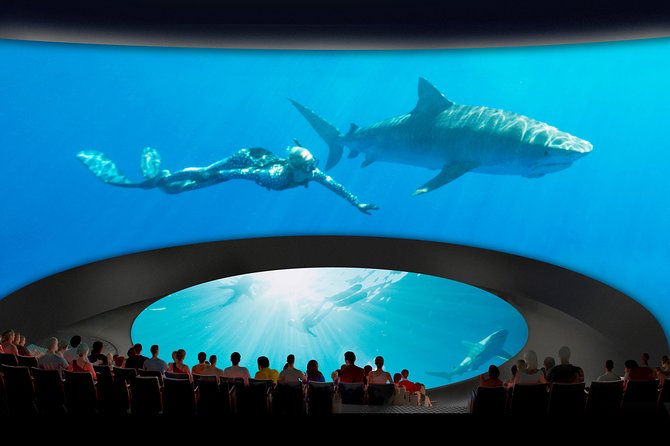
A lot of aquariums are heavy on walking and light on “sit down” moments. This one includes two indoor elements you should not skip.
First is the 4D movie. It adds motion and effects to the story, which works well for families because it breaks up the “all day walking” feeling. It’s also a good option if you hit warmer weather and want a built-in cooling break.
Second is Pacific Visions. You can count on it as part of the included ticket package, which makes it a smart use of time—especially if you’re trying to fill a three-hour visit without paying for extra add-ons.
If you’re with kids, shows can be the difference between a visit that feels fun and a visit that feels like you’re dragging them from tank to tank. If you’re an adult, it’s still a good way to reset and learn in a more structured way than just reading labels.
Add-On Options: Feeding, Encounters, Cruises
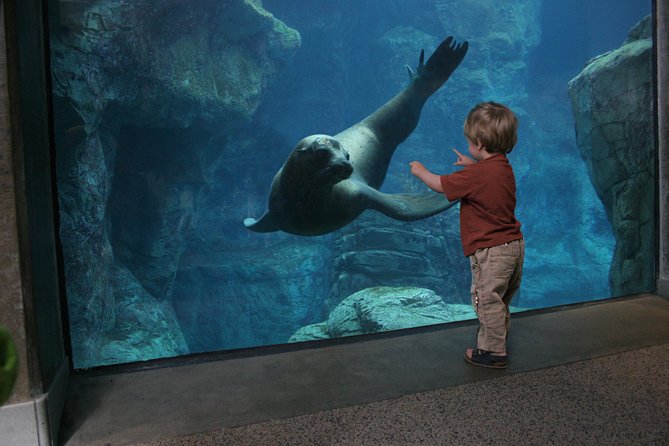
Admission gives you a full aquarium experience, but the aquarium also sells additional animal experiences. This is where your personal preferences should drive the budget.
Feeding options that are specifically available include:
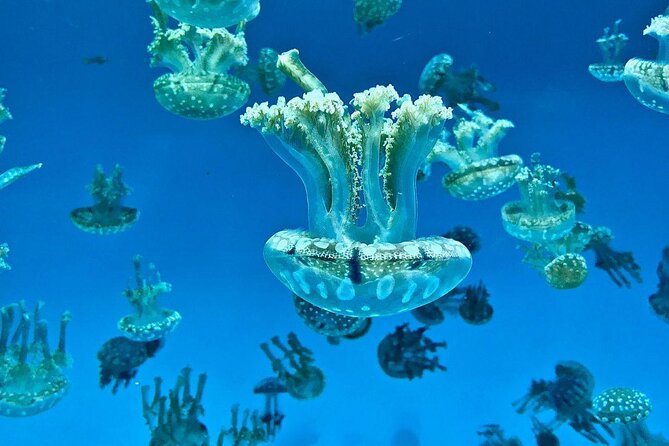
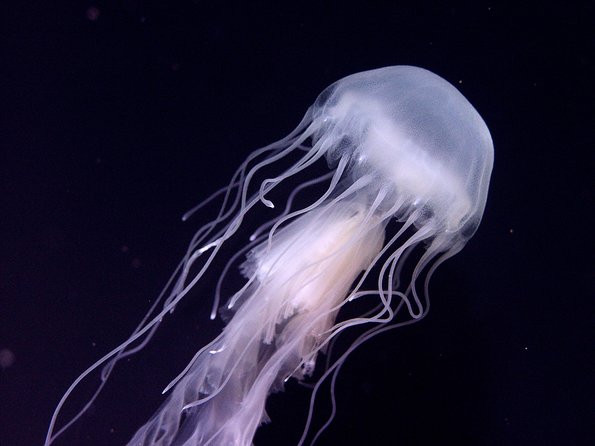
- Feeding brine shrimp to Moon Jellys
- Feeding nectar to lorikeets in the Lorikeet Forest
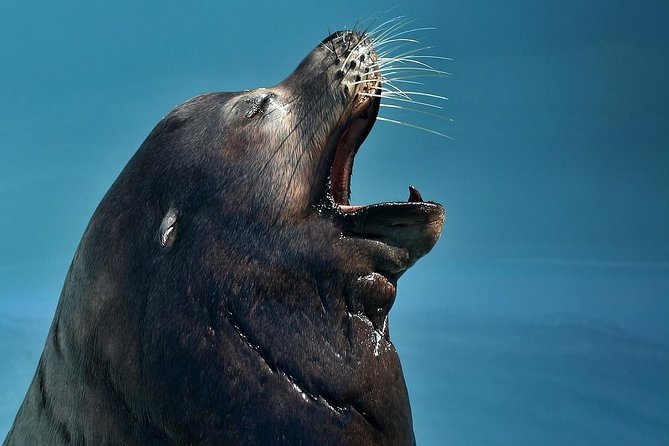
There’s also an animal encounters lineup that includes sharks & rays, seals & sea lions, penguins, and “feathered friends.” These encounters require a 48-hour advance reservation and come with an additional cost. If you’re considering these, decide early so you can lock them in.
Behind-the-scenes tours and harbor cruises can be purchased at the information desk on arrival. If you’re expecting an aquarium plus time on the water, those may be what you’re looking for—just remember they’re not part of basic admission.
My advice: if your group includes kids who would love hands-on moments, pick one add-on and make it the highlight. Trying to stack multiple extra experiences can turn the day into scheduling stress.
Getting There, Parking, and Skipping Congestion
The Aquarium of the Pacific is near public transportation. It’s about a half-mile from the Transit Mall in downtown Long Beach. That’s a roughly 10-minute downhill walk from the Blue Line and major bus lines. There’s also a Long Beach Transit FREE Passport bus.
If you’re driving, parking is in a nearby structure steps away on the water side of Shoreline Drive between Chestnut Place and Aquarium Way. The fee is $8 for the day with Aquarium validation. That validation detail matters—ask for it and use it, so you don’t end up paying the full structure rate.
Crowds can spike when school groups arrive. You can’t control that, but you can manage it. Aim for a time that avoids the worst bus-wave energy. Also, since the ticket scanning is smooth once you arrive at the right gate, your main risk is less about the entry line and more about crowding around the most popular viewing spots.
Inside the aquarium, it’s also easy to walk on your own plan. It’s wheelchair accessible, and wheelchairs are available for check out free of charge at the information desk.
Dining, Breaks, and the Walk Around the Bay
You’ll need food at some point, but admission doesn’t include it. Café Scuba serves sandwiches, salads, burgers, pizza, and more, and it has a relaxed setup overlooking the Seals & Sea Lions exhibit. Vegetarian options are available too.
This is where you can reset. Sit for a bit, then return to animals with fresh legs. Aquariums are basically an all-day walking circuit, so breaks help your enjoyment more than you’d think.
After your visit, you might also enjoy a walk around the bay area. A simple post-aquarium stroll turns the day into something more than just “hours indoors.” It’s a nice way to let the kids burn off energy without adding another ticketed activity.
Should You Book This General Admission Ticket?
I’d book it if you want a straightforward, value-heavy aquarium day where you can see a lot, at your own pace, and still get two included indoor highlights with the 4D movie and Pacific Visions.
This is especially good for:
- Families who want a mix of animals, interactive moments, and kid-friendly pacing
- Couples who want a solid aquarium without planning paid add-ons
- Anyone who likes Pacific Ocean ecosystems and wants a visit that covers cold, temperate, and warmer-water themes in one place
I’d think twice or plan more carefully if:
- You’re coming at a peak time and only want a small number of big attractions
- You expected a lot of “on-the-water” time as part of the base ticket (those are optional purchases)
- Your group is sensitive to crowds at popular viewing points
If you go in with a simple plan—scan in, grab the guidebook, hit Shark Lagoon and your bird or penguin must-sees, then add one optional experience—you’ll feel like you got your money’s worth.
FAQ
What’s included with general admission?
General admission includes the 4D movie and entrance to Pacific Visions, plus access to the Aquarium of the Pacific galleries and exhibits.
How long does the Aquarium visit take?
Plan for about 3 hours for your visit.
What are the opening hours?
The aquarium is open every day except Dec. 25th. Hours are 9 am to 6 pm Monday through Thursday, and 9 am to 8 pm Friday through Sunday.
Where is the aquarium located, and can I park?
It’s at 100 Aquarium Way, Long Beach, CA 90802. Convenient parking is available in a nearby structure for $8 with Aquarium validation.
Is food and drink included?
No. Food and drinks are available for purchase, including at Café Scuba.
Can I feed animals during my visit?
Feeding experiences cost extra and include options like feeding brine shrimp to Moon Jellys and feeding nectar to the lorikeets in the Lorikeet Forest.
Can I change my reservation date or time?
Yes. You can create a new free reservation at https://pacific.to/reservations. The ticket will scan at your new time and/or date, and tickets are valid for a year from the purchase date.