REVIEW · MANCHESTER
SEA LIFE Manchester Admission Ticket
Book on Viator →Operated by SEA LIFE Manchester · Bookable on Viator
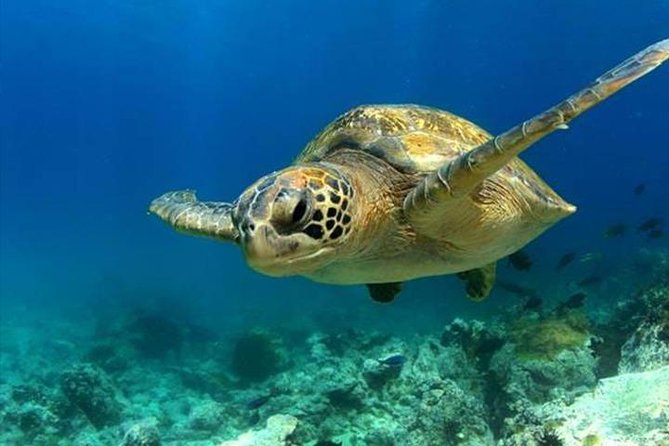
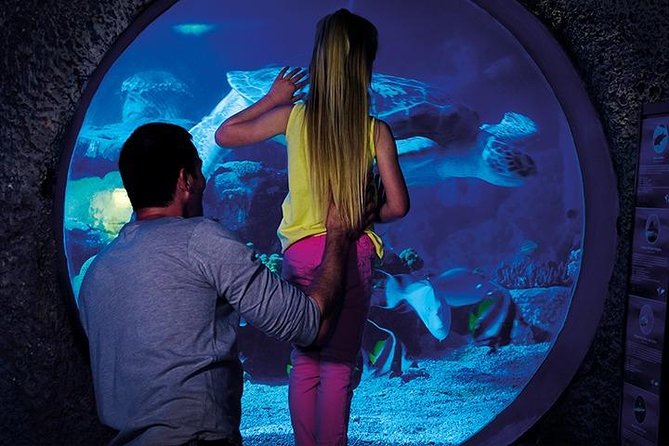
A quick ticket, then you are under the sea. SEA LIFE Manchester is a family-friendly aquarium in Manchester where you choose your entry time and explore at your own pace. I love the Turtle Beach 3D projection that follows a sea turtle’s life cycle, and I love the glass tunnel view where Ernie the green sea turtle glides overhead.
Two hours is the whole plan, so it can feel short if you like to linger at every tank. Also, there is no food and drink included, and at least one easy strategy is to plan lunch around nearby spots like the Trafford Centre.
In This Review
- Key Things That Make This SEA LIFE Manchester Ticket Worth It
- SEA LIFE Manchester: A Solid 2-Hour Family Aquarium in Manchester
- Tickets, Timed Entry, and How the 2-Hour Visit Shapes Your Plan
- Starting With Turtle Beach 3D: The Best Way to Get Everyone Paying Attention
- Underwater Caves, Cave Systems, and the Odd Ones You Won’t Forget
- The Shipwreck Storyline and Octopus Prime’s Hiding Tricks
- Sharks, Rays, and the Overhead Viewing Moments With Ernie
- Stingray Bay: A Calmer Tank Stop That Still Feels Like a Big Moment
- Rockpools Touch Experience: Starfish, Anemone, and Crab Up Close
- Conservation Cove and the Turtle Game That Turns Learning Into Play
- When Staff Shine: Jordan W, Isla, and Maya Make the Day Better
- Cost and Value: Is $22.03 a Fair Deal for SEA LIFE Manchester?
- Best Time to Go: Booking Early and Choosing a Calm Entry Slot
- Pair It With Other Nearby Stops for a Full Manchester Half-Day
- Should You Book This SEA LIFE Manchester Admission Ticket?
- FAQ
- How long is the SEA LIFE Manchester admission visit?
- How much does the admission ticket cost?
- Can I choose what time I enter?
- Is the ticket a mobile ticket?
- Is the experience offered in English?
- What is included with this admission ticket?
- Are souvenir photos included?
- Is food and drinks included?
- Is there free cancellation, and how late can I cancel?
- Is SEA LIFE Manchester near public transportation, and can service animals come?
Key Things That Make This SEA LIFE Manchester Ticket Worth It
- Pick your entry time and move through exhibits on your own schedule
- Turtle Beach 3D projection gives a story to the tanks instead of just showing animals
- Big-view tank moments, including the glass tunnel and overhead turtle sightings
- Hands-on rockpools where you can touch starfish, sea anemone, and crab
- Stingray Bay and the relaxed flow of rays moving near the viewing area
- Conservation Cove with interactive turtle games tied to SEA LIFE Trust work
SEA LIFE Manchester: A Solid 2-Hour Family Aquarium in Manchester
SEA LIFE Manchester is one of those outings that works even when you do not want a full-day commitment. You get a timed entry option, then you follow a route through sea life that is built for eye-candy stops and kid questions. If your group likes animals, you are going to have plenty to point out, because the displays keep changing: turtles above you, jellyfish coloring tanks, sharks and rays moving overhead, and a rockpool area that invites touch.
Value matters here. At about $22.03 per person, this ticket is essentially buying you access to a concentrated aquarium experience lasting about two hours. That is usually a good trade when you are planning around naps, playtime, or the rest of your Manchester day.
One small truth: this is not the type of place you win by racing. If you try to do it like a checklist, two hours can vanish. But if you take your time with the best views and interactive bits, you will feel like you got your money’s worth.
Tickets, Timed Entry, and How the 2-Hour Visit Shapes Your Plan
The ticket comes as a mobile admission, and you receive confirmation at booking. The big practical win is that you choose your own entry time, so you can aim for calmer hours or build it into the rest of your day.
The visit is listed at about 2 hours. That matters because you are not just buying animal viewing, you are also buying a time-boxed route that keeps energy levels stable. For families, that is a gift. For adults, it means you can still pair this with shopping, food, or another attraction without feeling like your day got swallowed.
Also, this is shown as a small group max of 5 travelers. In real life, an aquarium can still feel busy in popular moments, but that small-group listing is a reason you can often plan with a bit more confidence. If you want a smoother experience, your best move is to book and then pick a time that matches your family’s energy.
Starting With Turtle Beach 3D: The Best Way to Get Everyone Paying Attention
The experience kicks off with Turtle Beach, an interactive 3D projection that walks you through a sea turtle’s life cycle from egg to sea. This is more than entertainment. It gives you context before you start seeing turtles in tanks, so your child (or you) can connect the story to what you are about to watch.
It also sets the tone for the whole visit. Once the life-cycle story starts, you are not just looking for animals. You are looking for characters in a bigger narrative: turtles, then the wider world they depend on. It is a nice pacing choice because it gets attention early, before the tanks start blending together.
If you are visiting with little kids, this opening matters. Projections and interactive screens can reset attention quickly when patience runs thin. Even if you do not catch every detail, you will still feel the show-like structure that helps the two-hour plan move along.
Underwater Caves, Cave Systems, and the Odd Ones You Won’t Forget
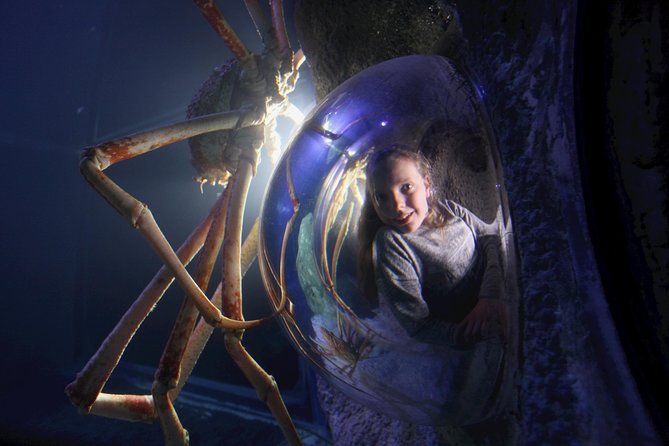
After the turtle introduction, you move into displays framed like underwater cave systems. This is where the aquarium starts playing its strongest game: showing you creatures that look strange on purpose.
You may see spiny lionfish and porcupine fish, better known as pufferfish. These are great learning moments because the differences are visible at a glance: spines, shapes, and that distinctive pufferfish look. The exhibit is set up for face-to-face viewing, so you can spend real time with what makes each creature unique.
Then come the interactive moments that keep the route from feeling like a long hallway of glass. For example, the color-changing tank with moon jellyfish lets you choose a color and see the jellyfish from a new perspective as they float around. There is also a fun fact built into the experience: jellyfish do not have brains, stomachs, blood, heart, or eyes. Whether you treat that as a trivia win or just a curiosity moment, it helps the jellyfish feel memorable instead of forgettable.
The Shipwreck Storyline and Octopus Prime’s Hiding Tricks
You get a “before you meet the sharks” route through deep sea creatures connected to a shipwreck theme. This is a clever way to manage what can otherwise be an overwhelming aquarium layout. You get guided attention: first the atmosphere, then the stars.
One character to look for is Octopus Prime, the juvenile common octopus that loves hiding in nooks and crannies. This is a display that rewards slow scanning. If you rush, you will miss the exact moment the octopus decides to show itself. That is one reason this ticket is best when you plan to stop and look instead of moving at full speed.
This section also helps your group build anticipation. By the time sharks arrive, you already understand the environment they would live in. It turns a tank visit into a story walk, and that tends to keep kids engaged longer than you might expect.
Sharks, Rays, and the Overhead Viewing Moments With Ernie
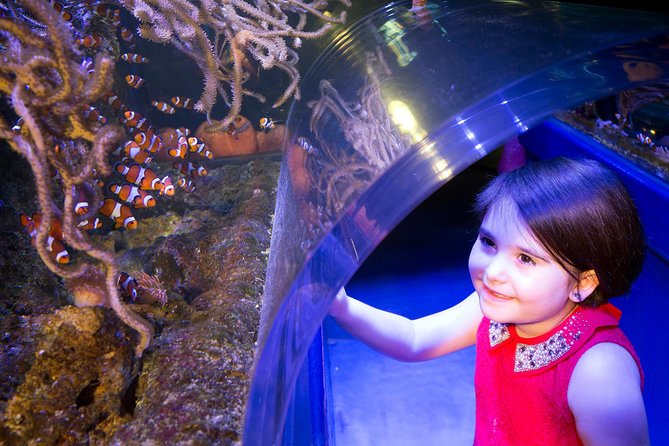
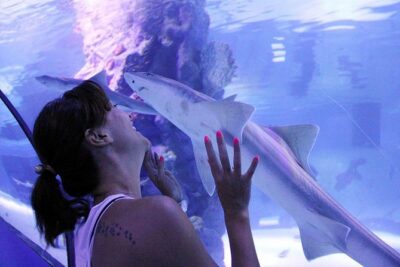
Sharks are a big draw here, and the layout supports that. You step into the story of deep sea creatures and then meet blacktip reef sharks above you in a viewing tank. You also have a larger tropical ocean tank where you can watch sharks and rays gliding effortlessly with hundreds of colorful ocean fish.
Ernie the green sea turtle plays a starring role across the route. In the glass tunnel, he is overhead. In another major viewing area, Ernie is part of the scene where you can also see divers and even SeaTREK guests from a perspective that makes the tanks feel active and alive.
Then there is Bonaparte, the napoleon wrasse, gliding by with vibrant blue eyes and graceful fins. This is one of those “wait, look at that” moments that breaks up the monotony of only staring at the biggest animals. If your group likes variety, this helps a lot.
Practical tip: in an aquarium, your best viewing usually comes when you stand still long enough. If you keep walking, you miss the patterns—how the animals loop, pause, and return.
Stingray Bay: A Calmer Tank Stop That Still Feels Like a Big Moment
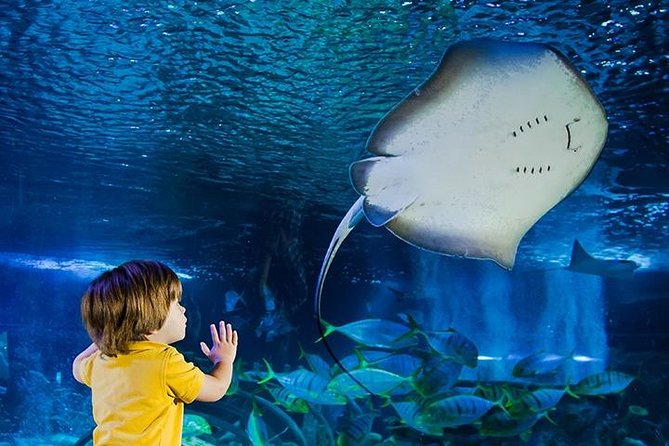
Stingray Bay is designed for a soothing kind of wow. You are surrounded by rays in a relaxing space, and it is easy to watch them as they move. The experience leans into that friendly, smiley impression of rays, which is perfect for families who do not want only scary-looking sea creatures.
The key detail is that you can follow the rays around the tank area and appreciate how swiftly they move. It sounds simple, but it changes your role from watcher to participant. You are tracking motion instead of just taking in a static scene.
If you are planning your day, this is a smart “reset stop.” After more active sections like jellyfish or shipwreck-themed areas, Stingray Bay’s calmer tone can help keep everyone from melting into exhausted impatience.
Rockpools Touch Experience: Starfish, Anemone, and Crab Up Close

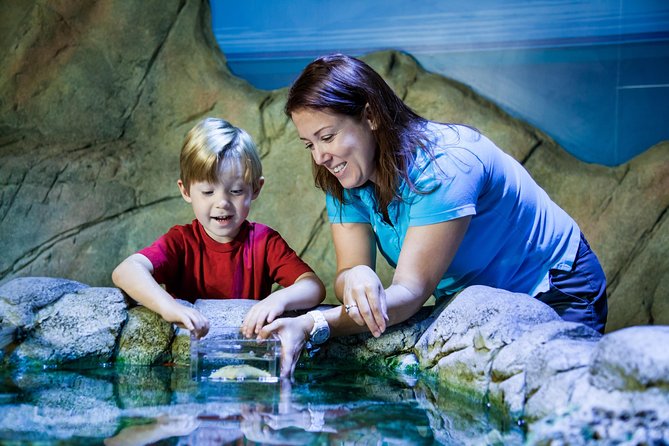
This is one of the biggest reasons I think SEA LIFE Manchester works for families. At the rocking Rockpools, you can stroke a starfish, tickle a sea anemone, and feel the shell of a crab.
You also get expert support during this hands-on part. The point is not just touch for fun. The rockpools micro-habitats are explained as a place where tiny creatures survive and thrive. That “small world” angle is valuable, because it turns sea life into something more than big-tank animals.
If you have a child who needs hands-on activities to stay engaged, this area usually pays off. It also gives you something to talk about after you leave, which is a underrated part of choosing family attractions.
Conservation Cove and the Turtle Game That Turns Learning Into Play
You finish the route at Conservation Cove, which focuses on conservation efforts and SEA LIFE Trust partnerships. If your kids are the type who ask why animals need protection, this section helps answer that without turning the visit into a lecture.
There is an interactive turtle game where children can help save baby turtles get to the sea. That kind of play-based learning is exactly what makes an aquarium feel meaningful instead of purely decorative.
You also have a sandbox with mysterious dangers that you may find at the beach. It is another low-pressure activity that can occupy smaller kids while adults slow down for a final scan of the route.
When Staff Shine: Jordan W, Isla, and Maya Make the Day Better
A big theme in the experience is that staff guide the visit in a way that makes questions feel welcome. One name that comes up is Jordan W, who is praised for explaining everything and answering questions in a way that stuck with families. Jordan is also mentioned in connection with turtle feeding experiences, described as friendly and very knowledgeable.
Isla is another guide name that appears in reviews tied to turtle interactions, with credit for being friendly and insightful. Maya shows up in reviews tied to stingray feeding experiences and is described as lovely and helpful in making that moment feel special.
You do not need to treat this as a performance. The practical takeaway is simple: if you have questions, ask. People remember good explanations, and the best exhibits feel better when you understand what you are looking at.
Cost and Value: Is $22.03 a Fair Deal for SEA LIFE Manchester?
At $22.03 per person, this ticket is priced for a realistic, time-boxed aquarium visit. You are not paying extra for entry time flexibility—you can choose when you go, then walk at your own pace through the exhibitions.
What you get included is straightforward: an admission ticket. What is not included is also straightforward: souvenir photos, transportation, and food and drinks. That last one matters more than you might think, because once you are inside, you might want a snack and you will have to plan for it.
If you are traveling with kids, value usually comes from the mix of experiences: projection storytelling, hands-on rockpools, calm ray viewing, and conservation-focused game time. If your family likes at least two of those components, the price is easier to justify.
Best Time to Go: Booking Early and Choosing a Calm Entry Slot
This ticket is booked on average about 8 days in advance. That is your hint that popular times can sell out, especially if you are visiting during school breaks.
One review noted that a school holiday visit meant it was busy in places. Another mentioned a midweek visit with a 1-year-old being calmer. Since you can choose your entry time, you have control over crowd pressure.
My practical advice is to pick a time that fits your family rhythm. If your kids are at their best in the morning, go earlier. If evenings work better for you, plan for that. The goal is to keep the visit from turning into a stress test.
Pair It With Other Nearby Stops for a Full Manchester Half-Day
A nice advantage of this outing is that it can plug into the rest of your day without needing complicated logistics. One review specifically suggested walking over the footbridge into the Trafford Centre for lunch, since there is no cafe within the Sea Life centre.
You might also find nearby add-ons like Lego Adventure and Build a Bear mentioned by visitors. Even if you do not use those exact options, the point is helpful: you can turn your SEA LIFE visit into a bigger plan without dedicating an entire day to just one attraction.
If you like having a backup plan, this is worth doing. Aquariums are great, but they do not automatically solve the hunger problem or the next-activity question.
Should You Book This SEA LIFE Manchester Admission Ticket?
Book it if you want a family-friendly aquarium that fits into a tight schedule and still has real interactive moments. I would especially recommend it if your group likes turtles, sharks, and hands-on experiences like the rockpools touch area. The combination of Turtle Beach storytelling, glass tunnel overhead viewing with Ernie, and the conservation game gives you variety without needing extra planning.
Consider skipping if you want a half-day that runs closer to four or five hours. This one is built around about two hours, and it can feel like you are moving through quickly if you love stopping at every tank for a long time. Also, plan ahead for food since snacks are not included.
FAQ
How long is the SEA LIFE Manchester admission visit?
It is listed at about 2 hours (approx.).
How much does the admission ticket cost?
The price shown is $22.03 per person.
Can I choose what time I enter?
Yes. You can choose your own entry time.
Is the ticket a mobile ticket?
Yes. The admission is provided as a mobile ticket.
Is the experience offered in English?
Yes, it is offered in English.
What is included with this admission ticket?
The entry ticket is included.
Are souvenir photos included?
No, souvenir photos are not included.
Is food and drinks included?
No. Food and drinks are not included.
Is there free cancellation, and how late can I cancel?
Cancellation is free up to 24 hours in advance for a full refund. If you cancel less than 24 hours before the start time, the amount paid is not refunded.
Is SEA LIFE Manchester near public transportation, and can service animals come?
Yes. It is near public transportation, and service animals are allowed.