REVIEW · GENOA
Wine Tasting near the Aquarium of Genoa
Book on GetYourGuide →Operated by Slow Travel · Bookable on GetYourGuide
Four wines, one small bar, big Ligurian flavor. This one-hour tasting happens at Enoteca Grecale near the Aquarium, where a live guide walks you through how to read wine like a pro. I like the easy pace—no rushing—and the chance to taste grapes you won’t find at every corner store back home. One thing to consider: it’s only an hour, so if you want a long, slow wine dinner, you’ll likely want to continue on your own after the tasting.
The lineup starts with Ligurian whites and moves into reds, with grapes such as Pigato and Vermentino before you get into Granaccia, Rossese, Ormeasco di Pornassio, and Lumassina. You’ll also get a food pairing (cheese and cured ham with focaccia) that actually helps you understand what you’re tasting. If you’re pregnant, skip it—this experience isn’t suitable.
In This Review
- Key things I’d circle before you book
- A One-Hour Wine Lesson in Genoa’s City Center
- Finding Enoteca Grecale from the Aquarium (and why location matters)
- What You’ll Taste: Pigato, Vermentino, Granaccia, and More
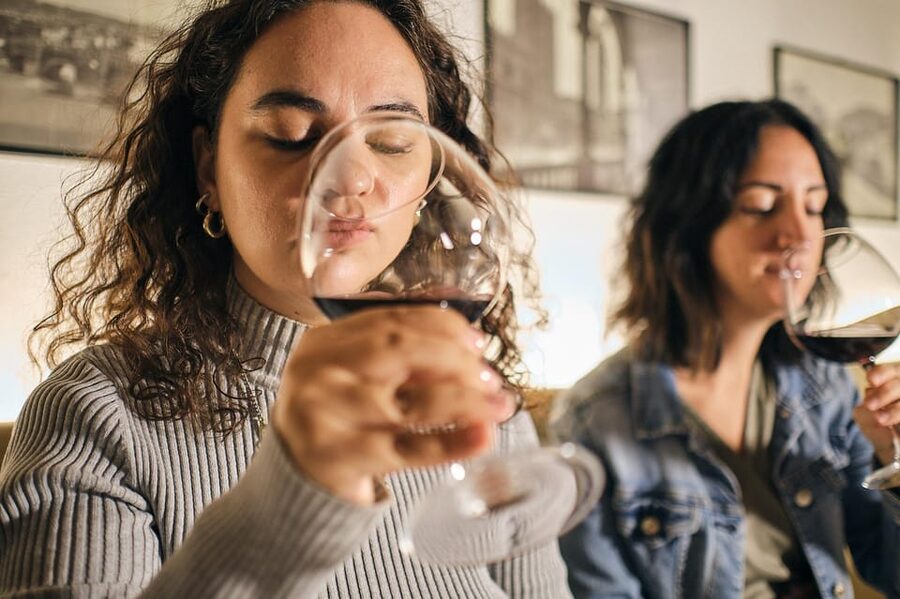
- How the Tasting Works: Sight, Smell, Taste (and pairing that clicks)
- The Cheese, Cured Ham, Focaccia Plate That Keeps You Focused
- The Wine Stories: Producers, Techniques, and Italian Culture Notes
- English or Italian: You’ll Get the Same Structure
- Price and Value: Is $48 Worth It?
- Who This Wine Tasting Fits Best (and who should skip it)
- A quick note on risk (because not every booking is perfect)
- Should You Book This Genoa Wine Tasting?
- FAQ
- Where is the meeting point?
- How long does the wine tasting last?
- What’s included in the price?
- Are the wine tastings in English or Italian?
- Can you handle dietary needs like vegan or celiac?
- Do I need a car to do this?
- How big is the group?
- Can I buy extra wine after the tasting?
- Is there free cancellation?
Key things I’d circle before you book
- City-center start right by the Aquarium area, so you can do it without a car.
- 4 wines in 60 minutes, organized as 2 whites then 2 reds.
- Local grapes you won’t overthink later—Pigato, Vermentino, Granaccia, Rossese, Ormeasco di Pornassio, Lumassina.
- Sight, smell, taste taught in plain language, plus pairing tips.
- Cheese + cured ham + focaccia, with water to reset your palate.
- Small group feel (limited size), which makes questions easier and the vibe more relaxed.
A One-Hour Wine Lesson in Genoa’s City Center
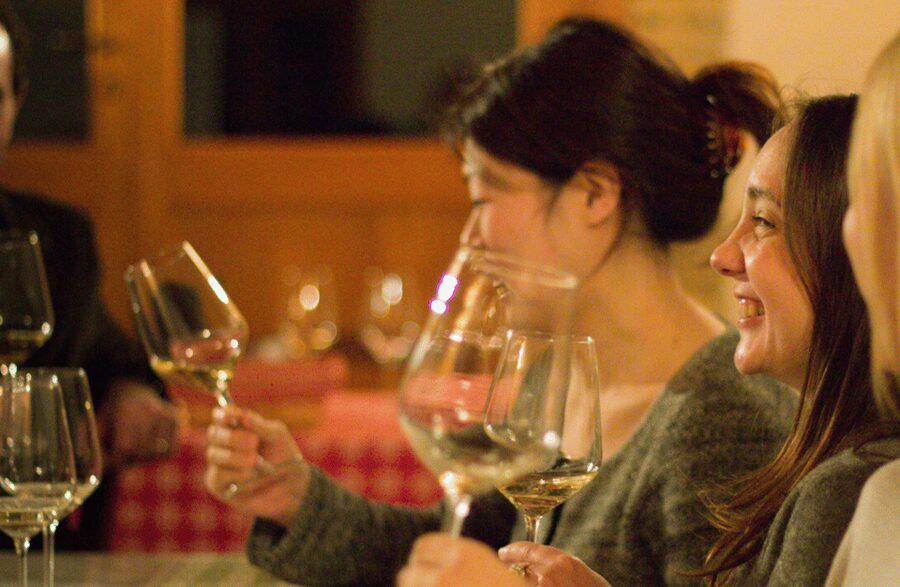
This tasting is built for people who want real wine education without turning it into a class marathon. You get a focused 60-minute window with a guide who talks through what’s in the glass and why it matters in Liguria. The format keeps you moving—first learning how to taste, then tasting, then pairing—so you don’t drift into “sip and hope.”
I also like how the experience grounds Ligurian wine in context. Instead of treating each bottle like a random discovery, you connect grapes, farming choices in coastal Liguria, and the local food culture that goes with it. That makes the wines feel more anchored to place, not just “nice flavors.”
The other practical win: it’s city-center. You can fit this into an evening plan without reorganizing your whole day for transport.
Finding Enoteca Grecale from the Aquarium (and why location matters)
You meet at a small square called Chigizola. From there, you enter the wine bar Enoteca Grecale and ask for the guide. If you’re early, you can sit down right there.
From the Aquarium, it’s about a 9-minute walk. That short distance matters more than it sounds. With wine tastings, timing is everything—you want to arrive calm, not out of breath, and not hunting for a place while your glasses are already being set up. This setup makes it easier to get there on time, then stay nearby for dinner afterward.
Also, because you’re in the middle of Genoa, you don’t need to plan around parking, taxis, or schedules. Just do a walk, enjoy the city air, and let the tasting be your “anchor” event.
What You’ll Taste: Pigato, Vermentino, Granaccia, and More
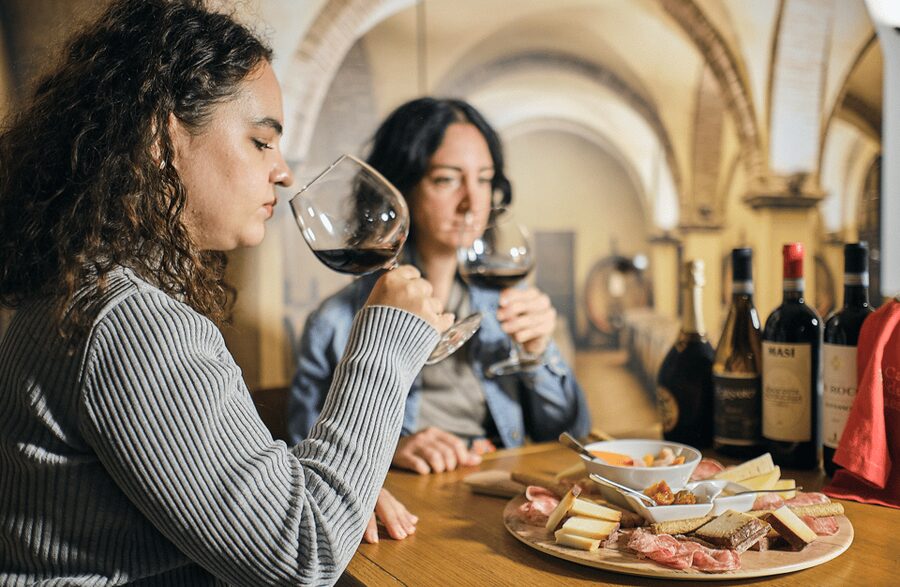
The tasting is designed around four wines from Liguria and the broader North Italy area. The flow is simple: you start with two whites, then move to two reds. That order is smart. It keeps your palate fresh for the lighter styles, then lets you transition into the deeper flavors without feeling like you’re forcing your nose to keep up.
What makes this lineup interesting is the grape list. You’re not stuck with the usual suspects. Instead, you’ll taste Ligurian grapes like:
- Pigato and Vermentino (white side)
- Granaccia and Rossese (red side)
- Ormeasco di Pornassio and Lumassina (also used in the region’s wine styles)
You’ll hear how these grapes relate to local growing conditions and how producers shape flavor through traditional and older techniques. You also get how the wines fit into broader Italian—and even French—wine conversations. It’s a neat way to understand that regional wine isn’t isolated. People across Europe influenced styles, trade, and expectations over time.
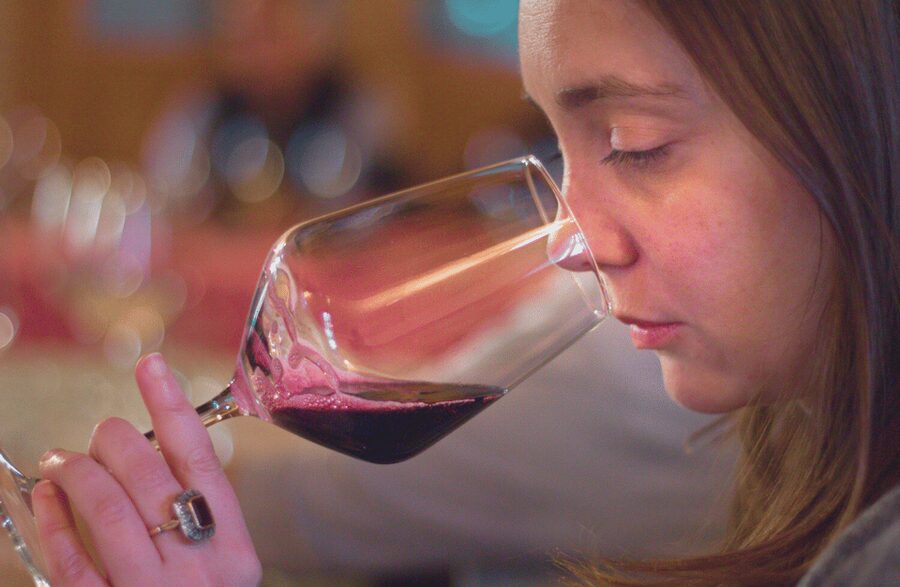
You’ll also learn what the tasting notes are trying to say. Rather than memorizing generic descriptions, you’re taught how to observe: what you see, what you smell, and what shows up on the tongue.
How the Tasting Works: Sight, Smell, Taste (and pairing that clicks)
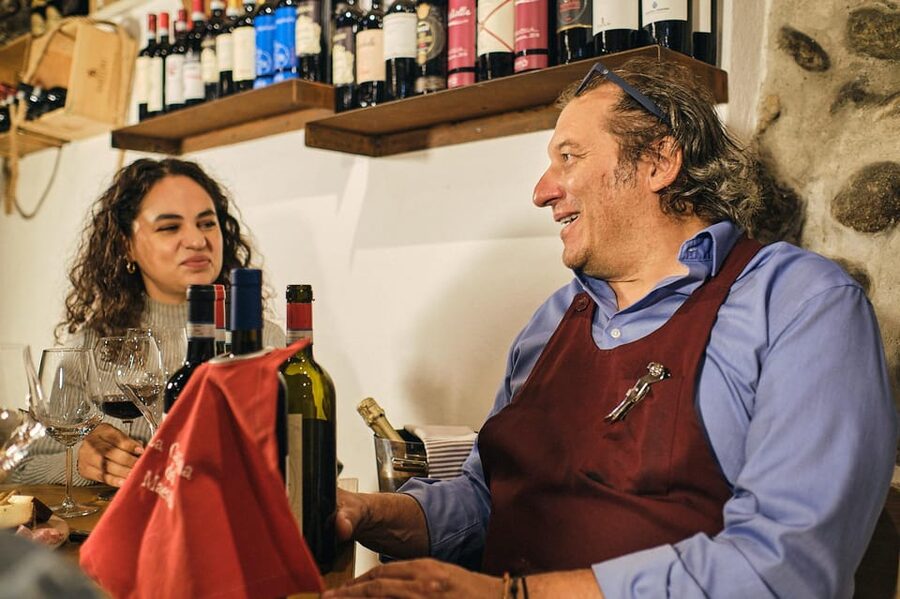
A big part of the value here is that you learn a repeatable method. You’re guided through tasting notes in three steps: sight, olfactory (smell), and gustatory (taste). Even if you’re not trying to become a wine expert, this helps you stop guessing and start noticing.
Here’s what that looks like in real life:
- First, you look for visual cues the guide points out (color, clarity, general impressions).
- Then you focus on aroma and how those scents connect to grape and winemaking choices.
- Finally, you evaluate flavor and structure—what feels light or weighty, fresh or deeper, and how it lingers.
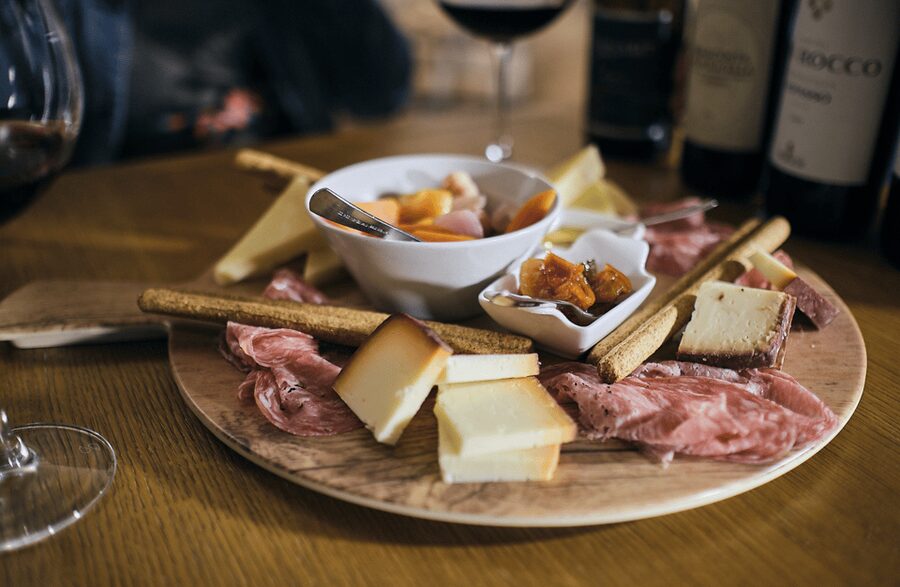
After that, food pairing is part of the lesson, not an afterthought. Each wine is matched with a cheese and cured ham plate plus bread and water. The goal is practical: help you understand why certain flavors feel better together. When the pairing works, you’ll notice it fast—and when it doesn’t, you’ll also learn something.
The guide also shares pairing logic, including what to look for when choosing similar wines later on your trip. You’ll leave with small “tricks” that make you taste more like a sommelier, without pretending you’re on TV.
The Cheese, Cured Ham, Focaccia Plate That Keeps You Focused
Wine tastings can be either educational or tiring. This one avoids the tired part with food that stays in the right lane.
You get a cheese and cured ham tasting board with grissini bread. On top of that, you’ll have water and focaccia from Genoa served during the experience. This matters because it gives you palate resets between wines and a local food backdrop that feels connected to Liguria, not random snacks.
Focaccia is a smart inclusion. It’s familiar enough to keep things comfortable, but still tied to place. Meanwhile, cured ham and cheese bring salt and fat—two things that can change how wine reads in your mouth. That’s exactly what you want during a tasting: controlled variation so you can learn the “why,” not just the “what.”
If you have dietary needs—vegetarian, vegan, lactose intolerant, or celiac—tell the provider in advance. That’s the kind of detail that can make or break comfort during food-and-wine moments.
The Wine Stories: Producers, Techniques, and Italian Culture Notes
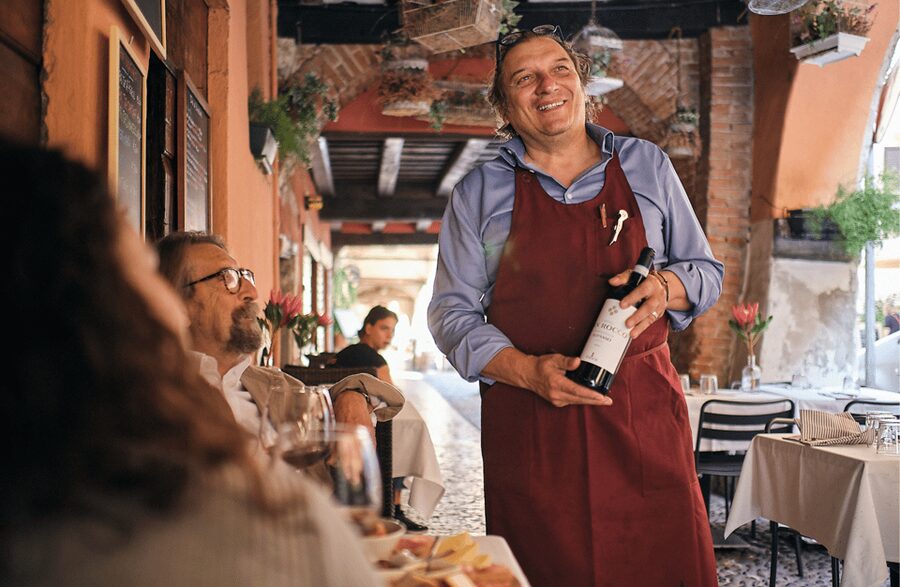
A big chunk of the experience is storytelling, but not in a vague way. You’ll get context around each wine’s producers or local traditions, plus explanations of vineyard care and winemaking. The guide spends time on both the technical side and the human side—how the wine is made, and why those choices developed in the region.
The “Liguria as a wine region” angle is one of the best parts. Liguria sits in its own lane: coastal influence, hillside growing, and regional grape traditions. You’ll learn how that fits into larger Italian and European patterns, so Ligurian wine feels less like a side quest and more like a fully legitimate wine world.
One small but meaningful detail: the guide also takes time with explanations. In particular, one host named Lorenzo was singled out for giving a lovely evening with clear elaboration on wines and their cultural context. That kind of pacing makes the tasting feel personal instead of scripted.
English or Italian: You’ll Get the Same Structure
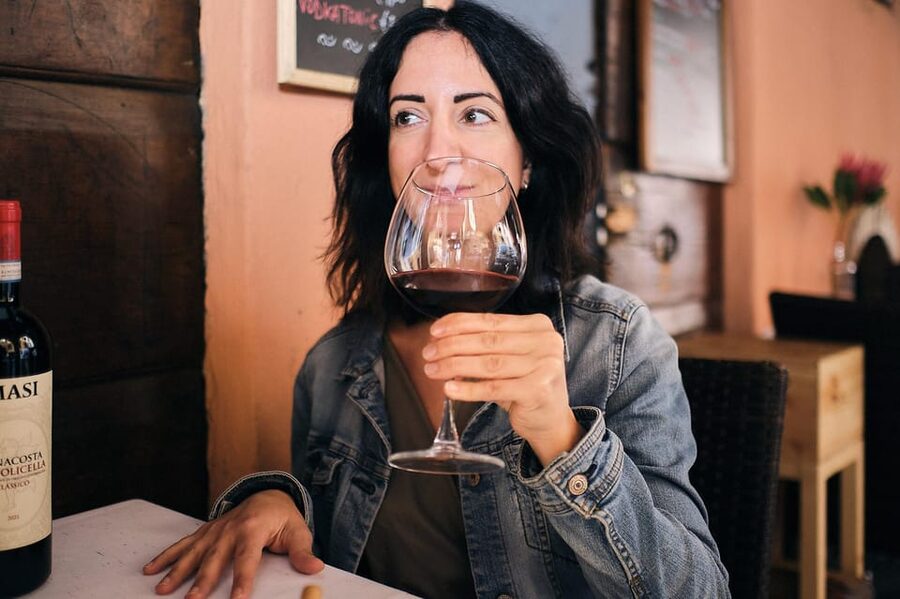
You can join in either English or Italian. Either way, the structure stays the same: the tasting notes lesson, the 2 white then 2 red progression, and pairing with cheese and cured ham. If language is a priority for you, choose the option that helps you catch nuance—taste terms and cultural context are easier when you can follow every detail.
Also, because the group is small, you have room to ask questions without shouting. That matters when you’re learning how to taste, not just drinking.
Price and Value: Is $48 Worth It?
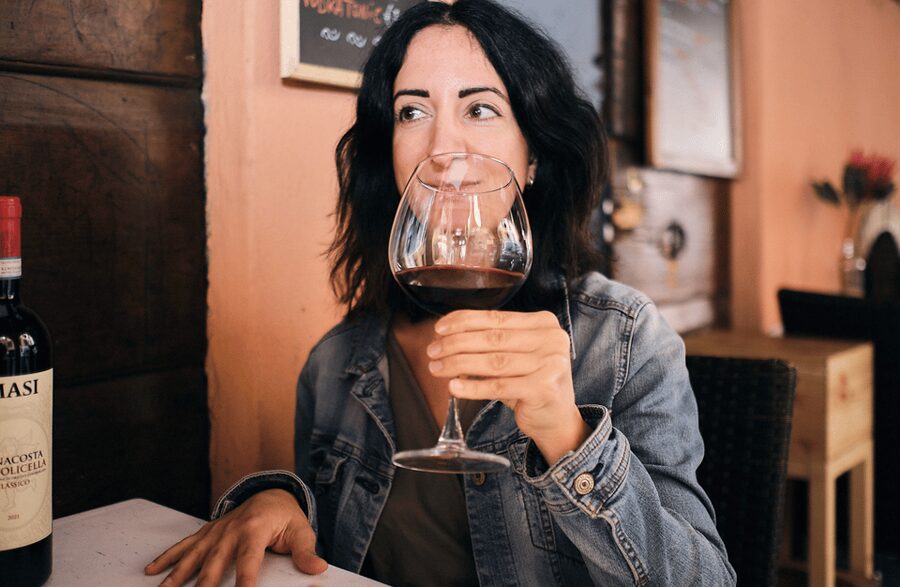
At $48 per person for one hour, you’re paying for four guided tastings plus a curated food pairing and a live host. On a pure “wine count” basis, it’s not a bad rate: you get four wines, not two, and you’re not buying them separately.
The better value argument is the education piece. You’re not handed a list of bottles and left to fend for yourself. You get tasting-note coaching (sight, smell, taste), pairing reasoning, and local background on grapes like Pigato, Vermentino, Rossese, and Ormeasco di Pornassio. If you plan to buy wine later in Liguria—or just want to understand what you’re drinking—those coaching minutes are where the money goes.
One caution: it’s still a short time. You get a focused session, not a long meal. If your ideal wine outing includes hours of lingering, this will feel like a “starter.” The good news is you can buy extra wine after the tasting if you want to keep the momentum going.
Who This Wine Tasting Fits Best (and who should skip it)
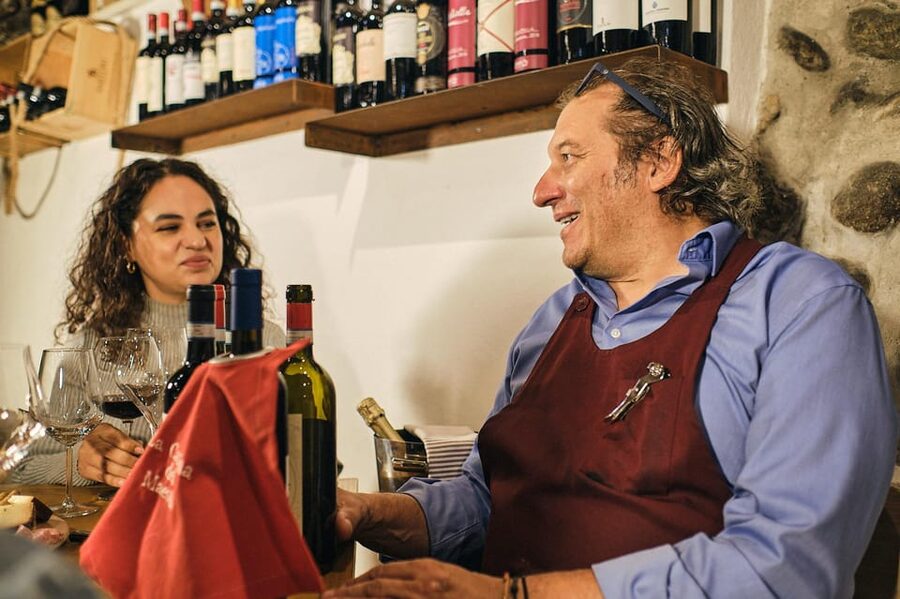
This works especially well for:
- Couples who want an easy first-night activity in Genoa
- Families with grown-up children who can enjoy food pairings and wine notes
- Small groups of friends who want a shared experience without needing a car
You’ll also like it if you’re the type who wants to learn how to taste rather than only chase the strongest flavors. The method-focused approach is ideal for beginners, and it still gives enough detail to keep intermediate wine lovers interested.
Skip it if you’re pregnant. Also, if you have dietary restrictions, make sure you notify the provider in advance so the pairing part stays comfortable.
Wheelchair access is supported, so it’s not a “stand-and-wait” situation.
A quick note on risk (because not every booking is perfect)
Wine tastings are small and human-run. The experience is generally praised for excellent wines and a host who takes time with guests, including a positive note about Lorenzo. Still, there was at least one unhappy booking that asked for a refund after calling it a disaster.
My practical advice: confirm the language you want and plan to arrive a few minutes early. If something is off—timing, communication, or dietary handling—say something right away at the bar. With a short one-hour format, small misunderstandings can feel big.
Should You Book This Genoa Wine Tasting?
Book it if you want a high-yield, low-stress wine experience in Genoa’s center: four wines, Ligurian grape education, and food pairing guidance in just one hour. The walkable location from the Aquarium makes it easy to build into a day without logistics headaches.
Skip it if you prefer long winery-style tastings with lots of downtime, or if you’re pregnant. And if you’re very sensitive about food restrictions, send dietary details ahead of time so the pairing stays safe and enjoyable.
If you’re ready for a compact, well-guided tasting that teaches you how to taste—not just what to taste—this is a smart $48 stop.
FAQ
Where is the meeting point?
You meet in the small square called Chigizola. Enter the wine bar Enoteca Grecale and ask for the guide.
How long does the wine tasting last?
The experience lasts one hour.
What’s included in the price?
The price includes four wine tastings, a cheese and cured ham tasting board with grissini bread, water, and a one-hour live wine guide.
Are the wine tastings in English or Italian?
Yes. The live guide offers the tour in both English and Italian.
Can you handle dietary needs like vegan or celiac?
The provider asks that you let them know in advance if you have vegetarian, vegan, lactose intolerant, or celiac dietary needs.
Do I need a car to do this?
No. It’s in Genoa’s city center, so you can do it without a car.
How big is the group?
It’s a small group with limits stated for the experience (up to 10 participants).
Can I buy extra wine after the tasting?
Yes. Extra wine can be bought after the wine tasting.
Is there free cancellation?
Free cancellation is offered up to 24 hours in advance for a full refund.