REVIEW · TAMPA
The Florida Aquarium Ticket
Book on GetYourGuide →Operated by The Florida Aquarium · Bookable on GetYourGuide
That huge glass dome is your starting point. Step inside The Florida Aquarium and you get a day that moves from sea level to tree level, with hands-on animal time built in. I especially like the three touch pools, because they turn you from a watcher into a participant, and the 500,000-gallon Coral Reef Gallery, which gives you real “wow” scale without feeling like a theme park blur.
I also like how the experience is organized around big animal moments, so you can hit the must-sees fast or slow down and read more. One heads-up: the ticket is valid only for your reserved entry time (or later the same day), so if you’re the type who runs late, you’ll want a little buffer.
In This Review
- Key Highlights Worth Planning Around
- Florida Aquarium Ticket: What You Really Get for $37
- Arrive in Downtown Tampa and Walk Right In
- First Steps Inside: The Iconic Glass Dome and the Bird Aviary
- Coral Reef Gallery: The 500,000-Gallon Centerpiece
- Touch Pools: How to Choose Your Hands-On Moments
- MORPH’D: Seeing Adaptations, Not Just Animals
- Go From Sea Level to Tree Level (and Why the Route Matters)
- SeaTREK and the Wild Dolphin Cruise: What’s Available On-Site
- Food, Facilities, and Family Extras Like Splash and Play
- Timing: How Long to Spend and When to Go
- Getting Around With Strollers and Mobility Gear
- Is This Ticket Worth It? The Best-Fit Reader
- Should You Book the Florida Aquarium Ticket?
- FAQ
- How long is the Florida Aquarium ticket valid?
- What’s included with general admission?
- Does the ticket let me skip the ticket line?
- Are SeaTREK and the Wild Dolphin Cruise included?
- How long should I plan to visit?
- Is the aquarium closed on any holidays?
- What should I bring?
Key Highlights Worth Planning Around
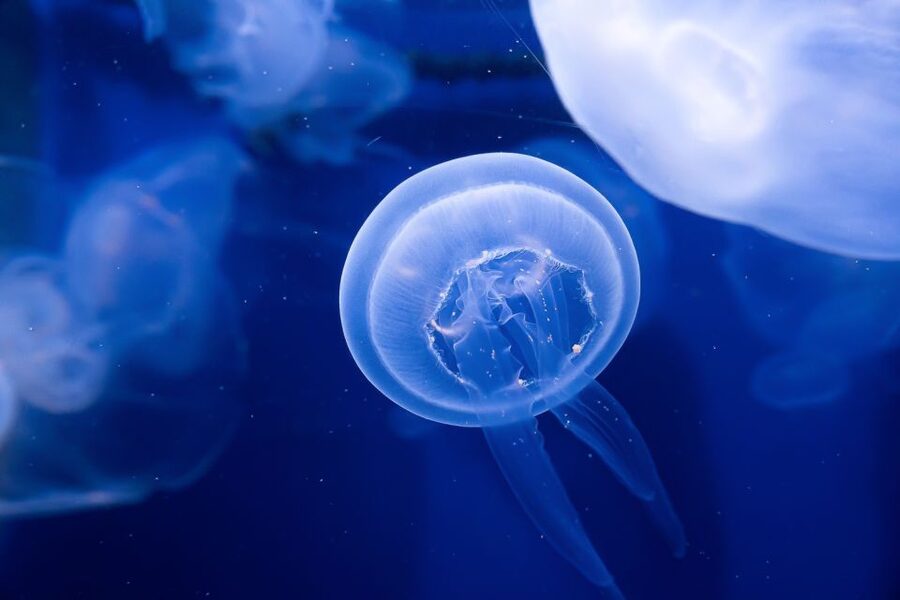
- 3 touch pools for hands-on learning, including jelly time in Moon Bay
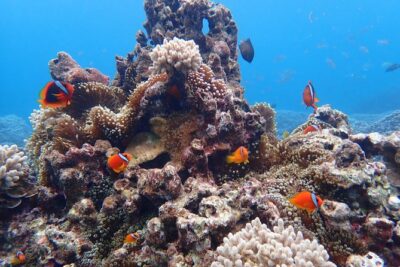
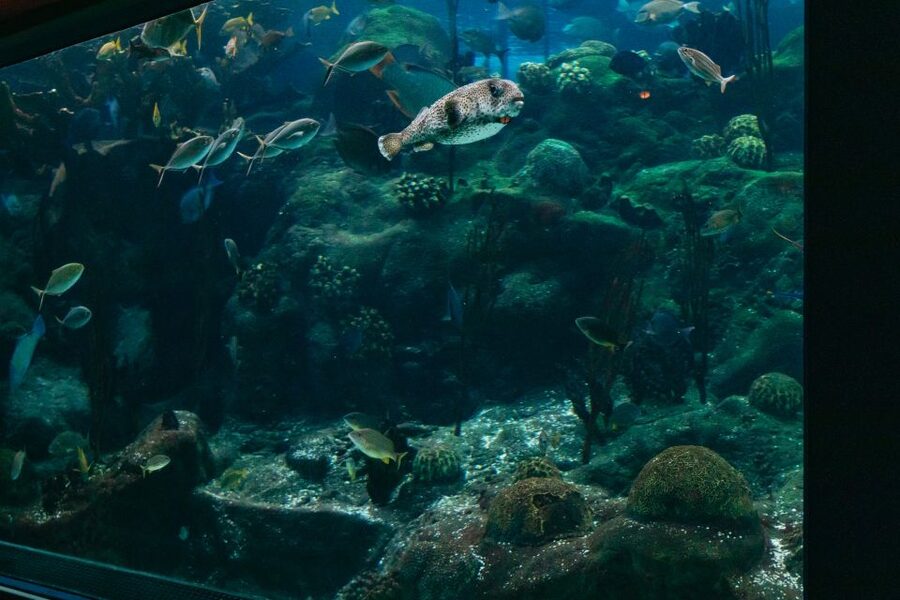
- 500,000-gallon Coral Reef Gallery with sharks, giant stingrays, sea turtles, and barracudas
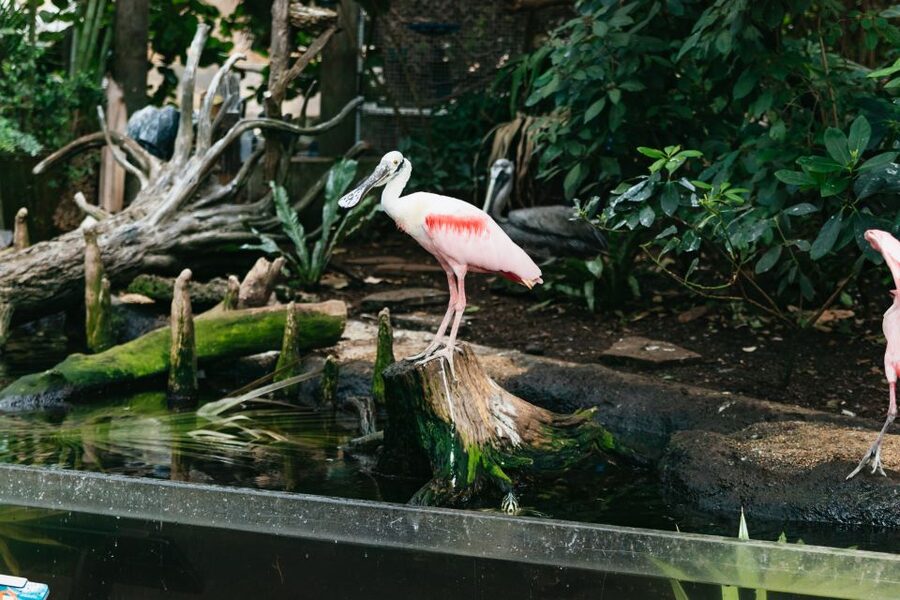
- Free-flying bird aviary with a mangrove tunnel and flowing native fish water
- MORPH’D for seeing how animals adapt to where they live
- Undersea-to-tree-level routing that makes the aquarium feel like a journey, not a room hop
Florida Aquarium Ticket: What You Really Get for $37
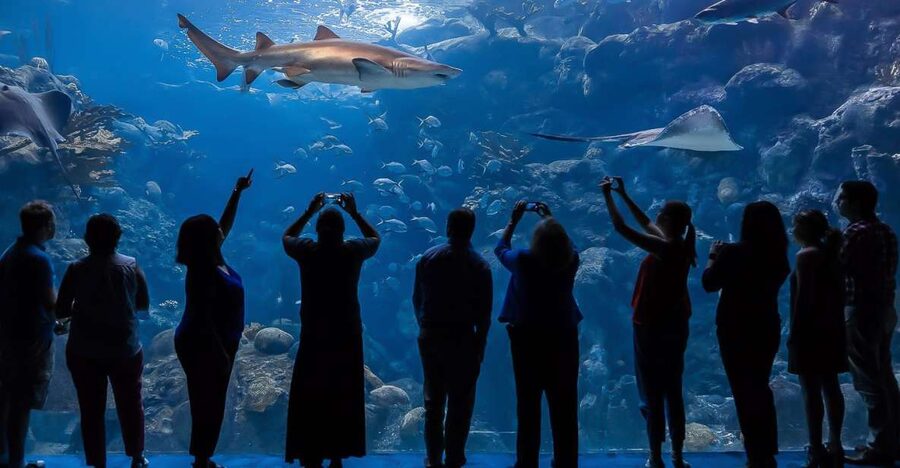
For about $37 per person, this is a solid “one-and-done” attraction ticket if you’re spending time in Tampa anyway. The value isn’t just the exhibits. It’s that your general admission includes access to all exhibits plus three touch pools, along with educational shows or presentations. That matters because touch experiences are usually what people remember a week later, not just the biggest tank.
You’ll also want to think about time. The aquarium recommends planning for at least 2 hours. If you rush, you’ll miss the hands-on areas and the slower learning zones. If you take your time, you can easily stretch it into a half-day outing, especially if you stop for talks or additional experiences offered on-site.
The ticket is timed: your entry is valid at your reserved time or later on the same day. So treat it like a scheduled activity even though you’re exploring on your own. If you’re coming in late, you might still get in, but you could lose the smooth flow you planned.
Arrive in Downtown Tampa and Walk Right In

The aquarium sits in the Channel District of downtown Tampa. It’s also on the free streetcar route and between two cruise ship terminals, which is why you may see a mix of locals, families, and port-day crowds.
Your arrival plan is simple: follow the signs to enter through the main entrance. From there, the ticket experience is built to be fast. The ticket is described as a way to skip the ticket line, so you’re typically steering yourself toward the standard security checks rather than waiting at the front door.
Parking is the only real variable. There are multiple options within walking distance, including a City of Tampa lot on Channelside Drive and a privately managed garage across from the aquarium. If you drive, I’d give yourself extra time so you’re not rushing through security and then scrambling to catch your reserved entry window.
First Steps Inside: The Iconic Glass Dome and the Bird Aviary
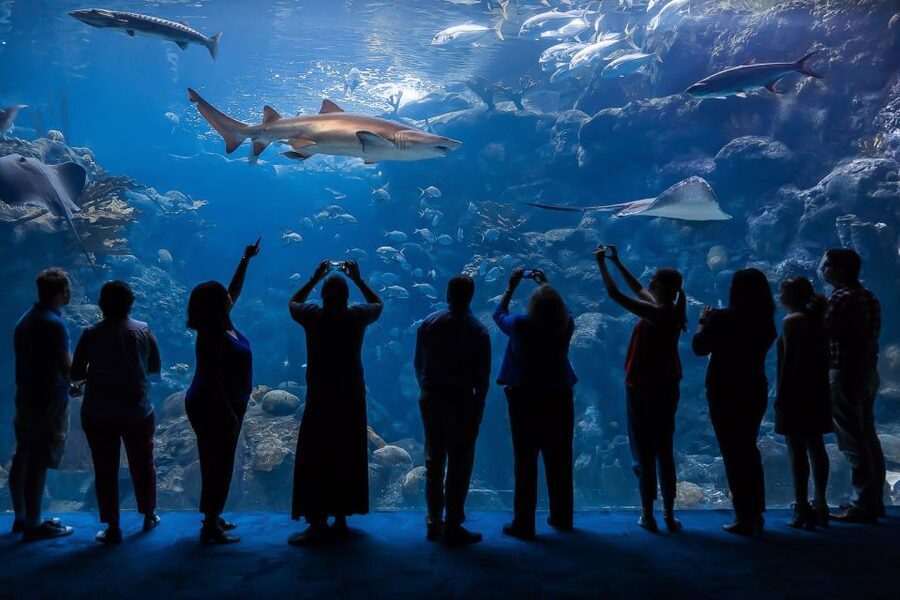
Once you’re inside, the aquarium’s main dome sets the mood. You’re in a big, indoor space designed for “look up, then walk forward” viewing. The path works well if you like a natural rhythm instead of a strict tour route.
One of the best early stops is the free-flying bird aviary with a lush mangrove tunnel. This is the kind of exhibit that changes as you move: you’ll see birds at different heights, plus you get that “wet forest” feel from the tunnel and the surrounding habitat design. It’s also a nice pace-break if you want something other than glass tanks right away.
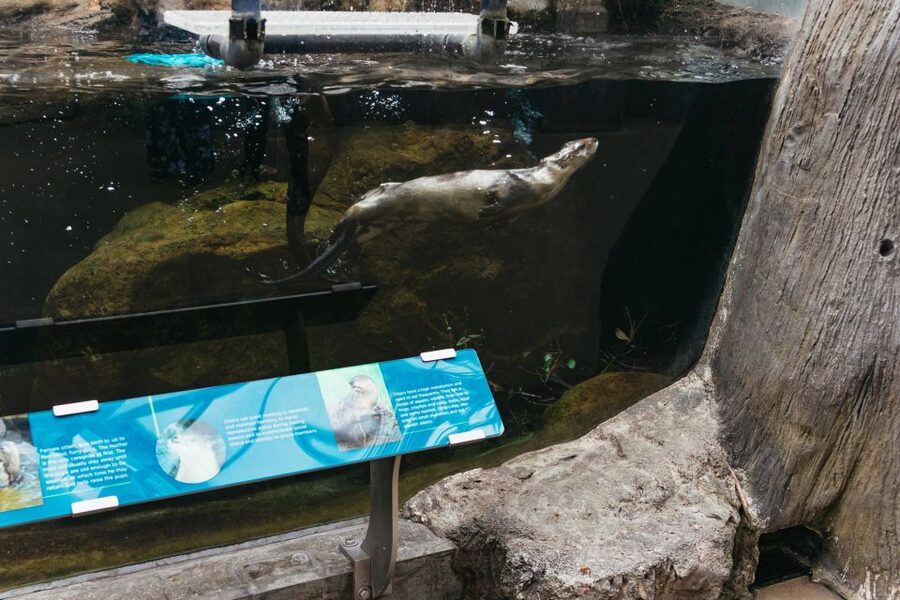
Under the same big dome area, you’ll find other habitat-style elements described as part of the experience, including flowing waters with native fish, river otters, and even alligators. The combination is useful for families because it keeps attention moving: flight, water, then reptiles, all without you leaving the main indoor zone.
Coral Reef Gallery: The 500,000-Gallon Centerpiece

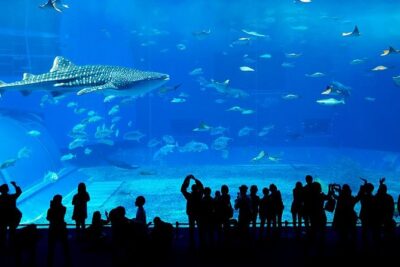
If you only had time for one major tank moment, make it the Coral Reef Gallery. This is a panoramic 500,000-gallon exhibit, and it’s where you’ll see the kind of animals that make people stop mid-sentence and just stare.
The listed highlights include sharks, giant stingrays, endangered sea turtles, barracudas, and multiple fish species. What I like about this kind of gallery is that it gives you depth. You’re not just looking at one animal. You’re seeing how different sizes and swimming styles share the same space.
Practical tip: slow down here. Even though the tank is large, the viewing opportunities depend on where you stand. If you stay in motion, you’ll miss the small stuff that’s swimming in the background. A good strategy is to do one quick pass to find your favorite viewing angle, then come back for a second look when you’ve cleared the touch areas.
Touch Pools: How to Choose Your Hands-On Moments
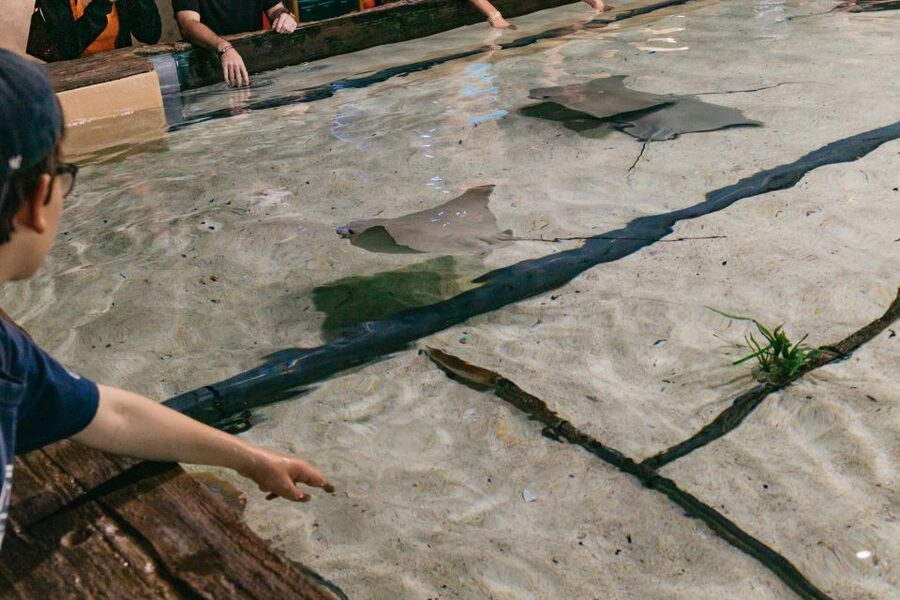
The aquarium’s biggest “do something” element is the three touch pools included with admission. This is where the ticket earns its keep, because you’re not just paying to watch—you’re paying for interaction that’s structured and educational.
You’ll also find named interactive zones tied to touch experiences, including Stingray Touch, No Bone Zone, and Moon Bay. Moon Bay is specifically described as a place where you can touch a jelly, which is the kind of animal encounter people talk about because it feels unusual and gentle.
Here’s how I’d plan touch time so you don’t feel rushed:
- Start with the touch pool you’re most curious about, since that’s usually the one that gets the longest attention.
- Keep an eye on any signage and staff instructions once you’re there; touch pools work only if everyone follows the rules.
- Bring a quick mindset: it’s not a petting zoo. It’s a short, controlled interaction.
Also, pack for getting a little wet. The only clear “what to bring” item listed is change of clothes, and that’s your signal. If you want to keep your day comfortable, bring something easy to swap into afterward.
MORPH’D: Seeing Adaptations, Not Just Animals
After the big tank and hands-on areas, you’ll want at least one exhibit that makes you think. That’s where MORPH’D fits.
The aquarium frames MORPH’D as a show about animals that have adapted to their environment. In practical terms, that means you’re likely getting short, clear explanations tied to what you’re seeing. It’s also a good “reset” when your legs are tired, because you can focus on learning without needing to constantly walk.
This sort of exhibit is valuable because it turns the aquarium from a checklist into something you can carry home. Instead of only thinking, I saw a shark or stingray, you start asking, Why does it look like that? How does it survive here?
Go From Sea Level to Tree Level (and Why the Route Matters)
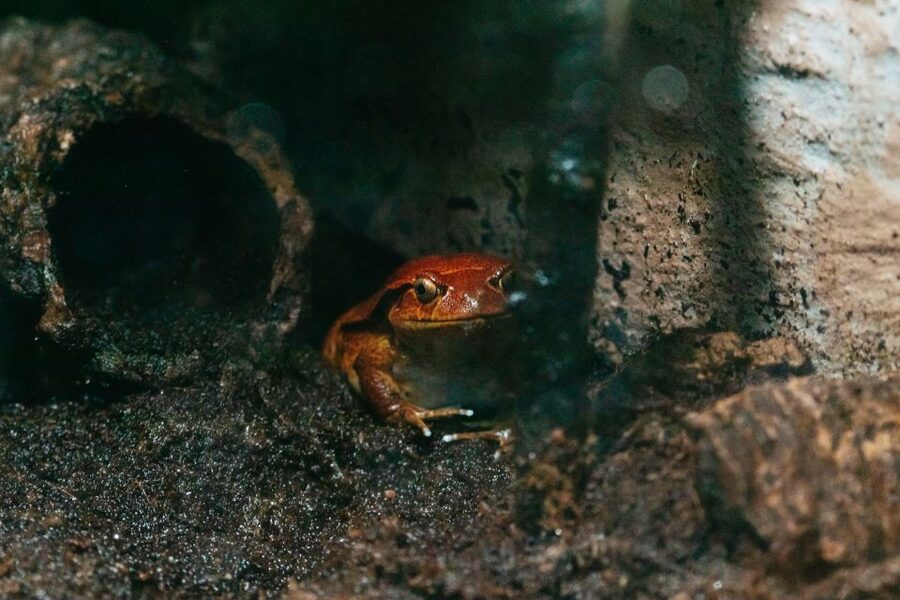
One of the smarter design choices in this aquarium is the idea of moving from sea level to tree level. You’re not just wandering past a set of tanks. The layout encourages a sense of progression through different habitats.
That matters because each habitat has different viewing styles. You get open water panoramas in the reef areas, habitat immersion around the aviary and mangrove tunnel, and tactile learning at the touch pools. If you try to “power through” everything in one straight line, you’ll end up missing the variety.
So I’d pick a simple flow:
- Do one anchor exhibit (Coral Reef Gallery).
- Add the hands-on encounters (touch pools).
- Use MORPH’D and the aviary as your brain and pace breaks.
That gives you a balanced day even if you’re with kids, elders, or anyone who gets overwhelmed by constant motion.
SeaTREK and the Wild Dolphin Cruise: What’s Available On-Site
This ticket covers general admission. It includes access to exhibits, touch pools, and shows. But two “water on the water” items are listed as things you can do: SeaTREK and the Wild Dolphin Cruise.
The key detail: they’re not listed under what’s included with admission. So treat them like add-ons you’d purchase separately. If you want them, plan for extra time and money. Also, double-check current offerings and schedules on the aquarium’s site before you show up, since operating details can shift.
If you’re wondering who these options fit, they’re for the person in your group who wants a bigger thrill beyond glass and touch pools. If your group is more “slow and soak it in,” you can skip them and still leave happy.
Food, Facilities, and Family Extras Like Splash and Play
Food at the aquarium is available for purchase onsite at Cafe Ray. If you’re coming for a longer visit, having an on-site option reduces the need to leave and return, which is how day plans start to unravel.
You might also notice family extras depending on conditions, including a splash pad and a playground. The splash pad may not always run in every weather pattern, so don’t build your entire plan around it. If the splash pad is off, you’ll still have the playground option, which can save a lot of cranky moments.
Comfort matters, too. Wear comfortable shoes. The aquarium is described as a lot of walking between parking areas and exhibits, and once you’re inside you’ll still move from zone to zone.
Timing: How Long to Spend and When to Go
The aquarium recommends at least 2 hours. For many people, that’s enough if you focus on the highlights: Coral Reef Gallery, touch pools, and one learning exhibit like MORPH’D.
If you want a calmer day, aim to arrive earlier in the operating day so you’re not spending extra time waiting for touch experiences. On days when crowds are heavier, touch pools and popular viewing areas will feel more competitive. On quieter days, the skip-the-line aspect may matter less, but it still helps keep your day on track.
Also remember the holiday closures: the aquarium is closed on Thanksgiving Day and Christmas Day. Plan around that if your travel lines up with those dates.
Getting Around With Strollers and Mobility Gear
This experience is wheelchair accessible. The aquarium also notes that there’s a limited number of wheelchairs, electric scooters, and strollers available for rent daily.
That limitation is the practical detail. If you need a rental, don’t gamble on availability—arrive early and be ready to ask on-site.
Is This Ticket Worth It? The Best-Fit Reader
This ticket is a strong match if you want:
- A full set of high-impact exhibits in one day
- Hands-on learning through three touch pools
- A Tampa-area aquarium visit with easy downtown access
It’s especially good for families because you’ll keep finding new stimulus: bird flight, reef giants, touch pool time, and educational exhibits that aren’t just static signage.
If you hate crowds and want total quiet, you can still enjoy it, but you’ll want smart timing. Likewise, if you’re expecting an aquarium with massive outdoor space or endless walking, this is more of an indoor, structured visit, with lots to see but with a focused footprint.
Should You Book the Florida Aquarium Ticket?
Yes, if you’re going to be in Tampa and you want one paid activity that gives you variety. The best reasons to book are the timed entry, the included touch pools, and the Coral Reef Gallery scale—that combo makes the day feel worth the ticket price even when you factor in snacks and optional add-ons.
Book if you:
- Want a mix of learning and hands-on animal time
- Like a self-paced visit with clear “anchor exhibits”
- Appreciate downtown logistics and walkable sightseeing nearby
Skip it or consider a different plan if you:
- Only want one small exhibit and you’re short on time
- Know you’ll refuse touch-based experiences
- Are hoping SeaTREK or the dolphin cruise is included by default (it’s not listed as part of general admission)
If you want, tell me your travel dates and who’s going (kids? mobility needs? how many hours you have). I can help you pick an order that gets you to the best parts without feeling rushed.
FAQ
How long is the Florida Aquarium ticket valid?
Your admission is valid for 1 day. Entry is valid at your reserved time or later on the same day only.
What’s included with general admission?
General admission includes access to all exhibits, 3 touch pools, plus educational and entertaining shows or presentations.
Does the ticket let me skip the ticket line?
Yes. The ticket includes skip the ticket line, so you can move toward entry after security.
Are SeaTREK and the Wild Dolphin Cruise included?
SeaTREK and the Wild Dolphin Cruise are listed as available experiences, but they are not described as included in the general admission package. You should check on-site for current availability and pricing.
How long should I plan to visit?
The aquarium recommends allowing at least 2 hours for your visit.
Is the aquarium closed on any holidays?
Yes. It is closed on Thanksgiving Day and Christmas Day.
What should I bring?
Bring a change of clothes. If you’re planning to use touch areas and splash features, having something to swap into later is a smart move.