REVIEW · MIYAKOJIMA
Okinawa Miyako Natural Aquarium! Tropical Snorkeling Tour
Book on Viator →Operated by MIYAKO ADVENTURE PiPi · Bookable on Viator
Snorkeling here feels like 4K nature. In Miyakojima, you’re not just in open water. You’re guided through a natural aquarium setting where coral and fish feel close enough to study.
What I really like is the free photo data setup. Your guide takes pictures during the tour using a waterproof camera, then hands the files to you for free, so you don’t spend the whole day worrying about your phone.
One practical catch: there are no restrooms at the site. If you wait until you arrive, you’ll have a bad time, so build in a stop before meeting.
In This Review
- Key highlights at a glance
- What Miyako-jima’s natural aquarium vibe actually means
- Snorkeling time budget: how 1.5 hours plays out
- Shigira Beach parking lot: start point, gear check, and what to plan for
- The underwater experience: coral, fish, and sea turtles you can actually look at
- The photo data perk: why it’s better than buying an underwater camera
- Guide style in real life: supportive, attentive, and multilingual
- Sustainability matters here, not just as a slogan
- Group size: why a cap of 100 can still feel manageable
- Price and gear fees: what you’re paying for
- Weather and tides: what can change on your day
- Who this tour fits best (and who should skip it)
- Should you book Okinawa Miyako Natural Aquarium Snorkeling?
- FAQ
- How long is the Okinawa Miyako Natural Aquarium snorkeling tour?
- Where do I meet and where does the tour end?
- What snorkeling gear is required?
- What are the age limits and who can’t join?
- What’s the photo offering included in the tour?
- What language are the tours offered in?
Key highlights at a glance
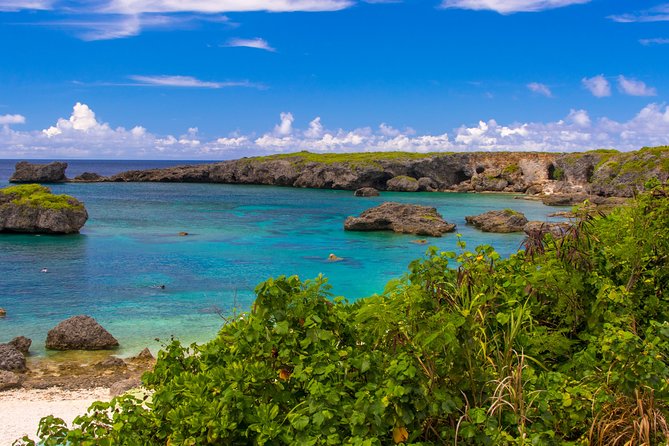
- Free photo data from the water with a waterproof camera, included in the experience
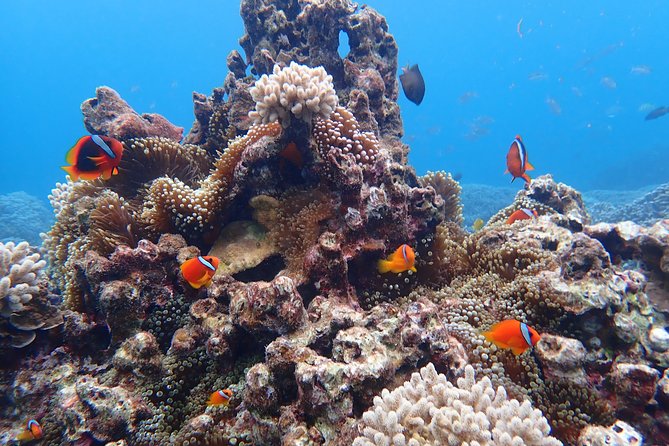
- Sea turtles and clownfish are a real goal of the snorkeling route
- Beginners welcome, with guides who support you in the water
- Mandatory safety gear includes a life jacket, fins, and mask, plus special shoes
- Tour times shift with tide and weather, so expect flexible start moments
- Eco-friendly focus, designed to support sustainable ocean time
What Miyako-jima’s natural aquarium vibe actually means
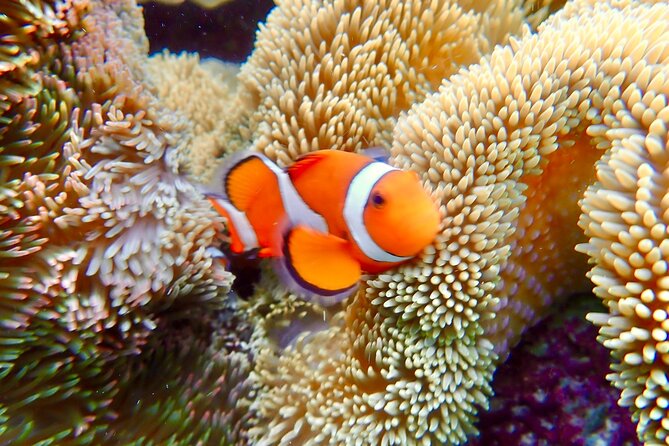
Miyakojima snorkeling can feel like two things at once: adventure and classroom. The goal here is a reef-and-fish scene where you can slow down and look. You’re watching coral and tropical fish in a setting that feels naturally staged rather than far offshore.
The color in this part of Okinawa comes from more than just water clarity. It’s the coral shapes and the fish behavior you notice once you’re calm in the gear. Even if you’re new, you can still enjoy the experience because the guides pace you for comfort first, sights second.
Snorkeling time budget: how 1.5 hours plays out
The tour runs about 1 hour 30 minutes, give or take. You’ll pick from scheduled departure windows (8:30, 10:30, 13:30, 15:30), then follow a simple rhythm: meet, gear up, snorkel, and return to the meeting point.
A typical flow looks like this:
- Meet your guide at the site around your start time
- Gear up and begin the activity shortly after
- Spend the bulk of the time snorkeling, with chances to spot sea life up close
- Finish and disband back at the meeting point
The schedule can vary with weather and tide conditions, so don’t plan your next activity to the minute. I’d treat this tour like a flexible block on your day, not something rigid.
Shigira Beach parking lot: start point, gear check, and what to plan for
You start at the Shigira Beach Parking Lot (Arazato Ueno, Miyakojima). The experience ends back at the same meeting point. That’s convenient because you don’t need to shuttle around once you’re ready.
Before you head into the water, you’ll do a proper gear check. For sea activities, you must wear:
- a life jacket
- fins
- a mask
The tour also provides safety items like special shoes, and you’ll wear a wetsuit in winter season. If you can’t wear the required gear, you won’t be allowed to participate, so come prepared to put on the setup and follow instructions.
One more thing that matters: there are no restrooms at the site. Do your bathroom stop before you arrive, and keep your timing in mind. If you’re traveling with kids, this becomes even more important.
Parking can also be a real cost depending on where you park: ¥1,000–¥2,000 may apply. If you’re planning to drive, factor that in.
The underwater experience: coral, fish, and sea turtles you can actually look at
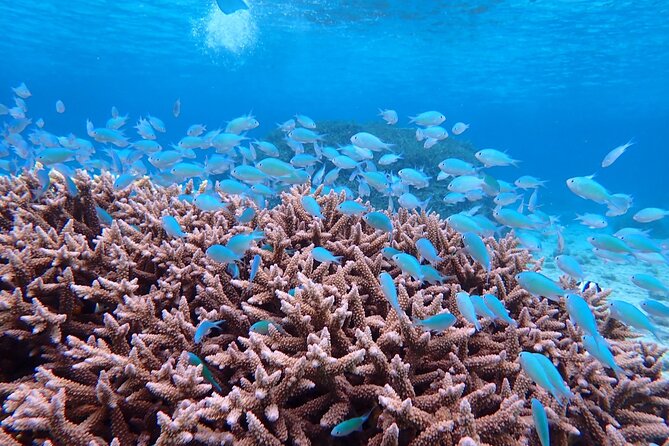
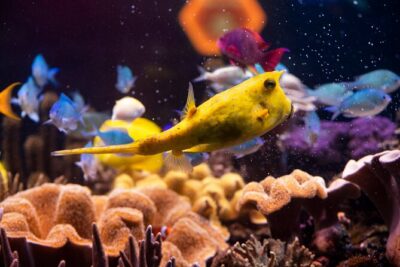
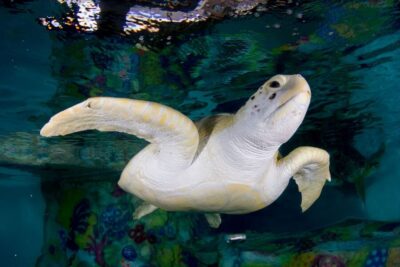
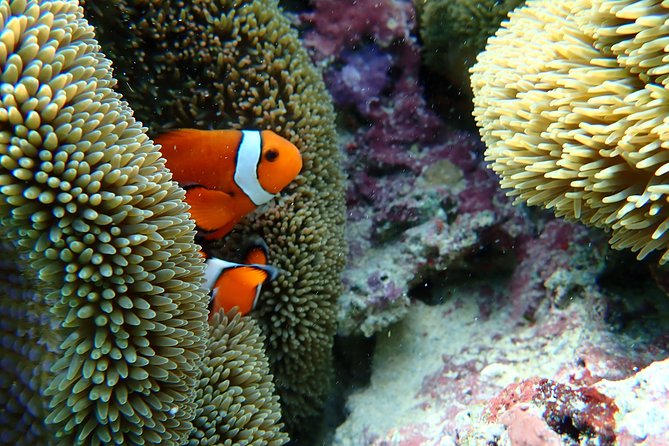
This tour is built around a straightforward promise: snorkeling in a natural reef setting with coral and tropical fish. The big headline from the experience is the chance to see sea turtles and clownfish close by.
That matters because seeing a turtle is one thing. Seeing it at the right moment, at the right distance, while you still feel relaxed enough to enjoy it, is the whole game. In past outings, people have reported encounters that felt personal, not distant.
If you’re nervous in the water, you’ll likely appreciate how guides handle pace and position. Guides are described as supportive with physical condition, and they often help first-timers get comfortable. In plain terms: you won’t be left to figure everything out by yourself.
Another detail worth knowing: guides don’t just lead you to spots. They tend to explain what you’re looking at. Some guides are noted for easy explanations of fish names and habits, which turns snorkeling into something you remember later, not just a quick look through water.
The photo data perk: why it’s better than buying an underwater camera
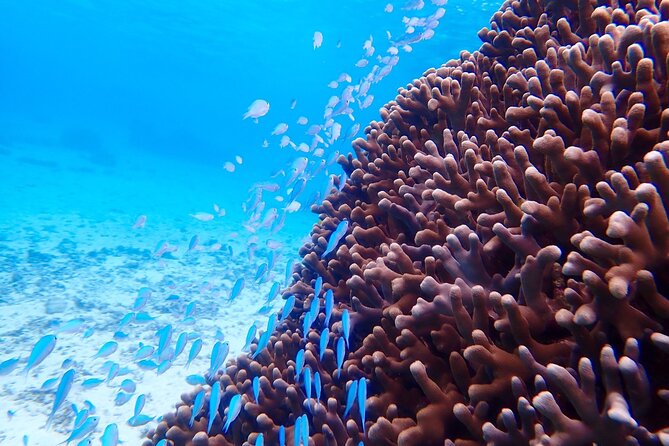
The “free photo data” part isn’t a throwaway line. It’s the kind of add-on that can save you money and hassle.
Your guide takes photos during the tour with a waterproof camera, and the data is gifted to you for free. Multiple guides are mentioned by name in customer comments—people talk about guides taking pictures from the water and sharing lots of photos. One advantage of this is simple: you can spend your attention on breathing, body position, and spotting wildlife, not on operating a device.
You also get a practical bonus for souvenir hunting. Instead of trying to capture the moment yourself with limited luck, you end up with a set of images your guide has focused on while you enjoy the snorkeling.
Guide style in real life: supportive, attentive, and multilingual
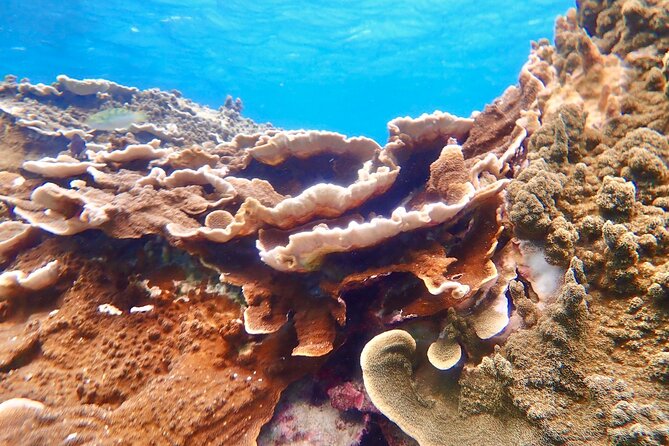
Good snorkeling guides do two jobs: safety and comfort. This tour leans hard into both.
From customer feedback, guides like Rintaro, Hinata, Kaho, Yumacho, and Wakachiko are described as friendly and careful, especially with first-timers and kids. People also mention that guides watch your physical condition, and that you’ll get answers and support when you need it.
Language-wise, tours are available in Japanese or English. On some days it may be Japanese-only, so if you need English specifically, keep an eye on the confirmation message you receive the day before. (If you’re traveling with mixed-language groups, this is the kind of detail that saves stress.)
Sustainability matters here, not just as a slogan
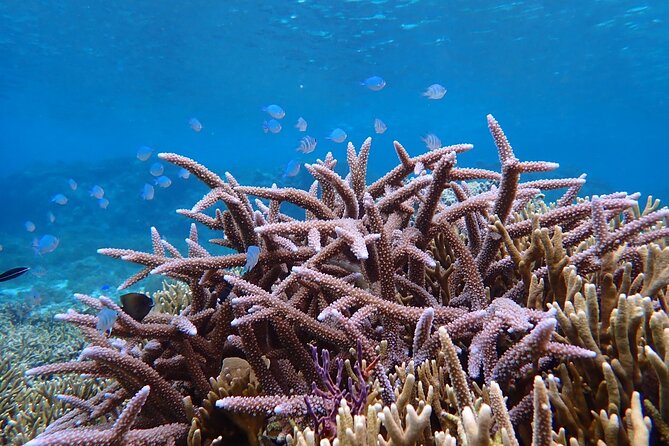
This experience says it’s committed to sustainable, eco-friendly tours. While you won’t be handed a checklist like a science museum, the point is that the activity is designed to be mindful of the environment.
For you, that means you’re likely to follow clear instructions about how you move in the water and how you treat the reef. In reef areas, the biggest “eco impact” is usually your behavior: steady fin use, slow movement, and no touching.
It’s the kind of tour that makes sense if you care about enjoying nature without acting like a wrecking ball.
Group size: why a cap of 100 can still feel manageable
The maximum group size is 100 travelers. That number sounds big on paper, but your actual time in the water typically feels more compact because guides run the activity in a controlled flow with set gear and safety rules.
Still, if you’re sensitive to crowds, plan for some waiting around the meeting point while others get ready. The good news is the tour is short, and once you’re in the water, the focus shifts quickly to the reef and sea life.
Price and gear fees: what you’re paying for
At $45.07 per person (USD price shown), you’re paying for a guided snorkeling experience with real safety structure. Included items include:
- use of snorkeling equipment
- wetsuit (winter season)
- photo data
- safety equipment such as life jacket and special shoes
- activity fee, liability insurance, and consumption tax
One confusing detail you should double-check in your booking info: the data also shows snorkeling equipment as not included with a ¥1,000 per person fee. Since the included list says snorkeling equipment is included, it looks like there may be a condition or a mismatch in how options are displayed. Before you go, check your ticket details so you don’t get surprised by an extra charge.
Even with that caution, the price can still be good value because of two things you’d otherwise pay for on your own: a guide who supports beginners and the free photo data you don’t have to capture yourself.
Weather and tides: what can change on your day
This tour operates in light rain, but it may be canceled if conditions are unsafe. Also, the schedule can shift based on tide and weather.
From a practical standpoint, you should treat this as a “go with the ocean” activity. If you’re planning other plans the same day, keep some breathing room. If a cancellation happens, the experience offers another date or a full refund, depending on the situation.
One more small heads-up: photos of a cave shown in past materials may not reflect what you’ll see on your day. Currently, photos can only be taken at the entrance. If you’re expecting cave photos specifically, set expectations accordingly.
Who this tour fits best (and who should skip it)
This is for ages 3 to 59. It’s a no-go for:
- pregnant participants
- children under 3
- anyone with medical conditions
If you’re concerned about physical strength or you have a strong fear of the sea, you’re asked to consult in advance. That’s smart, because it’s easier to match you with the right support before you’re standing at the water.
It also notes that participation while under the influence of alcohol isn’t allowed.
So who’s it perfect for?
- first-time snorkelers who want guidance and support
- families with kids who need a calm, patient guide
- people who care about getting photos without buying extra gear
Should you book Okinawa Miyako Natural Aquarium Snorkeling?
If you want a guided snorkel where the goal is close-up reef life and you’d rather have a professional handle the details, this is a strong pick. The free photo data is a real value driver, and the repeated emphasis on beginner support makes it feel less intimidating than many snorkeling tours.
I’d book it if you:
- want a short, focused snorkeling session (about 1.5 hours)
- care about seeing sea turtles and clownfish
- prefer not to wrestle with a camera underwater
I’d think twice if:
- you really need restroom access at the exact site (there isn’t one)
- you’re booking under uncertain sea conditions and can’t shift your schedule
If you’re flexible and ready to follow safety gear rules, you’ll likely enjoy a memorable Miyakojima reef day.
FAQ
How long is the Okinawa Miyako Natural Aquarium snorkeling tour?
The duration is approximately 1 hour 30 minutes.
Where do I meet and where does the tour end?
You meet at the Shigira Beach Parking Lot in Miyakojima, Okinawa, and the tour ends back at the same meeting point.
What snorkeling gear is required?
For the sea activity, wearing a life jacket, fins, and a mask is mandatory. If you cannot wear the required gear, you won’t be allowed to participate.
What are the age limits and who can’t join?
Eligible age is 3 to 59 years old. Pregnant individuals (including early stages), children under 3, and people with medical conditions cannot participate.
What’s the photo offering included in the tour?
Your guide takes photos during the tour using a waterproof camera, and the photo data is provided for free.
What language are the tours offered in?
Tours are available in Japanese or English, but some days may be Japanese-only. You’ll get details ahead of time by the day before.