REVIEW · CLEARWATER MARINE AQUARIUM
Clearwater: Eco-Certified Marine Aquarium General Admission
Book on GetYourGuide →Operated by Clearwater Marine Aquarium · Bookable on GetYourGuide
A rescue story makes this aquarium feel different. Clearwater Marine Aquarium is where rescued marine animals live, heal, and wait for the next step. I love the chance to see rescued dolphins up close, and I also like how it’s an indoor/outdoor setup that keeps the day moving.
What really clicked for me is the focus on the real work behind the scenes: rescue, rehab, and release. You’ll spend time with resident animals like dolphins, stingrays, otters, sea turtles, and sharks, then connect it all to what the facility is doing to help injured marine life.
One thing to plan for: a chunk of your visit is outside, so weather matters. And due to COVID-19 preventative measures, some presentations or extra tours may be limited when you arrive, so you’ll want to be flexible.
In This Review
- Key things to know before you go
- Why Clearwater Marine Aquarium feels different from a typical aquarium
- Getting oriented: where to start and how to plan your flow
- Your day with rescued animals: dolphins, otters, stingrays, and more
- The theatre programs: learning that doesn’t feel like a lecture
- The working animal hospital: rehab is the real heartbeat
- Harbor view deck and stranding deck: a calmer pace with real bay scenery
- Outdoors time: dress for weather and plan for comfort
- Optional boat tour of Clearwater Bay and other add-ons
- Timing your visit: how to get the most from a 1-day pass
- Price and value: is $36 worth it?
- Who this is best for (and who should rethink it)
- Getting there: practical parking, shuttles, and bike-friendly access
- Should you book Clearwater Marine Aquarium general admission?
- FAQ
- What’s included with Clearwater Marine Aquarium general admission?
- How long is the ticket valid?
- Is the aquarium indoor or outdoor?
- What kinds of animals can you see?
- Are pets allowed?
- Do I need to bring anything?
- FAQ
- Can I add a boat tour to my visit?
- What should I wear?
- Where does the visit start?
- Is wheelchair access available?
- Is food included?
- Can I bring my own car or should I use public transport?
Key things to know before you go
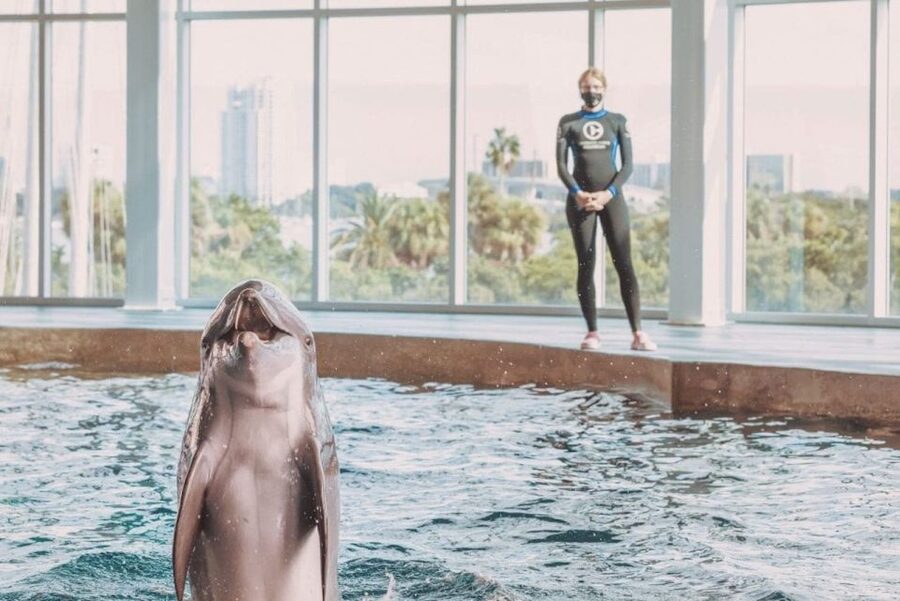
- Rescued resident dolphins take center stage, including marine stars featured in Dolphin Tale
- Daily educational programs help you understand rescue, rehab, and release in a way that feels practical
- Working animal hospital viewing shows the rehab side of the mission
- Harbor view deck and stranding deck offer Clearwater Bay scenery while you wait for talks and feedings
- Optional boat tour of Clearwater Bay adds extra time if you want more than the aquarium walk-through
- Most residents can’t be released, so you’ll see long-term habitat living and the reasons why
Why Clearwater Marine Aquarium feels different from a typical aquarium

This is not just a walk past tanks. Clearwater Marine Aquarium is built around a mission: rescue, rehabilitation, and (when possible) release of marine life. That changes the tone of the whole visit. Instead of “look and move on,” it becomes “look and understand.”
I like that the facility doesn’t oversell the happy ending. You learn that many residents can’t be released due to reasons tied to their injuries or recovery needs. Seeing animals in permanent habitats is oddly grounding. It turns your visit into a lesson in compassion and realistic conservation.
Also, the dolphin factor is real. The aquarium is the home of rescued resident dolphins and connects to the marine life made famous by the Dolphin Tale movies. If dolphins are on your must-see list, this is one of the most straightforward places in the area to check that box.
Getting oriented: where to start and how to plan your flow
Your general admission visit starts at the parking garage and ticketing office, 249 Windward Passage, Clearwater, FL 33767. From there, you’ll explore at your own pace, but the day feels best when you anchor it around the scheduled programs in the theatre.
One smart approach is to start by getting your bearings fast—especially because Clearwater Marine Aquarium mixes air-conditioned space with open-air areas. The harborside decks are great to hit early or late, when you can enjoy the views of Clearwater Bay without feeling rushed.
The facility also gives you multiple “looking platforms,” not just one. You’ll find vantage points like the harbor view deck and the stranding deck, which helps if you’re visiting with kids or anyone who gets restless. People can pause, watch, and then move on to the next exhibit without the day feeling like a treadmill.
Your day with rescued animals: dolphins, otters, stingrays, and more
General admission is your ticket into the aquarium experience. Once you’re inside, you’ll meet a mix of resident species and animals currently in rehabilitation.
Expect to see:
- Dolphins (the stars of the show)
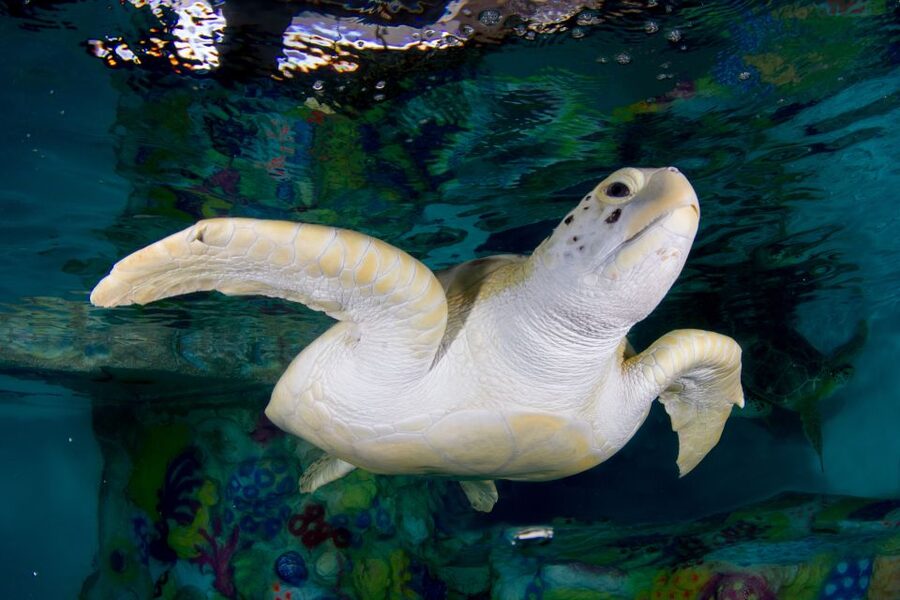
- Sea turtles
- Otters
- Stingrays
- Sharks
- Pelicans and other marine life
The big value here is how the animals are presented. You’re not only seeing them; you’re learning their individual stories—especially what led to rescue and what rehab (or long-term care) looks like afterward. That storytelling makes the enclosures feel more purposeful.
And yes, it can get emotional. In a good way. When you understand that the majority of residents remain in permanent habitats, you stop thinking of it as a temporary stop and start seeing it as a life-care facility.
The theatre programs: learning that doesn’t feel like a lecture

Throughout the day, presentations and talks run as part of the education plan. The theatre is a key stop, because this is where the mission comes alive in plain language—rescue, rehab, and release, plus what the staff does to care for marine life and protect the environment.
I like theatre programs at places like this because they help you “connect the dots.” After you’ve walked the exhibits for a bit, a talk can explain why certain animals are housed the way they are, and what recovery typically requires. It also gives you context for what you’ll see later in the rehab-related areas.
A practical tip: plan to catch at least one theatre session. If you only do the exhibits, you’ll still enjoy the animals, but you’ll miss the clearest explanation of the why behind the work.
The working animal hospital: rehab is the real heartbeat

If you take one thing seriously during your visit, make it the rehab side. Clearwater Marine Aquarium includes a working animal hospital area where you can see animals currently undergoing rehabilitation.
Even if you’re not a medical-care nerd, the idea matters. You’re seeing the process—what it takes to stabilize injuries, support recovery, and decide next steps. It’s a strong contrast to the simple “watch and photograph” nature of many attractions.
One more important detail: because many residents can’t be released, the rehab story doesn’t end with a “back to the wild” ending. Instead, you learn how long-term care fits into the rescue ecosystem. For me, that makes the whole place feel more honest.
Note: due to COVID-19 preventative measures, some behind-the-scenes or paid experiences may not be available when you arrive. The general animal-hospital view and education should still be part of your day, but if you’re hoping for extra access, expect to ask on arrival what’s running.
Harbor view deck and stranding deck: a calmer pace with real bay scenery
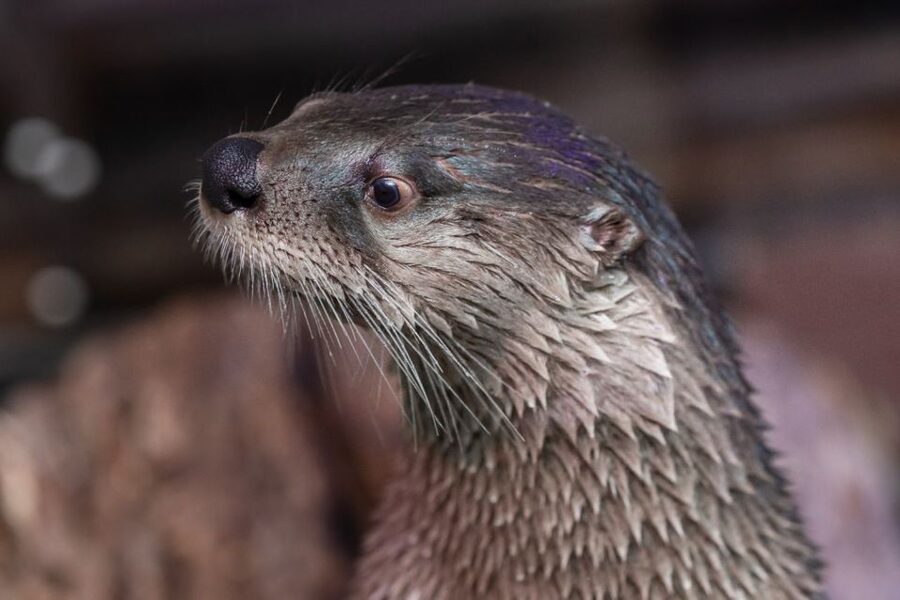
Clearwater Bay is part of the experience, and the aquarium builds that into the route. You’ll have areas where you can enjoy views from the harbor view deck and the stranding deck.
This matters because it changes how the day feels. You get a break from the constant exhibit-to-exhibit shuffle. It’s easier to watch animals when the environment is relaxed, and the bay views help you reset your focus.
If you’re traveling with mixed ages (or anyone who gets tired of long indoor stretches), these decks are a nice pacing tool. You can spend time outside, then head back to air-conditioned areas as needed.
Outdoors time: dress for weather and plan for comfort

This aquarium is indoor and outdoor, with air-conditioned spaces inside and open air outside. That means you should dress for the weather, not for the brochure.
A face mask or protective covering is also listed as a requirement, so plan to bring one. You don’t want your visit to start with a last-minute scramble at the front gate.
For comfort, think in layers. If the sun hits hard or the breeze picks up near the harbor, you’ll be glad you can adjust without changing your whole outfit mid-day.
Also, pets aren’t allowed. That includes anything furry you might want to bring for company, so keep pets at home or in your lodging.
Optional boat tour of Clearwater Bay and other add-ons
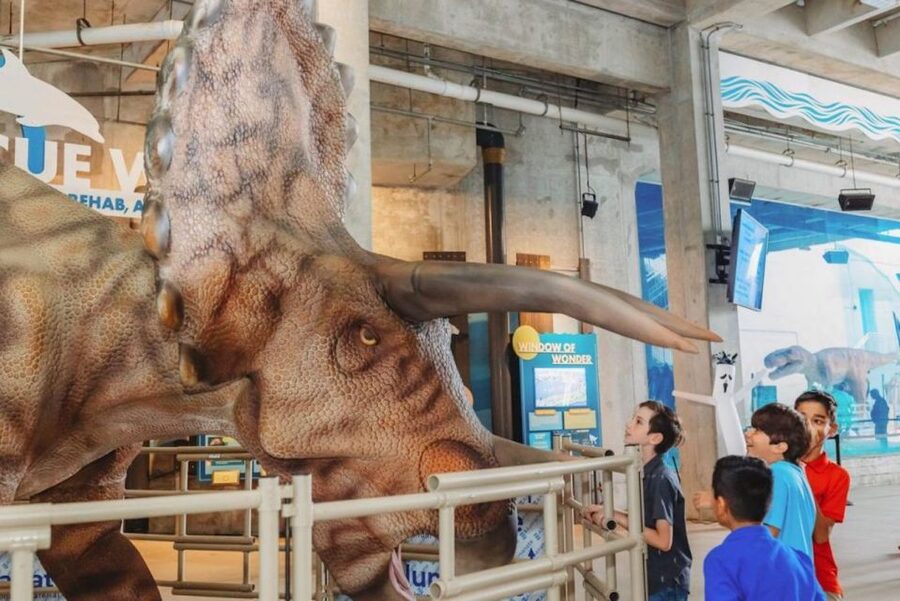
General admission is your base. If you want to stretch the experience, you can add an optional boat tour of Clearwater Bay.
This is where the day can become a true half-day-to-full-day plan depending on your pace. One review mentioned a 90-minute sealife safari, which suggests that the longer boat-style options are often a solid chunk of time. If you’re the type who likes to spend your afternoon watching scenery and learning in motion, the boat tour is worth considering.
Keep in mind: other extras (like animal care experiences, photo opportunities, and behind-the-scenes tours) are not included with general admission. Some may also be limited during COVID-19 preventative measures. If those extras matter to you, ask what’s currently running when you arrive.
Timing your visit: how to get the most from a 1-day pass
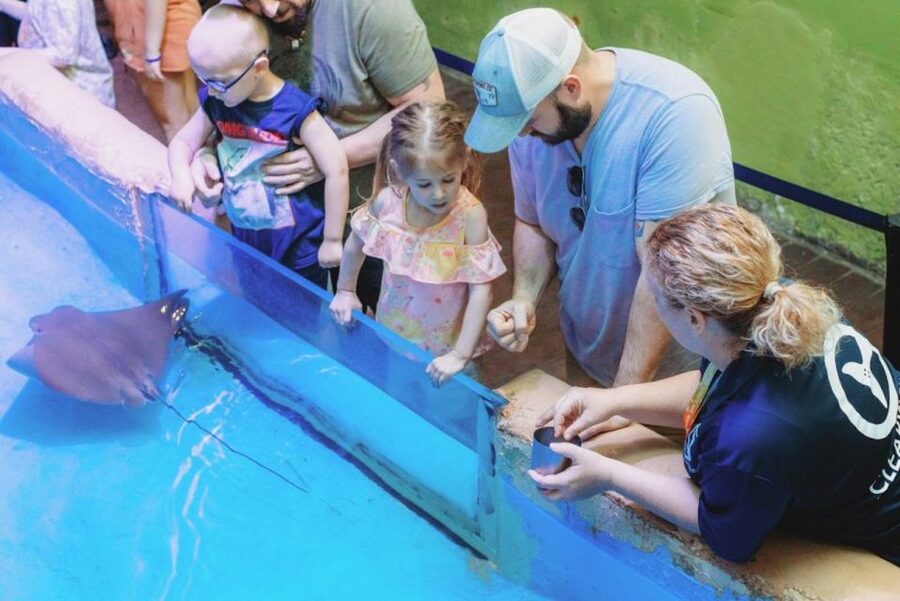
Your general admission is valid for 1 day from the first activation. Since you’re there for the whole experience, I’d build the day around movement and program times.
A simple flow that works well:
- Start at the exhibits you care about most (dolphins first if that’s your priority)
- Use the decks for breaks and bay views
- Catch at least one theatre program to connect what you’re seeing
- Plan time for the rehabilitation areas so you don’t rush the hospital portion
- End with calmer walking so the day doesn’t feel like a sprint
If you add the boat tour, you’ll want to avoid scheduling it too late unless you’re comfortable with a full-day commitment. The facility gives you a lot to see, and you’ll feel it if you’re rushing through because you have to be somewhere else.
Price and value: is $36 worth it?
At $36 per person, the value here comes from the mission and the time you can spend learning. You’re not paying just for sightlines to a few tanks. You’re buying admission to a place that centers rescue and rehab work, plus educational programs that explain the purpose behind animal care.
What isn’t included matters too. Parking is not included, and you’ll pay extra for eco boat tours, animal care experiences, photo opportunities, and behind-the-scenes tours. Food and drink aren’t included either.
So the best value strategy is simple: treat general admission as the core experience, plan to watch a theatre program, and use the time you save by not chasing add-ons to slow down at the rehab and resident habitats.
Also, you’re getting a 1-day ticket, so you’re not pressured to “do it all in an hour.” That’s a big deal when the whole point is taking in stories, not just snapping photos.
Who this is best for (and who should rethink it)
This is a strong match if you:
- Love marine life and want more than the standard aquarium script
- Care about conservation work and realistic rehab outcomes
- Want a day that includes education without turning into a classroom
It’s also a great fit for families. The mix of animals, theatre programs, and outdoor deck time gives you variety, so different ages can enjoy different parts.
If you’re mainly looking for fast entertainment and don’t want to sit through any presentations, you might find you’re spending more time learning than you expected. But even then, the rescued-animal context makes the experience more meaningful than a basic sightseeing stop.
And if you’re hoping for behind-the-scenes access, you’ll need to stay flexible. Some paid or additional tours may not be available during COVID-19 preventative measures, so set expectations and confirm on arrival.
Getting there: practical parking, shuttles, and bike-friendly access
You’ll start at the parking garage and ticketing office. Parking garage availability is noted at seasonal rates, so expect there’s a cost beyond your ticket price.
If you’re not driving, the aquarium supports public transportation options like Jolley Trolley, Florida Free Rides, Clearwater Ferry, and hotel shuttles. These can drop you off conveniently for your visit, which is a relief in a coastal area where parking can get pricey.
Good news for cyclists: the aquarium is bicycle friendly with a bike rack near the front entrance.
Should you book Clearwater Marine Aquarium general admission?
If your goal is an aquarium visit with purpose—rescued dolphins, real rehab work, and education that’s easy to follow—then yes, book it. General admission at $36 gives you a full day framework: resident animal habitats, rehabilitation viewing, theatre programs, and harbor views to keep things from feeling repetitive.
I’d book especially if you want the dolphin connection and you’re okay with the day having both indoor exhibits and outdoor time. Skip extra add-ons unless you truly want them, because the core experience already has plenty to see and learn.
If you’re planning around a very specific behind-the-scenes or paid interaction, be flexible. Check what’s available when you arrive, since COVID-19 preventative measures can affect some offerings.
FAQ
What’s included with Clearwater Marine Aquarium general admission?
General admission includes entrance to the aquarium.
How long is the ticket valid?
Your general admission is valid for 1 day from the first activation.
Is the aquarium indoor or outdoor?
It’s an indoor/outdoor facility, with air-conditioned areas inside and open air outside.
What kinds of animals can you see?
You can see a variety of animals including dolphins, pelicans, sea turtles, otters, sharks, and stingrays, along with other marine life.
Are pets allowed?
No, pets are not allowed.
Do I need to bring anything?
You should bring a face mask or protective covering.
FAQ
Can I add a boat tour to my visit?
Yes, there’s an optional boat tour of Clearwater Bay, but it’s not included in general admission.
What should I wear?
Dress for the weather since parts of the aquarium are outdoors.
Where does the visit start?
It starts at the parking garage and ticketing office at 249 Windward Passage, Clearwater, Florida 33767.
Is wheelchair access available?
Yes, the aquarium is wheelchair accessible.
Is food included?
No, food and drink are not included.
Can I bring my own car or should I use public transport?
Parking is available at seasonal rates, and the aquarium also supports public transportation options like Jolley Trolley, Florida Free Rides, Clearwater Ferry, and hotel shuttles.