REVIEW · CANCUN
Cancún: Interactive Aquarium Admission
Book on GetYourGuide →Operated by Delphinus Dolphins · Bookable on GetYourGuide
You’ll meet marine life up close in Cancun. This Interactive Aquarium in Plaza La Isla is built for hands-on moments, with touch tanks plus walk-through displays packed with sea creatures. You get the chance to see a mix of freshwater and saltwater animals, and the place is set up so you can keep moving at your own pace.
I really like the up-close learning vibe, especially when you reach the echinoderms and other favorites. I also enjoy watching the dolphins interacting on-site, since they tend to be active. The main drawback to plan for is size: it’s a compact visit that can feel short, and the dolphin area may look tight compared with what you’d hope for.
In This Review
- Key things to know before you go
- Entering Plaza La Isla: Getting to the Interactive Aquarium entrance fast
- What $17 really buys you: the included exhibits versus the extras
- Fish tank walk-through: seeing 1,195 specimens up close
- Touch tanks with rays, starfish, and sea urchins
- Colorful corals and anemones: what to look for beyond the obvious
- Dolphin viewing: active interactions without the swim program
- Axolotls and the iPad zone: small add-ons that break up the tanks
- How long it takes in real life: planning around a compact 1-day visit
- Who this is best for (and who might want a bigger aquarium)
- Photos and other extras: where the budget can jump
- The practical stuff: what to bring, what’s not allowed, and how to avoid friction
- Should you book the Interactive Aquarium Cancun?
Key things to know before you go
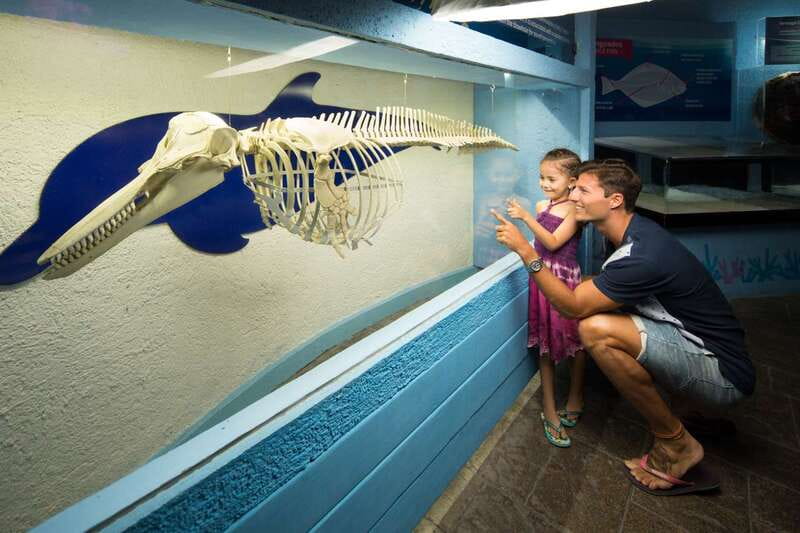
- 140+ species on display: You’ll see stingrays, moray eels, jellyfish, clown fish, lion fish, corals, anemones, sea lions, and more.
- Touch tanks are the star: Expect hands-on encounters with rays, starfish, and sea urchins.
- 1,195 specimens in the tank area: It’s a real walk-through, not just a few viewing windows.
- Dolphin viewing is included, not a program: You can watch dolphins interacting, but dolphin presentation and swim options aren’t part of your ticket.
- Small and time-efficient: Many people can finish quickly, so it works best as a focused stop rather than a whole-day plan.
- Extra costs can pop up: Photos aren’t included, and that’s often where the bill surprises people.
Entering Plaza La Isla: Getting to the Interactive Aquarium entrance fast
The Interactive Aquarium sits inside Plaza La Isla Shopping Center, which makes it easy to combine with other Cancun errands. Your practical goal is simple: get through the plaza to the aquarium entrance, then start with the exhibits right away so you’re not zig-zagging later.
This location is helpful if you’re staying nearby or already plan to hang around the mall area. It also keeps the logistics low—you’re not relying on far-off transfers just to see marine life.
If you’re bringing your day down to the essentials, wear comfortable shoes. You’ll be walking through tank areas and then spending time at the touch stations.
What $17 really buys you: the included exhibits versus the extras
At $17 per person for one day, this ticket is about one thing: access. You’re paying to get into the aquarium zones that make it feel interactive—especially the touch experience.
Your ticket includes:
- Interactive Aquarium entry
- Access to the touch tanks
- Access to view the fish tanks
- Access to the iPad zone
- Access to the Axolotl exhibit
Not included (so don’t count on it being part of your day):
- Dolphin presentation
- Swim with dolphins
- Aquarium Trek
- Fish spa
- Photos
- Transportation
Here’s the value angle I’d use to decide: if you want hands-on animal contact (touch tanks) and a short, concentrated look at marine species, the included parts line up well with the price. If you’re expecting a full-day, big-aquarium marathon plus dolphin activities, you’ll likely feel like you’re paying for entry into a smaller setup.
One small planning tip: the aquarium is part of Plaza La Isla, so plan to handle lunch or snacks on your own timing. There’s also a restaurant on-site, which can make this an easy half-block detour if your schedule is tight.
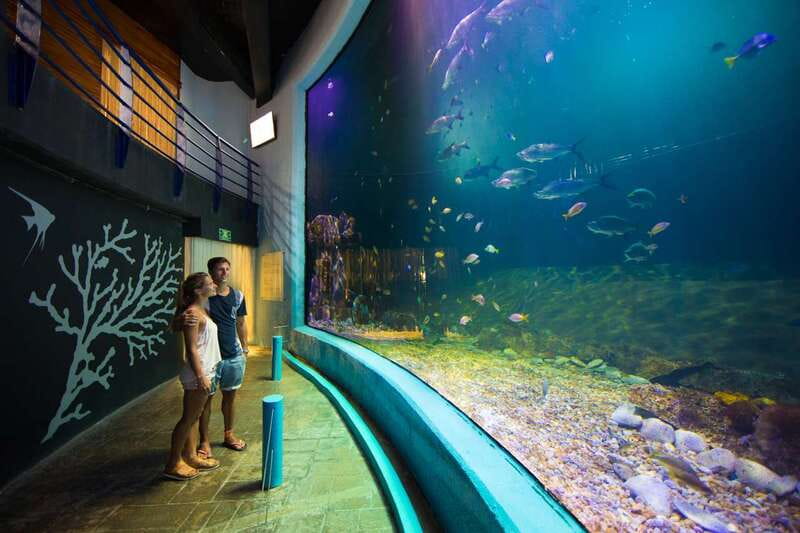
Fish tank walk-through: seeing 1,195 specimens up close

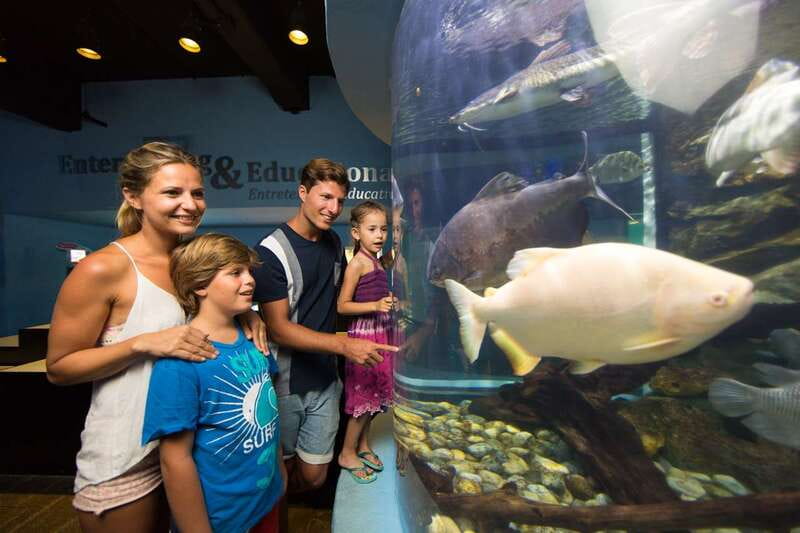
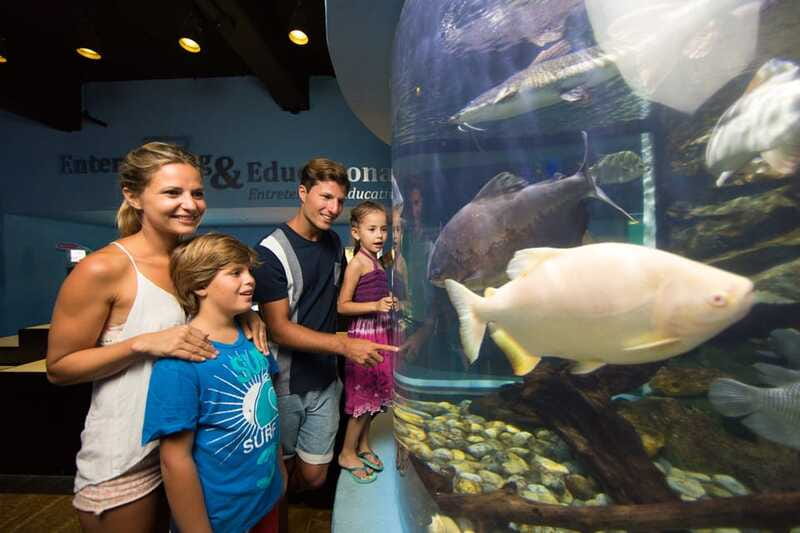
Once you’re in, you’ll move through a fish tank area designed for steady viewing. The highlight here is the 1,195 specimens concept—meaning you’re not just peeking at a couple of tanks and leaving. It’s laid out so you can walk along and keep your eyes busy.
You’ll encounter species from both freshwater and saltwater ecosystems, which is a nice contrast if you only expect one “type” of aquarium. Among the animals listed for display are stingrays, moray eels, jellyfish, clown fish, and lion fish—so you’re not limited to the same few poster-fish.
What I like about this setup is how it helps you focus. Instead of chasing a million tiny viewing details, you can pick a few favorites—like the predators or the more unusual shapes—and actually spend time on them.
A minor consideration: since this is a smaller aquarium, some viewing areas may feel more like decor plus a handful of tanks than like a huge complex. You’ll still get plenty to look at, but you’ll want to calibrate expectations for scale.
Touch tanks with rays, starfish, and sea urchins
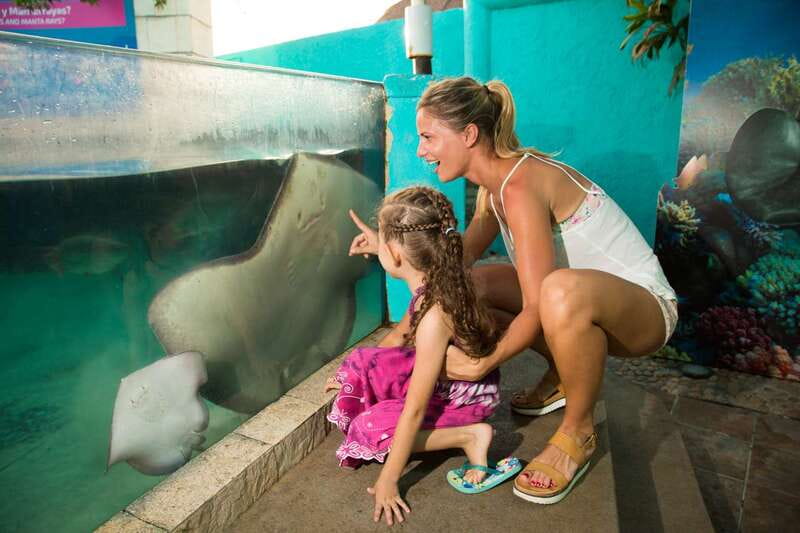
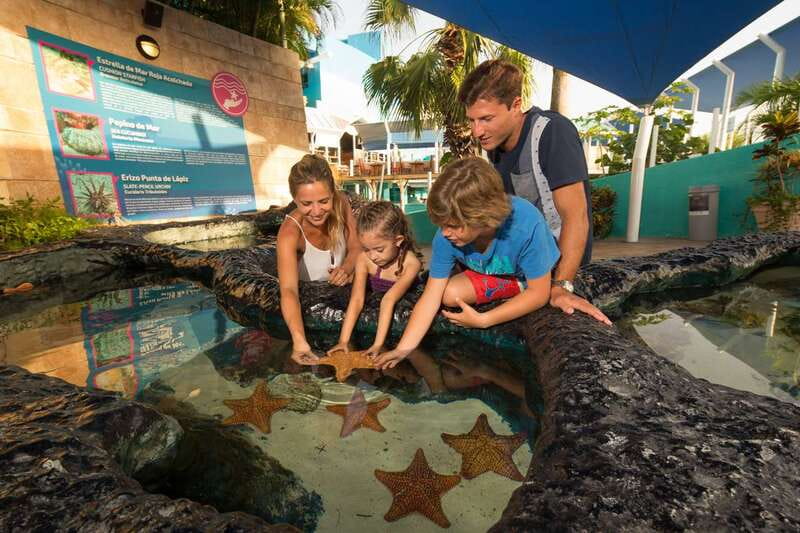
If there’s a single reason to choose this aquarium, it’s the touch tanks. This is where the experience turns from watching into doing.
The animals you can interact with include:
- Rays
- Starfish
- Sea urchins
…and the experience is described as educational and interaction-based, with time to discover and learn about the species you’re touching.
This is the moment that tends to justify the ticket for families and for anyone who learns by contact. It also makes the visit feel more personal than a standard aquarium where you just stand behind glass.
Practical advice: plan your time here first or early, especially if you want a calmer session at the stations. Bring comfortable clothes you don’t mind getting a little damp or smudged, since touch-tank environments often lead to that kind of mess.
Colorful corals and anemones: what to look for beyond the obvious
The aquarium doesn’t stop at fish. You’ll also see display areas that highlight corals and anemones, plus other marine life listed like sea lions.
A good way to enjoy this part is to slow down and look for the “structure” in the tanks. Corals and anemones don’t just look pretty; they signal how different species relate to each other in real ecosystems—hiding places, feeding spots, and the general vibe of the reef.
If you’re the type who likes to understand what you’re seeing, use this as your mental checklist:
- Find the coral/anemone setups
- Notice how fish position themselves around them
- Look for the animals that seem to stay put versus those that roam
That kind of attention makes the corals and displays feel less like decoration and more like a functioning habitat, even in a controlled setting.
Dolphin viewing: active interactions without the swim program

Dolphins are part of the experience, and the setup includes watching dolphins interacting with one another. In fact, the dolphins can be very active, which makes this section more than just a passive viewing stop.
Here’s what you should know: dolphin options like a presentation or swimming aren’t included with your standard ticket. So if your dream is a structured dolphin program, you’ll need a separate add-on you’re not getting with this admission.
Also, because the dolphin area may be compact, it can feel crowded at times. If that’s a concern for you, approach dolphin viewing as a quick highlight, not as the core of your entire day.
Axolotls and the iPad zone: small add-ons that break up the tanks
Two included features help this aquarium feel a bit more than a hallway of fish.
First, there’s an Axolotl exhibit. Axolotls have a distinct look—nearly alien—and they’re the kind of animal people remember later. This stop also gives you a break from the saltwater vibe.
Second, there’s an iPad zone included with your ticket. The point here is pacing: you’ll get screen-based learning or interactive content to complement what you see in the physical tanks.
I like add-ons like these because they keep the visit from turning into purely visual overload. You see animals, you touch animals, then you step back for a short reset.
How long it takes in real life: planning around a compact 1-day visit

This is a 1-day admission ticket, but the real question is how long you’ll stay once you’re inside. The overall experience is described as small and quick, with many visitors finishing in under an hour if they take their time but don’t linger forever.
So think of it like a tight, well-focused stop:
- Fish tank walk-through
- Touch tanks
- Quick look at the corals/anemones displays
- Axolotl exhibit and iPad zone
- Dolphin viewing at the end or whenever it fits
If your day is packed with beach time, shopping, or day trips, this aquarium can be a great “pause” in the middle. If your plan is to spend a whole day doing only attractions, this may feel short unless you add extra activities nearby.
Who this is best for (and who might want a bigger aquarium)
This aquarium is a strong fit if you want:
- Hands-on marine animal contact via touch tanks
- A compact, easy-to-handle outing near a major shopping area
- A mix of fish, corals/anemones, and a standout exhibit like axolotls
- Dolphin viewing as an included extra
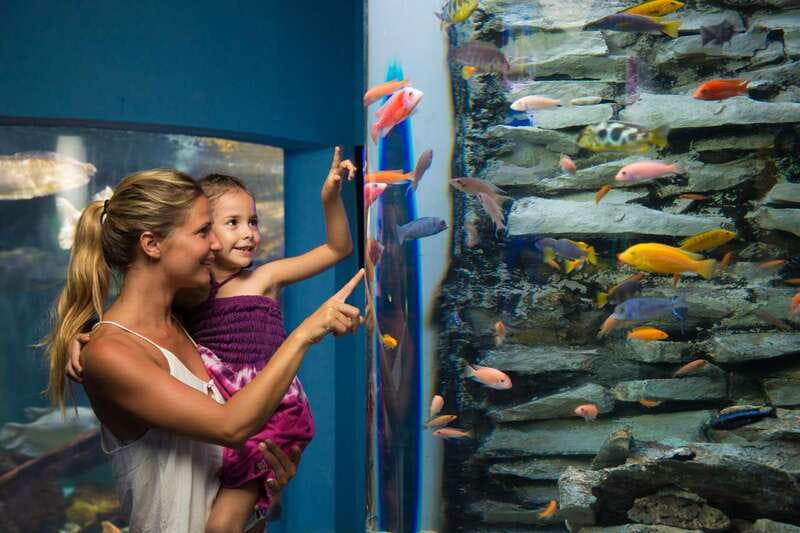
It’s also a good match if you’re traveling with kids who get bored when waiting behind glass for too long. Touch stations give everyone a job: look, touch, then move on.
If you’re the kind of person who wants a large-scale aquarium with hours of walking and nonstop new areas, you may leave feeling like there wasn’t enough depth to justify the time. This place is more “quick hit” than “all-day obsession.”
Photos and other extras: where the budget can jump
Photos aren’t included in the ticket. That matters because this kind of attraction can upsell picture packages. If you care about getting photos, decide ahead of time whether you want to spend extra money just to have them.
The best money move is mindset: treat this as an experience first, not a photo hunt. Then if you do want pictures, you’ll only add that cost if it’s worth it to you.
Also remember that you can’t count on included dolphin presentation or other add-ons like swim experiences. So keep your budget aligned with what’s actually included in admission.
The practical stuff: what to bring, what’s not allowed, and how to avoid friction
Bring:
- Passport or ID card
- Comfortable shoes
- Comfortable clothes
Don’t bring pets. The attraction is also described as wheelchair accessible, which is a helpful detail if you need it for your plans.
One more practical note: your entry is inside Plaza La Isla, so build in a few minutes to find the correct entrance within the shopping center. Once you’re inside, the flow is straightforward.
If you like flexibility, you can cancel up to 24 hours in advance for a full refund, and the option to reserve and pay later helps if you’re still shaping your Cancun schedule.
Should you book the Interactive Aquarium Cancun?
I’d book this if you want a short, interactive aquarium stop that includes the real “why”: touch tanks, a walk-through tank area with lots of specimens, and an axolotl exhibit. It’s also a smart pick when you’re already around Plaza La Isla and you want something animal-focused without a long trip.
I wouldn’t book if your main goal is a big, long aquarium day or if dolphin activities like a presentation or swim are the reason you’re going. Since photos and dolphin extras aren’t included, your expectations need to match the admission scope.
If you’re torn, use this quick rule: if hands-on interaction and quick viewing feel like your style, you’ll likely be happy with the value for $17. If you’re expecting a huge all-day attraction with extensive extras, you’ll probably want to look for something larger or more activity-heavy.