REVIEW · DENVER
Denver: Downtown Aquarium All-Day Pass
Book on GetYourGuide →Operated by Distributor: GetYourGuide Tours & Tickets GmbH · Bookable on GetYourGuide
A touch tank beats Denver traffic. This all-day pass at the Downtown Aquarium turns a rainy-day plan into an up-close look at sea life, from hands-on exhibits to long gallery walks.
What I like most is the Stingray Reef experience and the chance to see 500+ species of aquatic animals in one go.
One thing to consider: if you’re expecting a huge, multi-day aquarium, the layout can feel small fast for the price.
In This Review
- Key highlights you’ll care about
- Downtown Denver Aquarium All-Day Pass: What you’re really buying
- First stop: Stingray Reef touch tank (the part kids remember)
- 500+ species across galleries and pools: how to pace the route
- Aquarium Restaurant break: watching tanks while you eat
- Timing and flow: how to get a full day out of it
- Price and value at $27: when it feels fair, when it doesn’t
- Who should book this pass (and who might want to rethink)
- Should you book the Downtown Aquarium all-day pass?
- FAQ
- How long is the Downtown Aquarium all-day pass valid?
- What’s included in the ticket price?
- Are food and drinks included?
- Can I cancel for a refund?
- Is the aquarium wheelchair accessible?
- Do you get an English-speaking host or greeter?
Key highlights you’ll care about
- Stingray Reef touch tank with hands-on time
- 500+ species across freshwater and saltwater exhibits
- Petting opportunities for some animals, including jellyfish, when sessions are running
- Stingray feeding moments that add energy to the visit
- Aquarium Restaurant lets you pause and watch the tanks while you eat
- A mostly self-paced route that works for kids and adults who want control
Downtown Denver Aquarium All-Day Pass: What you’re really buying
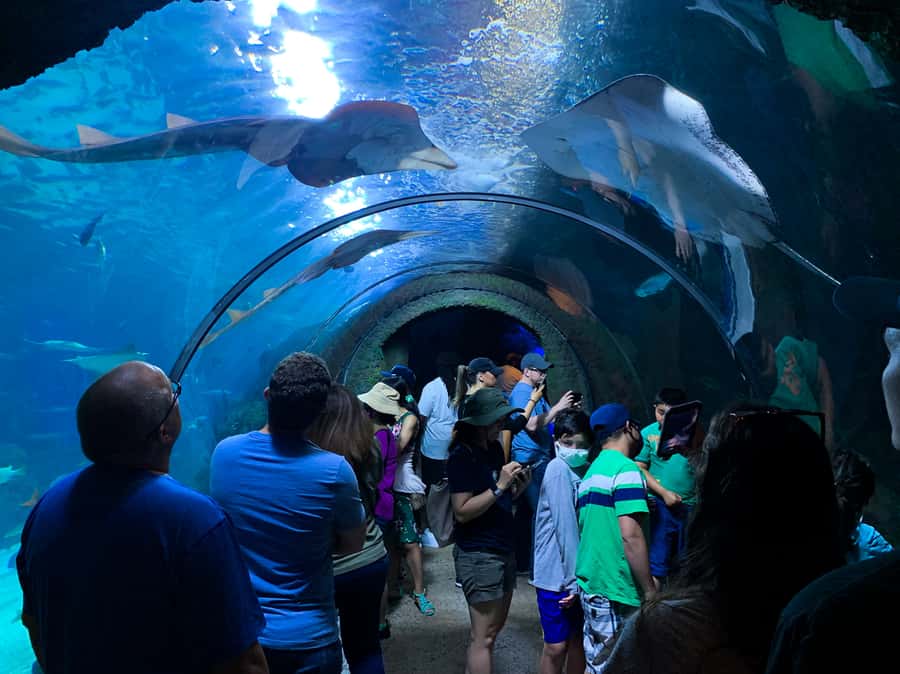
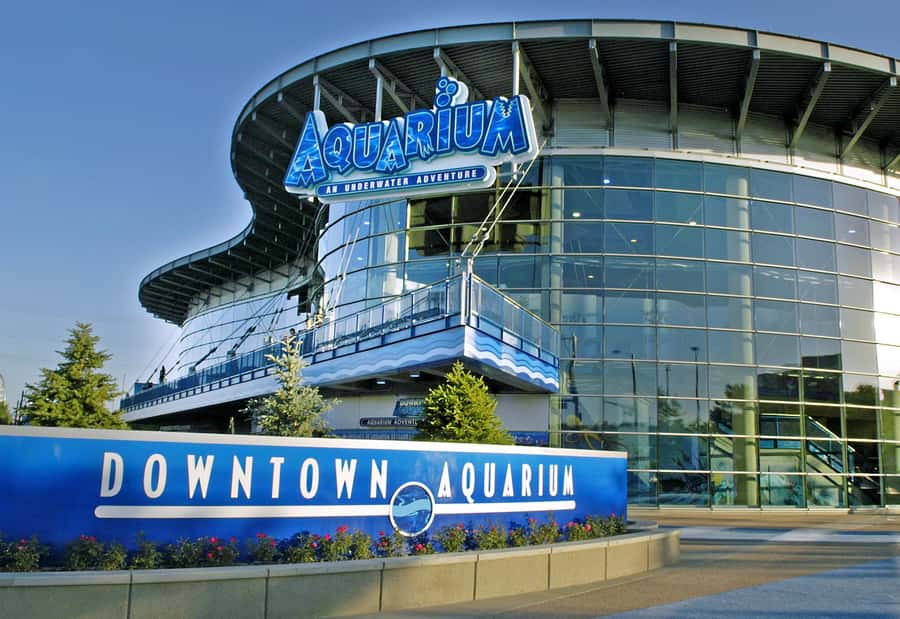
The Downtown Aquarium in Denver is built for one main idea: let you spend as long as you want with sea animals, without the pressure of a timed tour. You purchase an all-day entry ticket, then use it to move at your own pace across galleries, pools, and themed areas. If your group has mixed energy levels, this kind of flexibility matters. One person wants to linger at the touch area; another wants to power through the exhibits. This pass supports both.
Your ticket also gives you skip-the-ticket-line access, which helps a lot in a city setting where parking and timing can be a little unpredictable. The aquarium is also listed as wheelchair accessible, and there’s an English host/greeter on hand, which can make first-arrival nerves easier.
Price-wise, you’re paying $27 per person for a day-long experience, and that number only feels fair if you actually use the full time. That’s the trade-off. Some people leave quickly and feel the value didn’t match expectations. Other families treat it like a slow loop: touch tanks, then exhibits, then a food break, then back for another look.
First stop: Stingray Reef touch tank (the part kids remember)
If you’re going for one reason, make it the Stingray Reef area. This is where the experience shifts from watching to interacting. A touch tank lets you get close to marine animals in a way that feels more personal than a standard glass viewing window. And it’s not just stingrays for the hands-on fun: you can also touch or interact with other sea creatures tied to the exhibit, including starfish and horseshoe crabs.
Here’s why this matters for your day: touch tanks create a built-in “anchor moment.” Kids get excited fast. Adults stop wandering. Even if the rest of the aquarium feels like regular exhibits, that one active stop gives the visit a payoff.
Planning tip: don’t treat the touch area as something you’ll do “later.” If you start with it, you can then spend the rest of the day roaming calmly. If you do it at the end, you might be rushing because the day’s already behind you.
Also watch for animal-feeding or handling sessions in the day plan. One family described the visit as a big win because they got the chance to pet jellyfish and feed stingrays. Those moments can be the difference between a quick pass-through and a day that actually sticks in memory.
500+ species across galleries and pools: how to pace the route
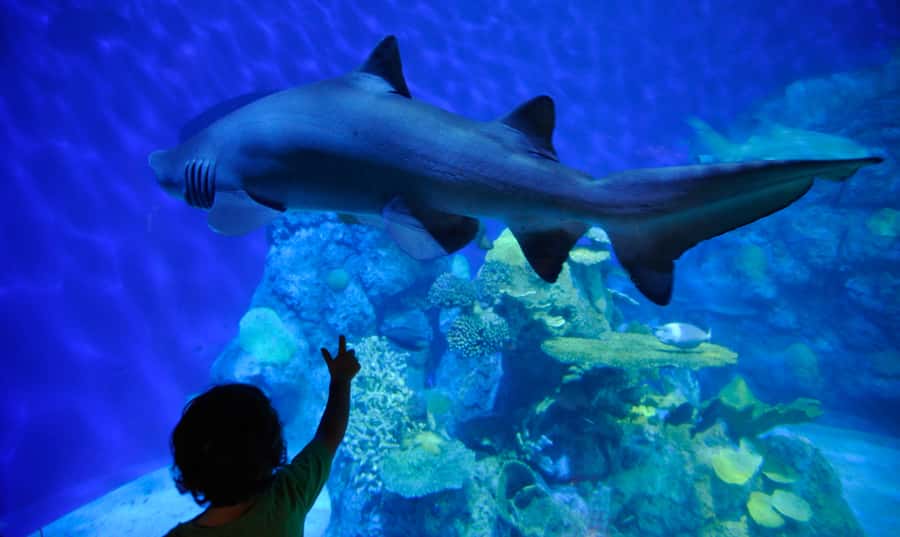
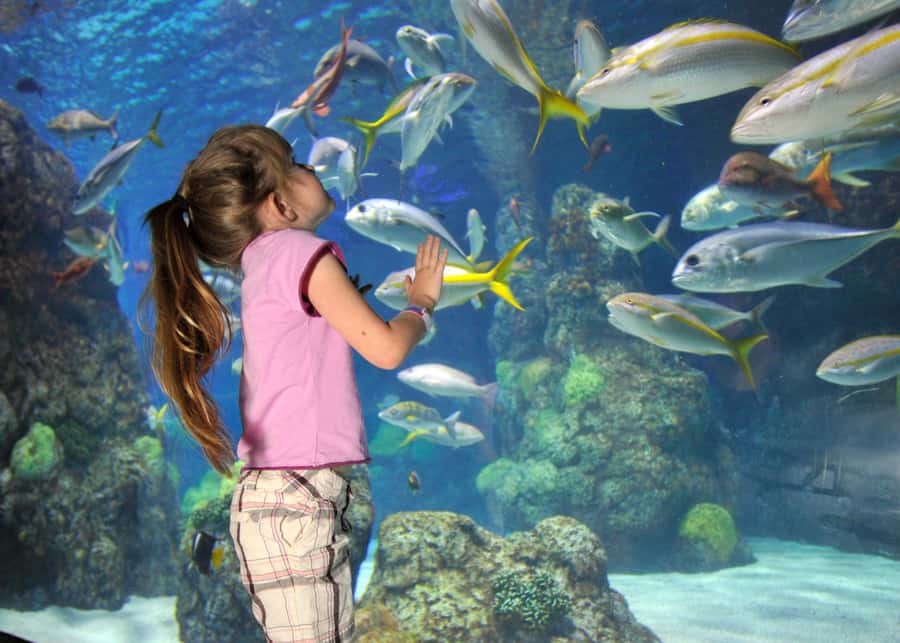
The heart of the visit is the aquarium’s exhibit spaces, where you can explore over 500 species of aquatic animals. That includes a mix of sea creatures and fish, spread across areas that feel like galleries and pools rather than one single tank. You’ll see both freshwater and saltwater animals, and the layout is designed so you can keep moving without getting stuck in one crowded section for long.
What you should expect from the “500+ species” claim: it’s not necessarily 500 separate giant tanks you’ll stare at for hours. It’s more like a lot of animals displayed across multiple exhibit setups. Some will be easy to notice right away; others take a little scanning. That’s a good thing, because it rewards slowing down and circling back.
A few practical ways to enjoy this section better:
- Start with the areas that show the most variety, then circle back once you’re familiar with how the exhibits are labeled.
- If you’re with kids, choose one “must-see” per gallery, not ten. Otherwise you’ll end up doing the whole place at full speed and still feel like you missed the point.
- If you’re animal-focused, look for the touch-adjacent exhibits first. People tend to remember the touch tanks most, but the surrounding areas often connect to those animals.
Condition and comfort matter too. One visitor highlighted that the animals looked well cared for and that the aquarium felt clean. There are also bathrooms and a gift shop available, which may sound basic, but it changes how comfortable a day feels when you’re there for hours.
Aquarium Restaurant break: watching tanks while you eat
You’ll be hungry if you do the exhibits at a real pace, and that’s where the on-site restaurant helps. The Aquarium Restaurant is part of the experience because you can eat while watching aquarium views. That’s a nice reset, especially with kids who get restless after a while of standing in one place.
One caution from experience-style feedback: the restaurant can be short staffed, and the food was described as only okay by at least one visitor. That doesn’t mean the food is bad. It just means you should plan for possible wait time and keep expectations realistic.
Since food and drinks are not included with your ticket, it’s smart to treat the restaurant as your budget lever. Decide early whether you want to:
- buy snacks to keep energy up during the day, or
- do a more complete meal at the restaurant and let the exhibits fill the rest.
If your goal is value, timing your meal can help. Eat in the middle of your route so you recharge and then finish strong with the parts you care about most. If you eat too early, you might lose momentum and drift rather than continue the loop with purpose.
Timing and flow: how to get a full day out of it
Because this is an all-day pass, the best strategy is to avoid “one-and-done sightseeing.” Instead, build a simple rhythm: touch area, galleries, break, then a second pass where you zoom in on what grabbed you.
A lot of people don’t need the fastest route. They need the right order. Here’s the order that usually makes the day feel longer and more satisfying:
1) Start at the Stingray Reef area so the hands-on excitement isn’t delayed.
2) Move through the main galleries and pools, spending extra time on exhibits that hold your attention.
3) Take a break at the restaurant so your group can reset.
4) Return for a second look at any animals you couldn’t fully watch the first time.
This also helps if your group includes adults who want a calmer pace. One visitor felt a guide would have improved the experience, but the overall feel is mostly self-paced. That’s why your “flow plan” matters: you won’t be relying on someone guiding you from one highlight to the next, so you should decide what highlights you want to hit.
Plan for the fact that the visit can vary in length. One person said they didn’t even stay an hour, which shows how quickly you could finish if you rush and skip the touch moments. If you’re aiming for a real day out, treat it like a slow museum-style loop rather than a quick stop.
Price and value at $27: when it feels fair, when it doesn’t
At $27 per person for an all-day pass, the value comes from two things working together: lots of species on display and a strong interactive component. If you focus on both, you’re more likely to feel like you got your money’s worth.
Here’s when the value tends to land well:
- You have kids who enjoy hands-on exhibits like touch tanks.
- Your group wants to spend time in one place without juggling multiple activities.
- You use the day as intended: exhibits, rest stop, and time to revisit favorites.
Here’s when the value can disappoint:
- You expect a very large, multi-day aquarium with tons of specialized programming.
- You don’t slow down, skip touch interactions, or only do a quick loop.
- The restaurant becomes part of your plan but service is slow and you end up feeling “stuck” waiting.
My practical take: if you’re going to pay for this, commit to at least the touch tank plus a solid run through several galleries. Doing only one small section makes the price feel heavy fast. Doing the full rhythm makes it feel more reasonable.
Who should book this pass (and who might want to rethink)
This works especially well for families. The mix of hands-on time and animal watching gives kids something to do, while adults can enjoy the clean, well-kept exhibits and the steady flow of marine life. One family singled out the visit as a great birthday gift and emphasized how much their child loved the aquarium.
It also suits couples and friends who want an indoor plan in Denver. You can take your time, snack when needed, and keep the pacing under your control. If you’re the type who likes studying animals for a while, you’ll likely enjoy the variety across areas.
If you’re an aquarium super-fan who expects big-city scale and constant structured programming, you might want to set expectations carefully. One comment said it felt kind of small for the price. That doesn’t automatically mean it’s not worth it. It means you should go in with a “use the full day” mindset and prioritize interaction.
If you’re deciding based on language support and accessibility, you’re covered on the basics: English host/greeter and wheelchair accessibility are listed.
Should you book the Downtown Aquarium all-day pass?
Book it if you want a flexible, mostly self-paced day that includes a hands-on highlight at Stingray Reef and access to 500+ species in one downtown location. Add the chance for memorable moments like petting jellyfish and feeding stingrays when those sessions are running, and you’ve got a recipe for a visit that feels more than just watching tanks.
Hold off if you’re the kind of visitor who gets through attractions fast and hates waiting in lines or at the restaurant. At $27, it’s smart to plan for a full loop, not a quick hit. If you can do that, this all-day pass is a strong choice for a fun Denver day that’s easy to coordinate.
FAQ
How long is the Downtown Aquarium all-day pass valid?
It’s valid for 1 day.
What’s included in the ticket price?
The ticket includes entry to the Downtown Aquarium. The pass is also described as offering skip-the-ticket-line access.
Are food and drinks included?
No. Food and drinks are not included.
Can I cancel for a refund?
Yes. You can cancel up to 24 hours in advance for a full refund.
Is the aquarium wheelchair accessible?
Yes. The experience is listed as wheelchair accessible.
Do you get an English-speaking host or greeter?
Yes. The host/greeter is listed as English.