REVIEW · KYOTO
Kyoto Aquarium Admission Ticket
Book on GetYourGuide →Operated by LINKTIVITY Inc. · Bookable on GetYourGuide
Dolphins here seem to think. Kyoto Aquarium, set in calm Umekoji Park, mixes animal shows with a nature-minded design about coexistence—so you’re not just watching tanks, you’re moving through habitats.
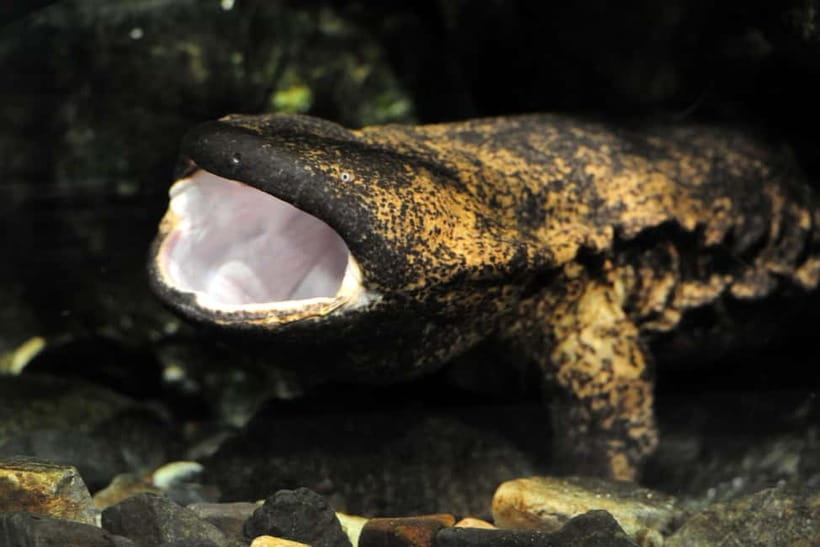
I especially love the high-energy dolphin performances and how clear the animals’ agility and training feel. Another standout for me is the giant salamander exhibit, where the focus is on rare, ancient life.
My other favorite is the way the aquarium makes you slow down with penguins. Each one shows off its own attitude, and if you care about the breeding and care side of things, the staff are available to share real details.
The layout also includes a recreated traditional rural setting (the satoyama), which adds a “walk in the countryside” feel to an otherwise indoor visit.
One consideration: the ticket is non-refundable, and re-entry isn’t possible. If you step out to grab something and assume you can come back later, plan around that—or you’ll waste time and money.
In This Review
- Key things you’ll notice at Kyoto Aquarium
- Kyoto Aquarium in Umekoji Park: a quiet start with nature built in
- Dolphin performances: agility you can feel in your body
- Penguins with personality: don’t rush the small moments
- Giant salamanders: rare ancient life, presented like a mission
- The satoyama recreation: a rural Japan walk inside an aquarium
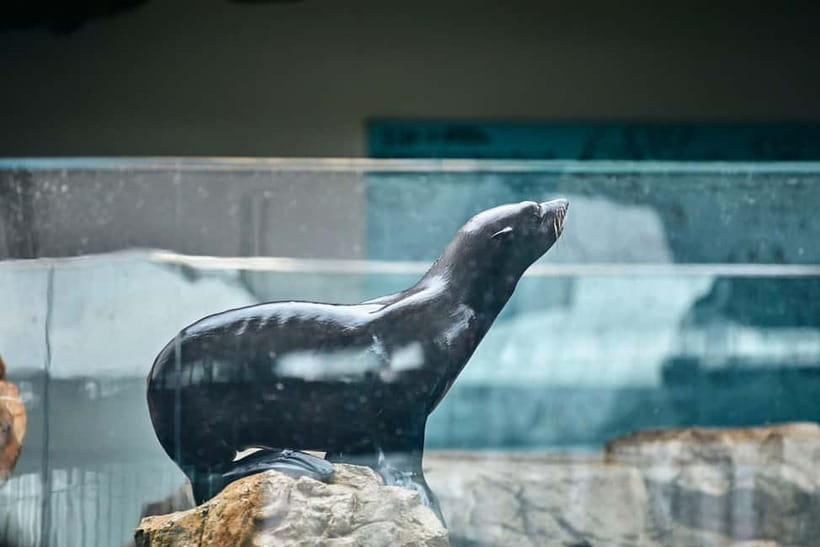
- Jellyfish and seals: the quiet crowd-pleasers
- Ask the breeding staff: where curiosity turns into real context
- How long to plan: 1 day can mean more (or less) than you expect
- Ticket price and value: is $16 a fair deal?
- What to know before you go (so your day runs smoothly)
- Should you book Kyoto Aquarium?
- FAQ
- Is the Kyoto Aquarium admission ticket refundable?
- How long is the Kyoto Aquarium admission ticket valid?
- Can I enter more than once using the same ticket?
- Are pets allowed inside Kyoto Aquarium?
- Can I take photos or record video inside?
- Is Kyoto Aquarium wheelchair accessible?
- What does the ticket include?
- Where is Kyoto Aquarium located?
Key things you’ll notice at Kyoto Aquarium
- Dolphin shows feel fast, smart, and genuinely entertaining
- Penguins are treated like individuals, not just a background attraction
- Giant salamanders are rare enough that the exhibit is a main reason to go
- The satoyama recreation turns your visit into more than a loop of tanks
- Breeding staff can share practical, heartfelt info if you ask the right questions
- Reviews point to standout indoor viewing like jellyfish tanks and seal areas
Kyoto Aquarium in Umekoji Park: a quiet start with nature built in
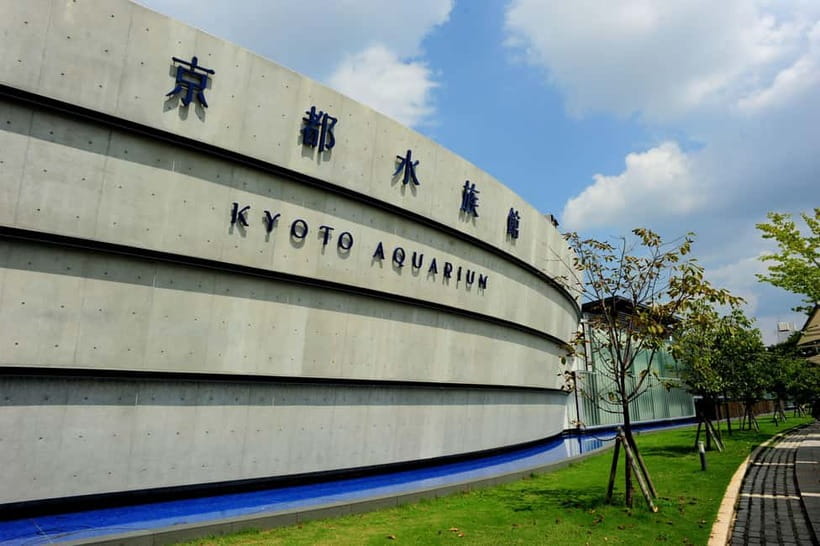
Kyoto Aquarium is located in Umekoji Park in Honshu, Japan—an area known for open lawns and green space. That matters because it changes the tone of your visit. You’re not rushing from one crowded stop to the next. You can arrive, breathe, and then step into an aquarium that feels designed around coexistence with living creatures rather than pure spectacle.
The first thing you’ll likely appreciate is how the setting supports the mood. You’re surrounded by a park-like environment, so even before you reach the buildings, your brain is already in a calmer mode. When you walk inside, the aquarium keeps that theme going: it’s about connection to living things and to water, not just collecting photos.
Also, you get a nice mix of “wow” moments (dolphins), “awe” moments (giant salamanders), and “soft curiosity” moments (penguins and the satoyama area). That balance helps if you’re visiting with kids, but it also works if you’re an adult who wants something gentler than a typical zoo day.
Dolphin performances: agility you can feel in your body
The dolphin shows are the headline here, and for a reason. Dolphins move with a kind of precision that reads as intelligence, not just tricks. When you watch, you’ll notice how fast the action stays organized—there’s rhythm, timing, and control.
Why this matters for your trip: dolphin shows can easily become one-and-done if they’re short or repetitive. Here, the performances are presented as a real experience. Even if you’ve seen dolphins before, you’re still likely to leave with that “how are they doing that” feeling—because the animals look coordinated rather than staged.
If you want to maximize your enjoyment, build your day around show viewing. I’d plan to spend time in the rest of the aquarium first if you’re the type who gets impatient waiting for a show. Or, if you’re the type who wants the best moment early, do the dolphin show sooner rather than later, then use the rest of your ticket time to explore at a slower pace.
Tip: keep your phone and camera ready, but remember that flash photography should be avoided in the building for biological protection. It’s easier to think about later if you’re not fiddling with settings mid-show.
Penguins with personality: don’t rush the small moments
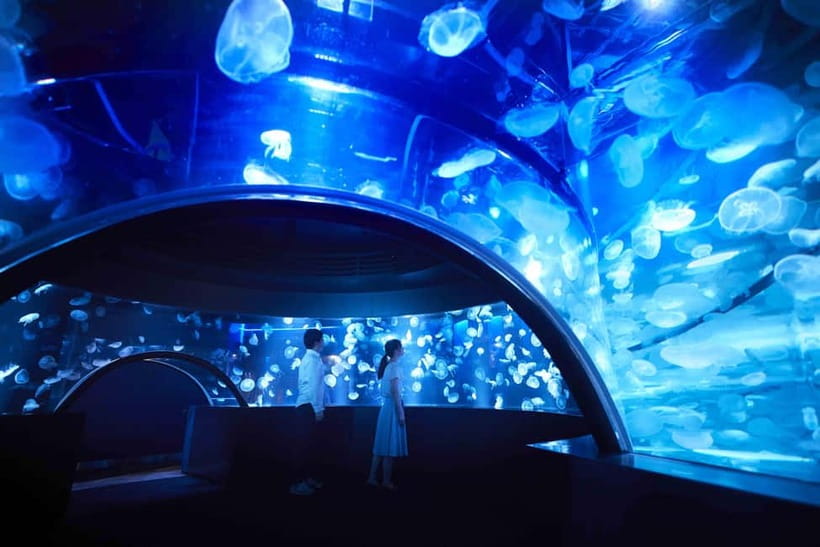
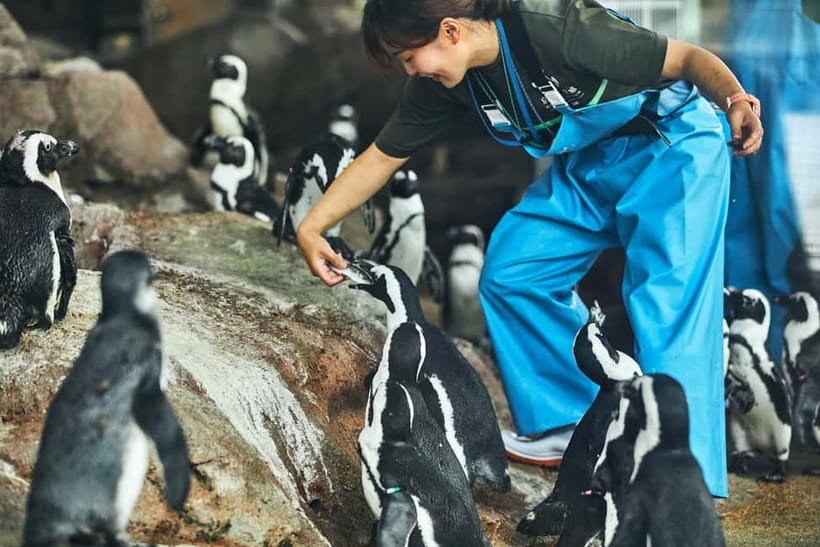
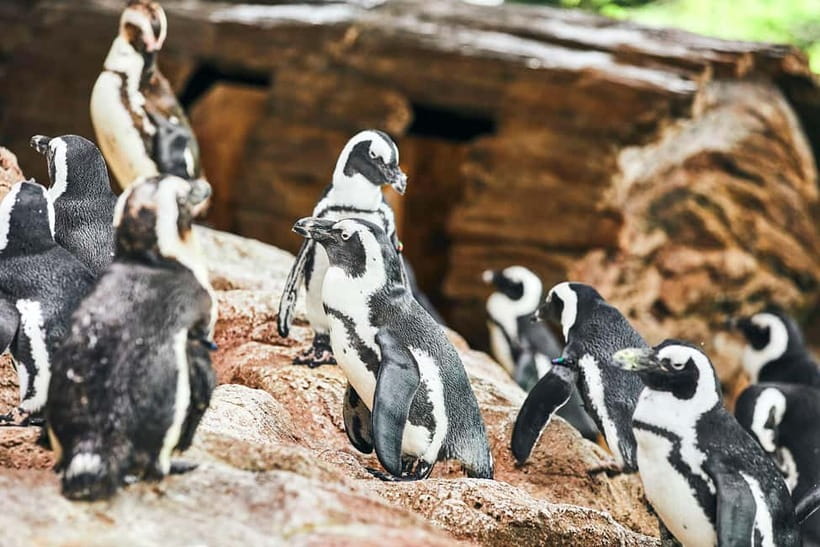
Penguins can be the easiest animals to oversimplify—people expect cuteness and nothing else. Kyoto Aquarium flips that expectation by making each penguin feel like its own character. You’ll see different attitudes in how they move, pause, and interact with their space.
This is a good stop for anyone who likes animal behavior more than animal design. The exhibits encourage you to watch rather than just glance. And it helps that the aquarium isn’t treating penguins as a single “display.” You’ll likely spend longer than you planned here, especially if you enjoy observing patterns.
Practical advice: if you’re with kids, this is where you can turn the visit into a mini game: watch for a behavior change (active vs. resting, curious vs. avoidant). If you’re visiting solo, you can do the opposite—pick one penguin and watch how long it maintains a routine before it shifts.
Giant salamanders: rare ancient life, presented like a mission
One of Kyoto Aquarium’s biggest draws is its exhibit of giant salamanders, described as ancient and rare. If you’ve never seen one in person, this is the kind of animal that changes how you think about “wow” in an aquarium. It’s not about speed. It’s about presence.
Why the exhibit feels worth your time: salamanders aren’t usually the main attraction at every aquarium, so getting a dedicated space for them signals intent. You’re not just passing through; you’re visiting a specific world. And because giant salamanders are uncommon, the value here is partly educational and partly emotional—you’re witnessing something you can’t easily find elsewhere.
If you care about conservation, breeding, or habitat needs, don’t be shy about asking questions. The breeding staff are described as passionate, and that can turn this from a visual stop into a more meaningful one. Even simple questions—like what the staff focus on for care—can give you a better context for what you’re looking at.
The satoyama recreation: a rural Japan walk inside an aquarium
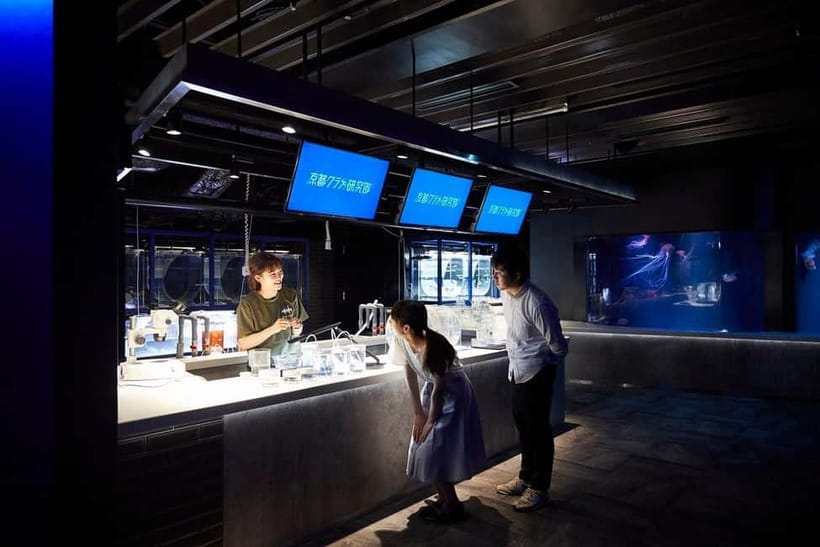
Kyoto Aquarium includes a reproduction of a traditional Japanese rural landscape, known as the satoyama. This part can surprise people who think an aquarium is only tanks and tunnels.
Satoyama matters because it gives your visit a sense of place. It connects animal life to the wider story of how people, water, and ecosystems share space in Japan. The aquarium also frames this through the theme of coexistence with Kyoto’s water blessings, which gives the overall experience a more grounded feeling.
In practical terms, this section is also your “reset.” After big-ticket animal zones like dolphins and salamanders, the satoyama area gives you a quieter pace and a break for your eyes. It’s especially helpful if you’re visiting with anyone who gets overwhelmed by intense environments or crowded viewing.
If you’re planning your visit like a game, treat satoyama as your mid-day pause. You’ll come out refreshed, and you’ll see the rest of the aquarium with less rush.
Jellyfish and seals: the quiet crowd-pleasers
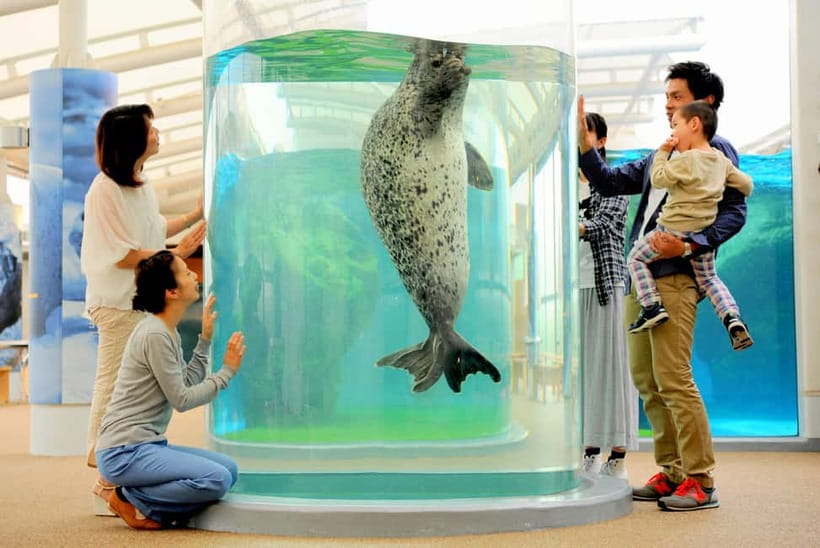
A good chunk of the visit’s popularity seems to come from marine exhibits that reward patience. One review called out jellyfish aquariums as a favorite, and seals were mentioned as a close second. That tells me the aquarium isn’t only about the headline shows.
Jellyfish viewing is often the kind of experience where you lose track of time because your eyes keep following movement. Seals can add a different energy: they’re still animals, but they tend to be more interactive and curious in their own way.
If you want good pacing, aim to sprinkle these quieter displays between high-energy moments. That keeps your visit from feeling like a nonstop sprint. It also helps you actually enjoy the lighting and calm of indoor viewing instead of rushing through it as quickly as possible.
Ask the breeding staff: where curiosity turns into real context
Kyoto Aquarium encourages you to connect with the living creatures beyond the glass. If you have a keen interest in any of the animals, the breeding staff can provide insight—and they’re described as passionate about what they do.
This is one of those “small but powerful” parts of the experience. Without it, aquariums can feel like you’re only consuming visuals. With it, you start understanding the behind-the-scenes effort: why certain animals are presented as they are, and how breeding and care fit into conservation and animal wellbeing.
How to make it work for you:
- Pick one animal you truly want to learn about (dolphins, penguins, or giant salamanders are obvious choices).
- Ask a simple, practical question based on what you’re seeing.
- Then watch again with that answer in mind.
That approach usually turns a regular admission ticket into a more personal and memorable visit.
How long to plan: 1 day can mean more (or less) than you expect
The ticket is valid for 1 day, and you’ll want to check availability to see starting times. In practice, that usually means your schedule has some flexibility, but key showtimes can shape how you move.
A common trap: planning for only a couple of hours. One review mentioned they expected to stay briefly but ended up spending more time because there was just so much to see and the exhibits were well presented. That tracks with what Kyoto Aquarium seems built to do: it rewards repeating looks, and it encourages lingering.
So here’s my practical advice:
- If you love animal behavior, plan for a full day.
- If you mainly want the big shows and a few highlights, you can likely do a shorter visit, but you’ll probably still want breaks to avoid fatigue.
Also remember: re-entry isn’t possible. That affects how you plan your day outside the aquarium. If you step away, do it once—then commit to staying inside for the rest of your ticket day.
Ticket price and value: is $16 a fair deal?
At about $16 per person, Kyoto Aquarium sits in the “reasonable day activity” category. For value, the question isn’t just the number of exhibits—it’s whether the aquarium offers enough depth to justify your time.
From what you can expect:
- You get multiple animal zones with different kinds of appeal: high-energy dolphin action, personality-forward penguins, and a rare giant salamander exhibit.
- You also get a cultural/environmental element with the satoyama recreation.
- Reviews mention strong standouts like jellyfish aquariums and a good seal area, plus a souvenir shop worth browsing.
For me, the value comes from variety and pacing. If it were only one or two big attractions, $16 might feel thin. But the aquarium is structured so that you keep finding new things even after the first “wow” moment.
And because it’s a one-day ticket, you can match your style: quick highlights or slower curiosity.
What to know before you go (so your day runs smoothly)
A few rules and practical points can save you headaches.
- Pets aren’t allowed inside, though assistance dogs such as guide dogs can accompany you. If you’re traveling with a service animal, you’re covered.
- Photography and video are possible. Inside, avoid flash photography for biological protection.
- Shooting is allowed, but treat the aquarium as a wildlife space, not a concert—flash can stress animals, and the aquarium asks you to refrain for biological protection.
Two more “plan it once” items:
- Re-entry isn’t possible.
- The ticket is non-refundable, so double-check your timing before you commit.
Should you book Kyoto Aquarium?
Yes—if you want a Kyoto day that mixes animal action with quieter, thoughtful viewing. Kyoto Aquarium is a strong pick when you want variety: dolphins for spectacle, penguins for personality, giant salamanders for rare awe, and satoyama for a cultural nature break.
You might skip or reconsider if you’re the type who only cares about one animal and hates slow pacing. This aquarium rewards watching, not speed-running. Also, because re-entry isn’t possible, it’s best suited to people who can treat the day as one continuous visit.
If you book, my advice is simple: plan your day around the dolphin performance, then let your curiosity guide the rest. Ask the breeding staff a question if you’re genuinely interested, then linger with jellyfish and seals when you need a calmer pace. That’s the recipe for getting your $16 worth and leaving with that rare feeling of being both entertained and at peace.
FAQ
Is the Kyoto Aquarium admission ticket refundable?
No. The ticket is non-refundable.
How long is the Kyoto Aquarium admission ticket valid?
It’s valid for 1 day. Check availability to see starting times.
Can I enter more than once using the same ticket?
No. Re-entry isn’t possible.
Are pets allowed inside Kyoto Aquarium?
Pets cannot be brought into the building. Assistance dogs such as guide dogs can be accompanied.
Can I take photos or record video inside?
Yes, photography and video shooting are possible. Please refrain from flash photography inside the building for biological protection.
Is Kyoto Aquarium wheelchair accessible?
Yes. The facility is wheelchair accessible.
What does the ticket include?
The Kyoto Aquarium admission ticket is included.
Where is Kyoto Aquarium located?
It’s in Umekoji Park on Honshu, Japan.