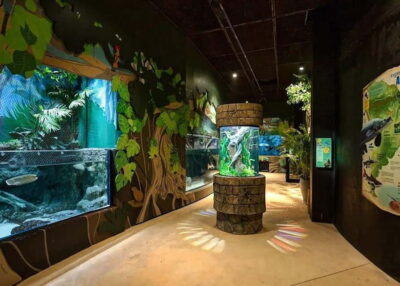
REVIEW · SEA LIFE GRAPEVINE AQUARIUM
Grapevine: SEA LIFE Grapevine Aquarium General Admission
Book on GetYourGuide →Operated by SEA LIFE Grapevine Aquarium · Bookable on GetYourGuide
A trip to the mall can still feel magical. SEA LIFE Grapevine turns indoor aquarium time into a full-on route with themed areas like a 360-degree Ocean Tunnel and Stingray Bay. I love the way the route mixes big wow moments with smaller, hands-on stops, and I especially like the creature names and characters that make each exhibit memorable. One thing to consider: this is a popular indoor stop, so you’ll want to plan around mask rules and keep an eye on the no-late-entry policy.
Two big wins for me are the 360-degree Ocean Tunnel (you really feel like you’re walking under the sea) and the Stingray Bay area where you can look for rays from multiple angles. I also appreciate the pacing: it doesn’t just dump you in front of tanks; it gives you a sequence of habitats that feels like a mini adventure. The main drawback is simple—at $20 general admission, it’s best if you’re ready to spend your full visit time there rather than treating it like a quick peek.
If you’re traveling with kids, it can be a strong choice. One review summed up the surprise well: the aquarium being inside Grapevine Mills initially felt unsure, but it ended up being bigger than expected and worked well for a preschooler—plus that same trip included other mall fun afterward. Just be sure you’re ready for the indoor rules: food and drinks aren’t allowed, and face coverings are required for guests 10 and older.
In This Review
- Key highlights I’d plan around
- Where SEA LIFE Grapevine fits: location, vibe, and what $20 buys
- Your best first move: how to enjoy the layout without rushing
- Stingray Bay: the ray moment you’ll talk about later
- The 360-degree Ocean Tunnel: walking under the sea
- Rainforest Adventure and Mulder and Scully the caimans
- Clownfish Caves and Jellyfish Discovery: color + movement
- Seahorse Temple and the rockpool-style learning you can feel
- The family-friendly surprise: it works better than the mall setting suggests
- Timing and pacing: how to make your 1-day visit feel longer
- Rules that affect comfort: masks, bags, and what to bring
- Is it worth $20? Who this experience fits best
- Should you book SEA LIFE Grapevine General Admission?
- FAQ
- How long is SEA LIFE Grapevine General Admission valid?
- What is the price for SEA LIFE Grapevine General Admission?
- Is parking available?
- Do I need to bring a mask?
- Can I bring food and drinks?
- Are unaccompanied minors allowed?
Key highlights I’d plan around
- Stingray Bay: you get to be surrounded by rays in a way that feels more personal than a typical viewing window
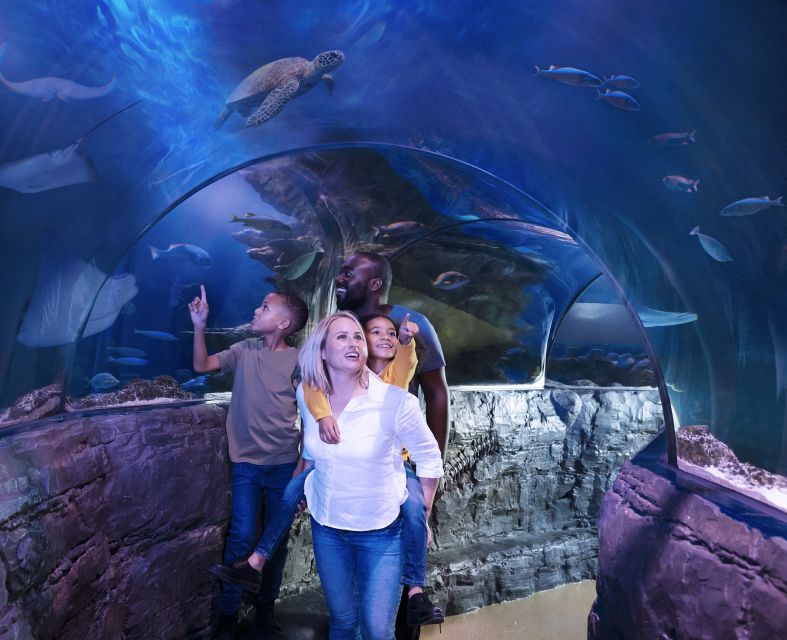
- 360-degree Ocean Tunnel: a true walk-under-the-sea moment with sharks, rays, and rescued sea turtles overhead
- Themed habitats: Rainforest Adventure, Clownfish Caves, Jellyfish Discovery, and more keep the visit moving
- Character-named reptiles and dramatic zones: caimans Mulder and Scully, plus the Piranha Tunnel for the brave
- Small-touch and rockpool-style areas: interactive stops make it more than just looking at glass
- More than 5,000 sea creatures: enough variety that even a second pass can feel worthwhile
Where SEA LIFE Grapevine fits: location, vibe, and what $20 buys
SEA LIFE Grapevine is inside Grapevine Mills Mall, Texas, and it’s easy to roll into your day because parking is available on-site. You’ll want to park near Entrance 5, since that’s where SEA LIFE is listed (so you won’t waste time wandering the mall like it’s a maze made of escalators).
The general admission price is $20 per person for the experience, and the key value isn’t just the number of tanks—it’s the built route. You’re guided through a sequence of themed zones that encourages walking, looking, and noticing differences between habitats. The fact that you’ll see more than 5,000 fish, rays, and other sea creatures across the galleries helps justify the spend if you’re visiting with curiosity instead of “five-minute window shopping” energy.
A quiet but important note: this place uses directional markings and staff cues to help guests distance themselves when needed. So if you’re the type who likes to move at your own pace, expect a bit of guided flow rather than total freedom.
Your best first move: how to enjoy the layout without rushing
When I’m choosing an aquarium, I like a simple plan: pick the big headline exhibits first, then let the rest become a bonus. With SEA LIFE Grapevine, that means you should aim early for the zones that are most visually dramatic—especially the Ocean Tunnel and Stingray Bay. Those are the ones that tend to feel the most immersive once you’re inside.
The route also includes multiple “theme jumps,” like switching from open ocean views to rainforest-style storytelling and then to species-focused areas like seahorses. That thematic variety is the reason the visit doesn’t feel repetitive. You’ll also notice that the experience is structured so you don’t constantly backtrack—helpful if you’re visiting with young kids or you’re short on time.
One more practical thought: late entry isn’t permitted, so don’t gamble on arriving late. If you’re traveling with kids, build in a little extra cushion for parking and getting in through the correct entrance area.
Stingray Bay: the ray moment you’ll talk about later
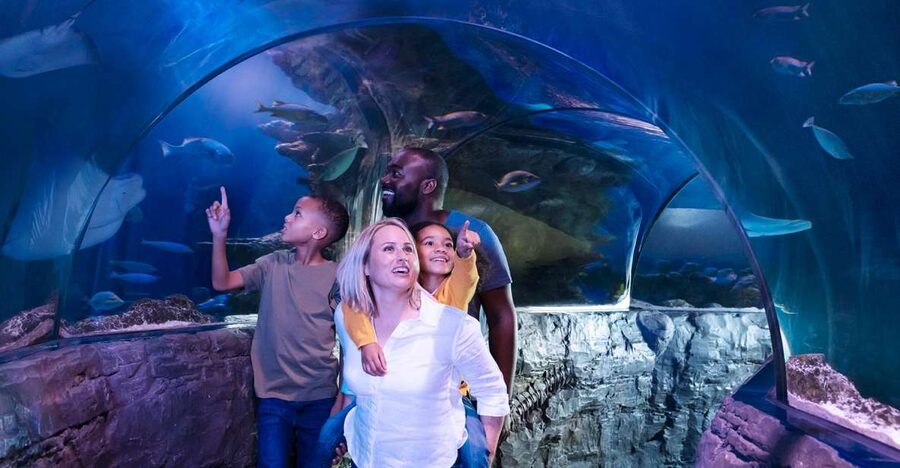
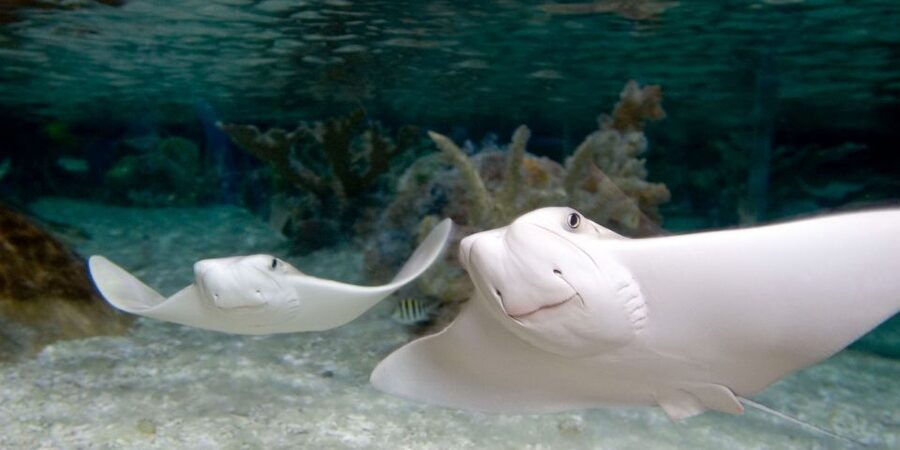
If you’re going to SEA LIFE Grapevine for one thing, make it Stingray Bay. This is where you can be surrounded by rays in an area designed for close viewing, and it’s the kind of exhibit that changes based on what the rays choose to do. The best part is that you’re not only looking at rays; you’re looking with them, as they glide through the space around you.
This zone also tends to work well for families because it’s visual and calming at the same time. Even if a child isn’t interested in every tank, they can usually engage with ray movement and the way the area is set up for watching from more than one angle.
If you want a small strategy: spend a little time here before you move on. A quick pass can still be fun, but lingering tends to pay off because the bay isn’t static—rays shift and change where they appear.
The 360-degree Ocean Tunnel: walking under the sea
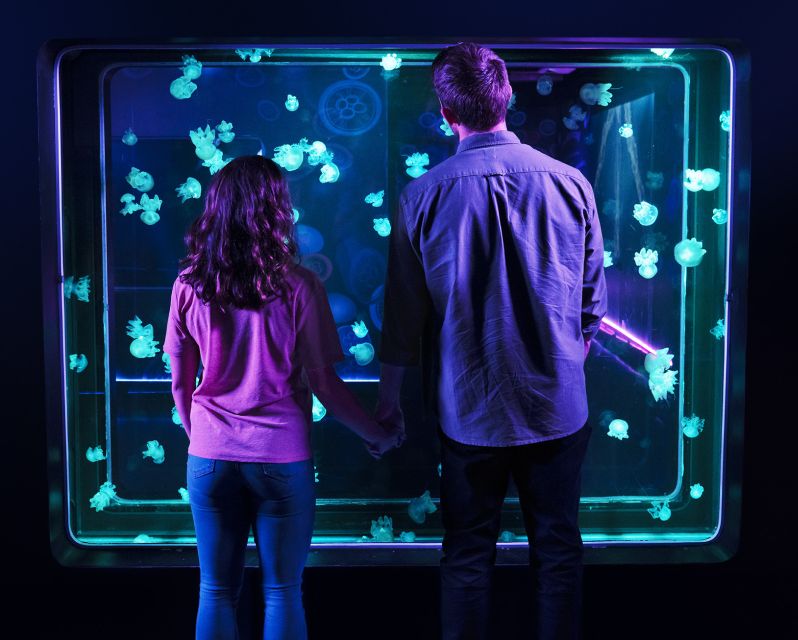
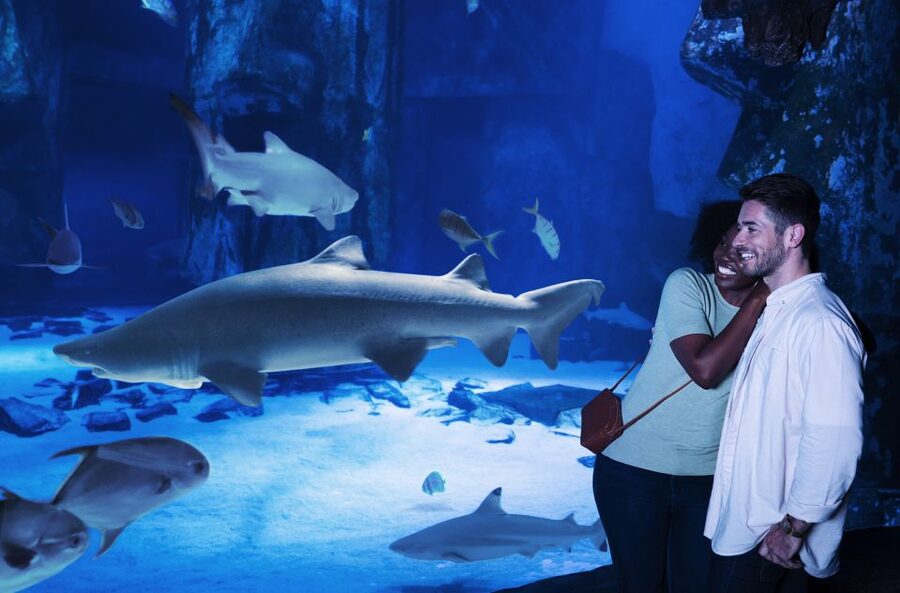
The Ocean Tunnel is the headline attraction for a reason. The experience is built around a 360-degree viewing concept, so instead of seeing a tank wall, you’re walking through a passage where fish, rays, and other sea life swim along the edges above you.
You’ll see shoals of glittering fish flutter along beside you, and the excitement ramps up when larger animals glide overhead. The description calls out sharks and rays moving over your head, plus two rescued green sea turtles—Thally and Eddie. Having rescued animals in the mix adds a layer of meaning, too: this isn’t only about spectacle; it’s also about conservation storytelling.
This is also where your timing matters. If you’re visiting during peak hours, expect more foot traffic, which can affect how long you can comfortably stop. If you can, try to hit it earlier in the day so you have space to look up and not feel rushed.
Rainforest Adventure and Mulder and Scully the caimans
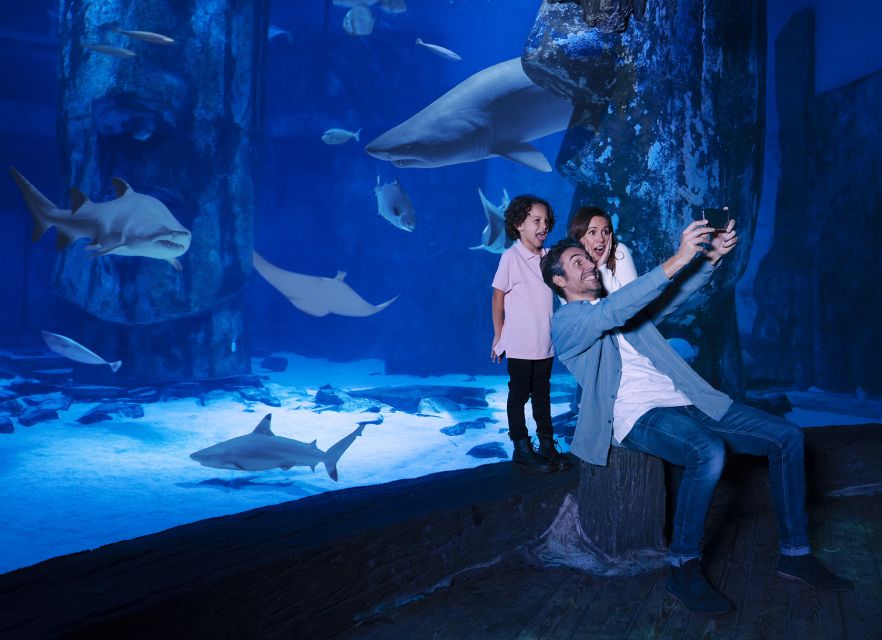
After the open-ocean wow, the Rainforest Adventure zone shifts the mood. Instead of focusing purely on marine species, you’re pulled into a rainforest-style mystery area with creatures that make you stop and think.
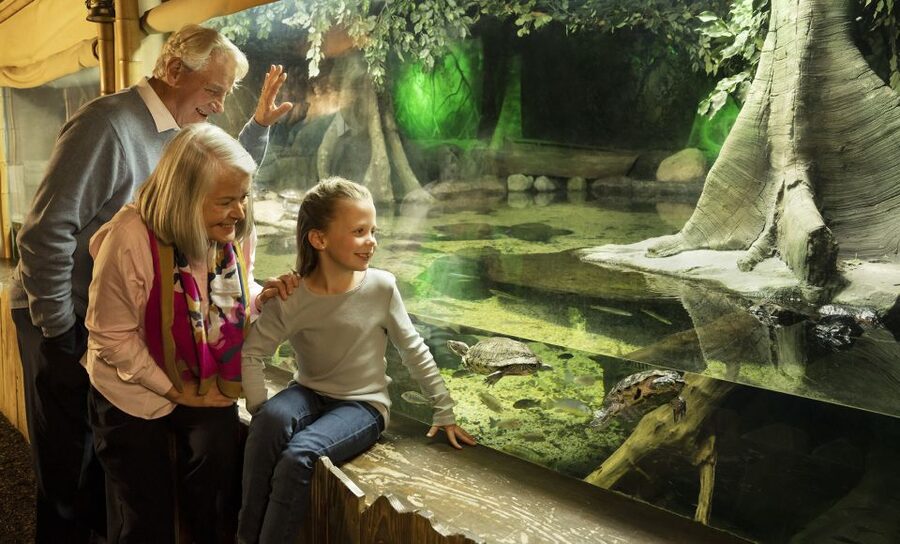
Two named caimans, Mulder and Scully, are part of this attraction. Even though they’re not the kind of animal most people encounter in real life, the naming makes them feel like characters rather than just “yet another reptile exhibit.” That’s smart design for kids and for adults who like story hooks.
You can also venture toward the Piranha Tunnel if you dare. This part adds contrast to the calmer ray-and-ocean moments, and it gives the route that little jolt of “okay, now this is intense.”
Clownfish Caves and Jellyfish Discovery: color + movement
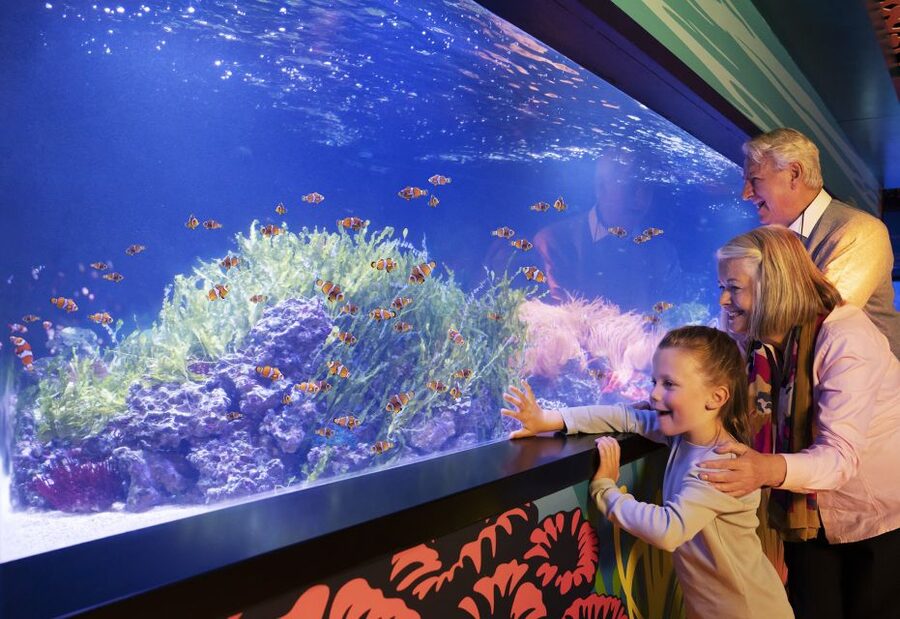
Next up is a strong pair of areas that rely on visual movement: Clownfish Caves and Jellyfish Discovery. Clownfish Caves are described as an underwater city of sorts, with fish that come in a range of shapes, colors, and patterns. The point here isn’t just that the fish are pretty—it’s that you can actually see how species groups behave differently depending on their habitat space.
Then Jellyfish Discovery delivers that slow, floating choreography. The jellyfish are presented as they dance through the water, which is a nice break from faster, busier fish movement. For a lot of people, jellyfish are the “I didn’t know I needed this” exhibit, because they’re visually hypnotic without being chaotic.
If you’re traveling with kids: these two stops are often where they can settle down. They’re not as intimidating as the piranha-focused area, and they’re more interactive than a plain tank gallery.
Seahorse Temple and the rockpool-style learning you can feel
The Seahorse Temple is a fun turn toward smaller creatures, and it’s where the experience becomes more observational. You’ll get up close to seahorses that grip at seagrass with curly tails and use straw-like snouts to suck up tiny shrimp. That kind of detail matters because it turns seahorses from a generic “cute fish” into something specific you can picture after you leave.
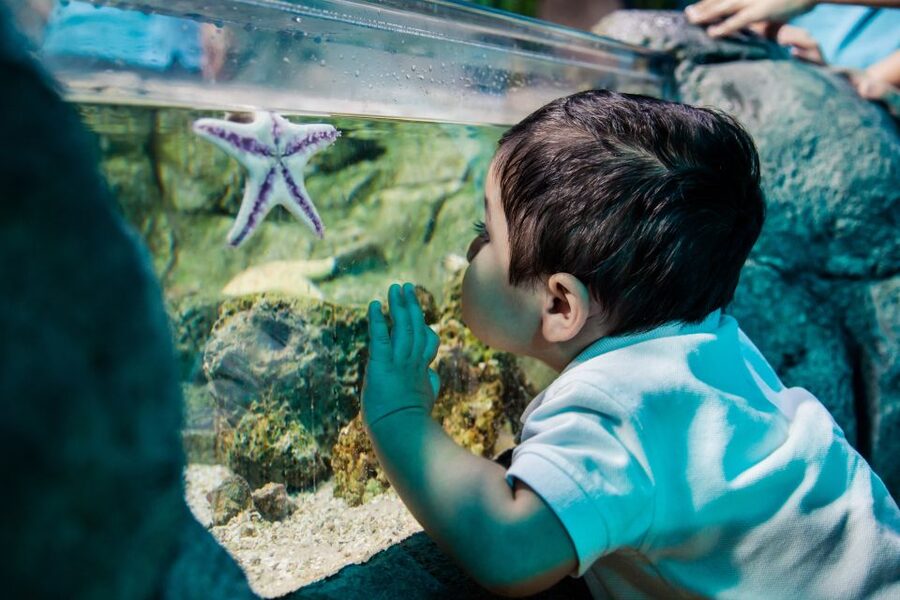
From there, you’ll reach the Interactive Rockpools area, where you can see creatures like sea stars, urchins, anemones, and more. One review highlighted a touch-style moment where a child could touch some things using one finger, which is exactly the kind of hands-on interaction that makes marine life feel real rather than distant behind glass. Not every exhibit supports touching, so treat these areas as the places where you should look for that type of interaction.
You’ll also encounter the Moray eel, called out as one of the most fascinating creatures at SEA LIFE Grapevine. Eels can look intimidating in a tank, but up close they also feel oddly expressive—something about their motion grabs attention fast.
The family-friendly surprise: it works better than the mall setting suggests
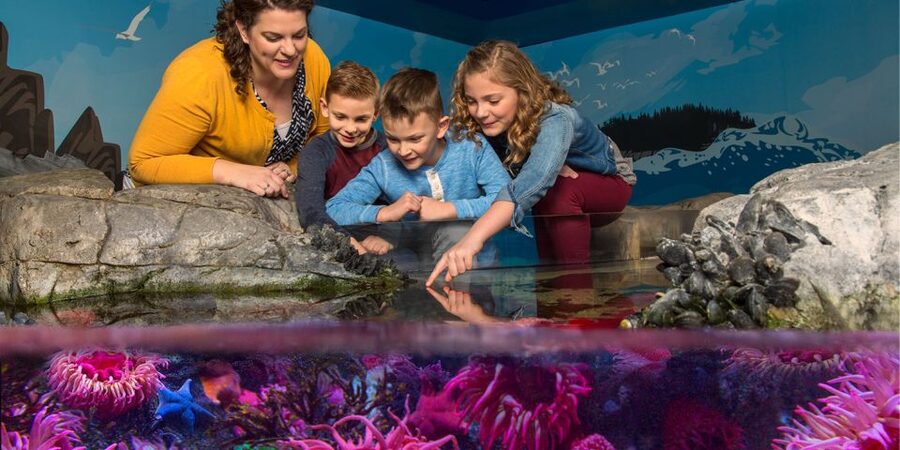
I get it: seeing an aquarium inside a mall makes you wonder if it’ll be small or rushed. One review did start with that skepticism—then ended with a clear win: the aquarium felt much larger than expected and had a good variety of sea creatures. The same trip also mentioned a turtle-related activity for kids, plus the one-finger touch moment.
That’s a great clue for your decision-making. SEA LIFE Grapevine isn’t only for aquarium die-hards. It’s also a solid family option because the attraction gives multiple points of interest that keep different ages engaged. One adult might love the Ocean Tunnel. A child might focus on the rays, the jellyfish, or the interactive zone.
And since you’re already at Grapevine Mills, you can pair the aquarium with other mall activities on the same day. In that same review, the family also rode a carousel and train at the mall afterward. That’s not part of the aquarium ticket in the details you’re given, but it’s a smart way to stretch your day without forcing extra driving.
Timing and pacing: how to make your 1-day visit feel longer
SEA LIFE Grapevine is designed as a 1-day general admission experience, and it’s worth treating it like a full indoor event rather than a quick stop. The route has enough separate zones—Stingray Bay, Rainforest Adventure, Clownfish Caves, Jellyfish Discovery, Ocean Tunnel, Seahorse Temple, Interactive Rockpools—that moving briskly can leave you with “I saw it, but I didn’t remember it” energy.
A practical way to pace it:
- Spend extra time on the big spectacle exhibits: Ocean Tunnel and Stingray Bay
- Use the color-and-motion areas like jellyfish and clownfish as decompression stops
- Save the smaller-detail zones (seahorses, rockpools, moray eel) for when you want variety without the noise of the crowdiest areas
If you’re visiting with young kids, this pacing matters even more. You’ll want at least one slower stretch where they can look, point, and repeat favorite animals. And if you know you’ll hit peak hours, starting with headline areas reduces the chance you’ll feel disappointed when you’re stuck in lines or crowding.
Rules that affect comfort: masks, bags, and what to bring
Before you go, plan for the basic on-site rules. You should bring a face mask or protective covering, and face masks are required for all guests 10 years and older in accordance with local mandates. The attraction also isn’t set up for snacks—food and drinks aren’t allowed.
There are also restrictions on what you can carry: luggage or large bags aren’t allowed. That matters because families often show up with everything they might need. If you can travel light, you’ll enjoy the flow more.
Finally, be aware of the child supervision rule: unaccompanied minors aren’t allowed, and children aged 16 and under must be accompanied by an adult aged 18 or above.
Is it worth $20? Who this experience fits best
At $20 per person, SEA LIFE Grapevine is a reasonable value if you’re getting a real museum-style experience out of it. The price makes sense because you’re not paying for a single tank; you’re paying for a route with multiple themed habitats and a featured 360-degree tunnel. The “more than 5,000 creatures” claim also helps—this isn’t a tiny setup designed for quick photos.
I’d especially recommend it if:
- You want a family-friendly day that doesn’t require long travel time to reach
- You like animal viewing with a clear storyline (ocean to rainforest to seahorse-focused areas)
- You’re traveling with kids who respond to movement and themed zones (rays, jellyfish, interactive rockpools)
If you only want a quick glance at animals, you may feel like the admission is more than you need. But if you plan to actually walk the route and pause at exhibits, it’s one of the better ways to turn a half-to-full day into something memorable.
Should you book SEA LIFE Grapevine General Admission?
Book it if you want an easy, structured aquarium day with multiple “wow” stops: Stingray Bay, the 360-degree Ocean Tunnel, plus the themed journey through rainforest, clownfish, jellyfish, and seahorses. It’s also a strong family choice because the experience includes interactive-style moments like rockpool areas and kid-friendly activities mentioned in real visits.
Skip it only if you’re the type who needs an outdoor setting, or if you dislike indoor crowd flow. Also think twice if $20 feels like you’re paying for a short stop—this attraction rewards you most when you actually spend time moving through the whole route.
FAQ
How long is SEA LIFE Grapevine General Admission valid?
General admission is valid for 1 day. You’ll want to check availability to see starting times.
What is the price for SEA LIFE Grapevine General Admission?
The price listed is $20 per person.
Is parking available?
Yes. Parking is available on-site.
Do I need to bring a mask?
Yes. You should bring a face mask or protective covering, and face masks are required for all guests 10 years and older.
Can I bring food and drinks?
No. Food and drinks aren’t allowed.
Are unaccompanied minors allowed?
No. Unaccompanied minors aren’t allowed.