REVIEW · SIEM REAP
Siem Reap: Angkor Wildlife & Aquarium Entrance Ticket
Book on GetYourGuide →Operated by SARUS CO., LTD · Bookable on GetYourGuide
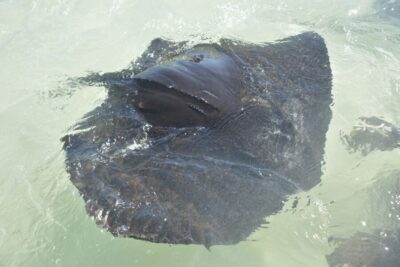
Fish tanks and rescued otters in Siem Reap. I love how the wildlife enclosures are kept clean and roomy, and I love that the main aquarium focuses on local fish as well as other creatures. The only consideration: this is self-guided, so you won’t get a live guide to explain every animal.
This is a solid 2–3 hour break from temple heat, with otters and reptiles plus an aquarium zone that’s built for close viewing. Even better, the ticket covers both areas, so you’re not bouncing between separate venues.
One more practical perk: you can skip the ticket line and use the free shuttle from select hotel areas in Siem Reap. Just plan for walking time and sun.
In This Review
- Key highlights worth knowing
- Angkor Wildlife & Aquarium: what you’re really paying for
- Getting there by free shuttle: Siem Reap pickup points and timing
- Wildlife sanctuary zone: rescued animals, native species, and clean enclosures
- Aquarium zone: local fish displays and what to watch for
- How to make the most of a 2–3 hour visit
- Price and value check: is $20 worth it?
- Who should go, and who should think twice
- A note on staff and service quality (including Tino)
- Should you book Angkor Wildlife & Aquarium in Siem Reap?
- FAQ
- What does the ticket include?
- How long should I plan to spend there?
- Are there set shuttle times, or is it flexible?
- Where does the free shuttle pick up?
- Is this tour guided?
- What should I bring?
Key highlights worth knowing
- Two attractions, one ticket: wildlife sanctuary + aquarium, all included
- Clean, walkable enclosures: room to move around for better viewing
- Local fish focus: the aquarium highlights Cambodia’s fish species
- Feeding time can be special: timing your visit may add extra excitement
- Tino gets name-dropped for a reason: feedback notes him as excellent
- Shuttle saves energy: round-trip transport from select Siem Reap pickup points
Angkor Wildlife & Aquarium: what you’re really paying for
At $20 per person for a 2–3 hour visit, the value is all about one thing: you get admission to both the wildlife sanctuary and the aquarium under one roof, plus a free round-trip shuttle. That matters in Siem Reap, where it’s easy to lose half a day juggling tickets, rides, and timing.
This experience is also set up for straightforward enjoyment. You’re not stuck in a timed group tour, and you’re not forced to “do it all” in a rush. You can linger where you want—then move on when you’re ready. That self-guided approach is a plus for independent travelers, especially families.
There’s also a clear educational angle. The sanctuary and aquarium are designed to teach, with signs and exhibits that connect the animals you see to conservation and awareness. One detail I appreciate here is the balance: it’s fun to watch animals up close, but it also nudges you to think about why these animals ended up in the care you’re seeing.
Getting there by free shuttle: Siem Reap pickup points and timing
The shuttle is one of the easiest ways to make this ticket feel like a “no-stress plan.” You don’t have to coordinate a tuk-tuk before entry, and you’re not worrying about how you’ll get back after you’re done.
There are two departure windows—morning and afternoon—with a set return time. Morning pickup points are:
- 08:15 AM Ibis Styles Hotel
- 08:25 AM The Heritage Walk
- 08:40 AM Angkor Enterprise
Return shuttle: 11:45 AM back to Ibis Styles Hotel
Afternoon pickup points are:
- 12:35 PM Ibis Styles Hotel
- 12:45 PM The Heritage Walk
- 01:00 PM Angkor Enterprise
Return shuttle: 03:45 PM back to Ibis Styles Hotel
Two practical points to keep you from running late:
- Be at your pickup point at least 5 minutes early.
- This shuttle coverage is only for hotels near those pickup areas. If you’re farther out, you may need an alternative arrangement.
If you like building a day around reliable timing, this is a good fit. If you hate schedules, you’ll still be fine because your visit is 2–3 hours, but you must show up for the shuttle return.
Wildlife sanctuary zone: rescued animals, native species, and clean enclosures
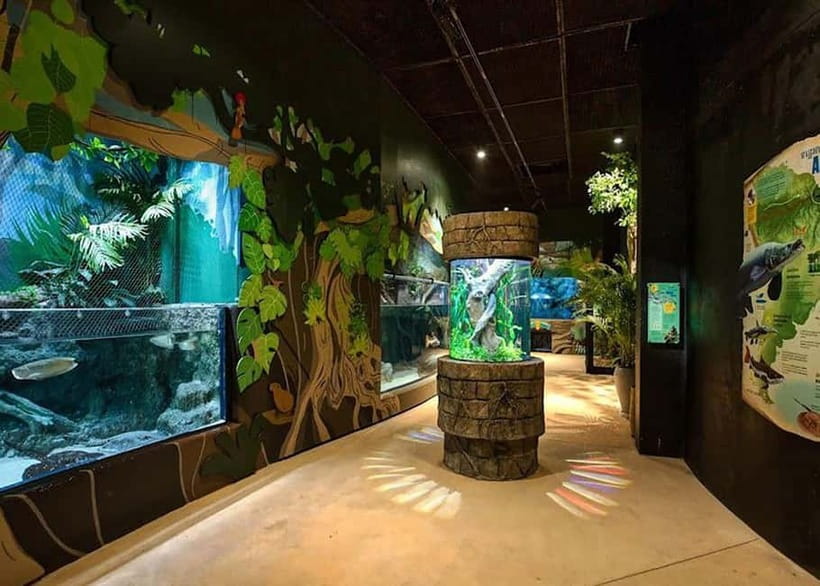
The sanctuary walk is where the experience starts to feel more personal. Expect lush enclosures with a mix of rescued and native animals from Cambodia and Southeast Asia. The standout categories you can look forward to include otters, reptiles, and birds, plus other species that round out the habitat displays.
Why the enclosure design matters: when animals have room and you can move around without crowding, your viewing gets better. Based on feedback, this place focuses on keeping enclosures clean and tidy with enough space for visitors to stand, shift, and get a view without feeling jammed in.
What I think you’ll enjoy most is the “in-between” quality of the sanctuary. It’s not just a checklist of cages. The exhibits are built to look like habitats, and they’re meant for close viewing. If you travel with kids, this is often where attention stays longest because the animals feel more active and present, not hidden behind glass.
A small tip for self-guided visits: read the signs at a comfortable pace and then slow down where you notice a detail you didn’t expect. You’ll see the connection between the animal you’re looking at and the reason it’s in the sanctuary setting.
One thoughtful note from feedback: some people want the conservation message to go even further—specifically around how land clearing and pollution can pressure wildlife and lead to situations where animals need rescue. You can treat that as a prompt: the sanctuary is a place of care, but it’s also a reminder that habitat threats don’t vanish when the rescue work begins.
Aquarium zone: local fish displays and what to watch for
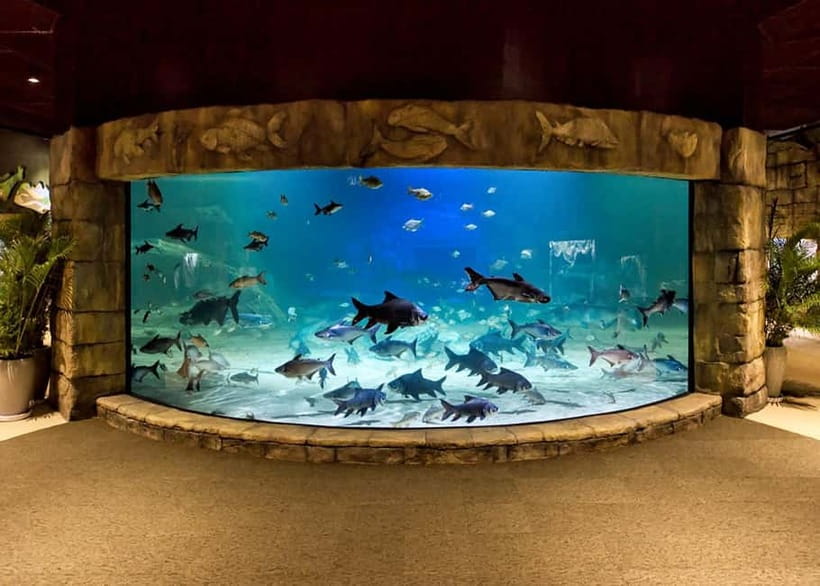
Then you shift into the aquarium zone, and the mood changes fast. Instead of habitat enclosures, you’re looking at immersive aquarium displays with freshwater and marine creatures. The key word here is variety—colorful creatures in exhibits designed for educational learning, not just sightseeing.
One of the most praised parts is that the main aquarium is treated like a real showpiece, with a strong focus on local fish species. That’s a meaningful difference from aquariums that feel like generic “seaworld-style” exhibits. Here, the emphasis helps you connect what you’re seeing to the water life of the region.
Plan for lingering in a few favorite tanks rather than trying to speed through everything. The best viewing comes when you pause long enough to notice movement patterns—fish often change location slowly, and you don’t want to miss that because you’re walking to the next display.
If you time it right, you may catch feeding time, which has been called out as extra special. It’s not something you should rely on without checking on-site, but if it’s happening during your visit window, it can be a highlight—especially if you’re traveling with kids or anyone who loves animal behavior.
How to make the most of a 2–3 hour visit
This ticket is designed for a 2–3 hour experience, and that’s a sweet spot. You’ll want to structure your time so you don’t end up rushing the sanctuary just because the aquarium is next door.
Here’s a practical pacing strategy I recommend:
- Spend your first hour in the sanctuary, but move steadily. You can’t really “backtrack” later without cutting the aquarium short.
- After that, transition into the aquarium and slow down. Aquarium exhibits reward patience.
- Leave a little buffer near the end for a second look at any tank or enclosure that got your attention.
Because it’s self-guided, your experience will depend on how you move. If you’re the type who loves animal photos, wear comfortable shoes and expect some sunny exposure. If you’re more relaxed, you can keep your pace calm and just follow the exhibit flow.
Also, this isn’t an “eat and drink here” experience. Food and beverages aren’t included, so bring water and plan to hydrate. The “what to bring” list is simple for a reason: comfortable shoes, a hat, sunscreen, a camera, and water will keep you comfortable as you walk.
Price and value check: is $20 worth it?
For many Siem Reap activities, $20 can feel either like a great deal or like a “maybe.” For this ticket, it leans toward great value because it bundles three things that are usually separate hassles:
- Entry to both the wildlife sanctuary and aquarium
- Skip the ticket line
- Free round-trip shuttle from select pickup locations
If you were paying entry to just one part—sanctuary or aquarium—you’d likely spend close to this anyway. Bundling both is what makes the price feel fair.
The self-guided nature also affects value. If you want a guide who explains animal background in detail, you might feel the absence. But if you’re happy reading signs and learning at your own pace, that self-guided style makes the ticket more flexible.
There’s also an emotional value component. This place is built around conservation awareness. That means you’re not just paying for entertainment—you’re supporting an environment where rescued and native animals are cared for. One caveat: if you’re very sensitive to animal ethics and how rescue works in a wider environmental context, be prepared for that reflection to sit in the back of your mind while you visit.
Who should go, and who should think twice
This ticket can be a great fit for a lot of people—especially families and anyone who likes animals—but it’s not for everyone.
It’s not suitable for:
- Children under 3
- Pregnant women
- People with animal allergies
- Wheelchair users (not suitable), even though the activity info also says wheelchair accessible—so if that matters for you, you should confirm directly with the provider before booking
For families, the layout and close viewing are the kind of features that help kids stay engaged. For couples or friends, it’s a nice change from temples without feeling like a “boring indoor day.”
If you want a low-key afternoon plan that still feels meaningful, this works well. And if you’re time-limited in Siem Reap, a 2–3 hour window keeps it manageable.
Finally, keep in mind language and support are not described as a guided tour. You’ll be in control. That’s great for independent travelers, but it does mean you should be comfortable navigating the exhibits yourself.
A note on staff and service quality (including Tino)
Service matters in animal attractions because you need smooth entry and clear orientation. Feedback highlights Tino as excellent, which suggests the on-the-ground experience can be friendly and helpful when you need it.
Even with a self-guided format, a good staff presence makes a difference—things like getting directions, answering quick questions, and helping you get started without wasting time.
Should you book Angkor Wildlife & Aquarium in Siem Reap?
If you want a break from temples that still feels real and not touristy, I’d book this ticket. The combination of wildlife sanctuary + aquarium, plus the free shuttle and ticket line skip, makes it easy to fit into your day without planning stress.
Book it if:
- You like animals and you don’t need a live guide to enjoy exhibits
- You want something that’s family-friendly in a practical 2–3 hour window
- You’d rather pay $20 for a bundled experience than piece things together
Skip it or confirm details first if:
- You use a wheelchair (because the info is inconsistent)
- Animal allergies are a concern
- You prefer a guided, talk-through experience rather than self-guided learning
FAQ
What does the ticket include?
The ticket includes entry to Angkor Wildlife & Aquarium, covering both the wildlife sanctuary and the aquarium. It also includes a free round-trip hotel shuttle from select Siem Reap pickup points.
How long should I plan to spend there?
Plan on about 2–3 hours for the visit.
Are there set shuttle times, or is it flexible?
There are set morning and afternoon pickup schedules. You must be ready at your chosen pickup point at least 5 minutes before departure.
Where does the free shuttle pick up?
Shuttle pickup points include Ibis Styles Hotel, The Heritage Walk, and Angkor Enterprise in Siem Reap. Return shuttle drop-off is back at Ibis Styles Hotel.
Is this tour guided?
No. It’s a self-guided visit, so there’s no guided tour included.
What should I bring?
Bring comfortable shoes, a hat, sunscreen, a camera, and water.
If you want, tell me your hotel area in Siem Reap and whether you’re going morning or afternoon—I can help you pick the shuttle window that best matches your day.