Want animals and aquariums in one stop?
An Angkor Wildlife & Aquarium pass in Siem Reap is a straightforward, conservation-focused visit that strings together a Freshwater Tank (Mekong River and Tonle Sap themes), an Ocean Aquarium, and hands-on time at a Touch Pool. You’ll see major Asian species like Bengal tigers and Siamese crocodiles, plus lots of reptiles and small mammals in built-in habitats rather than random quick peeks.
One thing to consider is that the park sits a bit out of town, so your enjoyment will depend on whether you use the included vehicle/shuttle or you’re ready for the ride. Also, if you come expecting a huge variety of free-roaming wildlife, the mix may feel limited compared to bigger animal parks.
In This Review
- Key takeaways before you go
- First impressions: what this park does well for a $15 day
- Price and value: why $15 can work in Siem Reap
- How the day flows: timing, pickup, and how long to plan
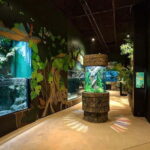
- Freshwater Tank: Mekong River legends and Tonle Sap realism
- Ocean Aquarium: the freshwater-to-marine transition
- On land: tigers, crocodiles, otters, sun bears, and the reptile focus
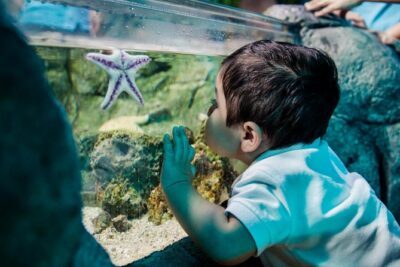
- The Touch Pool: the hands-on moment people actually remember
- Practical tips: how to plan for a smooth, comfortable visit
- Who this is best for in Siem Reap
- Should you book this Angkor Wildlife & Aquarium full day pass?
- FAQ
- How much is the Full Day Pass Angkor Wildlife and Aquarium in Siem Reap?
- How long does the experience take?
- What’s included with the ticket?
- Is pickup available?
- Do I need to print a ticket?
- What exhibits can I expect to see?
- What are the opening hours?
- Can I cancel for a full refund?
Key takeaways before you go
- Freshwater-to-ocean layout: you get the Mekong and Tonle Sap story first, then the shift into marine habitats
- Touch Pool time: a hands-on feature that works well for kids and adults who like to get close
- Conservation angle: your ticket supports a conservation, education, and animal care setup
- Reptile and aquarium strength: ocean and reptile exhibits can be a highlight if that’s your thing
- Plan for distance: it’s not right in the middle of Siem Reap, so transport matters
First impressions: what this park does well for a $15 day
Angkor Wildlife & Aquarium is built around a simple idea: show you Cambodia’s water worlds and wildlife in one continuous route, with education and conservation woven into the visit. The layout is easy to follow, and the place feels well kept, which matters when you’re spending hours walking between tanks and animal areas.
I like how the experience is not only about looking. You’re encouraged to notice patterns: how freshwater life differs from marine life, and how land animals and reptiles fit into the same conservation message. If you’re traveling with kids, the park’s mix of aquariums plus a Touch Pool keeps attention from wandering too far.
The visit isn’t trying to replace Angkor Wat or a temple circuit. Think of it as a calm, animal-focused break from heat and crowds, especially if you’ve been living on sightseeing schedules all week.
Price and value: why $15 can work in Siem Reap
At about $15 per person, this full day pass is priced for “worth it” rather than “special occasion.” You’re not just paying for entry: the package includes an entry ticket, plus an air-conditioned vehicle with pickup offered.
What you should know on the value side: snacks and lunch are not included, and alcoholic drinks are also not included. So you’ll want to budget a bit for food, bottled water, and any drinks you like. If you’re expecting the ticket to cover every comfort, you may feel slightly short.
That said, for many visitors, the combination of Freshwater Tank + Ocean Aquarium + animal exhibits at this price point is exactly the sweet spot: you’re getting a full block of indoor-and-outdoor time without paying premium museum prices.
How the day flows: timing, pickup, and how long to plan
This isn’t a “rush through everything in 45 minutes” kind of stop. The experience runs about 2 hours to 5 hours 20 minutes, depending on how slowly you walk, how much you pause at exhibits, and whether you spend extra time at the touch experience and animal areas.
Hours are listed Monday to Friday, 8:00 AM to 5:00 PM. Because you may be traveling on different days than that, I’d treat the hours as a guide and double-check for your specific dates.
Transport is a big practical factor. The park can feel a bit far out of town, so plan to use the included option. One helpful detail I’d take advantage of is that a free shuttle from the Siem Reap centre can be arranged when you book tickets in advance. If you’re staying outside the city core, that shuttle/vehicle option matters even more.
You’ll also be using a mobile ticket, and you should receive confirmation around the time of booking. That’s handy when you don’t want to juggle printed vouchers.
Freshwater Tank: Mekong River legends and Tonle Sap realism
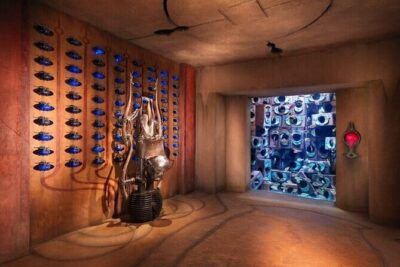
The Freshwater Tank is the anchor of the whole visit. The theme takes you from the Mekong River concept (including the Monsters of the Mekong River angle) to Tonle Sap Lake, described as Southeast Asia’s largest freshwater lake. Even if you’re not a “tank person,” this section gives you context before you move into the ocean side.
What makes this part work for your day: it sets up a clear comparison. Freshwater ecosystems behave differently from marine ones, and the tank themes are meant to show those differences through visible habitats and animal presentation. You’re not just looking at fish in a wall; you’re getting a story about where they live and what kind of water environment they depend on.
If you care about conservation education, this is where the mission language feels most grounded. Freshwater systems are often overlooked in casual zoo visits, so it’s nice to see them treated as worthy of attention.
Plan to linger here if you like noticing details. The longer you spend, the more the exhibits start to feel connected rather than separate displays.
Ocean Aquarium: the freshwater-to-marine transition
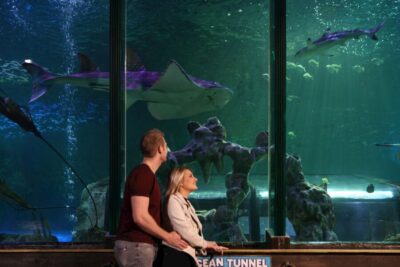
After the freshwater section, the Ocean Aquarium flips the switch into marine habitats. The transition is the whole point: the exhibits are designed to show the shift from freshwater ecosystems to ocean-style environments.
This is where many people’s eyes start to widen, because marine animals tend to look different and behave differently than freshwater species. You’ll likely find yourself slowing down to compare movement, color, and how animals relate to their enclosure spaces.
One practical note: if you felt shortchanged at other aquariums in the region (where the water exhibits are good but the animal variety is thin), this may still be a better match because you get both the aquarium side and the reptile/wildlife side in one ticket. The aquarium segment alone can carry a couple of hours if you enjoy reading exhibit descriptions and watching feeding or activity patterns.
If your focus is mainly terrestrial animals, don’t assume the ocean section will feel like a secondary background stop. It’s built as a core experience.
On land: tigers, crocodiles, otters, sun bears, and the reptile focus
Outside the tanks, the park leans into a set of iconic animals plus a deep reptile element. You can expect to see Bengal tigers, Siamese crocodiles, otters, and sun bears, along with over 30 reptile species. The list includes the Asian water monitor, which is one of those animals people tend to remember long after they leave.
Here’s the balanced reality check: if your main goal is to see lots of different kinds of wildlife animals roaming throughout the property, you may find the land exhibits feel narrower than you hoped. One visitor described the experience as slightly underwhelming for wildlife variety, noting that the wildlife presence felt concentrated rather than broad.
But that doesn’t mean the animal time is weak. It means the park’s strengths are likely in:
- the aquarium systems and water-themed route
- the reptile program
- a smaller set of flagship mammals and predators
If you’re a reptile or aquarium fan, you’ll probably feel like you got your money’s worth. If you’re expecting the density of a large safari-style park, calibrate expectations ahead of time and treat this as a curated conservation facility rather than a sprawling zoo.
The Touch Pool: the hands-on moment people actually remember
The Touch Pool is highlighted as a favorite for visitors of many ages, and that’s for good reason. It turns the visit from passive watching into a short, memorable interaction. For kids, it’s a built-in “payoff” that doesn’t rely on spotting animals far away or waiting for a distant feeding moment.
For adults, it changes the tone of the visit. You’re more likely to slow down, pay attention, and ask questions when your experience includes direct contact areas.
A practical tip: go to the touch experience when you have energy. It’s easy to build your day around this section and then end up rushed or tired later, especially if you choose a longer visit length.
If you’re sensitive to animal handling rules or prefer not to do hands-on activities, you can still enjoy the rest of the park without it. Just know that it’s one of the main “why this place” features.
Practical tips: how to plan for a smooth, comfortable visit
Because snacks and lunch are not included, I recommend you plan a simple food strategy. Bring water, and consider carrying a small snack so you’re not stuck paying premium prices or waiting until you’re done walking.
Since the park is a bit out of town, also plan for the ride time. Use the included vehicle/shuttle options if they’re available on your booking, because it can otherwise turn into unnecessary stress.
A few more on-the-ground ideas:
- Wear shoes you can walk in for a few hours. The route includes tank areas and land exhibit areas.
- Bring sun protection. Even in heat, you’ll likely spend time outdoors.
- If you like photos, plan a longer route through the tanks. Lighting and viewing angles are often best early in the day.
Also, the park is near public transportation, and the experience lists “most travelers can participate.” That’s a good sign for flexibility, but if you have mobility concerns, it’s smart to ask in advance about the exact route and your comfort level with walking between zones.
Who this is best for in Siem Reap
This pass fits best if you like a mix of:
- aquariums and water ecosystems
- reptiles and hands-on educational areas
- conservation-focused animal care
It’s also a solid alternative day plan if temples are starting to blur together. The animals give you variety, and the freshwater-to-ocean path gives structure.
If you’re traveling with families, the Touch Pool plus the iconic species list (tigers, crocodiles, otters, sun bears) creates multiple “wow” moments even when kids get antsy.
If you’re an ultra–wildlife maximalist, you might want to choose another animal park or sanctuary that’s known for broader roaming variety. Here, the best match is someone who appreciates tanks, reptiles, and a curated animal set more than sheer quantity of species.
Should you book this Angkor Wildlife & Aquarium full day pass?
I’d book this if you want a well-paced animal day in Siem Reap that doesn’t cost much and doesn’t require a big time commitment. The combination of Freshwater Tank + Ocean Aquarium + Touch Pool, plus a reptile-heavy lineup, is exactly the kind of value that makes sense when you’re balancing time and budget.
I’d think twice if wildlife variety is your top priority. The land exhibits can feel more focused than sprawling, and you may end up wanting more terrestrial animals than what the property emphasizes.
The best call: if you’re happy spending a few hours on aquariums and conservation storytelling, this $15 stop is a very reasonable use of a half day to full day. If you want broad, roaming wildlife like a safari, you’ll likely feel limited.
FAQ
How much is the Full Day Pass Angkor Wildlife and Aquarium in Siem Reap?
It costs $15.00 per person.
How long does the experience take?
The duration is listed as approximately 2 hours to 5 hours 20 minutes.
What’s included with the ticket?
The package includes an air-conditioned vehicle, all fees and taxes, and the entry ticket.
Is pickup available?
Pickup is offered, and the tour uses an air-conditioned vehicle.
Do I need to print a ticket?
You use a mobile ticket, and you should receive confirmation at the time of booking.
What exhibits can I expect to see?
You’ll see a Freshwater Tank (Mekong River and Tonle Sap Lake themes), an Ocean Aquarium, on-land wildlife including Bengal tigers and Siamese crocodiles, plus reptile species including the Asian water monitor. There’s also a Touch Pool.
What are the opening hours?
Opening hours are listed as Monday to Friday, 8:00 AM to 5:00 PM.
Can I cancel for a full refund?
Yes. You can cancel up to 24 hours in advance for a full refund.