REVIEW · SEVILLE
Seville Aquarium Admission Ticket
Book on Viator →Operated by Aquagestion Sur S.L. (Acuario de Sevilla) · Bookable on Viator
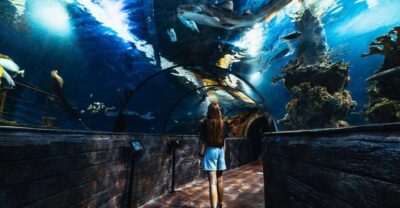
Cool, calm, and very alive under glass. If you like ocean life, the Seville Aquarium (Acuario de Sevilla) is a smart stop in warm-weather Seville, with skip-the-line entry and a layout built around the idea of ocean travel. I love how the displays connect animals to places in the world, not just to a tank number. One of the best parts is the Magellan-style storytelling through the exhibitions, which makes the visit feel like a route instead of a quick walk.
My other two favorite things are practical and visual: the aquarium is exceptionally well kept, and the tanks look clean with animals that appear healthy. I also like that you get a real range of marine life across 35 tanks, including sharks and sea turtles, plus the extras people rave about like rays, octopus, and jellyfish displays.
The one drawback to keep in mind is that some parts may be under maintenance depending on the season. I’ve seen reviews mention construction or missing features at certain spots, so if you’re traveling with strict expectations (like a specific show or area), it’s worth checking on-site signage when you arrive.
In This Review
- Key Takeaways
- Seville Aquarium in one look: Magellan’s route and 35 tanks
- Tickets, timing, and how to save real time
- Five themed zones: Guadalquivir, Atlántico, Amazonia, Pacífico, Indopacífico
- Bullsharks, sea turtles, and the 9-meter shark tank
- What you’ll learn: ocean ecology (without turning it into homework)
- Comfort, heat relief, and how to pace the visit
- Best for families, animal lovers, and curious adults
- Price and value: why $20.37 can be a smart buy
- Should you book Seville Aquarium admission?
- FAQ
- How long should I plan to spend at the Seville Aquarium?
- What’s included with the admission ticket?
- Can I skip the line if I book in advance?
- What opening hours should I expect?
- What time does the box office close?
- How many tanks are there to see?
- Is food included in the ticket price?
- What’s the cancellation policy?
Key Takeaways
- Skip-the-line, time-saving entry so you spend more time watching and less time queuing
- Five themed zones: Guadalquivir, Atlántico, Amazonia, Pacífico, Indopacífico
- A 9-meter-deep shark tank that’s the biggest of its kind on the Iberian Peninsula
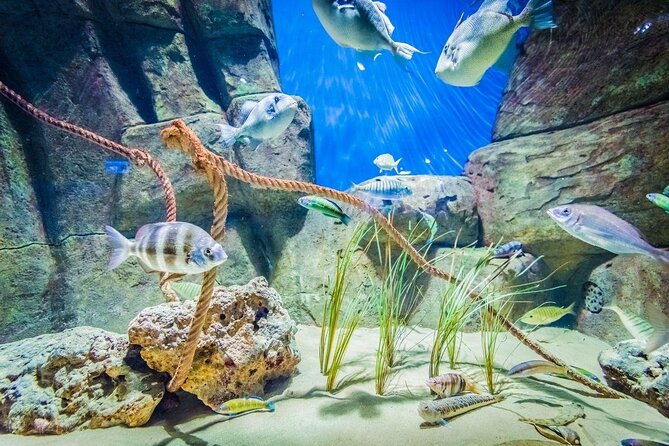
- 35 tanks with a strong mix of sea turtles, bullsharks, and other species
- Ocean ecology learning through exhibits, not just animal viewing
- Great summer break in Seville’s heat, based on what people consistently enjoy
Seville Aquarium in one look: Magellan’s route and 35 tanks
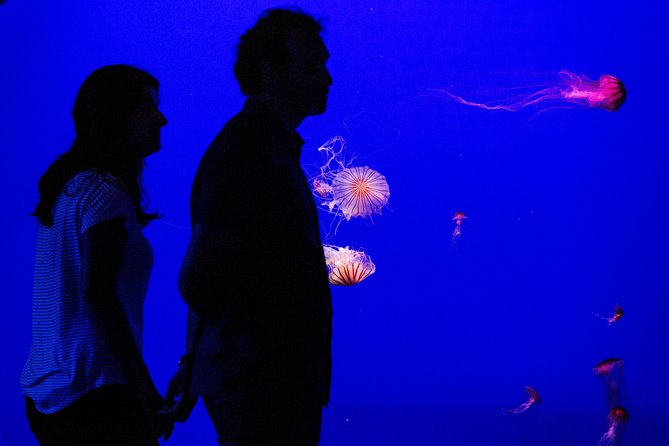
Walking into Acuario de Sevilla feels different from the usual aquarium experience because it’s organized like a journey. The big theme is the voyage connected to Magellan, framed around a global route dating back to 1519. That storyline turns the aquarium into more than a hallway of tanks. You’re moving through themed areas that suggest different waters and ecosystems, so the animals feel like part of a bigger map.
You’ll also get a broad tank count for your ticket time—35 tanks—which is a key value point. For many people, an aquarium visit can feel either too short (you rush) or too long (you repeat the same “fish in glass” pattern). Here, the layout and the themed zones help you keep momentum.
If your travel style is “see something, learn something, don’t waste time,” this works well. It’s not trying to be a museum replacement. It’s giving you a clear, family-friendly experience with a genuine focus on marine ecology.
Tickets, timing, and how to save real time
The headline reason to book in advance is simple: skip-the-line entry. In a popular city like Seville, that matters. Even if you’re traveling in peak season, pre-booked tickets help you avoid the worst of ticket-booth delays.
Timing is also worth your attention because the aquarium’s box office shuts early. The box office closes 1 hour before the aquarium closes, and you can still access the visit up to 1 hour before closing so you have time to get through the site.
So how do you plan this without stressing? Aim to arrive with a comfortable buffer. If you go too close to closing time, you’ll rush the parts you actually came for—like the shark tank viewing areas and the animal displays people remember most (turtles, rays, octopus, and jellyfish).
A couple more practical notes:
- Expect the visit to take about 1 to 3 hours depending on how slowly you move and how much you read.
- This experience is set for small groups (maximum 15 travelers), which usually makes the pace calmer than larger attractions.
Five themed zones: Guadalquivir, Atlántico, Amazonia, Pacífico, Indopacífico
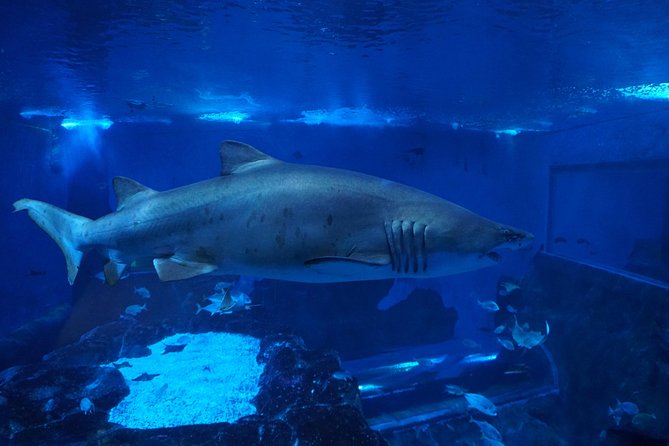
The aquarium is divided into five thematic zones, and each one changes the tone. Instead of repeating a single style of display, you get a sequence that feels like you’re moving across different waters.
Here’s what each zone is for, in a practical way:
- Guadalquivir: A local connection point. It helps ground the visit in what’s around Seville and Spain before you travel farther.
- Atlántico: Atlantic ocean life comes next, with the feel of open-water conditions compared with the more region-specific zones.
- Amazonia: This is where freshwater comes into the conversation. If you only expect ocean creatures, this section can be a pleasant surprise.
- Pacífico: You shift again into a different ocean theme, with displays designed to suggest the range of marine habitats.
- Indopacífico: The last zone rounds out the “world voyage” idea, building the sense that the oceans vary a lot depending on region.
Why this matters for your enjoyment: when an aquarium organizes by zone, you’re more likely to notice differences in animals and environments. That boosts your learning without turning the visit into a school day.
Also, the Magellan idea works best when you let the zones guide your pace. If you sprint straight to the biggest tank, you’ll miss the “route” feeling that makes this aquarium stand out.
Bullsharks, sea turtles, and the 9-meter shark tank
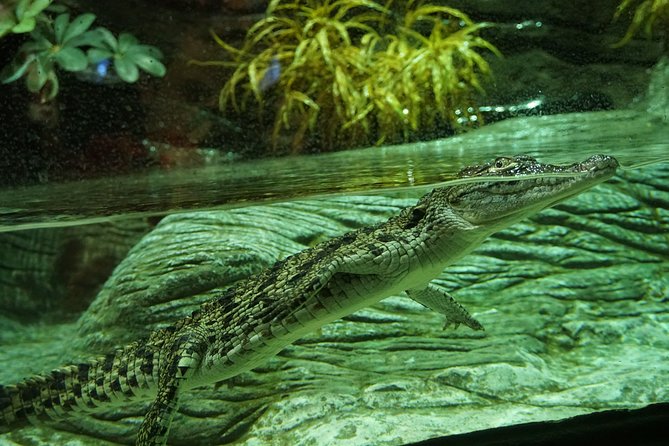
Let’s talk about the star factor: the shark tank depth. The aquarium has the deepest shark tank of the Iberian Peninsula, at 9 meters. That depth changes what you can see and how the space feels. You get more vertical room for fish movement and a stronger sense of being in a larger habitat than you’d get in smaller tank setups.
You can expect to see bullsharks and sea turtles among the featured marine life. Even if sharks aren’t your top animal, the tank is worth positioning yourself for. People often remember aquariums most when they spend time waiting for movement—sharks and rays especially tend to cruise in patterns, so a minute of patience beats constantly repositioning.
One tip if you like animal viewing: don’t hover in a single spot for the entire visit. Move between viewpoints if the aquarium layout allows it. With deep tanks, small changes in angle can make the animals look like they’re in different zones of the same habitat.
And based on what many visitors gush about, it’s not only the sharks. Reviews frequently highlight turtles, rays, octopus, and jellyfish as major “stop you in your tracks” moments. If you’re a photo person, jellyfish displays in particular tend to be easier to photograph than fast-swimming fish—again, because they move more slowly and often stay in the same general area.
What you’ll learn: ocean ecology (without turning it into homework)
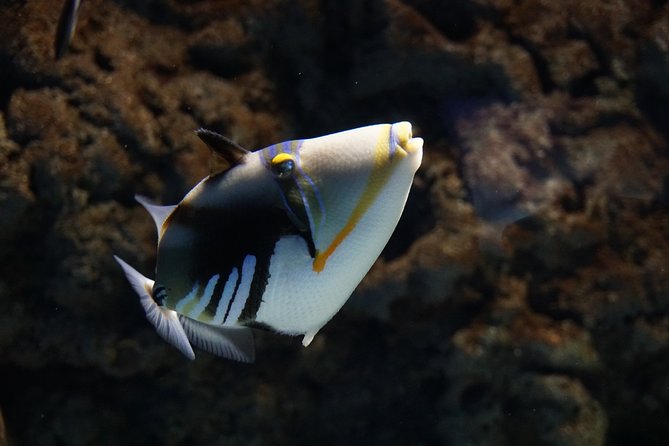
This aquarium isn’t just an animal lineup. The exhibits are designed to explain the ecology of the world’s oceans, and that gives the whole route a purpose. If you care about how marine ecosystems connect—food chains, habitats, and geographic differences—you’ll get more out of your ticket.
The Magellan storytelling adds another layer. The displays reference the voyage framework (and the broader concept of global exploration), so you’re not just reading labels. You’re connecting animals to the idea of traveling across water types.
A simple way to get value fast: pick one zone and read the most relevant interpretive signs instead of trying to read everything. You’ll come away feeling like you learned something real, and you won’t get stuck in “museum mode” while the rest of the aquarium waits.
From the visitor feedback I’ve seen, one of the biggest satisfiers is learning new facts even as an adult. If you’ve done other aquariums already, you might still find the thematic setup and the route concept refreshingly different.
Comfort, heat relief, and how to pace the visit
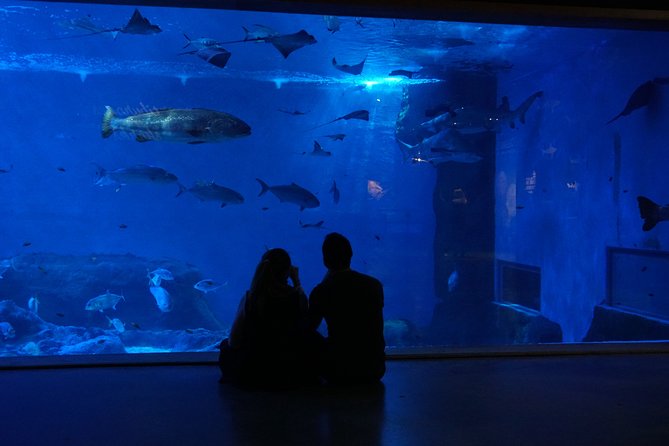
Seville’s sun can be intense. One reason I like planning an aquarium stop here is that it gives you a reliable indoor reset. People consistently describe the aquarium as a great break from the toasty outdoors, which makes sense: you can spend hours comfortably while still feeling like you’re doing something active.
In terms of pace:
- If you want the full story, plan closer to 2 to 3 hours.
- If you mainly want the “big hits” (shark tank, turtles, rays, jellyfish), you can often manage around 1 to 1.5 hours—though you’ll likely rush the reading.
Another practical detail: there’s mention of walking routes that include a nearby park area on the way in or out. Even if you don’t plan a long stroll, those few minutes outside can make the trip feel smoother. Treat it like a combo plan: short walk, aquarium, then back to your next Seville neighborhood.
Best for families, animal lovers, and curious adults
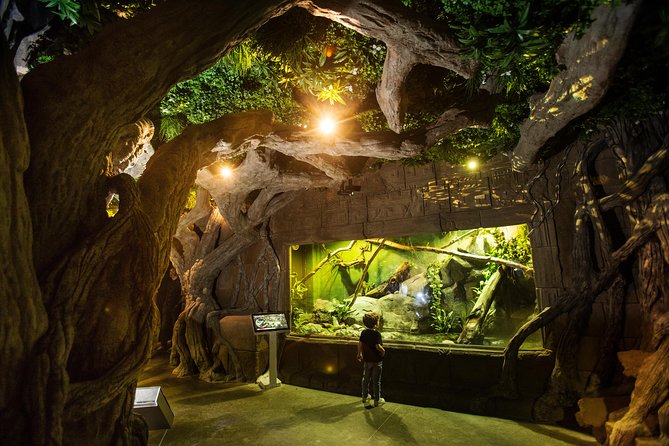
This fits a lot of traveler styles.
Families: Children must be accompanied by an adult, which is normal for aquarium environments. Kids usually love the movement and variety, and jellyfish plus turtles are often the easiest to enjoy without needing deep background knowledge.
Animal lovers: If you care about seeing multiple species beyond the usual “big fish,” this ticket gives breadth across many tanks and includes the kinds of animals people remember (turtles, rays, octopus, jellyfish, and sharks).
Curious adults: Even without kids, I think the themed zones and ocean ecology exhibits make it worth your time. If you’re the type who likes to learn what you’re seeing, you’ll probably leave feeling like your visit had a “reason,” not just entertainment.
A note for feature-savers: One review described missing an animation element (and there were also mentions of construction at a turtle area). That’s not guaranteed, but it’s a good reminder: if you’re coming specifically for one interactive moment, check what’s running when you arrive.
Price and value: why $20.37 can be a smart buy
The price is listed at $20.37 per person, and the value depends on what you want from the ticket.
Here’s how I judge it:
- You’re not paying for a rushed walkthrough. You’re buying skip-the-line time plus 1 to 3 hours of structured viewing across 35 tanks.
- You’re getting major “headline” attractions like a 9-meter shark tank and the chance to see bullsharks and sea turtles.
- You also get exhibits that explain ocean ecology, which means the visit isn’t only visual.
If you’re visiting Seville in summer, the indoor break alone can make the time feel “worth it,” since you’re not spending that energy in heat.
If you’re a hardcore aquarium lover who reads every label and revisits sections for different angles, you’ll likely feel the ticket was fairly priced. If you’re the type who wants only one or two big exhibits, you can still enjoy it—you just need to pace intentionally so you don’t feel like you skipped too much.
Should you book Seville Aquarium admission?
Yes, I’d book it if:
- you want a calm, air-conditioned stop in Seville
- you like your attractions with a bit of structure (zones and a voyage theme)
- you’re excited by sharks and turtles, plus the “supporting cast” like rays and jellyfish
- you prefer to pre-book so you don’t lose time at the ticket window
Skip booking (or at least adjust expectations) if:
- you only have a very short time budget and want a one-stop quick hit
- you’re expecting a specific interactive show that might be affected by seasonal works (check on-site signage)
For most people, this is a solid, straightforward purchase: clear themes, lots of tanks, and a visit that’s easy to fit into a day without turning the schedule into a stress project.
FAQ
How long should I plan to spend at the Seville Aquarium?
Plan for about 1 to 3 hours, depending on how much you read and where you pause for animal viewing.
What’s included with the admission ticket?
The ticket includes the aquarium visit at Acuario de Sevilla.
Can I skip the line if I book in advance?
Yes. Booking in advance is designed to help you skip the line and save time.
What opening hours should I expect?
For 09/01/2025 to 06/30/2026, Monday to Friday hours are listed as 10:00 AM to 6:00 PM.
What time does the box office close?
The box office closes 1 hour before the aquarium closes, and access is possible up to 1 hour before closing.
How many tanks are there to see?
The aquarium highlights mention 35 tanks.
Is food included in the ticket price?
No. Food and drinks are not included.
What’s the cancellation policy?
Free cancellation is available if you cancel up to 24 hours in advance for a full refund.