REVIEW · BALLOCH
Loch Lomond: Sea Life Entrance Ticket
Book on GetYourGuide →Operated by Merlin Entertainment (Sea Life) Ltd · Bookable on GetYourGuide
Lochside sharks and otters in one ticket. Sea Life Loch Lomond turns the shore of Loch Lomond into a full chain of tanks, from the Lair of Claws to the interactive rock pool, with daily talks and creature feeding. I like that you get up close to over 1,500 creatures without needing to be a marine expert, and I really like the hands-on moment with starfish. One catch: at around $19, the visit can feel short, so it helps to go with the right expectations.
Plan a slower start if you want a calmer experience. The aquarium is generally quieter at the beginning of the day and late afternoon, and you can pace yourself through the tunnels, tanks, and talks rather than rushing. It’s wheelchair accessible, and the staff run in English. Just remember: flash photography is not allowed, and children under 16 must be accompanied by an adult.
In This Review
- Key things I’d target first
- What you actually get in the $19 Sea Life ticket
- Your route through the aquarium: from touchable rock pool to shark tank
- Interactive rock pool: the starfish moment is the best use of your time
- Lair of Claws: seabed predators and a smart kind of suspense
- Otters Lily, Pickle and Cub plus creature feeding timing
- Tropical ocean tunnel: the “face-to-face” layout you’re paying for
- Cow nose rays and big-bellied seahorses in the rays bay
- Deep loch tank opened March 2016: native species and a rare albino dogfish
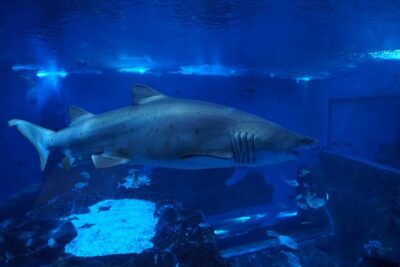
- Blacktip reef sharks in the big ocean tank: what to watch for
- Price and timing: how to get the most out of a short day
- Who Sea Life Loch Lomond is best for
- Should you book Sea Life Loch Lomond?
- FAQ
- How long is the Sea Life Loch Lomond experience?
- What does the ticket cost and what’s included?
- Is food and drinks included?
- Can I take photos with flash?
- Are kids allowed to visit on their own?
- Are infants free?
Key things I’d target first
- Lair of Claws: meet predators face-to-face at the seabed.
- Interactive rock pool: touch starfish and other sea creatures.
- Otters Lily, Pickle and Cub: a family you can build your visit around.
- Rays bay: see cow nose rays, noted as the only ones in Scotland.
- Deep loch tank: native UK species plus the rare albino dogfish.
What you actually get in the $19 Sea Life ticket
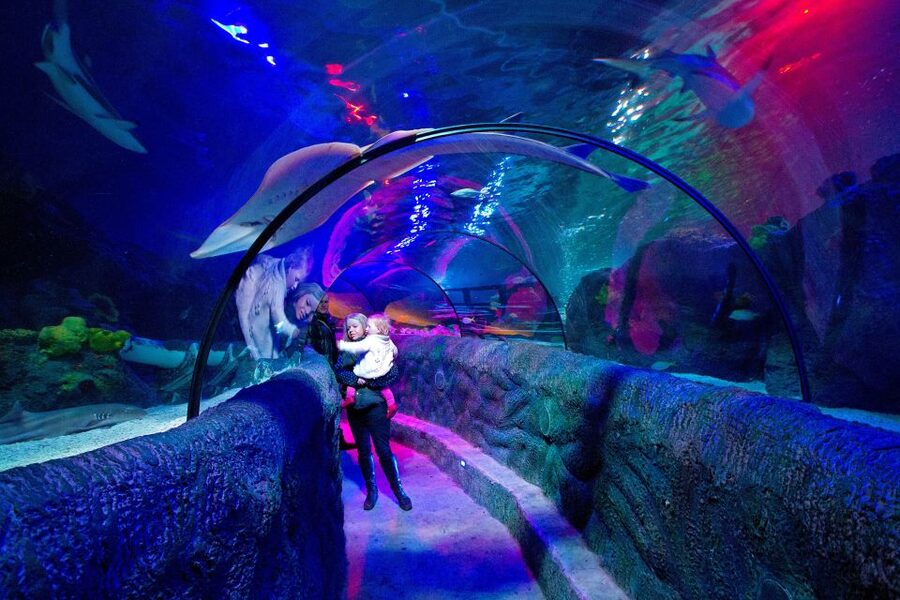
For $19 per person, you’re paying for a one-day walk-through aquarium experience built around animal encounters. The ticket includes entrance, daily talks, and creature feeding at set times (you’ll want to check the schedule when you arrive). You also get a map and information leaflet, which matters more than you’d think in a venue like this—tanks can blur together if you don’t have a route.
Food and drinks are not included. That’s the one thing that can change the real cost of your day out, so if you’re budgeting, plan on snacks outside or bring a simple setup where allowed. The upside is the core of the experience is built in: you’re not buying add-ons just to see the main animals.
Timing is also flexible. Your ticket is valid for 1 day, and starting times depend on availability. If you can choose, I’d pick the beginning of the day or late afternoon, since the aquarium is generally quieter then. Less crowding means you can actually watch feeding moments and animal behavior instead of line-watching.
Your route through the aquarium: from touchable rock pool to shark tank
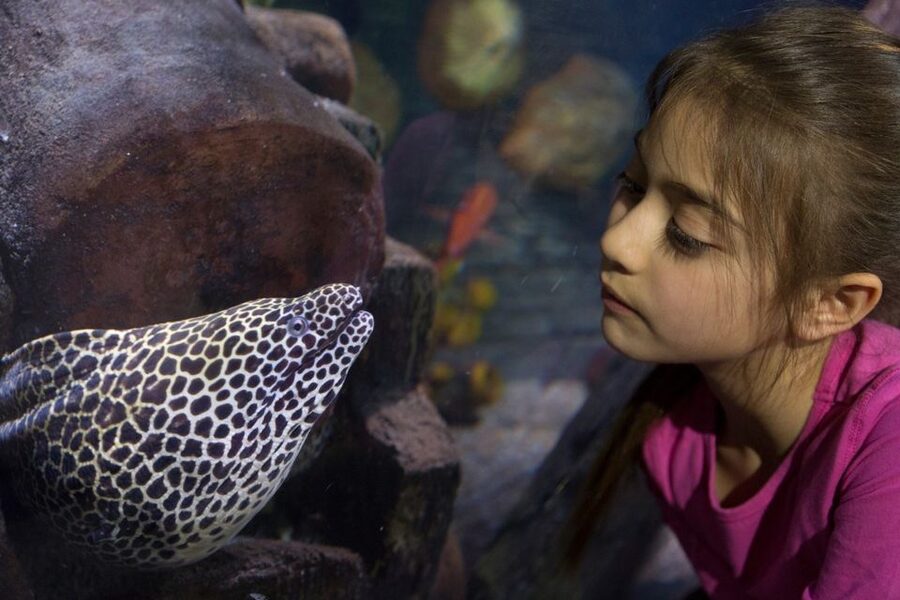
Sea Life Loch Lomond is designed like a guided story you can follow at your own pace. You’ll start with areas that focus on tactile interaction and close-up viewing, then move toward more dramatic habitats like tunnels and big ocean tanks. The good part is that each zone has a different “feel,” so you’re not just looking at the same tank style over and over.
Here’s what that journey adds up to:
- You begin with a chance to interact in the interactive rock pool, including the starfish touch moment.
- Next you’ll meet the playful otter family (Lily, Pickle and Cub).
- Then you move into the tropical ocean tunnel, which is meant to put you at eye level with marine life.
- After that, you work through sections highlighting Scottish native waters, including the deep loch tank.
- You finish by focusing on larger, more iconic animals like blacktip reef sharks in the big ocean tank.
If you’re going with kids, this flow helps. You get a mix of hands-on time and “wow” encounters, and you can break up the day with the daily talks and feeding slots.
Interactive rock pool: the starfish moment is the best use of your time
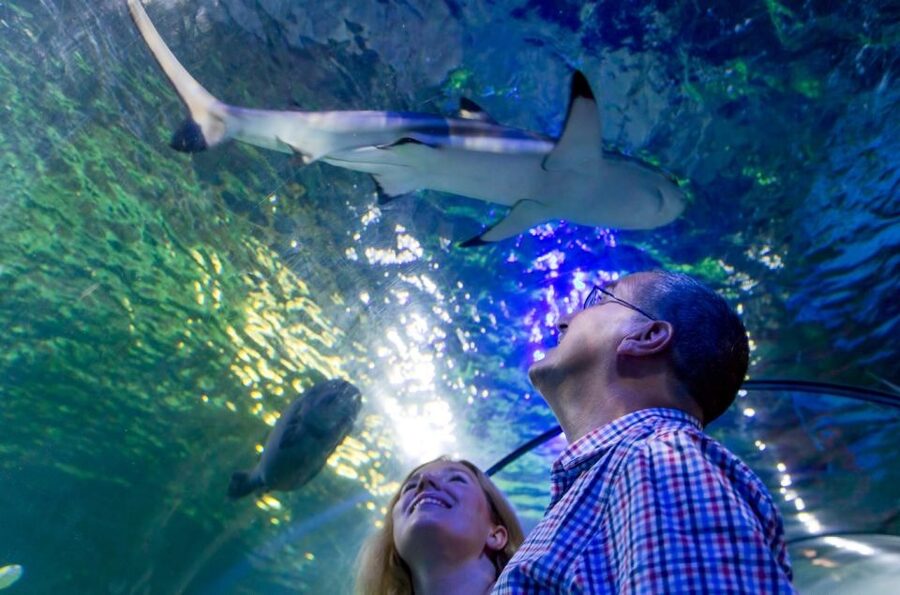
The interactive rock pool is where I think most people get the most value out of the ticket. You’re not just seeing animals behind glass. You can get close to them and touch starfish and other creatures living in the rock pool area.
That matters because starfish can look cool from a distance, but the real learning comes from touch—texture, shape, and how they sit. It’s also a rare chance in a typical family day out to do something active rather than passive. If you’ve got kids who lose focus, this is your “keep them engaged” stop.
You’ll also find that this part of the route tends to set the tone. If your group is excited early, you’ll likely stay more relaxed later on. If your group is more skeptical, do the rock pool early so there’s still a positive win in the first hour.
Lair of Claws: seabed predators and a smart kind of suspense
One of the headline features is the Lair of Claws, built to put you close to feared sea-bed predators. The idea is simple: you get to see animals associated with claws and predatory behavior in a controlled, safe setting where you can watch without the anxiety you might associate with the wild.
This is also where you’ll see a strong emphasis on the seabed ecosystem. Watching how animals behave in a tank setting can be surprisingly informative, even if you’re not a marine-life nerd. You’re looking for movement patterns, resting spots, and how animals react to changes around them.
If you love sharks and scary-sounding marine life, this section is a great early anchor. If your group is nervous about “predators,” it still works, because the experience is close-up and visual rather than confrontational.
Otters Lily, Pickle and Cub plus creature feeding timing
The most consistent “worth it” theme is the otter feeding and the otter family itself. Sea Life Loch Lomond has a playful family of otters with names: Lily, Pickle, and Cub. Building your day around their feeding is one of the easiest ways to feel like you didn’t rush.
Feeding is included, but the timing depends on the day’s schedule. You’ll need to check timings on arrival at the attraction. That small step makes a big difference: if you plan your route without knowing the schedule, you can accidentally miss the one moment kids care about most.
Daily talks are also part of the deal. These are typically most useful if you’re curious about what you’re seeing right then. Don’t treat talks like homework—treat them like a way to understand why the animals are where they are in that tank.
Tropical ocean tunnel: the “face-to-face” layout you’re paying for
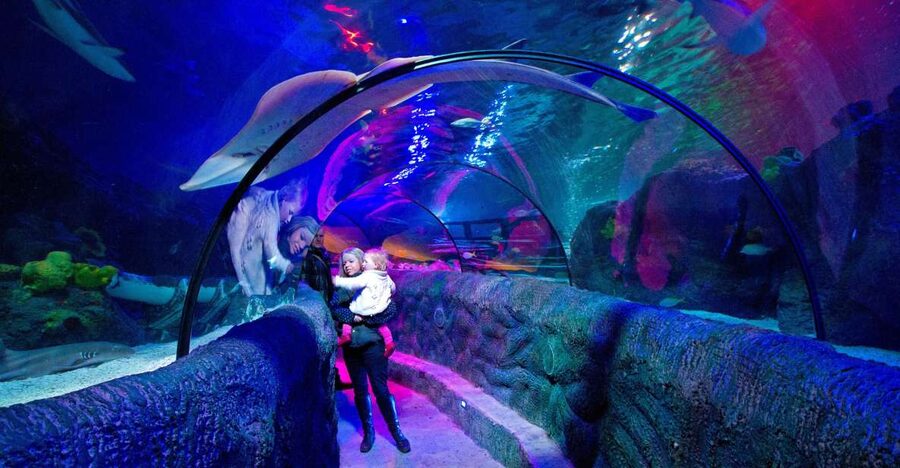
Next comes the tropical ocean tunnel, where you can come face-to-face with blacktip sharks and other critters of the sea. The value here isn’t that blacktips are unknown; it’s that the tank layout puts you in the right position to feel like you’re inside the habitat rather than hovering in front of a screen.
This is also where the experience shifts toward visual drama. A tunnel route naturally pulls you forward at a steady pace. For kids, it’s a built-in challenge: look left, look right, keep moving. For adults, it’s a calmer kind of wow moment because you’re not stuck in a crowd watching a single feeding dock.
If your group gets easily overwhelmed by enclosed spaces, you might want to take short breaks during the tunnel sections, but there’s no reason you can’t do it at a pace that works for you.
Cow nose rays and big-bellied seahorses in the rays bay
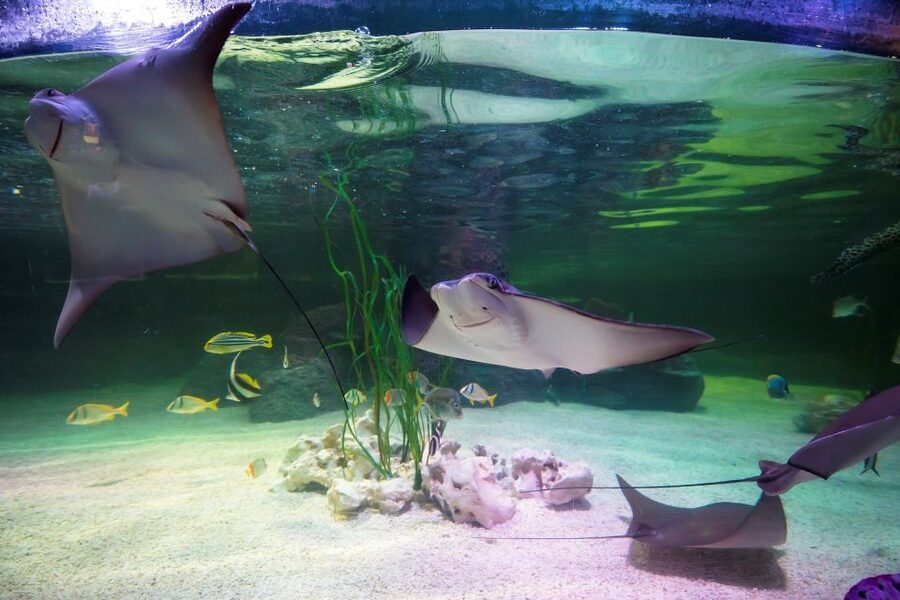
The bay of rays is another must-see section, especially because it includes cow nose rays, listed as the only cow nose rays in Scotland. Seeing rays up close changes how you picture them. Instead of thinking of them as flat silhouettes, you notice their movement style and how they use the water space.
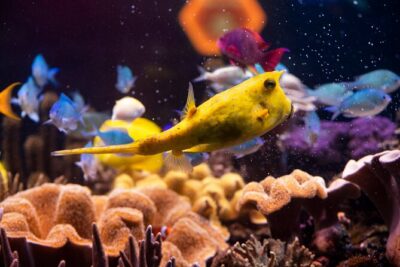
Right near this area, you’ll also find big-bellied seahorses. The big-bellied seahorse has a long, curly, grasping tail and is described as one of the world’s largest seahorse species, reaching lengths up to 30 centimeters. That tail detail is the kind of small fact you won’t get from a poster. Standing in front of the tank makes it easier to understand why seahorses cling and hold position.
If you’re traveling with mixed ages, this zone is a great peace-maker. It’s less “scary predator” and more “slow, interesting animals,” so it helps when one person wants sharks while another wants something gentler.
Deep loch tank opened March 2016: native species and a rare albino dogfish
The deep loch tank opened in March 2016, and it’s focused on native species of shark and rays found in UK waters. That “native” angle gives the aquarium more meaning, because you’re seeing creatures connected to local ecosystems rather than purely distant ocean wildlife.
Keep an eye out for the rare albino dogfish. That’s the kind of detail that adds excitement to an otherwise normal tank stop. It also gives you something specific to look for, which is great on a day when there’s a lot to see.
This is a good section for slower pacing. If you rush, you’ll miss the subtle differences between species and how they move in deeper tank environments. If your group tends to speed-run exhibits, I’d still suggest taking a few extra minutes here.
Blacktip reef sharks in the big ocean tank: what to watch for
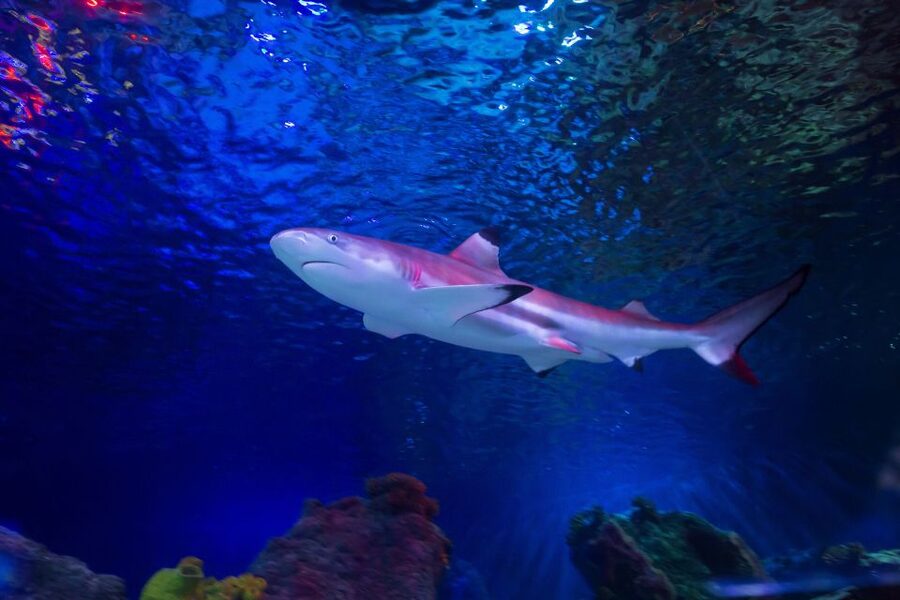
The big ocean tank features blacktip reef sharks. These sharks are described as among the most popular sharks in tropical coral reefs of the Indian and Pacific Oceans, with a preference for shallow, inshore waters. That’s useful context because it shapes what you might notice: movement patterns near certain sections of the tank and calmer behavior compared with more aggressive stereotypes.
The best part of this stop is that it feels like the climax. After rock pools, tunnels, and rays bays, the large tank gives you scale and a different kind of viewing. If you only have energy for one “big moment,” this is a strong candidate.
Also, keep your camera rules in mind. Flash photography is not allowed, so use normal light and focus on watching rather than shooting endless photos.
Price and timing: how to get the most out of a short day
Let’s talk value, since some people feel the visit is short for the cost. That’s a fair concern if you’re expecting a long, multi-area theme-park day. Sea Life Loch Lomond is more like a concentrated aquarium circuit. The upside is that you don’t need to commit your whole day just to see the main highlights.
So how do you make it feel worth it?
- Build your plan around included feeding and the otter family schedule.
- Choose a quieter time (beginning of the day or late afternoon) so you can actually watch animals at close range.
- Don’t skip the interactive rock pool early. That is often the strongest hands-on payoff.
Budgeting tip: food and drinks aren’t included. A family can spend more on snacks than the ticket itself, so factor that in when you decide whether the $19 price is realistic for your group.
If you’re coming from somewhere else in West Dunbartonshire and you want a kid-friendly indoor option, this fits nicely as a one-day activity. If you’re a hardcore aquarium fan, you might find yourself wanting more than this circuit offers. Still, the tunnel, the rock pool, and the deep loch tank keep it from feeling like a quick glance.
Who Sea Life Loch Lomond is best for
This is a strong match for families with kids, especially kids who like touching things and timing feeding moments. The interactive rock pool, otters Lily, Pickle and Cub, and the shark tunnel are designed to keep attention.
It also works for adults who want an easy, local aquarium day without doing heavy planning. The map and information leaflet help you connect what you see to the animals you’re looking for, including specifics like the big-bellied seahorse’s tail and the deep loch tank’s native focus.
If you’re traveling solo and enjoy animal encounters but dislike crowds, pick the quieter start or late-afternoon window and treat the daily talks as your “extra learning” layer.
Should you book Sea Life Loch Lomond?
I’d book if you want a focused, family-friendly aquarium day with hands-on fun, real animal encounters, and a few standout zones like the rock pool touch, the otter feeding, and the blacktip shark tunnel. I’d think twice if you hate short visits or you’re trying to turn one ticket into a full-day entertainment plan with lots of extra extras.
A good rule: go in for the moments that are unique here—the Lair of Claws, the interactive rock pool, the named otters, and the deep loch tank—and you’ll likely feel like your time and money were spent well.
FAQ
How long is the Sea Life Loch Lomond experience?
The activity is listed as 1 day. You should plan to spend enough time to move through the different tanks, plus allow for daily talks and feeding times.
What does the ticket cost and what’s included?
The price is listed as $19 per person. Included are entrance to Sea Life Loch Lomond, daily talks, creature feeding (check timings on arrival), and a map and information leaflet.
Is food and drinks included?
No. Food and drinks are not included in the ticket.
Can I take photos with flash?
No. Flash photography is not allowed.
Are kids allowed to visit on their own?
No. Unaccompanied minors are not allowed. Children under 16 must be accompanied by an adult.
Are infants free?
Infants aged 3 years and under enter for free, but you should still reserve a ticket for them.