REVIEW · INVERNESS
SEA LIFE Loch Lomond General Admission Ticket
Book on Viator →Operated by Merlin SEA LIFE Centres · Bookable on Viator
Sharks, rays, and a starfish touch stop. This general admission visit at SEA LIFE Loch Lomond in Scotland is built for quick wow moments, and I like the way the Predators of the Reef area turns predator behavior into an easy food-chain story. I also love the hands-on rocking Rockpools, where kids (and plenty of adults) can touch starfish as part of the experience. You’re looking at about 1 hour 30 minutes to 2 hours, in English, and it works well if you want something engaging without planning a full day.
One practical thing to think about: even though the ticket is described as mobile, one customer reported that a phone ticket wasn’t accepted and they had to print. So I’d bring a backup screenshot or printed copy, just to avoid any last-minute stress.
In This Review
- Key Highlights You’ll Actually Care About
- What You’re Really Paying For at SEA LIFE Loch Lomond
- Predators of the Reef: Venom, Food Chains, and Real Curiosity
- Ocean Tank Shark Watching and the 13.30 Feeding Plan
- Tropical Ocean Tunnel: Bonnethead Sharks by a Shipwreck
- Rockpools and the Bay of Rays: Starfish Touch You Can Feel
- Deep Loch Tank Option: Native Sharks and Rays When Feeding Isn’t Happening
- A 90-Minute Plan That Works for Families (and Cautious Parents)
- Price, Ticket Format, and Practical Tips Before You Go
- Should You Book SEA LIFE Loch Lomond General Admission?
- FAQ
- How long is the SEA LIFE Loch Lomond general admission experience?
- What is the price of the SEA LIFE Loch Lomond General Admission Ticket?
- What exhibits and experiences can I expect?
- Are shark feedings included, and when do they happen?
- Can I touch anything during the visit?
- Is the tour offered in English?
- Do souvenir photos come with the ticket?
- Is there a group limit?
- What is the cancellation policy?
Key Highlights You’ll Actually Care About
- Venom explained in the Predator of the Reef zone with lionfish and scorpion fish as the starting point
- Ocean Tank shark feeding on a schedule: 13.30 every second day
- Tropical Ocean Tunnel shipwreck viewing with bonnethead sharks, part of the hammerhead family
- Bay of Rays touch-and-see moment plus Cow Nose Rays, stated as Scotland’s only ones
- Rockpools starfish touch in a rocking interactive area
- Small-group feel (up to 5 people), which makes it easier to ask questions and keep your pace
What You’re Really Paying For at SEA LIFE Loch Lomond
You’re buying general admission to SEA LIFE Loch Lomond Aquarium under the Merlin SEA LIFE Centres umbrella. The ticket gets you entry, and the visit is typically a 1.5 to 2 hour walk-through of themed areas and exhibits—long enough to feel like you visited, short enough that it won’t hijack your whole day.
At $19.22 per person, the value mainly comes from the mix of big animal viewing plus hands-on learning. If you go in with kids, you’ll feel the payoff quickly: they get the “look at the sharks” moments and the “touch the starfish” moment, both in one trip. If you’re an adult, you’ll probably enjoy the food-chain explanations and the careful way the aquarium frames what predators do and why they matter.
Souvenir photos are not included, so if you’re hoping to buy printed keepsakes, plan on paying extra on site. The experience is offered in English, and confirmation is sent at booking time.
Also worth noting: it’s listed as near public transportation, and service animals are allowed. That’s useful if you’re trying to keep logistics simple.
Predators of the Reef: Venom, Food Chains, and Real Curiosity
The first big stop focuses on predators that use deadly venom—starting with lionfish and scorpion fish. This is one of those areas where you don’t just stare at creatures behind glass. You get an explanation of why venom matters for protection, and how these animals use it while hunting.
Then you move into the reef’s top-predator zone, where you can meet animals higher up the food chain, including moray eels, stingrays, and a collection of sharks. It’s a good way to build context as you go, because the exhibits are arranged so you’re not seeing random tanks—you’re seeing a story.
There’s also a fun layout note: the Predators of the Reef area has had a £25,000 refurbishment, and it previously housed the clownfish display. The clownfish are still around in a corals display, so you can still find Nemo, just in a different spot.
What I like about this area is that it gives you something to look for. When you understand why predators behave the way they do, the animals feel less like decorations and more like characters in a system. That’s exactly what makes an aquarium work for kids: the facts turn into something they can track as they walk.
Ocean Tank Shark Watching and the 13.30 Feeding Plan
After the predator intro, you head toward the Ocean Tank and the larger shark displays. The Ocean Tank is described as having Scotland’s largest collection of shark species, which is the kind of statement you only care about if it turns into real variety—and here it does. You’re not looking at one species in one corner; you’re in a bigger viewing experience designed for shark-focused attention.
There’s one timing detail that’s genuinely helpful: shark feeding in the Ocean Tank happens every second day at 13.30. If you can line your visit up around that time, you’ll get an extra layer of excitement. If the sharks aren’t being fed on your day, don’t worry—there’s a backup display plan described for your visit.
Practical tip: when you’re touring with children, feeding times are often what keep attention from drifting. Aim for the Ocean Tank when the feeding is scheduled, then move on before everyone gets tired of waiting.
Tropical Ocean Tunnel: Bonnethead Sharks by a Shipwreck
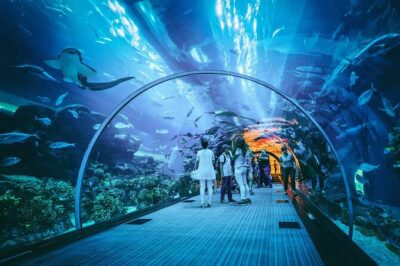
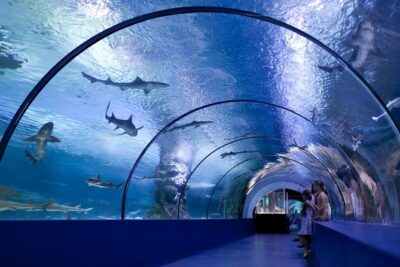
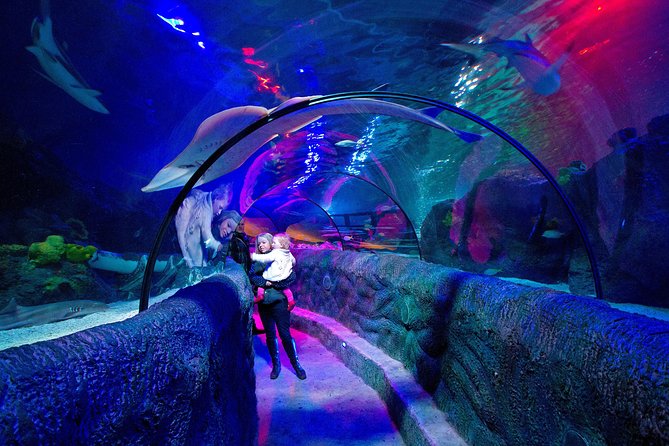
The Tropical Ocean Tunnel is where the aquarium turns theatrical. You come face-to-fin with Bonnethead Sharks, which are members of the hammerhead family. The tunnel design is built for that eye-level tracking effect, so you don’t just spot sharks—you actually follow them as they swim through the viewing space.
This tunnel also includes an abandoned shipwreck backdrop. That means the underwater scene feels like an environment, not just a tank. For many kids, shipwrecks are instantly more memorable than plain scenery, so this is a strong stop if you want the visit to stick in their minds.
If you’re the type who likes spotting details, this is a good place to slow down. Look for where the bonnetheads travel in the tunnel and how they move through the space around the shipwreck setting.
Rockpools and the Bay of Rays: Starfish Touch You Can Feel
If there’s a single “okay, this is the moment” activity at SEA LIFE Loch Lomond, it’s the interactive touch area. At the rocking Rockpools, you can touch starfish. The key word here is interactive—this isn’t just watching animals glide by. You’re getting a sensory experience that most kids will remember even after the name of every species fades.
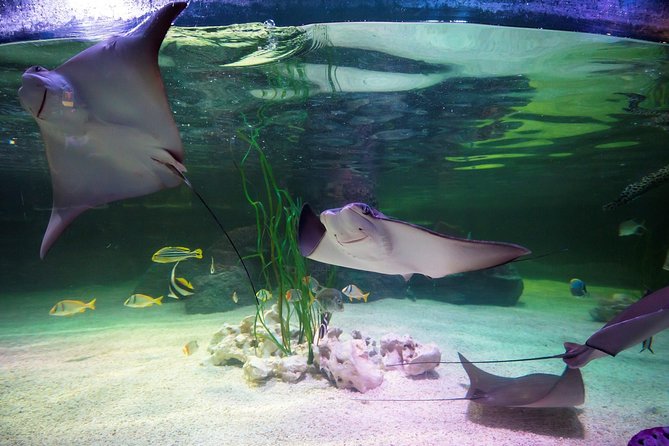
Right after that, you’ll likely want to spend time in the Bay of Rays. This is where you can meet the aquarium’s Cow Nose Rays, described as the only ones in Scotland. Even if your focus is broader marine life, this is a good stop because it’s more specific than the usual “rays live here” message.
The best approach: treat the interactive area as a short, high-energy segment. Touch, observe, ask a question if staff are nearby, then move on. You’ll keep the excitement up without letting the line or waiting time steal your visit.
Deep Loch Tank Option: Native Sharks and Rays When Feeding Isn’t Happening
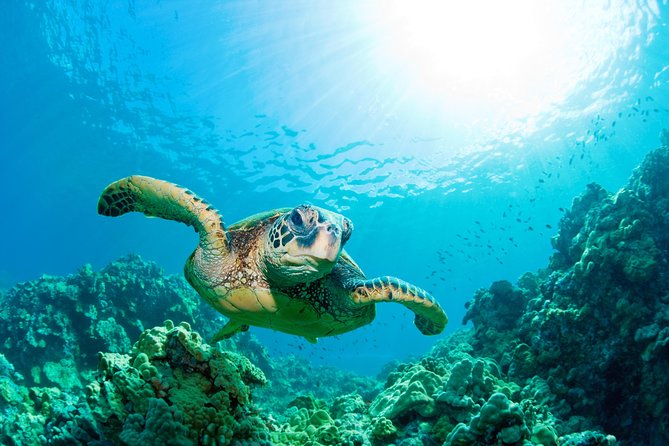
One useful feature of this aquarium route is that it doesn’t rely on a single “must-see” moment. The Ocean Tank has that scheduled shark feeding at 13.30 every second day. If that feed isn’t happening during your visit, the experience points you toward the Deep Loch Tank, which houses native sharks and rays.
This matters because it protects your plan. If you arrive and the feed isn’t on, you’re not stuck thinking you missed the highlight. You still have a shark-and-ray focused area to prioritize, and the aquarium builds the story so you can keep moving forward.
A 90-Minute Plan That Works for Families (and Cautious Parents)
You can absolutely see SEA LIFE Loch Lomond at a relaxed pace in 1.5 to 2 hours, but the trick is to build a route around the most attention-grabbing parts.
Here’s how I’d structure it so it stays fun for kids and not exhausting for adults:
- Start with Predators of the Reef so you learn what venom and the food chain mean before you meet the big predators.
- Prioritize Ocean Tank if you can catch the 13.30 feeding day/time.
- Then spend extra time in the Tropical Ocean Tunnel so you don’t rush past the bonnetheads and shipwreck setting.
- Finish with the interactive stops: rocking Rockpools for starfish and the Bay of Rays.
For families, that mix of animal behavior + hands-on touch is the formula. For adults, it turns the visit into something more than a checklist. You’re learning why things are displayed the way they are, not just where they are located.
One more detail: souvenir photos cost extra. If you want a photo, decide in advance whether it’s worth it to you, so you’re not caught deciding under tired-kid pressure.
Price, Ticket Format, and Practical Tips Before You Go
At $19.22 per person, you’re paying for entry to a focused aquarium visit that combines themed exhibits, live animal viewing, and an interactive touch moment. The price feels most reasonable when you think in terms of experience length: you’re generally looking at under two hours, so you’re paying for intensity and variety rather than a half-day or full-day attraction.
Ticket format is the one area where I’d be cautious. The experience is described as using a mobile ticket, but at least one customer said the phone ticket wasn’t accepted and they had to print. So do this simple thing: keep your ticket on your phone, and also have a printed copy or screenshot ready. That one step can save you time and stress.
As for planning timing, the experience is often booked about 5 days in advance on average. If you’re visiting during busy school periods, book earlier rather than later.
Cancellation rules are described as free cancellation up to 24 hours for a full refund. Still, a separate unhappy account mentions a situation where they couldn’t attend due to self-isolation and didn’t get the refund they expected. My takeaway: if you might need to cancel for health reasons, contact the provider as early as possible and ask what options apply to your case.
Should You Book SEA LIFE Loch Lomond General Admission?
Book it if you want a short, high-engagement aquarium that works especially well for families with kids. The combination of predator education, shark-focused viewing (including the tunnel), and the starfish touch experience gives you a visit with clear “hit points,” even if your kids get bored quickly.
Skip it or think twice if you need a super flexible ticket setup with zero friction. The general admission is straightforward, but the ticket format issue raised by a customer is a reminder to come prepared with a backup.
If you’re somewhere near Inverness, and you’re looking for marine-life time that feels educational without being dry, this is a solid choice.
FAQ
How long is the SEA LIFE Loch Lomond general admission experience?
It typically runs about 1 hour 30 minutes to 2 hours.
What is the price of the SEA LIFE Loch Lomond General Admission Ticket?
The price is $19.22 per person.
What exhibits and experiences can I expect?
You can see areas including Predators of the Reef, the Ocean Tank, the Tropical Ocean Tunnel, and interactive rock pools where you can touch starfish.
Are shark feedings included, and when do they happen?
The Ocean Tank has shark feeding every second day at 13.30. If the sharks aren’t being fed on your visit day, the experience notes the Deep Loch Tank as an alternative.
Can I touch anything during the visit?
Yes. There is a rocking Rockpools section where you can touch starfish.
Is the tour offered in English?
Yes, it is offered in English.
Do souvenir photos come with the ticket?
No, souvenir photos are available to purchase separately.
Is there a group limit?
The experience has a maximum of 5 travelers.
What is the cancellation policy?
Free cancellation is available. You can cancel up to 24 hours in advance for a full refund. If you cancel less than 24 hours before the start time, the amount paid is not refunded.