REVIEW · SYDNEY
SEA LIFE Sydney Aquarium Entry Ticket
Book on GetYourGuide →Operated by Merlin Entertainments Group · Bookable on GetYourGuide
Darling Harbour’s shark tunnel beats a rainy day. SEA LIFE Sydney Aquarium packs big-animal thrills into one easy, self-paced visit in the heart of the city. It’s loaded with over 12,000 creatures across major themed zones, so even a short visit feels like you’re moving through different parts of Australia’s seas. One thing to plan for: it can get crowded, especially around popular exhibits.
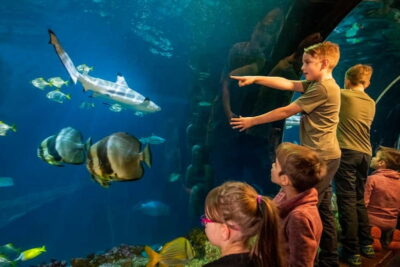
What I like most is how fast the wow factor hits, then keeps going. The underwater viewing areas (including the walk-through shark experience) make the whole place feel active, not just “look at a tank.” I also love the chance to catch signature animals like dugongs and penguins, with staff talks adding energy along the way—one visitor even singled out a guide named Lauren for being friendly and informative.
The main drawback is crowding and lines at busy times. Some rides or experiences can also close temporarily, so you’ll want a little flexibility in your day.
In This Review
- Key things to know before you go
- SEA LIFE Sydney Aquarium at Darling Harbour: where you’ll start
- Ticket value: what you’re really paying for
- A smart route through the aquarium (so it doesn’t blur together)
- Shark tunnel energy: the big underwater wow moments
- Stingrays, turtles, jellyfish, and the “how is there so much life here” tank
- Great Barrier Reef-style exhibits and the “major tank” effect
- Southern Rivers and secretive moments: platypus spotting
- Dugongs, Nemo-style coral, and the CLAWS creature feature
- Penguins in the Southern Oceans: where the visit often peaks
- Timing, crowds, and how long to plan for a satisfying visit
- Small rules you’ll notice: what’s allowed and what’s not
- Who this suits best (and who should plan differently)
- Should you book the SEA LIFE Sydney Aquarium entry ticket?
- FAQ
- Where is SEA LIFE Sydney Aquarium located?
- How do I get there from Sydney’s public transport hub?
- How long should I plan for the visit?
- What’s included with the ticket?
- What animals and exhibits can I expect?
- Does the ticket let me skip the ticket line?
- Is there free cancellation?
- Is it valid for one day only?
- Are there restrictions on what I can bring?
Key things to know before you go
- Darling Harbour location: central, walkable, and easy to pair with other Sydney sights
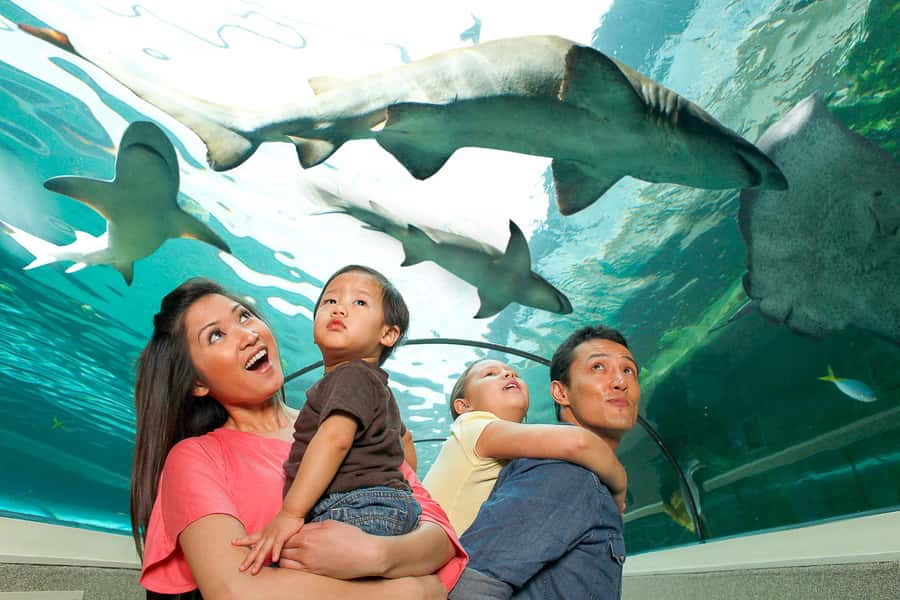
- Underwater walk-through views: you’re not stuck staring through glass from far away
- Signature animals on the route: sharks, stingrays, turtles, dugongs, and penguins
- Creature-feature moments: scheduled-feel highlights like CLAWS and feeding times can shape your pace
- Boat/penguin add-ons if operating: some extra experiences may run depending on the day
- Crowds are real: go early to get a calmer flow through the main exhibits
SEA LIFE Sydney Aquarium at Darling Harbour: where you’ll start
SEA LIFE Sydney Aquarium sits on the city side of Darling Harbour, which is exactly where you want it if you’re trying to see Sydney without long commutes. You can get there by walking from the CBD down Market Street or King Street (about 5–10 minutes). Or use public transport: ferries to Darling Harbour run from Circular Quay Wharf 5 about every half hour.
If you’re visiting as a family, this location helps. Kids burn energy fast, and Darling Harbour is already built for strolling, snacks, and breaks between attractions. You can build your day around the aquarium instead of forcing a big detour.
Ticket value: what you’re really paying for
This is a one-day SEA LIFE Sydney Aquarium entry ticket. At around $31 per person (per the info here), the value comes from two things: animal variety and how much of it you can cover in a single sitting.
There’s no guided tour included with the entry ticket. That matters because the best results come from going at your own pace and using the space efficiently. If you like reading short info panels and watching feeding/handling moments when they happen, you’ll get more out of your visit. The ticket also includes skip-the-ticket-line entry, which is practical in a tourist zone where queues can chew up time.
One more reason the ticket feels fair: the aquarium’s scale. You’re looking at 700 species and 13,000 animals-plus across multiple themed areas. That’s a lot of “set pieces” to see without needing to plan multiple days or transport between locations.
A smart route through the aquarium (so it doesn’t blur together)
SEA LIFE Sydney Aquarium is huge enough that going in without a plan can lead to repeat backtracking. Instead, I suggest you pick a direction and commit to it.
A common way to enjoy it is to start with the large, dramatic displays, then work toward the specialty zones. Many of the most talked-about stops are spread across the route: a large Great Barrier Reef-style tank, underwater tunnels, then animal-focused exhibits (including Australian-ish species like platypus and dugongs), and finally the penguin area.
Also, build in time for the spots that slow you down—walking underwater, watching rays cruise past the glass, and pausing for feeding moments. Those are the times you’ll want space, not a rushed checklist.
Shark tunnel energy: the big underwater wow moments
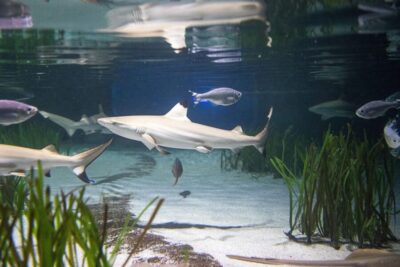
The aquarium’s headline experience is the underwater walk experience with sharks. Even if you’re not a “sharks are my thing” person, you tend to stop here because the view feels immersive in a practical way: you move through the space while the animals swim around you.
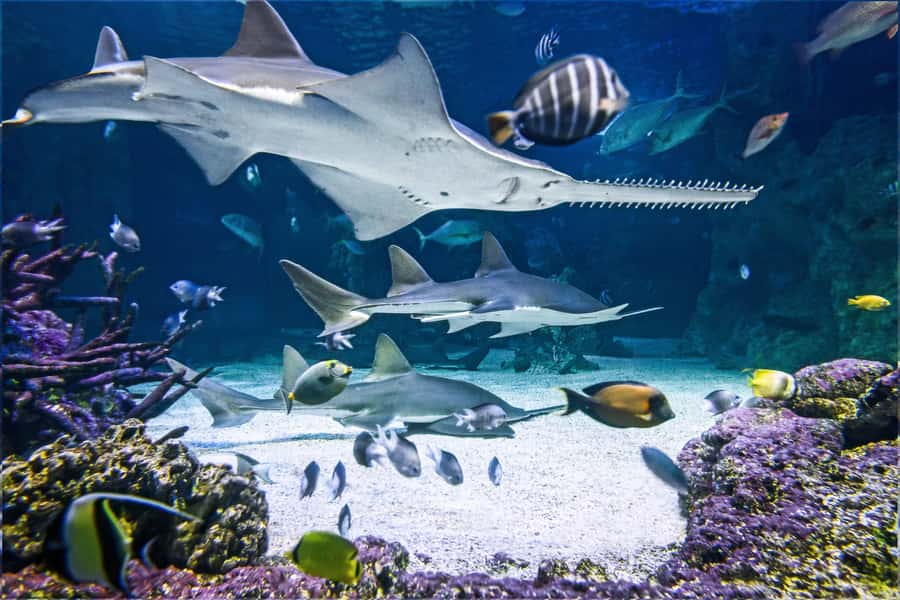
You’ll also see sleek sharks in the enormous themed display (the Great Barrier Reef-style area is the one most visitors connect to this “big tank” feel). Add in other fast-moving ocean life—plus the surrounding tropical fish—and it becomes one of those exhibits that works for all ages.
A useful tip from the on-the-ground reality: if you want cleaner, calmer viewing, go earlier rather than later. Several experiences in the reviews point to the same truth—crowds can make it harder to linger at the best viewing points.
Stingrays, turtles, jellyfish, and the “how is there so much life here” tank
The next level after sharks is rays and turtles—animals that don’t just sit there. Stingrays often glide through the view like they own the place, and when you catch them in motion, the tanks feel more alive than static exhibits.
You can also expect jellyfish viewing and plenty of tropical fish across the themed sections. Some exhibits also call out sawfish swimming among tropical fish, plus sleek sharks in the big tank environment. This is one of those parts where it helps to go slowly for 2–3 minutes at a time instead of scanning for 20 seconds and moving on.
Practical note: flash photography isn’t allowed, so if you’ve got a camera habit, switch off flash before you arrive. It makes the experience nicer for everyone around you too.
Great Barrier Reef-style exhibits and the “major tank” effect
The aquarium uses a big-display strategy: instead of only small species rooms, it funnels you into large, immersive-feeling spaces. The enormous Great Barrier Reef display is where you’ll often see sawfish and sleek sharks alongside tropical fish.
This matters because you get variety without losing your time. You don’t need to hunt for every animal one by one—multiple highlights are grouped into a few big zones that do a lot of the “wow” work for you.
If you’re short on time, this is where you spend your best attention first. If you’re not short on time, you’ll still be glad you started here, because you can return to other zones for slower, more “read and watch” moments.
Southern Rivers and secretive moments: platypus spotting
One of SEA LIFE Sydney Aquarium’s strongest educational angles is that it doesn’t limit itself to “wow sea monsters.” You’ll come across Australian-linked animals in themed exhibits, including the Southern Rivers area and the chance to spot the platypus exhibit.
Platypus can be tough to see in any setting, so when you spot movement, pause. This is where your pace changes from “walk through” to “watch closely,” and that’s when the aquarium feels more rewarding than a quick stop.
Along the route, you’ll also find other sea-life-specific exhibits like seahorses. The point isn’t just to see them once; it’s to notice how each species is presented within its own habitat style.
Dugongs, Nemo-style coral, and the CLAWS creature feature
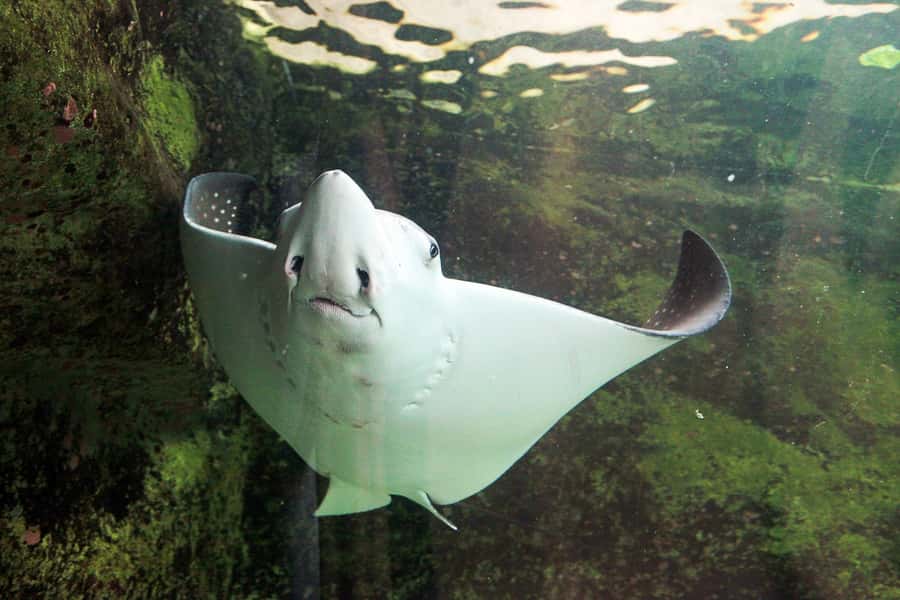
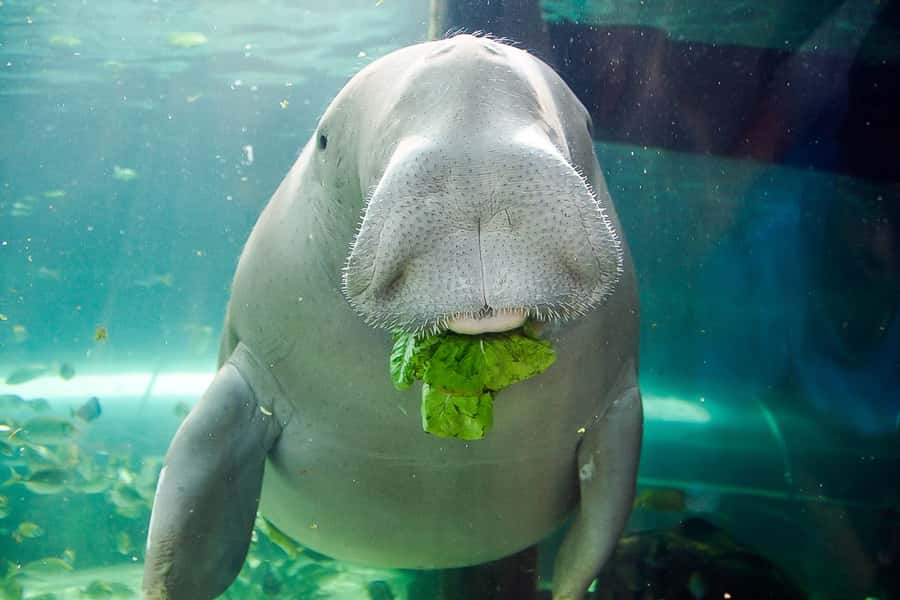
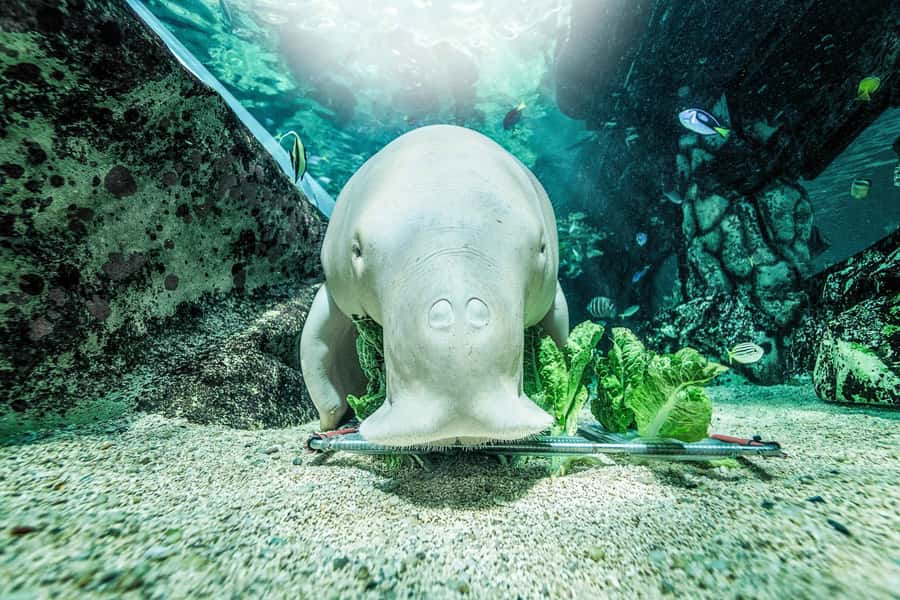
If you’re the kind of person who loves feeding moments, you’ll enjoy the dugong area. The aquarium includes dugongs feeding, which gives you that “live moment” feeling even in a self-guided visit.
You can also expect highlights like Japanese spider crabs in the CLAWS creature feature. The CLAWS area is the kind of exhibit where visitors tend to linger because it looks different from the usual fish-and-rubble setups. It’s also a good stop if you’re traveling with kids who want something a bit quirky and interactive-feeling (even though it’s still a walk-through attraction).
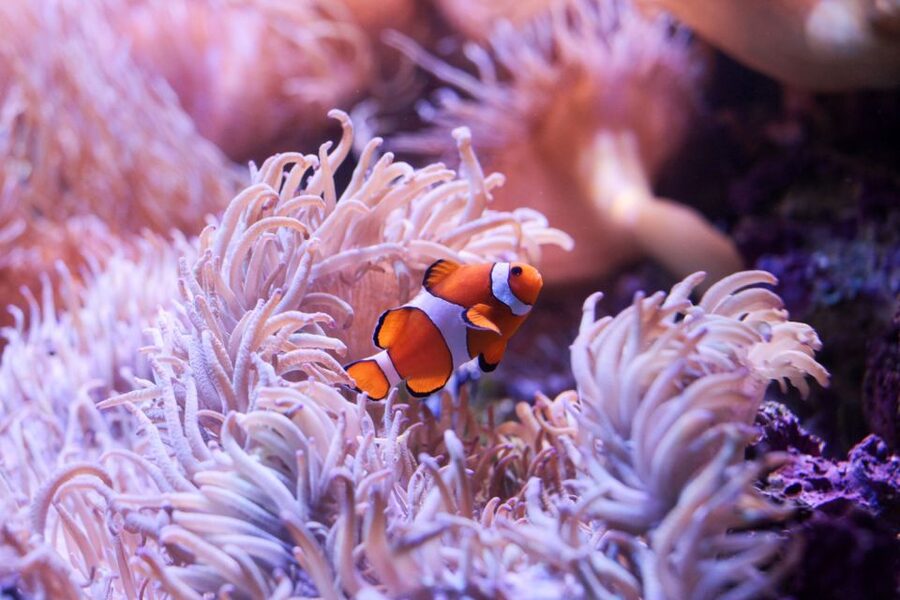
Another fun highlight: Nemo is referenced in his coral home. That kind of recognizable reference helps kids connect quickly, and it makes a big aquarium feel less overwhelming.
Penguins in the Southern Oceans: where the visit often peaks
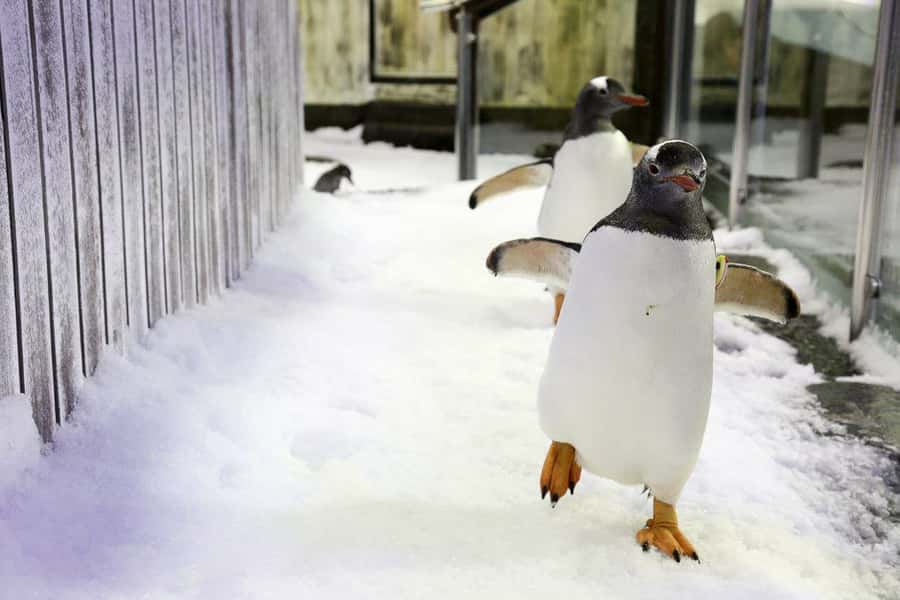
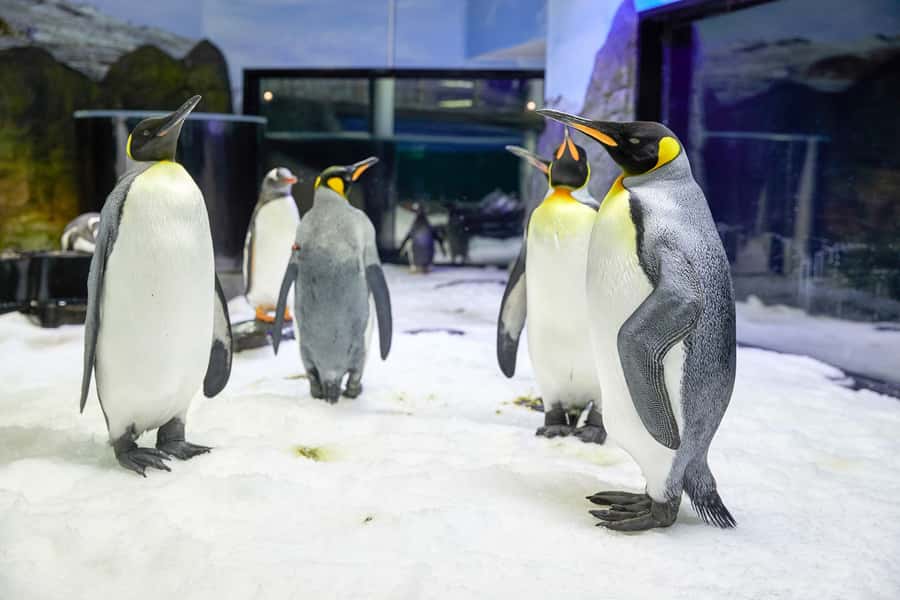
If there’s one exhibit many people remember most, it’s the penguins in the Southern Oceans. The penguin area is often the “final big emotional beat” of the day—kids perk up, adults slow down, and you end up watching longer than you planned.
There are also penguin boat or cruise-style experiences mentioned in the reviews, including a mini penguin boat ride and a cruise to see the penguins. Here’s the smart way to handle this: assume it’s a bonus, not guaranteed. If it’s running, try it, because it changes the viewing angle and turns the penguin section from static to active viewing.
One more practical note: penguin-related experiences can close temporarily (weather or operational reasons). If a key add-on is unavailable, you still have plenty of penguin viewing inside the main exhibits.
Timing, crowds, and how long to plan for a satisfying visit
This is a one-day visit, but “one day” doesn’t mean “see it all in two hours.” Plan for the time it takes to actually watch animals, especially in the biggest-tank areas and at any viewing points where rays or penguins draw people in.
Crowds are the main variable. Several comments highlight that the aquarium gets busy, particularly around school holidays and peak hours. When it’s packed, it’s harder to linger at the best spots, and some areas feel tight.
My practical pacing suggestion:
- Start early if you can.
- Build in short breaks so you don’t rush through the penguin zone.
- Don’t try to hit every exhibit at full speed; pick the ones you care about most and let the rest be “nice to see.”
If you’re visiting with kids, this kind of pace is kinder to your nerves too.
Small rules you’ll notice: what’s allowed and what’s not
SEA LIFE Sydney Aquarium has clear visitor rules. You won’t be able to bring pets (assistance dogs are allowed), and smoking is not allowed. Bikes, skateboards, scooters, and bare feet aren’t permitted.
Flash photography is also not allowed. If you’re traveling with a camera, change your settings before you queue so you don’t get stopped.
These rules are normal for family attractions, but they’re worth knowing so you can plan what to pack and what not to bring.
Who this suits best (and who should plan differently)
This is one of those Sydney experiences that works for most ages, but it’s especially strong for families. Kids generally love the big moving animals—sharks, stingrays, and penguins—because they can’t help but look up and track movement.
It also works well for adults who want something scenic and “hands-on with your eyes.” The aquarium design makes it easy to stop repeatedly without feeling like you’re lost. And because the ticket gets you access to a lot of separate themed zones, you can build a visit that matches your interests.
If you care a lot about accessibility details, you’ll want to plan carefully. Some comments mention issues like difficulty finding lifts and the need to navigate ramps/stairs. You’ll likely still manage a full route, but if mobility is a big factor for you, check on-day guidance with staff when you arrive.
Should you book the SEA LIFE Sydney Aquarium entry ticket?
Book it if you want a central, high-value Sydney activity with major animal highlights in one easy day. The skip-the-line entry helps, and the mix of sharks, rays, dugongs, and penguins makes it a safe bet even if your group has different interests.
Skip or reconsider if your day is all about avoiding crowds. This is a top Darling Harbour attraction, so peak times can feel packed. Also, if you’re specifically counting on any penguin boat/cruise add-ons, keep your schedule flexible in case an experience is closed.
If you’re looking for a classic “Sydney in one stop” option that’s fun even when weather isn’t perfect, SEA LIFE Sydney Aquarium is a solid choice.
FAQ
Where is SEA LIFE Sydney Aquarium located?
It’s on the city side of Darling Harbour in New South Wales, Australia.
How do I get there from Sydney’s public transport hub?
Services to Darling Harbour depart from Circular Quay Wharf 5 about every half an hour. It’s also about a 5–10 minute walk from the CBD down Market Street or King Street.
How long should I plan for the visit?
The ticket is valid for 1 day. The experience is self-paced, so how long you spend depends on how closely you want to watch each exhibit.
What’s included with the ticket?
Your ticket includes entry to SEA LIFE Sydney Aquarium. A guided tour is not included.
What animals and exhibits can I expect?
You can expect a wide range, including sharks, dugongs, turtles, stingrays, penguins, seahorses, jellyfish, platypus, sea dragons, and more.
Does the ticket let me skip the ticket line?
Yes, the entry ticket includes skip the ticket line.
Is there free cancellation?
Yes. You can cancel up to 24 hours in advance for a full refund.
Is it valid for one day only?
Yes, it’s valid for 1 day. Starting times depend on availability, so check what’s offered for your preferred slot.
Are there restrictions on what I can bring?
Yes. Smoking isn’t allowed, pets aren’t allowed (assistance dogs allowed), and items like bikes, flash photography, skateboards, scooters, and bare feet aren’t permitted. Unaccompanied minors also aren’t allowed.